

Solar Power Knowledge
Plug-in solar panels: are they worth it?
 gaotu
gaotuQuick Answer: Plug-in solar panels are highly worthwhile for renters, apartment dwellers, and small households looking for a low-cost, no-renovation solar solution. They easily offset daytime electricity use but are not suitable for heavily shaded spaces or whole-home power replacement.
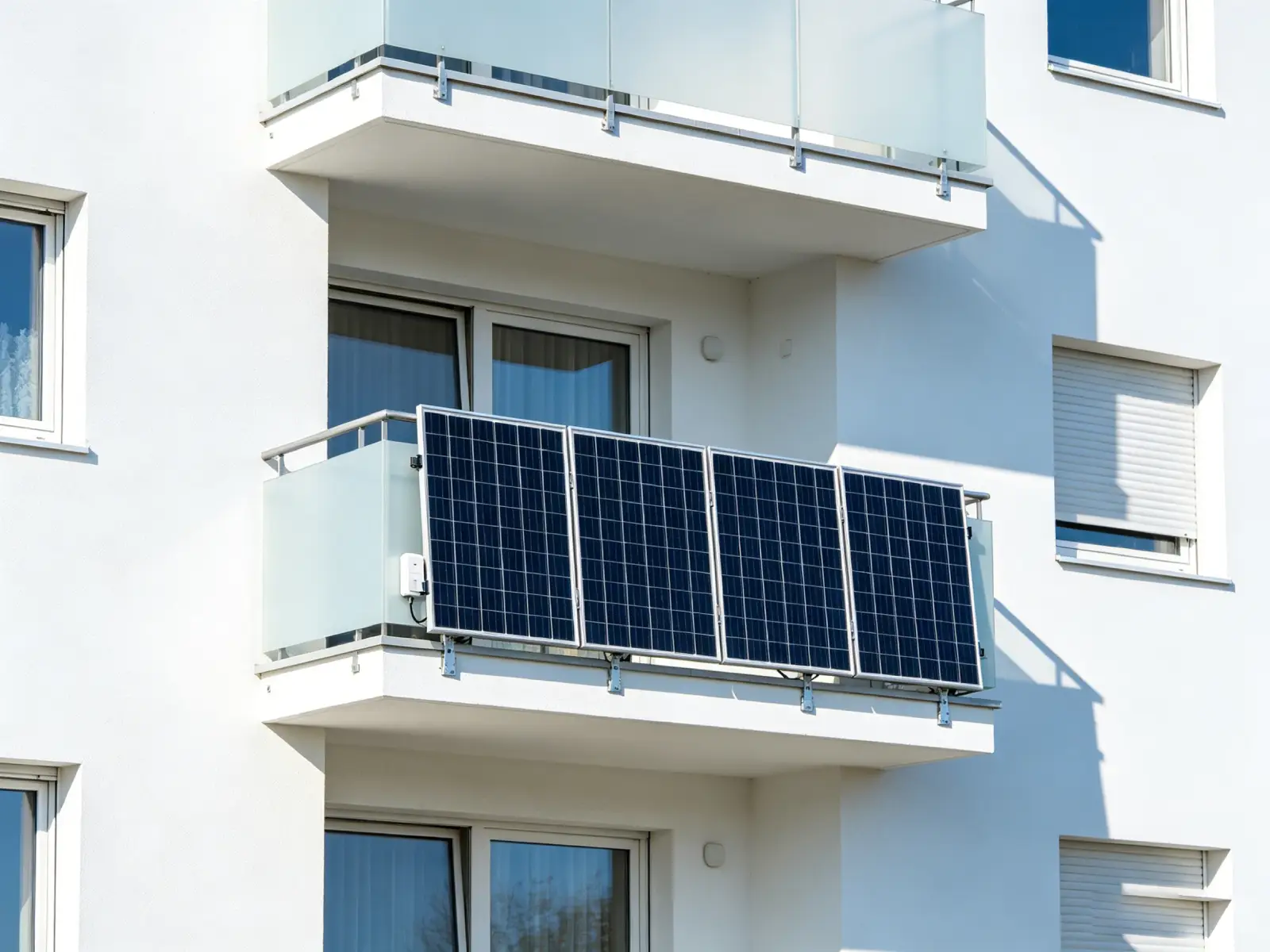
What Are Plug-In Solar Panels?
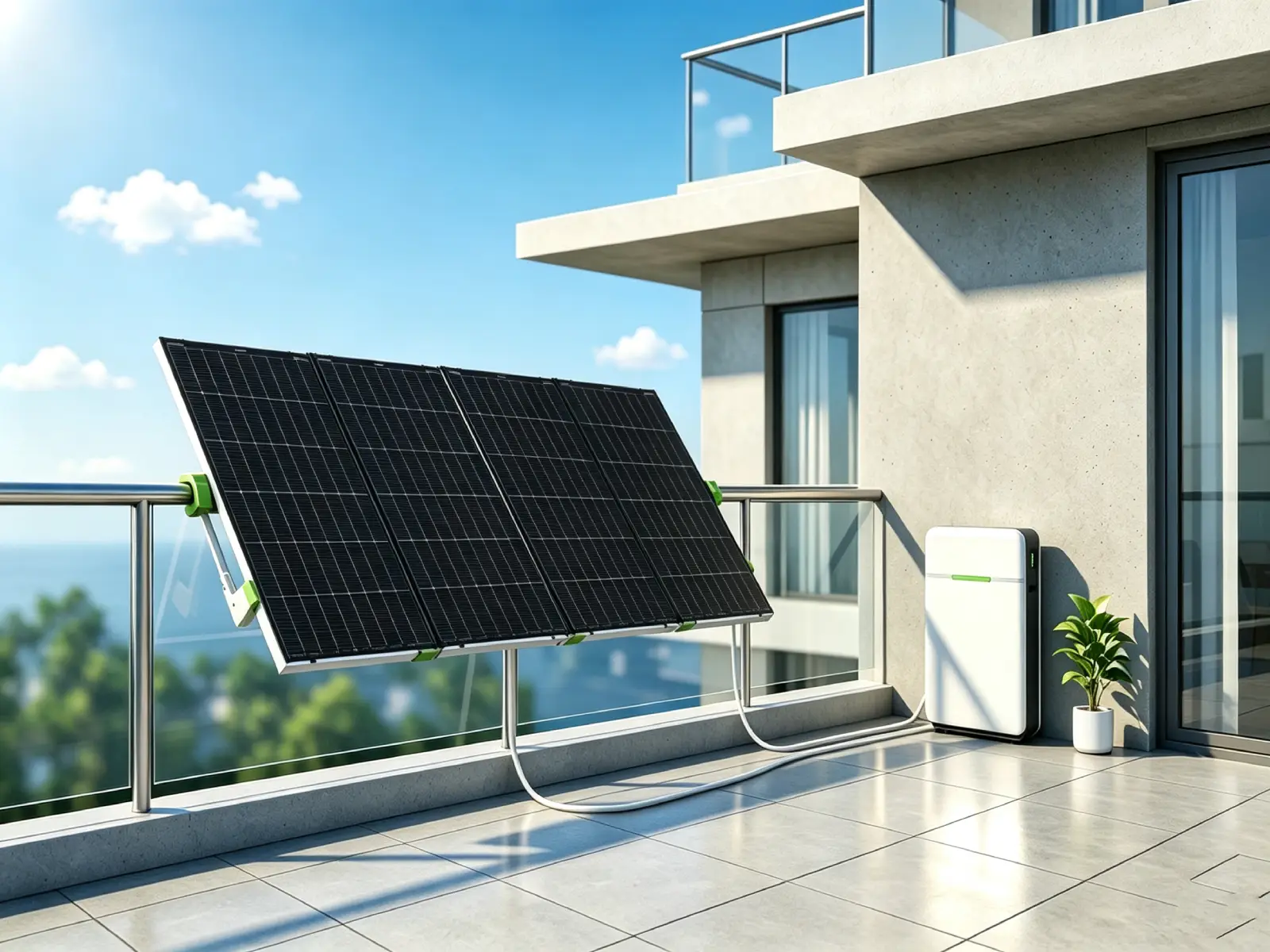
Plug-in solar, also known as balcony solar or plug-and-play PV, is a compact, DIY grid-tied system. It uses solar panels, a certified microinverter, mounting brackets, and a standard plug to generate usable AC power for household consumption. Optional battery storage allows users to store daytime solar power for evening use.
How Plug-In Solar Works
Solar panels generate DC electricity → microinverter converts DC to safe, grid-compliant AC → power supplies home loads directly. Excess energy can flow back to the grid (region-dependent).
What’s Inside a Standard Plug-In Solar Kit?
-
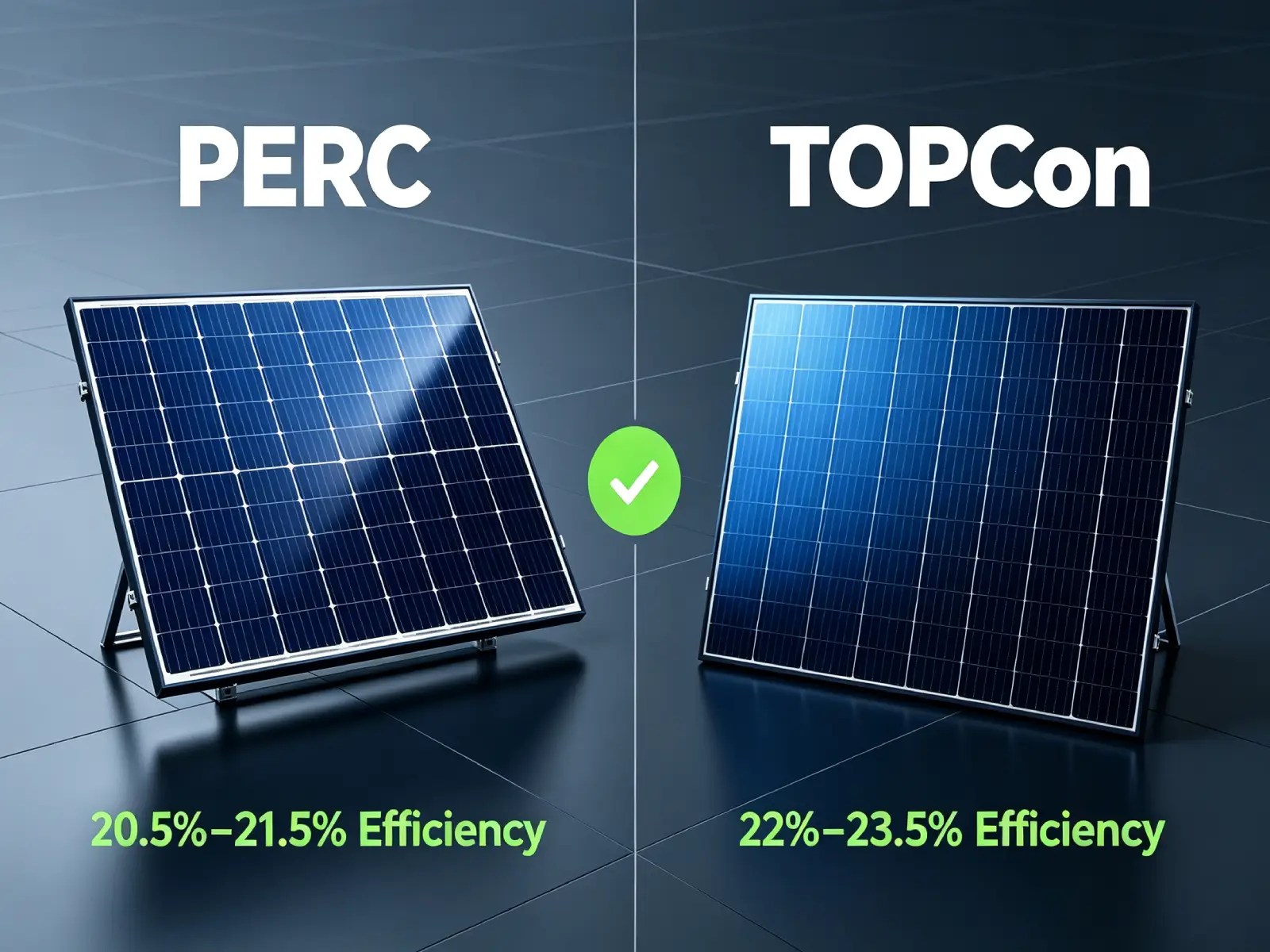
Solar panels: Determine wattage, efficiency, weight, and durability
-
Microinverter: Core safety component for grid compliance
-
Mounting system: Renter-friendly, no-drill balcony/railing brackets
-
Weatherproof cables & plugs
-
Renters: Removable setup, no permanent home modifications
-
Apartment owners: Perfect for balcony spaces with good sunlight
-
Small homes: Low-risk entry before full rooftop solar investment
-
Retailers & brands: Standardized, market-ready mini PV kits with clear compliance boundaries
Main limitation: Plug-in solar only covers partial daytime loads — it cannot power an entire house.
Key Factors That Affect Output & Payback
Real solar savings depend on real conditions, not generic data:
-
Sunlight hours, season, and shading
-
Panel angle and facing direction (south-facing works best in the Northern Hemisphere)
-
Daytime home energy consumption
-
Local electricity prices and grid rules
-
Regional inverter and plug certification standards
Safety & Regional Rules Overview
Plug-in solar regulations vary significantly by country:
-
Germany: Mature balcony solar policies, mandatory registration, 800W simplified limits
-
UK: Updated 2026 interim safety specs for plug-in solar devices
-
USA: State-specific rules, UL 1741 inverter compliance required
Safety reminder: Plug-in solar is a small power system, not a regular home appliance. Always follow local certification and installation guidelines.
Plug-In Solar vs Rooftop Solar vs Portable Solar
-
Plug-in balcony solar: Best for apartments, renters, low-budget solar entry
-
Rooftop solar: Best for homeowners with long-term energy needs (higher cost & permits)
-
Portable solar stations: Best for outdoor use, not continuous home grid offset
Final Verdict: Is Plug-In Solar Worth It?
Yes — if you have unshaded balcony space, regular daytime electricity use, and use certified region-compliant equipment.
Plug-in solar removes the biggest barrier to renewable energy: accessibility. It allows urban users to save on electricity bills without roof access, property ownership, or high installation costs.
For best results, always match your kit to local rules, balcony conditions, and real energy usage — not just maximum wattage numbers.
FAQ
Q: Can plug-in solar power a whole house?
A: No. It only offsets partial daytime household loads.
Q: Do I need a battery?
A: No. Batteries improve self-consumption but are optional.
Q: Is plug-in solar safe?
A: Safe if fully certified, correctly installed, and locally compliant.
Related Posts
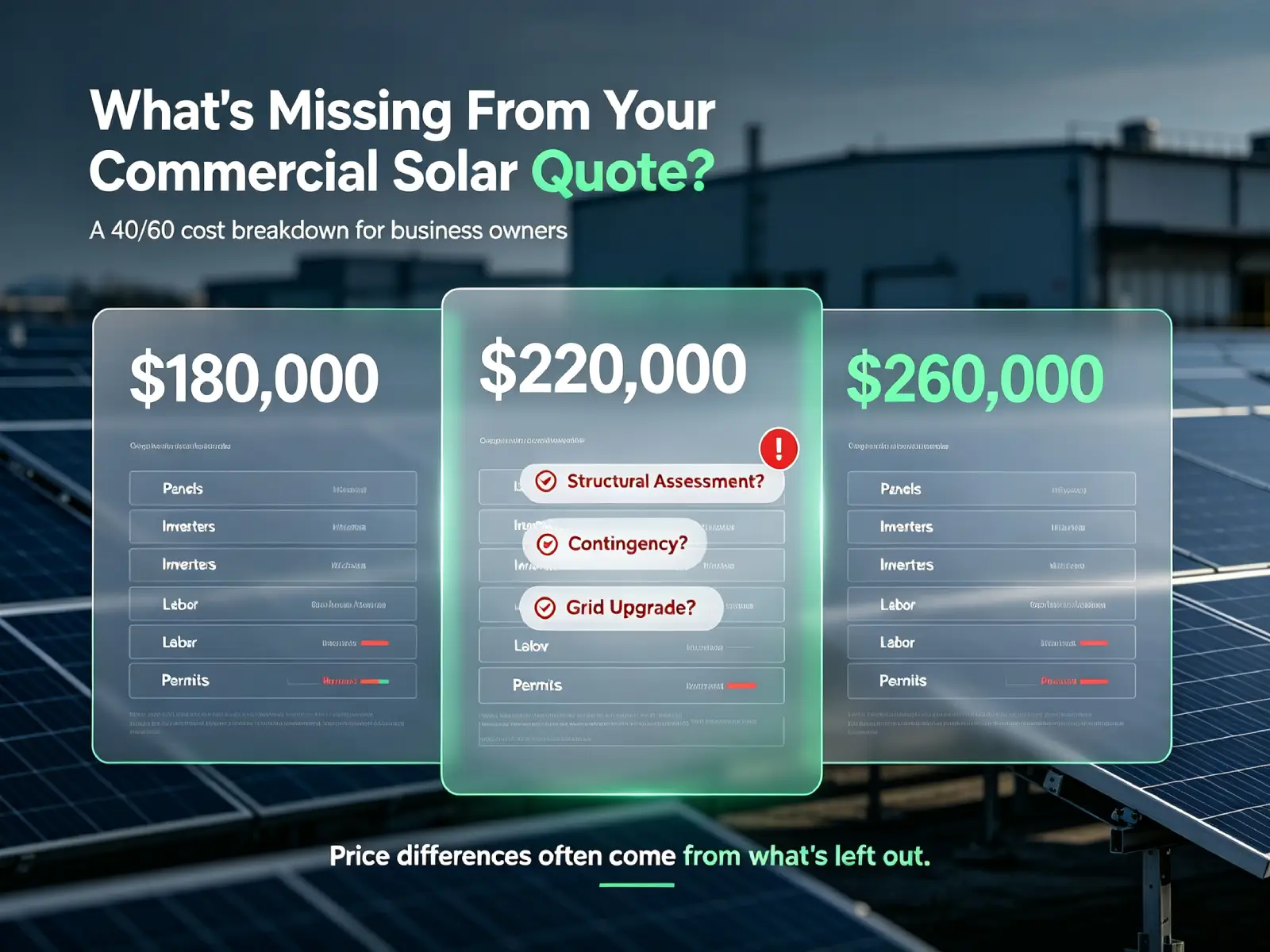
What’s Actually Included in a Commercial Solar Quote (And What’s Quietly Missing)
You get three quotes for the same rooftop. Same building, same 100kW, same location.…
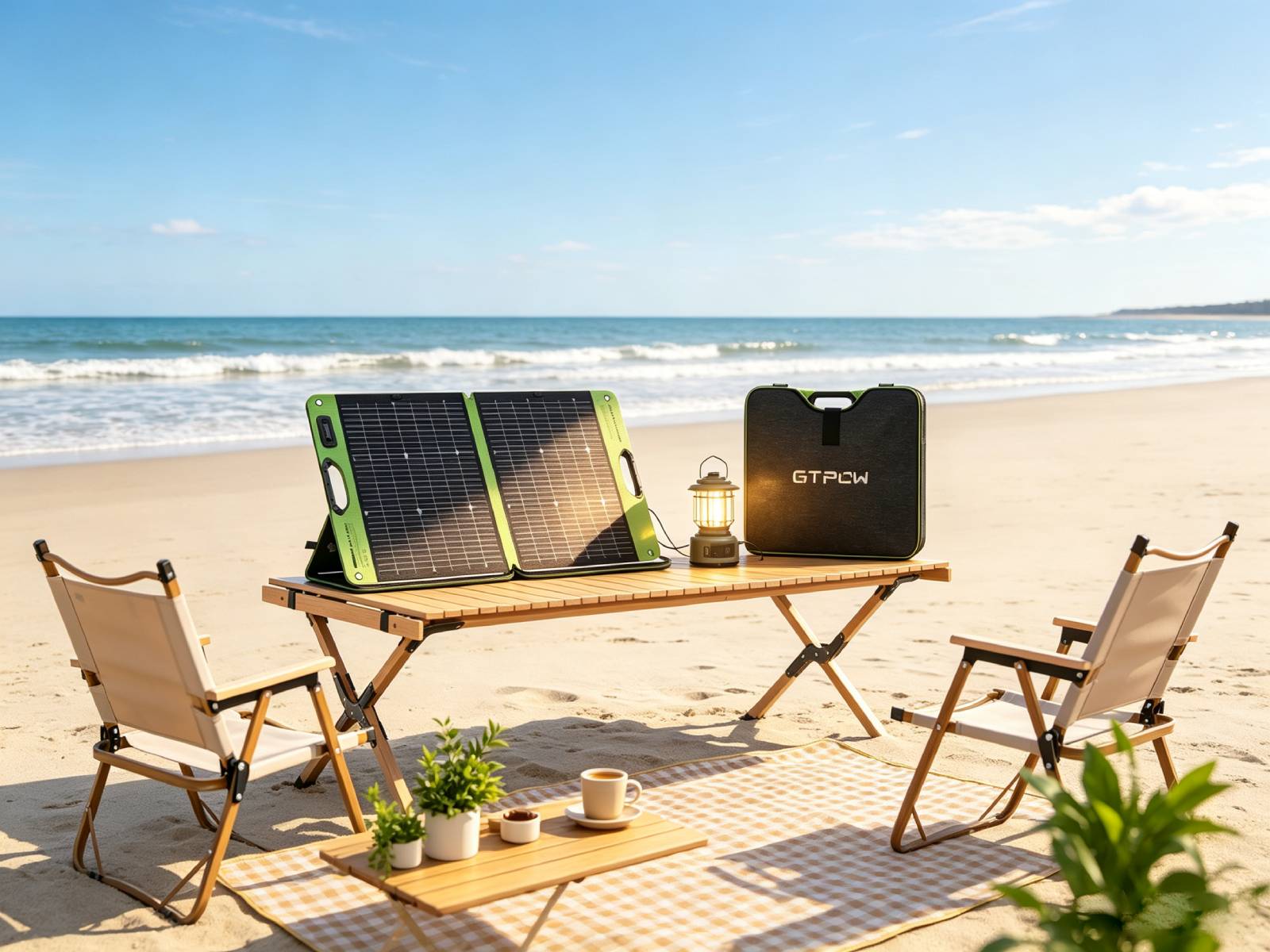
Portable Solar Panel OEM: Complete Customization & Wholesale Guide
Market Status and Industry Value of Portable Solar Panel OEM With the popularity of outdoor…

Custom Solar Panels for RV, Marine & Yacht Projects: Sourcing Guide
Executive Summary: For fleet retrofitters, RV modification contractors, and marine equipment distributors, standard solar hardware…
Leave a Reply