

Solar Power Knowledge
Solar Panels: Principles, Types, Applications and Purchasing Guide
 Gaotu Innovation
Summary
This guide explains solar panels’ working principle, structure, categories, use cases and buying tips. If you are searching for reliable wholesales solar panel suppliers, this article will help you evaluate photovoltaic modules and find stable OEM support for your business.
Quick Answers
- What is a solar panel? A photovoltaic module that converts sunlight into usable electricity.
- Which solar panel sells best? N-type monocrystalline solar panels with high efficiency and low degradation.
- What to check before ordering wholesales solar panel? Power tolerance, certifications, temperature coefficient and warranty.
- Where to source trustworthy solar panels? You can explore wholesale solar panels from GTPOW for standard and OEM orders.
What Are Solar Panels
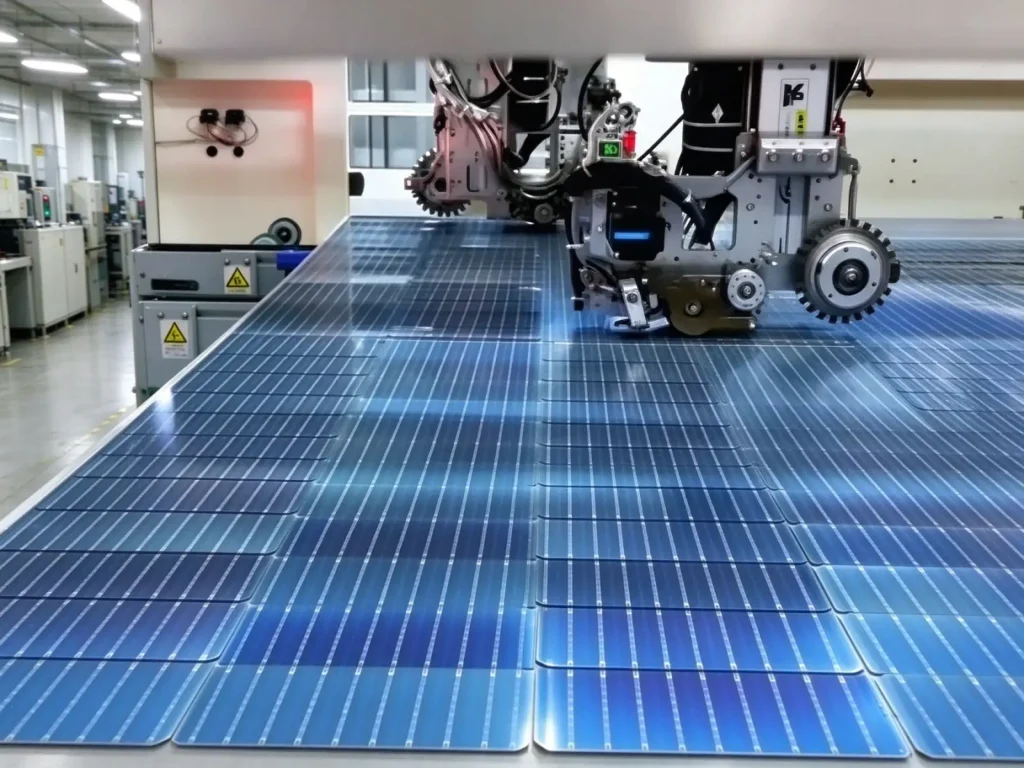
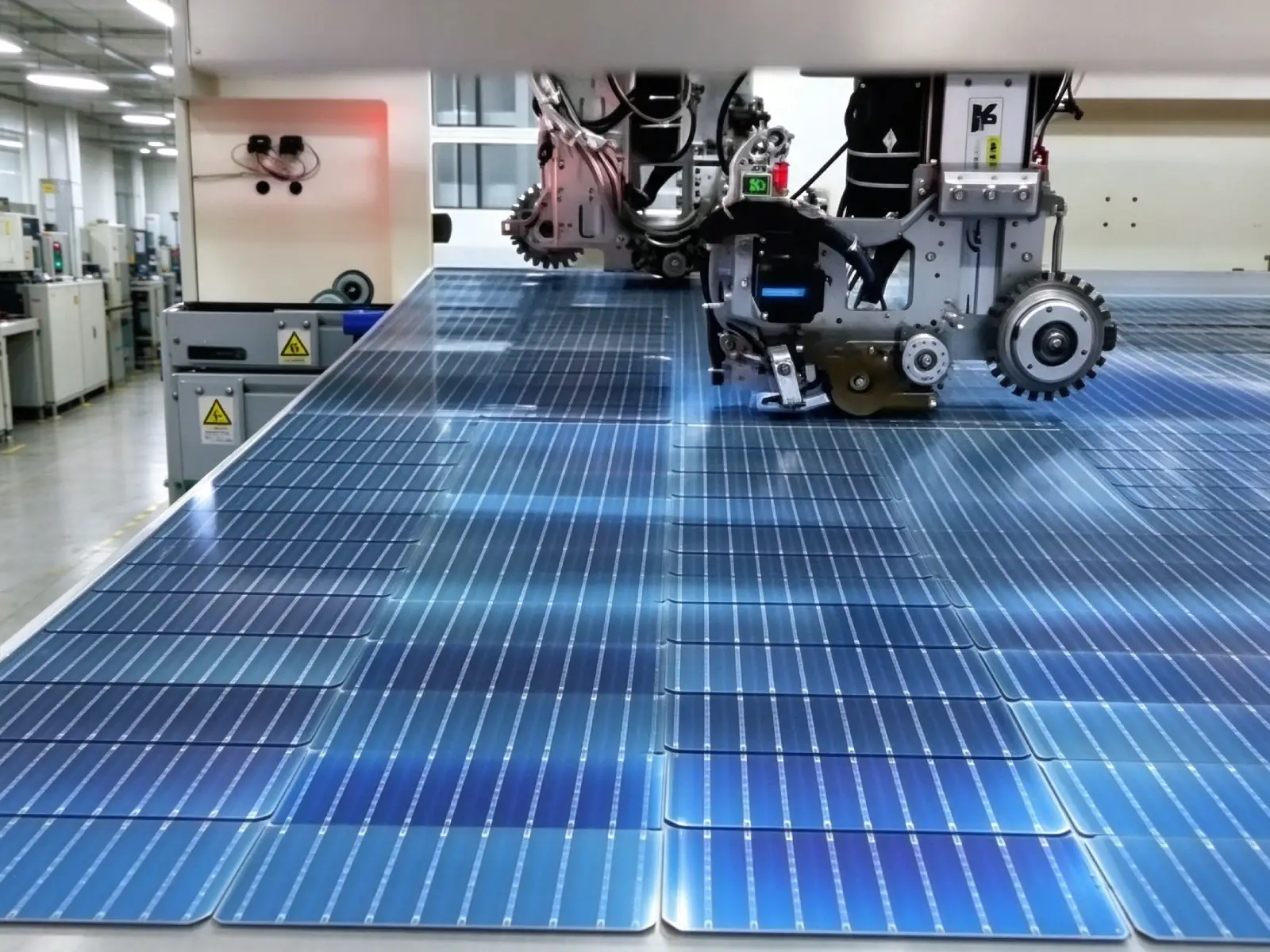
Solar panels, also known as photovoltaic modules, are core devices that convert sunlight directly into electricity via the photovoltaic effect. They consist of numerous solar cells connected in series and parallel, encapsulated together with glass, EVA film, backsheet, aluminum frame and junction box to form a complete module.
As long as sunlight hits them, solar panels generate direct current (DC), which is then converted by an inverter into alternating current (AC) for residential and commercial use. They produce no pollution, support modular installation and require minimal maintenance, making them the fundamental hardware for distributed PV systems, utility-scale solar farms and off-grid energy storage systems.
How Solar Panels Work
When sunlight strikes the silicon solar cells, photons excite electrons inside the silicon material to move in a fixed direction, creating direct electric current. The junction box collects the current from the module, which is then sent to an inverter to power electrical loads or feed electricity back into the grid.
Key Components of a Solar Panel
- Tempered glass: Protects solar cells with high light transmittance
- EVA encapsulant film: Bonds and seals the module, blocking moisture and air; it largely determines the panel’s service life
- Solar cells: The core part that converts light into electricity
- Backsheet: Blocks moisture and UV rays, shielding the rear side of cells
- Aluminum frame: Reinforces the module and simplifies mounting
- Junction box: Collects electric current and contains bypass diodes to prevent hot-spot damage
Main Types of Solar Panels and Their Features
There are many types of solar panels on the market. Each technology suits different scenarios, so you need to distinguish them carefully when sourcing your wholesales solar panel orders.
Monocrystalline Solar Panels
Monocrystalline modules are the mainstream choice today, with conversion efficiency ranging from 20% to 24% and a typical black appearance. Their advantages include high efficiency, good low-light performance and long service life. The downside is a slightly higher unit cost. They are ideal for residential rooftops, commercial roofs and projects with limited space. New-generation N-type TOPCon and BC monocrystalline panels feature lower degradation and better power output in high-temperature environments.
Polycrystalline Solar Panels
Polycrystalline panels have a speckled grain surface, conversion efficiency between 17% and 20%, and lower production costs. They are commonly used for large utility solar farms where cost control is a priority. As N-type monocrystalline technology gains popularity, polycrystalline panels are taking up a smaller market share.
Thin-Film & Flexible Solar Panels
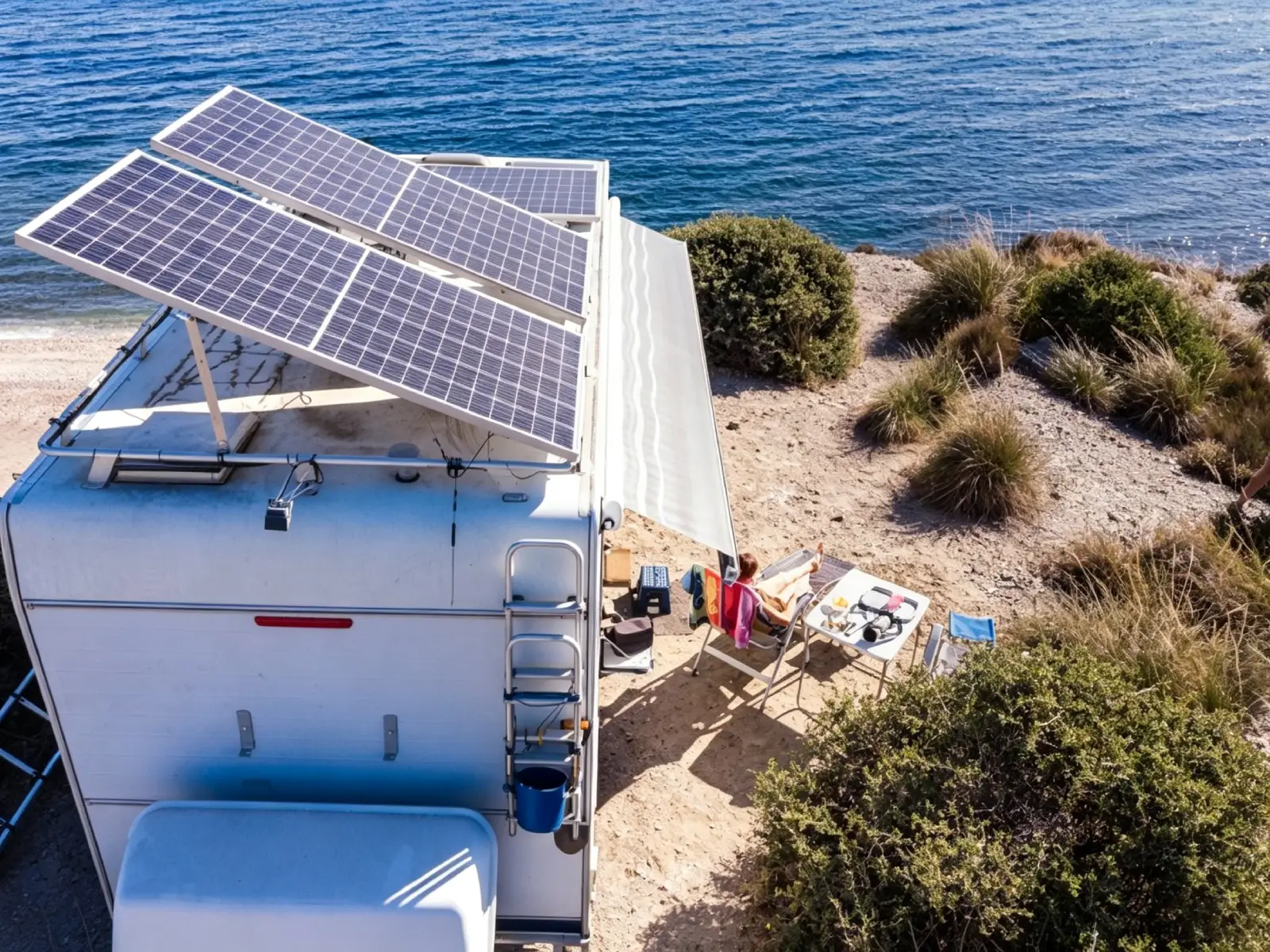
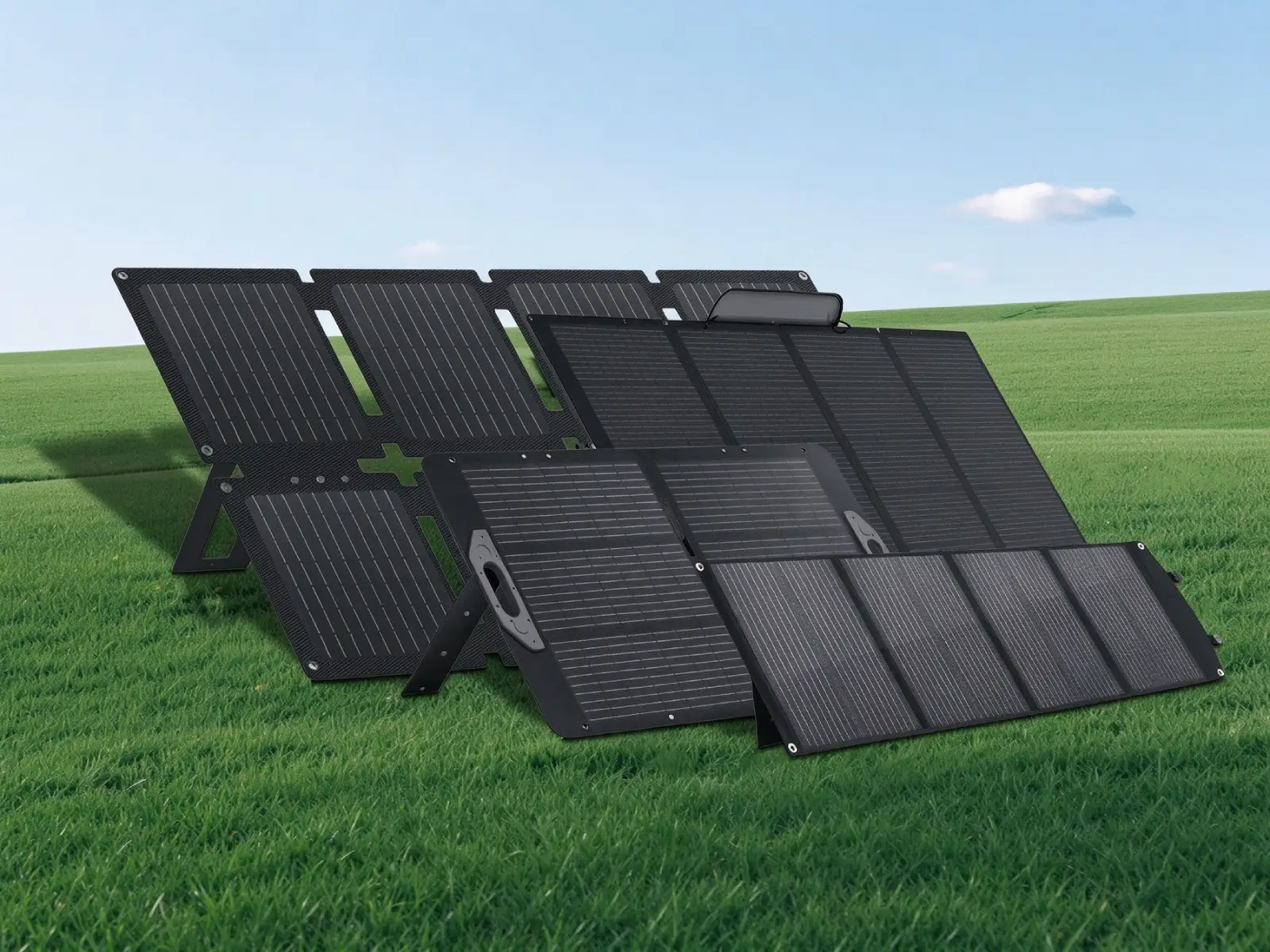
Thin-film modules are lightweight, and some models can be bent and folded. They perform well in low light but have lower conversion efficiency. They are widely used for portable power stations, RVs, building-integrated photovoltaics (BIPV) and small outdoor power supplies.
Bifacial Solar Panels
Bifacial panels capture sunlight from both the front and rear sides. When installed over reflective surfaces such as sand, snow or light-colored rooftops, they can boost energy production by 10–30%. Most adopt a double-glass design with superior weather resistance.
Common Applications of Solar Panels
Residential Distributed PV Systems
Homeowners install solar panels on rooftops to consume self-generated power. Excess electricity can be exported to the grid to cut household electricity bills.
Commercial & Industrial PV Projects
Factories, warehouses and commercial buildings install large arrays of solar panels to reduce corporate power expenses and meet carbon reduction targets, a popular cost-saving solution for manufacturers.
Utility-Scale Solar Farms
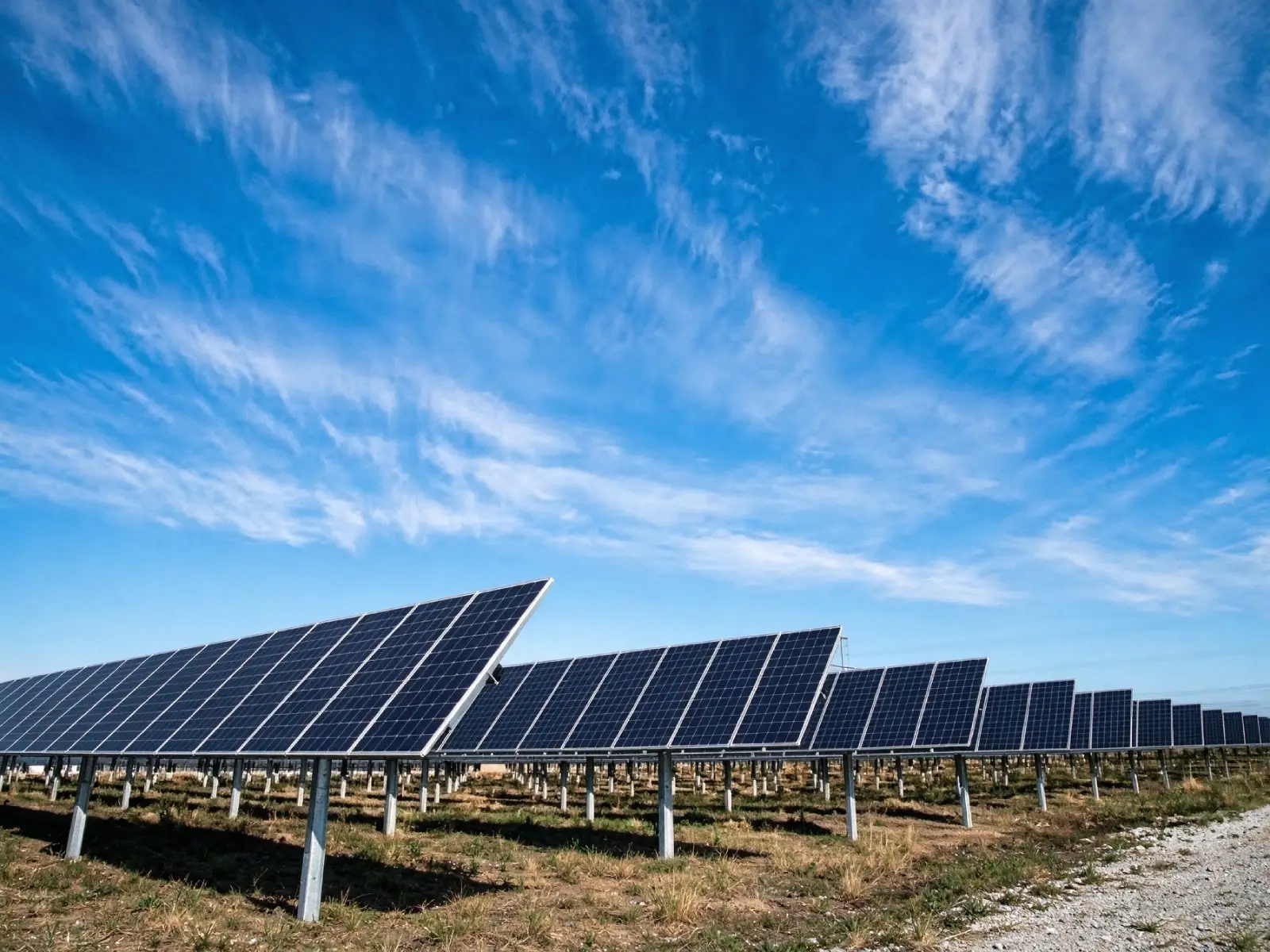
Large numbers of solar panels are deployed in open areas such as deserts and tidal flats to build MW-scale solar power plants that deliver clean energy to the public grid.
Off-Grid & Portable Energy Scenarios
RVs, camping power stations, surveillance cameras and street lights without grid access rely on solar panels paired with batteries for independent power supply. If you need bulk orders or OEM branding, you can explore wholesale solar panels. We provide standard and OEM customized solutions for distributors and EPC contractors.
Critical Specifications to Check When Buying Solar Panels
Whether you are sourcing for construction projects or bulk orders, price alone should not be your only consideration. Focus on these key parameters before confirming your wholesales solar panel purchase:
Power Rating & Power Tolerance
Power rating indicates the panel’s electricity output. 550W–600W high-power modules are widely available today. Always prioritize positive tolerance panels to avoid receiving units that underperform their labeled power.
Conversion Efficiency
Conversion efficiency shows how much sunlight a panel can turn into electricity. Higher efficiency means more power generated within the same rooftop space.
Temperature Coefficient
Solar panel output drops in hot weather. A smaller temperature coefficient means more stable performance under high heat, which is important for tropical and Middle Eastern markets.
Certifications
Genuine solar panels must carry international certifications such as IEC, TÜV and UL. For export orders, the certificate model number must match the shipped panels to avoid customs detention.
Warranty & Power Degradation
Quality solar panels usually come with a 10-year product warranty and a 25-year linear power warranty, guaranteeing at least 80% of original output after 25 years.
Pitfalls to Avoid When Buying Solar Panels Wholesale
Distributors and EPC contractors often face risks when placing bulk orders for a wholesales solar panel: middlemen pretending to be manufacturers, mismatched certificates, mixed-grade cells, bubbles and hidden cracks after lamination.
Always verify the manufacturer’s real production capacity and confirm full EL testing and cell sorting records. For OEM orders, request complete certification documents for your custom model instead of using generic certificates. Also confirm MOQ, sample batch terms and after-sales quality dispute processes to reduce risks for large shipments.
Conclusion
As the core component of photovoltaic systems, solar panels evolve quickly. N-type monocrystalline panels have become the mainstream option. When selecting panels, evaluate efficiency, certifications and warranty together with your installation environment and budget, rather than comparing prices only. Reliable supply chains help global traders and project clients balance quality, compliance and delivery schedules, lowering risks for cross-border procurement of wholesales solar panel products.
About Gaotu Innovation
Gaotu Innovation, owner of the GTPOW solar brand, is a national high-tech enterprise with 18 years of PV industry experience. We integrate R&D, smart manufacturing and global trade, with production bases in Dongguan, China and Indonesia. We support stable OEM and ODM customization. Our product portfolio includes standard high-efficiency PV modules, foldable solar panels, flexible solar panels and supporting outdoor energy storage solutions. We keep delivering dependable wholesales solar panel products and one-stop clean energy services to distributors, engineering contractors and brand partners worldwide.
Related Posts
How to Clean Portable Solar Panels
How to Clean Portable Solar Panels ?Regular cleaning removes dust, sediment, bird droppings, oil stains…
Private Label Portable Solar Panels: The Reseller's Guide to Escaping Price Wars
Private label portable solar panels are the only way to escape the price war. The Hard Truth…
Best Portable Solar Panel Buying Guide 2026
If you love camping and RV traveling, you know the biggest hassle outdoors is never…
Leave a Reply