

Solar Power Knowledge
U.S. Balcony Plug‑In Solar Kit Sourcing Guide for Distributors & Private‑Label Brands
 Gaotu Innovation
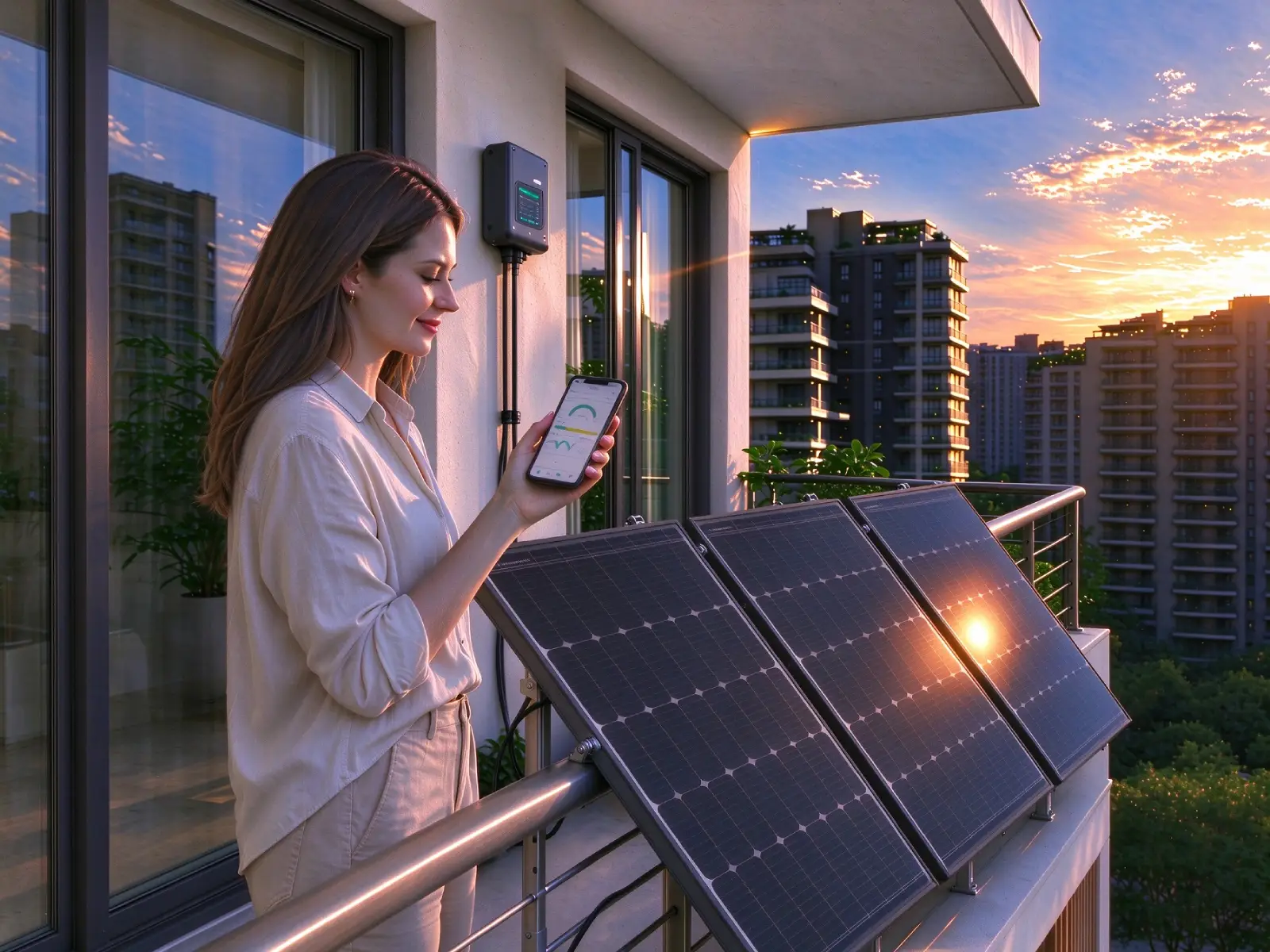
Balcony plug‑in solar kits deliver huge market potential for US retailers and distributors. These all‑in‑one kits allow renters and homeowners to generate solar power without costly full rooftop installations. But the simplicity of plug‑and‑play hardware hides critical compliance pitfalls.
Many suppliers highlight UL 1741‑listed microinverters as proof of full‑kit safety. This is one of the most common sourcing mistakes importers face. UL 1741 certifies only the inverter hardware; UL 3700 evaluates the complete outlet‑connected plug‑in solar system. A UL 1741 microinverter does NOT automatically grant UL 3700 certification for your full balcony solar kit.
For distributors selling plug‑in solar into the United States market, understanding the difference between component‑level certification and complete‑system evaluation is essential to avoid product‑liability risk, marketplace takedowns, and push‑back from AHJ (Authority Having Jurisdiction) and local utility companies.When you source balcony solar kits, work with experienced suppliers for wholesale solar panels that match US certification requirements.
Key Takeaways
- UL 1741 covers inverters, converters and grid‑interconnection hardware, it is a component‑only standard.
- UL 3700 is the dedicated US safety standard built exclusively for interactive plug‑in PV complete kits.
- A UL 1741‑approved microinverter cannot stand‑in for full‑kit UL 3700 assessment.
- Always verify exact model numbers, BOM scope, manual content, plug‑cable assembly and mounting configuration before publishing sales claims.
- Certification documents do not replace local state law, utility interconnection rules, HOA and landlord property restrictions.
The Core Difference: UL 1741 vs UL 3700
Most distributors first encounter UL 1741 when reviewing micro‑inverter datasheets for balcony solar kits. This long‑established standard validates how inverters interact with distributed‑energy grid systems. But it only tests the inverter unit itself. It does not assess solar panels, AC plug, outdoor‑rated cables, strain relief, mounting brackets, warning labels or end‑user installation manuals.
Released for commercial use in early‑2026, UL 3700 addresses risks unique to consumer plug‑in balcony solar systems: end‑user plug handling, reverse power back‑feeding, outdoor environmental exposure, improper receptacle usage, and unsafe DIY mounting conditions.
| Standard | Primary Purpose | Action Item for Distributors |
|---|---|---|
| UL 1741 | Evaluates microinverter and grid‑interconnection component safety | Confirm exact micro‑inverter model matches certification file, check electrical rating and test scope |
| UL 3700 | Full‑system safety evaluation for outlet‑plugged interactive PV kits | Confirm whether your exact complete kit / SKU configuration holds valid UL 3700 scope coverage |
Common industry trap: Vendors advertise “UL‑certified plug‑in solar kit”, when only the micro‑inverter holds UL 1741 listing. This creates compliance risk for your distribution business. Component certification does not equal complete‑system certification.
What UL 1741 Covers — and Where It Stops
UL 1741 is non‑negotiable baseline due diligence for any grid‑tied micro‑inverter you import. It validates anti‑islanding protection, AC‑grid interaction, electrical overload safety for the inverter unit.
What UL 1741 verifies:
- Grid‑interactive safety functions built into the micro‑inverter
- Electrical ratings, over‑voltage and over‑current protection for inverter hardware
- Documentation to support utility, AHJ and installer compliance conversations
What UL 1741 does not evaluate:
- Solar panel modules used inside the kit
- AC plug assembly, cable gauge, weather resistance and strain‑relief
- Mounting hardware, balcony‑railing installation limits
- Warning labels, user manual instructions, end‑user misuse scenarios
Even if every individual component carries separate UL listings, combining those parts into a plug‑in solar kit creates a new complete system that requires its own safety review under UL 3700.
Why UL 3700 Matters for Balcony Plug‑In Solar
Traditional rooftop solar relies on professional licensed installers. Plug‑in balcony solar is frequently assembled by end‑consumers without electrician support. UL 3700 was built exactly for this high‑risk DIY scenario.
UL 3700 testing reviews system‑level hazards such as:
- Safety risks during consumer plug insertion and removal
- Back‑feed protection for household wall receptacles
- Outdoor water and UV exposure for cables and connectors
- Limitations for which wall outlets and circuits the kit can safely connect to
- Clear labelling and manual warnings for forbidden installation scenarios (extension cords, damaged outlets, unsupported mounting surfaces)
Important note: UL 3700 certification itself does not equal “legal‑to‑sell everywhere in USA”. Product safety certification is separate from state‑level electrical codes, utility interconnection policy, rental‑lease terms and HOA home‑owner association regulations.
6 Critical Points Distributors Must Verify With Your Supplier
Before committing to sample orders or large‑volume procurement, ask your manufacturer to document these six points. Avoid vague answers; always match documents to your exact kit SKU.
1. Confirm what hardware the certification actually covers
Is the certificate only for a standalone micro‑inverter sub‑assembly? Or does scope extend to your full balcony kit? Certificates for similar model numbers are not valid for your selling SKU. Require side‑by‑side model mapping.
2. Request full itemized BOM (Bill of Materials)
Obtain full list: solar panel exact model, micro‑inverter part number, AC plug type, cable specs, MC4 connectors, bracket hardware, manual revision number. If any single component gets substituted later, existing certification evaluation may become void. You need formal component change‑control policy from your factory.
3. Audit plug‑and‑cable assembly specifications
For plug‑in solar kits, the AC plug and cabling are high‑risk failure points. Review cable temperature rating, UV‑resistance for outdoor balcony exposure, strain‑relief mechanical testing, and disconnection fault behaviour. Poor cable‑plug design is a frequent root‑cause of product‑safety complaints.
4. Review supported installation boundaries in official manuals
Balcony kits can be mounted on railings, exterior walls, patios or flat surfaces. Read through supplier installation documentation carefully. Which mounting configurations are officially evaluated? Which mounting use‑cases are explicitly excluded? Selling kits for untested mounting scenarios opens you to liability.
5. Inspect end‑user warnings and label content
Quality documentation must cover:
- Which receptacle types you cannot use
- Warnings against extension cords and power‑strip adapters
- Restrictions for wet / fully exposed outdoor locations
- Landlord, rental‑property and HOA notification reminders
- Situations requiring consultation with licensed electricians
6. Clarify local‑market compliance pathway
Certification documents will not override local US state rules or utility requirements. Make sure your sales and marketing materials never claim “legal in all US states”. Every distributor should prepare buyer disclaimers advising end‑users to check local codes, utility rules and property‑management rules before purchase and installation.Many distributors turn to custom portable solar panel OEM‑ODM solutions to build compliant balcony kit SKUs for North‑American markets.
Safer Marketing Copy: Risky Phrasing vs Recommended Phrasing
Many marketplace takedowns and compliance complaints originate from over‑reaching marketing language on product listings. Use this table to rewrite your e‑commerce and website copy for US‑market risk mitigation.
| Risky / Non‑compliant wording | Better, accurate wording |
|---|---|
| Fully UL‑certified plug‑in solar balcony kit | Kit includes UL 1741‑listed micro‑inverter. Verify UL 3700 full‑system coverage for your exact SKU configuration. |
| UL 1741 certification guarantees full‑kit safety for balcony solar | UL 1741 applies to micro‑inverter component only. Complete plug‑in PV system requires separate UL 3700 assessment. |
| 100% legal for all United States locations | Usability subject to state electrical‑code, utility‑company rules, AHJ requirements and property‑lease / HOA restrictions. |
| No permits or approvals required | Notification, permit and installation requirements vary widely per location. Always check local regulations before installation. |
| Works with any standard household wall outlet | Only connect to wall outlets matching manufacturer instructions and local electrical‑code requirements. |
When Is a Plug‑In Solar Kit Distributor‑Ready for US Market?
A kit is mature for wholesale and private‑label sales when your supplier can deliver a complete documentation package including:
- Exact model numbers for every core component (panels, micro‑inverter, plug‑cable set, mounting brackets)
- Valid UL 1741 certification report matching your micro‑inverter part number
- Clear status documentation for UL 3700 for your target full‑kit configuration
- Full specification datasheets, installation manual, end‑user warning labels and packaging text
- Formal component change‑control procedure: how certification status is impacted if parts get updated
- Market guidance document covering utility, AHJ, renter and HOA considerations for US customers
If this documentation package cannot be supplied, the product may still be under development. You can run sample testing but avoid large‑volume retail listings until compliance files are finalized.Reach out to our engineering team to review your project requirements.
Distributor Practical Sourcing Checklist (Copy‑paste for RFQ & Supplier Audits)
- Confirm exact model numbers for solar panel, micro‑inverter, plug, cable, connector and mounting hardware
- Cross‑verify micro‑inverter UL 1741 listing matches the exact model shipped in‑kit
- Request written confirmation whether your full‑kit SKU has UL 3700 evaluation scope
- Confirm shipped physical hardware matches the configuration described within certification reports
- Review all safety warnings covering outlets, extension cords, adapters, outdoor exposure and mounting limits
- Pre‑approve warning‑label content and label placement before mass‑production
- Prepare end‑customer pre‑purchase checklist covering utility code, landlord and HOA restrictions
- Eliminate blanket claims such as “legal everywhere in USA” across all marketing assets
- Establish formal component‑substitution change‑control process with your manufacturing partner
- Centralize storage for certificates, datasheets, user manuals mapped to each selling SKU
Frequently Asked Questions
Q: If my micro‑inverter holds UL 1741, is my plug‑in solar kit automatically UL 3700 certified?
A: No. The two standards cover completely different evaluation scopes. A UL 1741‑listed micro‑inverter is a critical component requirement, but it will not automatically grant UL 3700 compliance for your entire balcony plug‑in solar kit.
Q: Can I advertise my kit as “UL‑certified” if only micro‑inverter has UL 1741 listing?
A: This phrasing carries significant compliance risk for marketplaces and regulatory bodies. Best‑practice marketing states clearly “Includes UL 1741‑listed micro‑inverter” and separately discloses the full‑kit UL 3700 status.
Q: Does UL 3700 certification guarantee my product can legally operate in every US state?
A: No. UL 3700 addresses product‑level safety testing. Local state law, utility interconnection policies, AHJ interpretation and rental‑property rules still apply.
Q: What is the biggest hidden risk for plug‑in solar kit importers?
A: Component substitution risk. If your supplier swaps inverter, plug, cable or bracket hardware without formal re‑assessment, existing certification scope no longer applies for your selling product.
Q: What should I include inside my RFQ request to solar manufacturers?
A: Ask for itemized BOM list, exact component model numbers, full certification records, datasheets, final‑revision manuals, label artwork, mounting limitations and formal component‑change‑control process.
Conclusion
Plug‑in balcony solar represents fast‑growing opportunity for US distributors and private‑label brands. But success in this market depends far more on compliance and documentation than raw watt‑age or low unit pricing.
Do not stop your due‑diligence after confirming micro‑inverter UL 1741 listing. Always dig deeper and verify full‑system UL 3700 evaluation for your exact kit configuration. Align your marketing language with documented certification scope and educate your sales team about local US regulatory variance.
When you source with system‑level compliance front‑of‑mind, you reduce liability, protect your brand reputation and build sustainable wholesale solar‑kit business for the United States market.
CTA: Contact our sales engineering team to review balcony plug‑in solar kit configurations, explore our OEM / private‑label solar solutions, and get region‑specific certification support for North‑America markets.
Related Posts

Portable Solar Panel Wholesale | Bulk Foldable Solar Panels
Wholesale Market Trends for Portable Solar Panels Outdoor power solutions are in huge demand across…
Custom OEM Portable Solar Panel Manufacturer for Global Wholesalers
The global portable solar panel market is rapidly growing, driven by rising demand for outdoor…

GTPOW 100W Flexible Solar Panel Wholesales
Off-grid RV travel, marine boating adventures, remote cabin living, and overlanding have become fast-growing lifestyle…

Leave a Reply