

Solar Power Knowledge
Balcony Solar Safety UK: Installation Rules, G98 Compliance & Practical Safety Checklist
 Gaotu Innovation
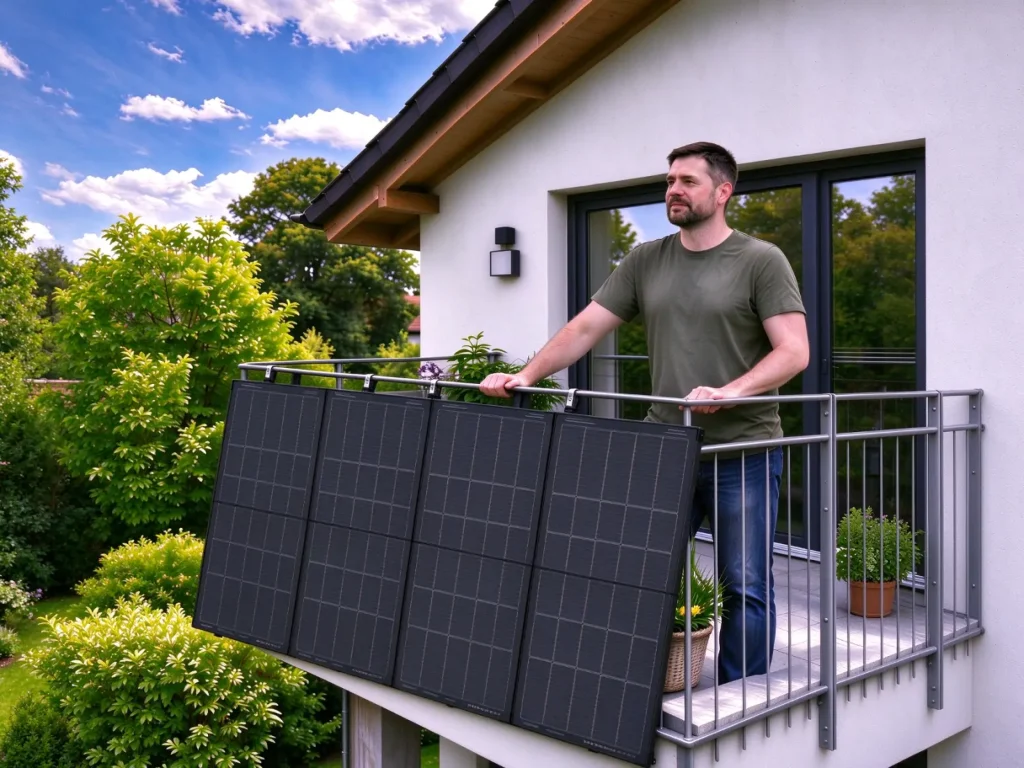
If you live in a flat in England, Scotland, Wales or Northern Ireland and want plug‑in balcony solar (also known as balcony PV or balcony power plant), safety and compliance are non‑negotiable. Many UK homeowners mistakenly assume that buying a UKCA‑certified balcony solar kit means it is safe and approved to fit on their balcony. Product certification does NOT replace a site‑specific safety assessment, landlord consent, or G98 grid notification.
This guide is written for flat owners, renters, installers and property managers across the UK. It covers structural loading, wind uplift, fire safety, electrical risks, working‑at‑height rules and the latest G98 plug‑in solar requirements aligned with HSE and London Fire Brigade guidance.
SummaryBalcony solar offers an affordable renewable energy solution for flat residents across the UK, yet strict safety and compliance rules must be followed. This guide explains wind load calculations, structural limits, fire regulations, G98 grid notification and working‑at‑height rules, with a practical checklist and FAQ to help homeowners, renters and installers avoid safety hazards and removal orders. Sourcing compliant hardware is critical; review wholesale solar‑panel solutions for UK‑ready balcony‑grade PV components.
Quick Answers
| Is balcony solar legal in UK flats? | Yes, it is legal if it meets G98, UKCA and lease safety rules; landlord or freeholder consent is still required. |
| Do I need G98 notification? | Yes, submit G98 notification to your DNO within 28 days after energising the system. |
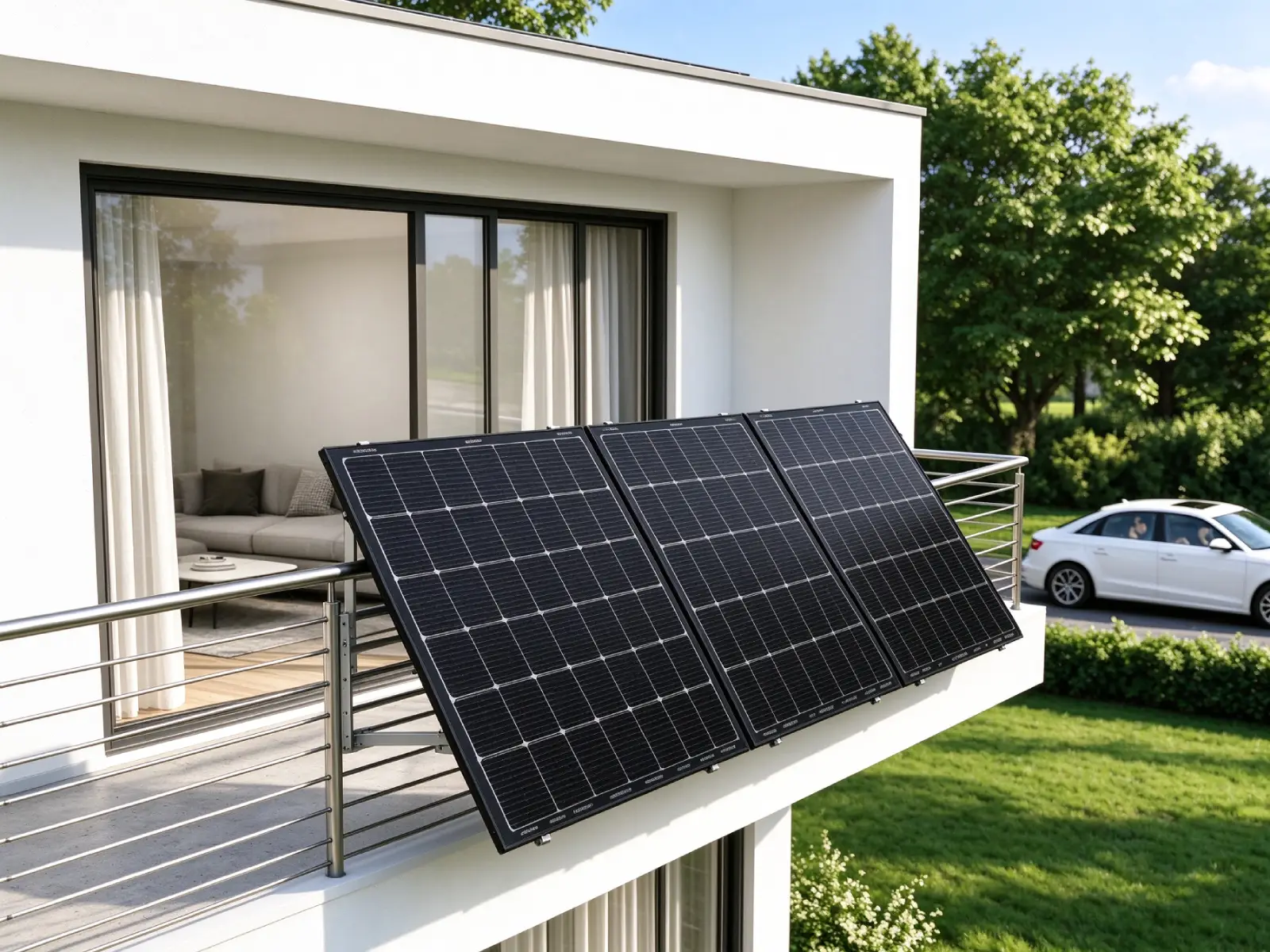
| Can I mount panels only on balcony railings? | Not recommended without a structural engineer wind load calculation; railing‑only mounting carries high failure risk during strong winds. Review the specs of the drill‑free balcony plug‑and‑play PV kit for alternative low‑risk mounting approaches. |
| Must fire escape routes stay clear? | Yes, panels and brackets must keep fire escape routes fully clear under Approved Document B. |
Who This UK Balcony Solar Safety Guide Is For
Balcony solar is popular for leasehold flats, rented apartments and multi‑storey blocks where rooftop solar is impossible. But safety rules differ from detached home rooftop PV:
- Leasehold flat owners in London, Manchester, Birmingham and other UK cities
- Renters checking whether they can fit plug‑in solar on their balcony
- PV installers offering balcony solar kits for the UK market, who may leverage OEM & ODM custom solar‑panel services for local‑market‑adapted hardware
- Freeholders, managing agents and building safety officers reviewing balcony solar applications
- Home insurance providers assessing balcony PV risk
Key regional note: Rules in Scotland, Wales and Northern Ireland differ slightly from England, especially building standards and local council planning checks. We flag these differences below.
Structural Safety & Wind Load Requirements (BS EN 1991‑1‑4)
The single biggest balcony solar failure risk in the UK is not electric shock — it is bracket failure under wind uplift. UK wind zones vary dramatically: coastal areas and high‑rise city balconies face far higher wind forces than low‑rise inland blocks.
Dead Load, Live Load & Wind Uplift Explained Simply
Your balcony slab must carry two types of load:
- Dead load: Permanent weight of panels, brackets, microinverters and cabling
- Wind uplift / suction load: This is the hidden danger. A tilted PV panel acts like a sail in UK storms. Even a lightweight 600W–800W balcony kit creates significant pull on fixings during gales.
UK standard reference: BS EN 1991‑1‑4 (wind actions on structures). Any permanent mounted balcony solar system on a high‑rise block should have a structural engineer’s calculation report. If you are evaluating non‑standard form‑factor panels, read the B2B sourcing guide for custom flexible solar panels for critical mechanical‑testing best‑practices.
❌ Common dangerous myth: “If the balcony railing can hold my weight, it can hold solar panels.” Railing handrails are designed for human leaning load, not repeated cyclic wind suction from PV modules. Clamping panels only to railings without engineer sign‑off is a frequent safety red flag for London and UK building managers.
Leasehold Flat Checks Before Mounting
Before buying or installing:
- Check your lease agreement and contact the freeholder / managing agent for written consent
- Ask the building manager for the balcony imposed load limit (typical minimum benchmark: 2.0 kN/m²)
- For listed buildings or homes inside conservation areas, confirm permitted development rules with your local council
- Northern Ireland and Scottish blocks often require additional building standards notification compared to England
Portable freestanding balcony solar (no drilling, no railing clamps) has lower structural risk but still needs wind stability checks for exposed high balconies.
Fire Safety Rules for Balcony PV in UK Blocks
Multi‑storey residential fire safety is strictly regulated under Approved Document B. London Fire Brigade has published specific warnings for solar PV on balconies: panels, cables and microinverters must not block escape routes or fire ventilation.
Non‑Negotiable Fire Rules
- Keep fire escape routes, balcony doors and smoke vents fully clear. Panels and brackets cannot reduce the usable escape width.
- Avoid mounting inverters, extension leads and junction boxes inside enclosed balcony storage spaces.
- Use fire‑rated, low‑smoke cabling suitable for external balcony use; cheap unrated DC cable is a major ignition risk.
- Do not stack flammable items (garden furniture, storage boxes) next to PV modules or microinverters.
- Firefighters need clear access. Overhanging brackets that project outwards may be refused by your building safety team.
Important regional difference: Scottish fire officer guidance puts stricter limits on outward‑protruding balcony equipment on tenement blocks.
Electrical Safety, Microinverters & G98 Notification
UK plug‑in balcony solar falls under G98 rules for microgeneration up to 16A per phase (3.68kW). Most standard balcony plug‑in kits sit under the widely accepted 800VA plug‑in limit.
What G98 Means For Balcony Solar Owners
- You must submit G98 notification within 28 days after energising the system
- The inverter must have valid anti‑islanding protection and be on the ENA type‑test register for UK plug‑in solar
- A compliant UKCA mark is required; imported continental balcony kits without UK G98 certification are not suitable for direct plug‑and‑play use in the UK
Wiring & Socket Safety
- Only use weatherproof IP‑rated external sockets if the plug is outdoors
- Check your home ring main and RCD protection (BS7671 wiring regulations)
- Do not daisy‑chain multiple balcony inverters on a single domestic socket
- Damaged DC cables, loose MC4 connectors and water ingress are common electrical fault points on balcony PV
Working At Height & Installation Safety (HSE Work at Height Regulations 2005)
HSE Work at Height Regulations apply to anyone fitting balcony solar on high floors, whether a professional installer or a DIY householder. Falls from height are the highest risk during installation and maintenance.
Safety rules for installers and DIY users:
- Never lean over balcony edges to attach brackets or modules
- Use fall restraint systems for high‑rise balcony installation
- Avoid installing during windy, icy or wet conditions
- Keep tools secured to prevent dropped objects onto lower balconies or public walkways below
- Renters and flat owners are strongly advised to use a competent PV installer rather than high‑risk DIY fitting on upper floors
Documentation You Must Keep On File
After installation, store these records for your freeholder, building manager, insurer and DNO:
- Engineer structural assessment / wind load calculation report (if required)
- Product certificates: UKCA, inverter G98 type test certificate
- Photos of fixings, cable routing and clear fire escape layout
- G98 DNO notification confirmation reference
- Installer competence paperwork (NICEIC / MCS where applicable)
- Written landlord / managing agent consent
Missing paperwork is the top reason balcony solar installations get ordered to be removed in UK apartment blocks.
Balcony Solar Safety Checklist
1. Pre-install checks
[ ] Confirm written consent from freeholder / managing agent / landlord
[ ] Check lease terms, conservation area or listed building restrictions with local council
[ ] Get structural engineer assessment for high-rise or railing-clamped mounts
[ ] Verify inverter is G98 registered and carries UKCA marking
[ ] Plan layout so panels never block fire escape or smoke vents
2. Mounting & wind safety
[ ] Brackets and fixings rated to BS EN 1991-1-4 UK wind zones
[ ] No reliance only on lightweight handrail clamps for high exposure balconies
[ ] All fasteners torqued to manufacturer specification, anti-corrosion fixings (galvanised / stainless steel)
3. Electrical safety
[ ] Weatherproof IP rated connections for outdoor balcony use
[ ] RCD protected circuit, no overloaded sockets
[ ] Cable routed away from sharp edges, heat sources and standing rainwater
4. Post-install & compliance
[ ] Submit G98 notification to your DNO within 28 days
[ ] Save all certificates, photos and consent letters
[ ] Schedule annual visual inspection of brackets, cables and microinverters
Most Common UK Balcony Solar Safety Mistakes to Avoid
- Buying a G98 kit and assuming automatic approval from landlord and building control
- Mounting heavy panels only onto thin balcony railings with no wind calculation
- Blocking fire escape space to fit more panels
- Using non‑UKCA imported microinverters without anti‑islanding protection
- Skipping G98 notification and DNO filing
- Leaving loose DC cables exposed where pets, children or weather can damage them
- Failing to inform home insurance about the new balcony PV system
Frequently Asked Questions
Q1: Is balcony solar legal in the UK?
A1: Yes, plug‑in balcony solar is legal in the UK when it meets G98, UKCA product rules and your building’s lease / safety requirements. Legality does not automatically mean your landlord or freeholder will approve it.
Q2: Do I need planning permission for balcony solar on my flat?
A2: Most small balcony PV falls under permitted development rights in England. Listed buildings, conservation areas, Wales, Scotland and Northern Ireland often require extra local council checks.
Q3: Can I fit balcony solar if I am a leaseholder?
A3: You will almost always need written consent from your freeholder or managing agent. Many blocks require the structural safety report before granting approval.
Q4: Does G98 approval mean my balcony installation is safe?
A4: No. G98 only covers grid connection safety, it does not validate balcony structure, wind load or building fire compliance.
Q5: Are balcony solar panels a fire risk on UK flats?
A5: Low risk if installed correctly with certified parts and clear escape routes. Poor cabling, blocked fire exits and cheap inverters create the main fire hazards.
Q6: What DNO do I notify for G98?
A6: Your DNO depends on your UK region (e.g. UKPN in London, SPEN in the North West). Find your network operator via Energy Networks Association.
Final Takeaway
Balcony solar is a great low‑cost renewable option for UK flat dwellers, but safety and compliance cannot be rushed. The safest balcony PV projects follow a simple order: consent → structural check → certified G98 hardware → safe installation → G98 notification → annual inspection.
If you are a UK installer or flat owner looking for balcony solar mounting hardware engineered for UK wind load and high‑rise safety, get in touch with our engineering team for site‑focused support for compliant balcony PV builds.
Get in touch with our engineering team for UK balcony solar mounting solutions designed to meet BS EN 1991‑1‑4 wind requirements and G98 plug‑in standards.
Related Posts
Customized Power Portable Solar Panel: Wattage, Voltage, and OEM Specs
Article Summary This guide explains how distributors, system integrators, and bulk buyers can specify Customized…

Flexible Solar Panel Maintenance: Cleaning, Inspection & Fault Diagnosis Guide
Flexible solar panel maintenance is usually straightforward, but the wrong cleaning method can create a…

Portable Solar Panels Factory: The B2B Guide to OEM & ODM Manufacturing
Quick Summary: If you are managing an outdoor brand, an emergency power station line, or…

Leave a Reply