

Solar Power Knowledge
Solar Panel Quotation Requirements: From Inquiry to Quote
 gaotu
gaotuWhy Every Specification Impacts Solar Panel Quotations
Your initial inquiry does not need to be perfect. However, more complete information allows suppliers to deliver quotations aligned with your actual procurement requirements faster.
| Required Information | What Suppliers Need To Know | How It Affects Quotation |
|---|---|---|
| Dimensions | Length, width, thickness, available mounting area, shape, installation space and cable outlet clearance. | Dimensions influence cell layout, power rating range, material consumption, packaging, installation methods and whether standard production formats can be applied. |
| Voltage | Nominal battery voltage, target operating voltage, open‑circuit voltage limits and input ranges for charge controllers, inverters or power stations. | Voltage determines electrical compatibility. Panels intended for 12 V battery systems, 24 V auxiliary systems, power stations or inverter inputs may require different technical reviews. |
| Cables & Connectors | Cable length, outlet position, polarity, connector type, plug compatibility, and whether cables require special outdoor, marine or heavy‑duty specifications. | Cable and connector selection impacts installation, voltage drop, system compatibility, packaging and clarity for after‑sales support. |
| Quantity | Sample quantity, initial order volume, expected repeat order size, and whether the project is for trials, distributor SKUs or OEM production. | Quantity drives discussions on MOQ, sample feasibility, material planning, production scheduling, packaging and commercial viability for custom work. |
| Application | RV, marine vessels, balcony setups, portable power stations, off‑grid systems, outdoor monitoring, vehicle rooftops, equipment integration or distributor resale. | Applications define design targets: weight durability, installation method, connectors, appearance, documentation and market readiness vary according to end‑use scenarios. |
Solar Panel Quoting Process: From Inquiry to Quotation
Solar panel suppliers ask for dimensions, voltage, cabling, quantity and application because quotations do not depend on power rating alone.
- Dimensions confirm physical fit and solar cell layout configurations.
- Voltage governs compatibility with batteries, charge controllers, inverters and power stations.
- Cable and connector specifications affect on‑site installation and system interoperability.
- Quantity governs sample options, minimum order quantities, production cycles and packaging arrangements.
- Application scenarios help suppliers identify primary design‑related risks upfront.
In short, these details determine whether suppliers quote standard models, modified off‑the‑shelf units or fully custom solar panel solutions.
Many solar panel inquiries start with a short request: “Please provide your best price.”
This is understandable. Buyers compare vendors, validate new product concepts or assess project budget feasibility. Price appears to be the fastest starting point.
Nevertheless, in B2B solar panel procurement, price can rarely be finalized first. Suppliers need context about mounting location, available physical space, target voltage/current, required cabling and connectors, and whether products will be sold via distribution channels.
Quotations can still be generated without full details, yet such quotes may not match your actual purchasing requirements.
What Information Is Required For A Valid Solar Panel Quotation?
Solar panel quotation requirements are project details suppliers need to prepare valid quotations, sample proposals and delivery scopes. Key items include application, power output, dimensions, voltage, cable‑connector design, quantity, target market, packaging and mandatory documentation.
- Standard rigid panels for simple off‑grid orders require relatively few parameters.
- Custom flexible panels for RVs, marine decks, portable power products, equipment enclosures or switchboards demand thorough review for reliable quoting.
Many early‑stage inquiries stall at this point. Buyers state a simple requirement: “I need a 100 W solar panel.” Meanwhile suppliers face multiple unanswered questions: dimensions, voltage rating, connector type, cable length, target market and end‑use application?
How Each Specification Influences Quotation Outcomes
Why Dimensions Define Build Feasibility
Dimensions cover far more than outer panel measurements. Suppliers require maximum length & width, thickness constraints, installation clearance, junction‑box allocation, cable exit position, and whether panels mount onto flat, curved or irregular surfaces.
For instance, a buyer may request a 100 W solar panel with limited mounting space. Suppliers must verify whether the target power is physically achievable within space constraints, if standard models fit, or if custom cell layouts are necessary.
For B2B projects, available physical space directly shapes product selection.
Why Voltage Determines System Compatibility
In solar inquiries, “voltage” carries multiple meanings. Buyers may reference 12 V or 24 V battery banks, while datasheets list operating voltage, open‑circuit voltage, peak‑power voltage and current values.
These parameters are not interchangeable. A panel labelled for 12 V battery charging often runs at higher operating voltage to properly charge batteries via matched controllers. Suppliers therefore need full system context instead of only battery nominal ratings.
Panels for battery charging require different electrical assessment compared with units for power stations, inverter inputs, low‑power loads or large‑scale system assemblies.
Why Cable & Connector Specifications Are Critical
Cabling requirements extend beyond attaching wires to junction boxes. Suppliers need distance from panels to controllers or loads, mating connector standards, cable exit points, plus environmental requirements including outdoor exposure, marine conditions, heat resistance and rugged handling.
- Long cable runs, low‑voltage systems or high‑current setups suffer more significant voltage drop compared to short wiring layouts.
- Multiple interconnected panels alter current profiles and connector performance requirements.
PV cables and connectors must match DC voltage ratings and installation environmental conditions.
- IEC 62930: Cables for photovoltaic systems with rated DC voltage up to 1.5 kV
- IEC 62852: Safety requirements and testing for DC connectors in PV systems
How Quantity Affects MOQ, Sample Costs & Lead Times
Order quantity clarifies whether an inquiry covers prototypes, small‑batch trials, distributor SKUs, private‑label goods or long‑term OEM supply agreements.
- For standard products, minimum order quantities and lead‑time agreements are straightforward.
- Custom solar panels require layout reviews, drawing confirmation, cabling design, packaging validation and sample testing before mass‑production planning.
Suppliers request sample volumes and projected production runs to evaluate custom‑design commercial feasibility, and separate sample‑related costs, mass‑production costs, packaging expenses and documentation fees within quotations.
How Application Defines Solar Panel Design Objectives
Application context delivers high‑value insight yet is frequently missing from initial inquiries.
| Application Scenario | Potential Design Challenges |
|---|---|
| RV / Camper Van | Limited rooftop space, lightweight build, vibration resistance, cable routing and compatibility with 12 V / 24 V battery banks. |
| Marine Use | Salt‑spray exposure, sealing performance, UV resistance, corrosion mitigation and cable protection. |
| Portable Power Kits | Foldable or compact form factors, connector interoperability, storage packaging and reusability. |
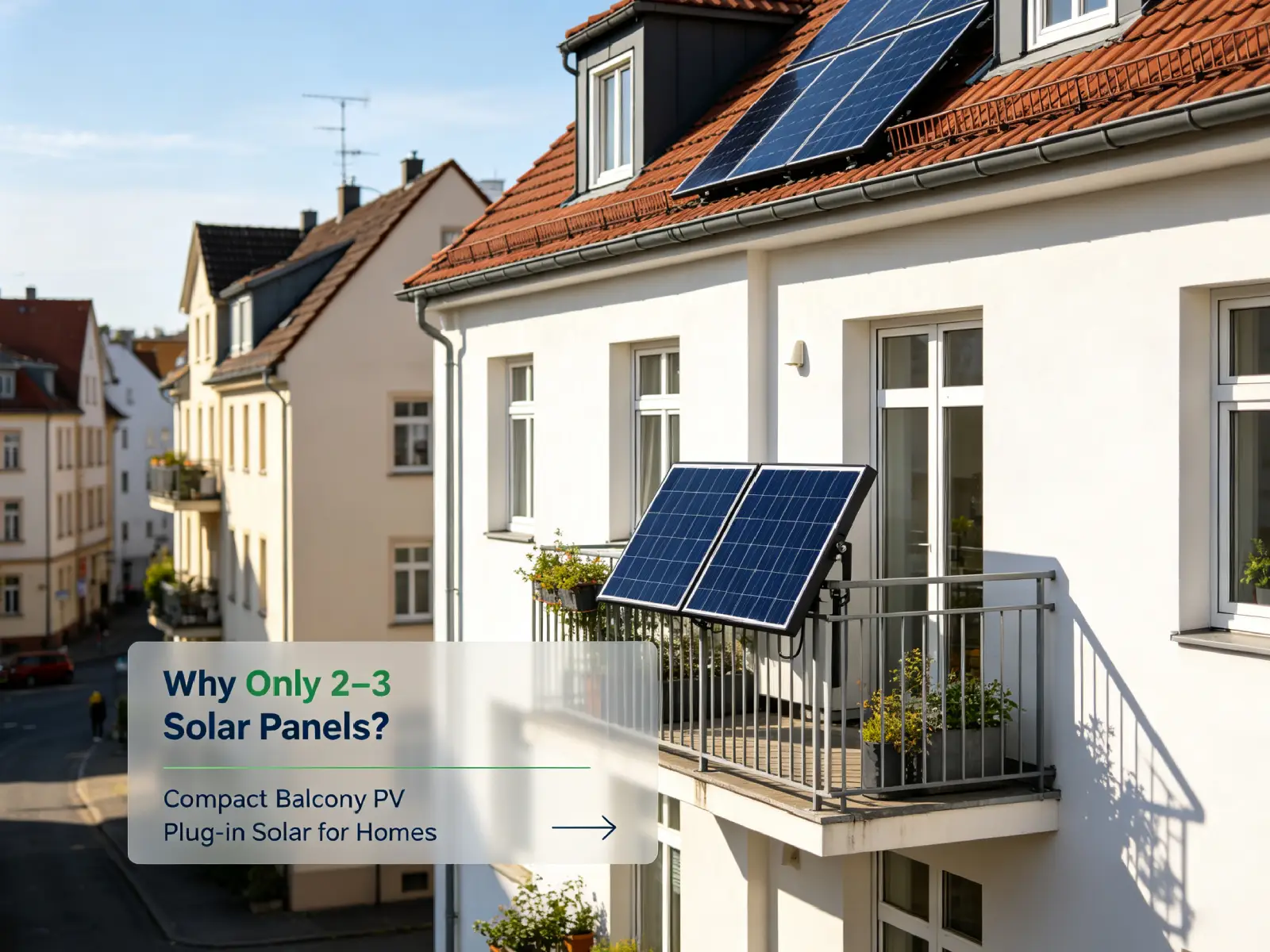
| Balcony / Apartment Installations | Light weight, aesthetic appearance, mounting boundaries, cable routing and market‑specific end‑user documentation. |
| Outdoor Monitoring & Equipment | Low‑load characteristics, battery charging capability, weather resistance, custom shapes and production repeatability. |
| Distributor / OEM Products | SKU consistency, labelling, user manuals, packaging, sample approval and repeat‑production controls. |
Application information tells suppliers which risks to prioritize. Without it, quotations remain incomplete.
Converting Solar Inquiries Into Formal Quotations
Supplier workflows are rarely limited to “receive inquiry → send quote”. A complete quoting workflow follows these key steps:
- Review target application and available installation space.
- Validate physical feasibility of requested dimensions and power output.
- Review electrical configurations for voltage, current and overall system compatibility.
- Finalise cabling plans including cable length, connector types, outlet positions and polarity.
- Confirm manufacturing requirements: custom shapes, surface materials, labelling, packaging and documentation.
- Compile commercial & technical quotations covering model ranges, sample roadmaps, volume‑based pricing, lead‑time assumptions and delivery terms.
Minimum Information Checklist For Solar Panel Buyers
Include the following items within your initial inquiry whenever feasible. State “unknown” for undecided parameters rather than forcing suppliers to guess.
- Target application and expected operating environment.
- Target power rating or daily energy generation requirement.
- Required panel dimensions, thickness constraints or available mounting space.
- Nominal battery or system operating voltage.
- Controller, inverter, power‑station or load input constraints (if known).
- Cable length, connector specification, cable outlet location and polarity requirements.
- Mounting method and surface type.
- Sample quantity and projected mass‑production order volume.
- Destination country or target sales market.
- Requirements for packaging, labelling, branding and compliance documentation.
Common Information Gaps That Delay Solar Panel Quotations
Slow quotation turnaround seldom stems from product complexity alone; incomplete input data is the primary cause:
- Buyers request “lowest price” without disclosing end‑use application.
- Power output is provided, yet available mounting dimensions are missing.
- Panels described as “for battery charging”, with no battery voltage, controller or power‑input details.
- Custom‑panel requests submitted without drawings, dimensions or reference samples.
- Certification requirements specified with no target‑country or sales‑channel context.
- Logo or packaging requests with no clarification whether goods serve retail, distributor stock or project deployments.
- Multiple‑supplier benchmarking while providing inconsistent requirement sets across vendors.
How Complete Inquiries Support Fair Distributor Vendor Comparison
For distributors, quotation phase is not only about securing lower pricing. It also validates whether competing quotes cover identical product scopes.
One supplier may quote bare panels only, while another includes custom cabling, retail packaging, labels, manuals and full documentation. Direct price comparison between them is invalid. Lower‑priced offers may omit critical components required for your sales channel.
Comprehensive inquiries enable fair side‑by‑side evaluation:
- Identify suppliers who actively raise relevant technical questions.
- Identify vendors supplying matching accessories and complete documentation packages.
- Identify partners guaranteeing consistency between prototype samples and mass‑produced goods.
When Standard Solar Panel Quotations Suffice
Customisation is not mandatory for every project. Standard models deliver speed and cost advantages when existing dimensions, common voltage ranges, off‑the‑shelf connectors and standard packaging satisfy requirements. This fits market validation tests, small‑batch trial orders and projects with flexible installation space.
Even with standard panels, always confirm exact model numbers, cabling & connectors, packaging, compliance documents, warranty terms and replacement policies. These details are especially critical for resale‑oriented distribution businesses.
Gaotuinnovition Support For Solar Panel Inquiries & Quotations
Gaotu innovition treats inquiry handling as the first technical‑clarification phase, especially for flexible solar panels, portable solar panels, RV & marine applications and B2B distributor projects.
Our objective goes beyond delivering a price figure. We assess whether customers require standard models, adapted standard units or fully custom engineered solutions.
For B2B clients, we review application scenarios, dimensions, power ratings, target voltage, cabling‑connector specifications, packaging needs, target markets and projected order roadmaps. These inputs minimise quotation discrepancies and streamline sample‑stage workflows.
Buyers sourcing portable power or complete kit solutions can review Gaotu innovition portable solar panel selections first, then submit inquiries together with connector, cabling and system‑input specifications.
Related Posts

Gaotu Smart Solar Outdoor Umbrella | Tap Into the Fast-Growing Outdoor Clean Energy Market
The outdoor sector booms with new opportunities; ordinary shade umbrellas lack distinction. Markets for backyard…

Portable Solar Panel Bulk Supply
As the global demand for off-grid power solutions continues to surge, portable solar panels have…
Top Reliable Solar Manufacturers: Contact Details for Wholesale Buyers
Global solar wholesalers, distributors and EPC contractors frequently struggle to source direct, official contact information…

Leave a Reply