

Solar Power Knowledge
Portable Solar Panel vs Fixed Solar Panel
 gaotu
gaotu1. Solar Panel Wholesale Market Overview
2. Core Differences Between Portable and Fixed Solar Panels
-
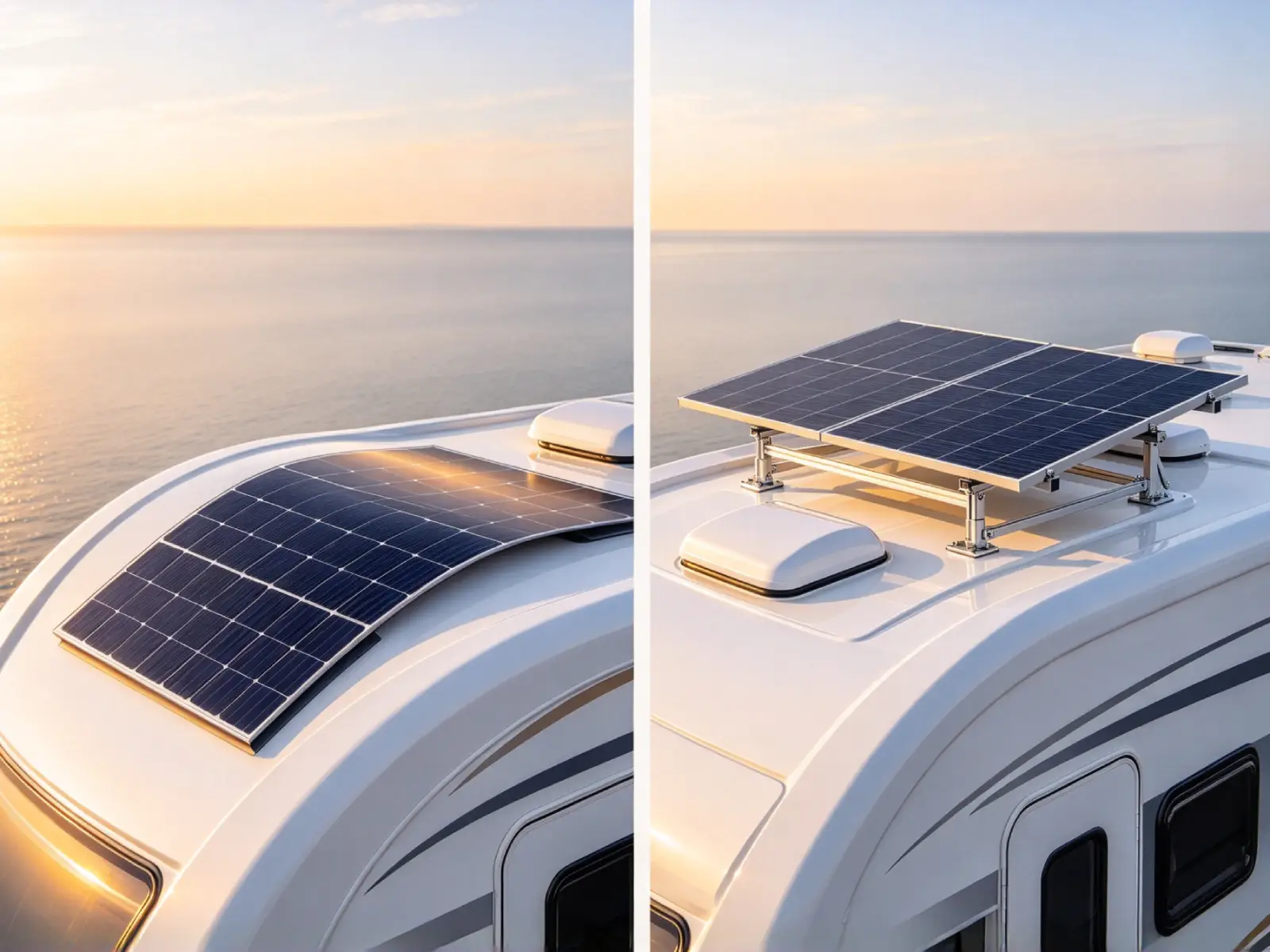
Portability & Installation: Portable solar panels are lightweight, foldable, and tool-free. Your customers can set them up anywhere, move them around, and reuse them for different outdoor or backup power needs. Fixed solar panels are permanently mounted on rooftops or ground racks. They cannot be relocated and require professional, certified installation and on-site setup.
-
Power Generation Efficiency: Fixed panels use premium monocrystalline cells and are installed at optimized angles, so they consistently produce higher and more stable power. Portable panels are built for mobility first. To stay lightweight and compact, they sacrifice a small amount of efficiency, resulting in less consistent power output.
-
Service Life & Durability: Standard fixed solar panels are built for long-term outdoor exposure. They resist wind, rain, and corrosion, with a typical lifespan of 25 to 30 years. Portable panels take constant folding, moving, and outdoor wear. In real field use, they usually last 3 to 8 years.
-
Common Use Cases: Portable panels are perfect for camping, overlanding, RVs, off-grid cabins, job-site power, and emergency backup situations. Fixed panels are designed for permanent residential power, commercial building systems, grid-tied homes, and long-term energy retrofit projects.
-
Logistics, Cost & After-Sales (Key Wholesale Difference): Portable panels fold flat and stack tight. They maximize container space, lower shipping costs, and barely cause transit damage. Best of all, they need zero technical support, which means fewer customer complaints and almost no warranty headaches for wholesalers. Fixed panels are bulky, rigid, and easy to damage during shipping. They need professional installation, system commissioning, and ongoing technical support — making them only suitable for large project orders instead of regular retail stocking.
3. Portable vs Fixed Solar Panels: Pros and Cons for Wholesalers
3.1 Pros and Cons of Portable Solar Panels (For Resale & Stocking)
-
Extremely versatile. They fit nearly every outdoor, off-grid, and emergency power scenario, with steady global market demand year-round.
-
True plug-and-play use. No installation required, which drastically reduces post-purchase support and customer issues.
-
Compact and foldable design saves warehouse space and cuts down both local storage and international shipping expenses.
-
Wholesale Benefits: Flexible MOQs allow low-risk trial orders and mixed inventory stocking. They sell well across Amazon, independent stores, social commerce, and physical outdoor shops. Thanks to the huge global audience for camping, RV travel, and overlanding, these panels sell fast and keep your cash flow steady.
-
Lower power efficiency. Output changes based on sunlight angle and weather, so performance is not always stable.
-
Shorter lifespan. Flexible surface materials wear out faster with frequent folding and outdoor use.
-
Wholesale Drawbacks: Per-unit profit is relatively low, so revenue depends on sales volume. The market is saturated with cheap generic products, so you need reliable quality and unique features to stand out. They are also not suitable for large government or grid-tied project tenders.
3.2 Pros and Cons of Fixed Solar Panels (For Projects & Bulk Contracts)
-
Consistently high power conversion efficiency, delivering stable long-term power for homes and commercial buildings.
-
Industrial-grade build quality ensures very low failure rates and decades of reliable operation.
-
Wholesale Benefits: Residential rooftop systems, commercial renovations, and municipal energy projects bring high-value, repeat contract orders. These large deals offer much higher profit margins than retail goods.
-
Excellent UV and weather resistance, maintaining stable performance through all seasonal and extreme weather changes.
-
Completely fixed after installation. They cannot be moved, so they never fit temporary or mobile power scenarios.
-
High upfront investment. Projects often require custom system design, grid connection setup, and customer financing solutions.
-
Wholesale Drawbacks: High entry barriers for new distributors. You need certified installation partners, technical teams, and full warranty support. Inventory takes massive warehouse space, shipping damage is common, and project cycles are long — slowing down your capital turnover, which is not ideal for small or asset-light businesses.
4. Wholesaler Buying Guide: Which One Sells Better?
4.1 You Should Stock Portable Solar Panels If:
-
You run a small-to-medium distribution business focusing on outdoor goods and cross-border retail.
-
You don’t have large warehouses or dedicated technical support teams and prefer low-risk, low-return-rate products.
-
You serve global consumer markets with strong demand for outdoor activities, RV lifestyles, and off-grid power solutions.
-
You’re a newer wholesaler looking for flexible orders, low capital pressure, and fast market expansion.
4.2 You Should Focus on Fixed Solar Panels If:
-
You have stable connections in residential solar installation, commercial construction, and municipal project bidding.
-
Your company holds formal solar industry qualifications and offers full installation, design, and after-sales maintenance services.
-
You prioritize high-margin project contracts instead of small-batch retail sales.
-
You have large-scale warehousing, freight insurance support, and enough working capital for long-cycle project cooperation.
5. Frequently Asked Questions (For Wholesale Distributors)
6. Conclusion
After comparing the difference between portable and fixed solar panels and reviewing the full portable solar panel vs fixed solar panel pros and cons, it’s clear that both product lines serve completely separate market segments. Neither is universally better. Portable solar panels are the ideal low-risk, fast-turn option for consumer-focused wholesale businesses. Fixed solar panels are high-value, long-term products built for professional solar contractors and project-based cooperation. As a wholesaler, you can finally determine which is better portable or fixed solar panels by evaluating your own sales channels, operational strength, and target customers — helping you build a balanced, low-risk, high-profit solar product lineup. If you plan to add portable solar panels to your product portfolio, get custom wholesale solutions directly from the factory at https://www.gtpowsolar.com/.
Related Posts
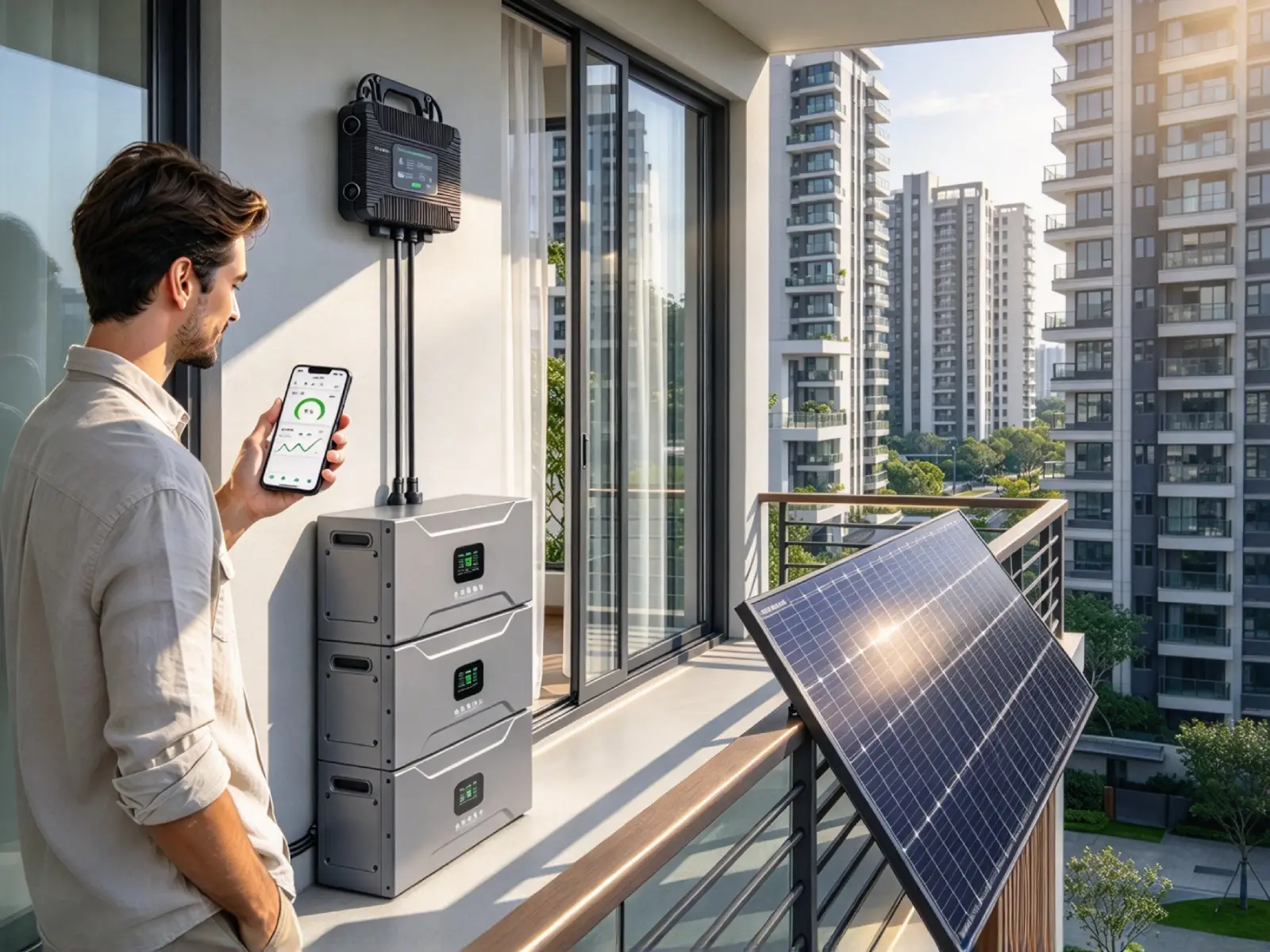
Solar Market Trends:The Data-Driven Rise of Plug-and-Play Balcony Solar
Plug-and-play balcony solarhas rapidly evolved from a European niche product into a mainstream growth segment…

How to Charge an E-Bike with Solar Panels
Never connect a solar panel directly to an e-bike battery. This will not work…
Commercial Solar Rooftop Installation Cost: A Complete Guide for Business Owners
Summary: Written for factory, warehouse and office building owners, this guide breaks down the cost…
Leave a Reply