

Solar Power Knowledge
Plug‑In Solar Panels: Are Balcony Solar Kits Worth It?
 gaotu
gaotu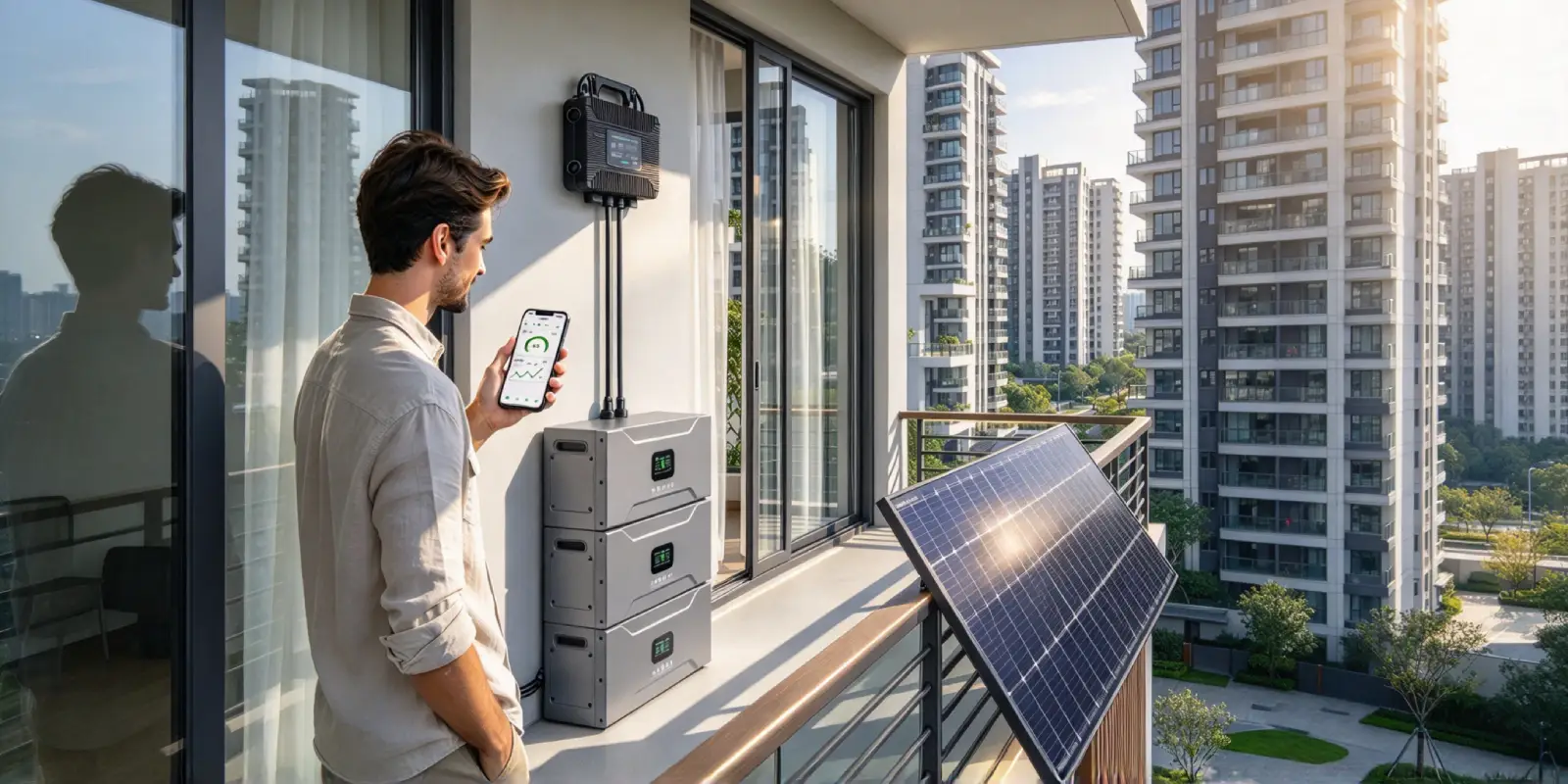
Plug‑In Solar Panels: Are They Worth It?
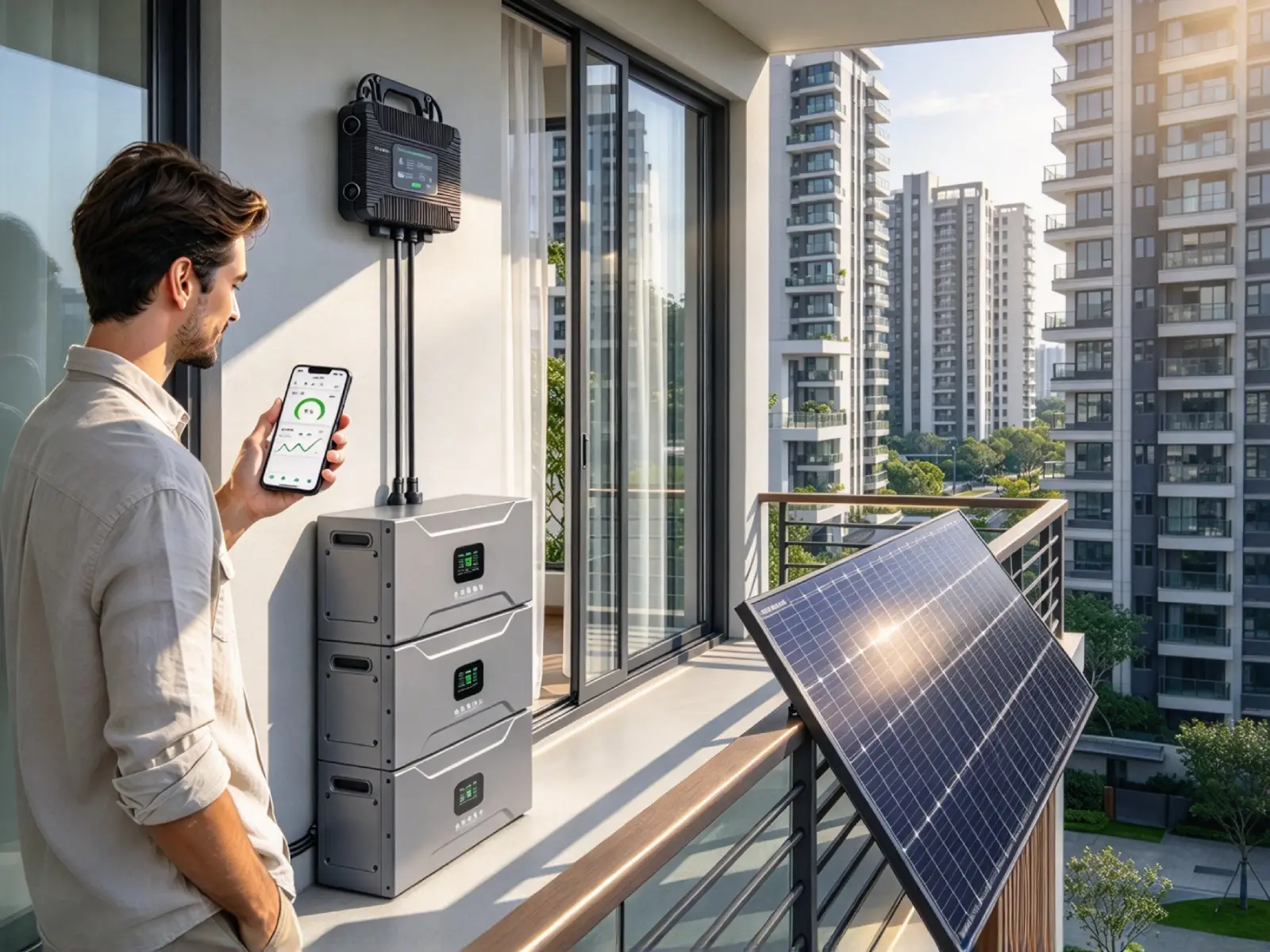
Balcony Solar Kits, also known as plug-in solar panels or Balkonkraftwerk, are growing fast for renters, apartment dwellers, small homeowners and solar resellers. But are these plug-in balcony solar kits really worth buying?
Quick Answer
Plug-in solar kits make the most sense only when your installation setup and electricity consumption habits match the limits of the system.
They work best when you can use the solar power right away during the daytime.
If your balcony is heavily shaded, you rarely use electricity at home during the day, or local regulations ban balcony solar, this solution is probably not a good fit.
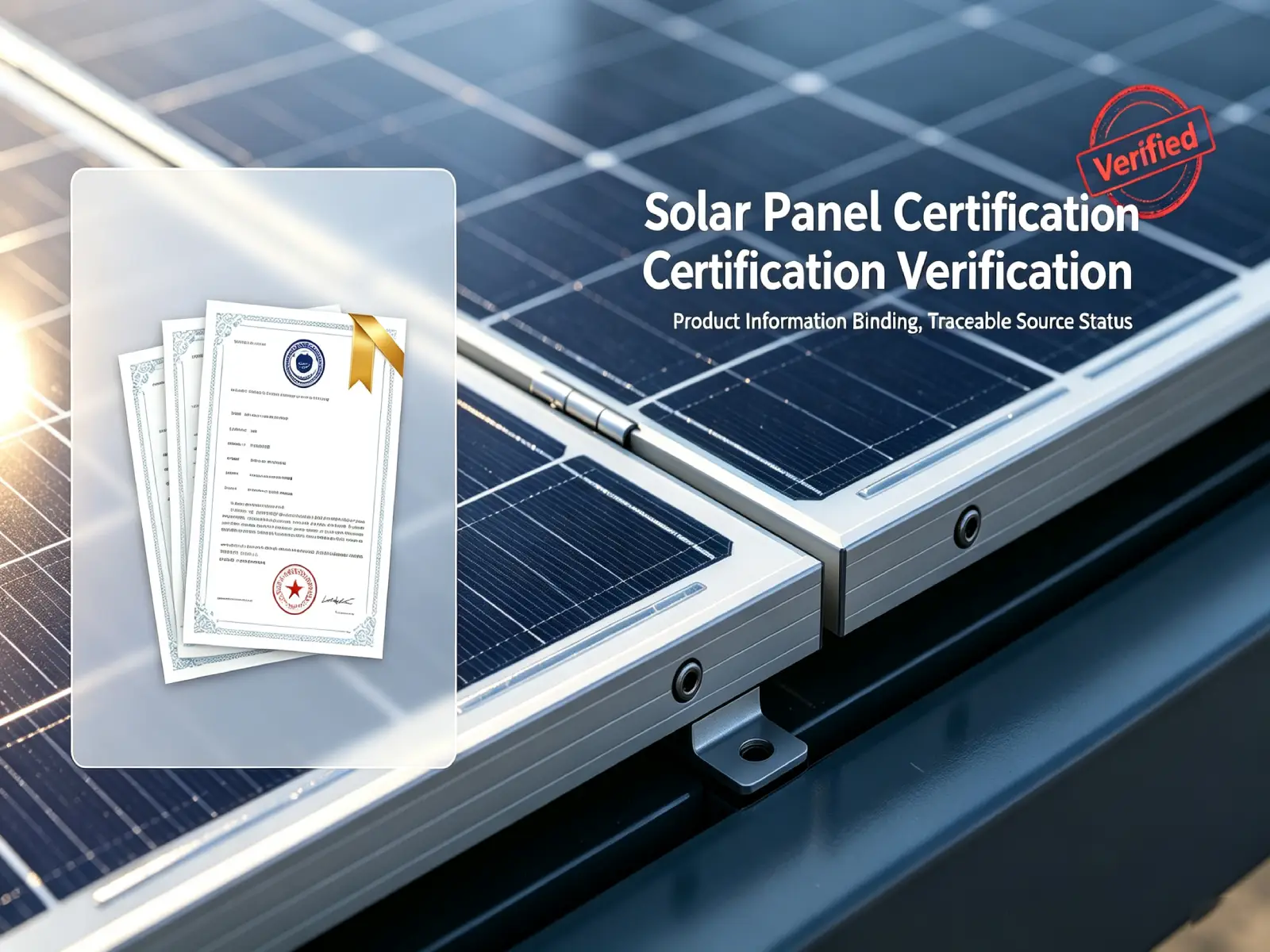
For resellers and private-label brands: treat this as a complete system, not just a solar panel with a cable. Missing certifications, unclear compatibility or incomplete documentation can lead to costly returns and compliance risks.
What are plug-in solar panels?
Plug-in solar panels generate direct current (DC) from sunlight. A compatible microinverter converts DC into alternating current (AC). The AC power then feeds into your household circuit following approved local connection rules.
Workflow:
Solar panel → Microinverter → Approved home wiring → Daytime electrical loads
Optional battery storage can store surplus solar energy for later use. Adding batteries brings extra hardware cost and stricter compliance requirements, so batteries are not mandatory.
The final configuration depends heavily on local grid rules, microinverter certifications, plug types, export limits, mounting location, and whether it connects to the grid or a portable power station.
One important thing: a plug-in kit is a small integrated system, not merely a solar panel with wires.
How much can you save?
There is no fixed saving number that applies everywhere.
Your annual savings = self-consumed solar energy × local electricity price
Payback period = Total kit cost ÷ Annual electricity savings
Your actual savings depend on many variables: hours of sunlight, shading, panel orientation, how much power you consume while the sun is shining, local electricity rates, and the full cost of the whole kit.
The biggest secret of balcony solar: self-consumption is everything.
If you are home and running appliances during the day, you directly offset grid electricity. If no one is home in daytime, most generated power flows back to the grid. Many regions pay very little for exported power, so your return drops sharply.
What is included in the full cost?
Panel price alone does not tell the whole story. When comparing quotes, evaluate the full turnkey package.
| Cost Item | What to check in your quotation |
|---|---|
| Solar modules | Rated power, dimensions, weight, surface material, cable quantity & position |
| Microinverter & power electronics | Input range, rated AC output, grid compatibility, certifications, monitoring, export limits |
| Mounting hardware | Brackets for balcony rail, wall or ground installation. Wind load & structural safety considerations |
| Cables, connectors & plugs | Cable length, weather resistance, connector type, polarity, local plug standard |
| Installation & compliance | Local registration, inspections, utility notifications and electrical approvals required by target market |
| After-sales support | User manual, warning labels, troubleshooting guide, warranty, spare parts and customer service |
Low-cost panels do not always equal a cheaper overall project. Incomplete documentation or unknown compatibility may trigger compliance issues, installation headaches and product returns.
For full system details and specs, check out our plug-in balcony solar kits.
Who should consider plug-in solar kits?
| Buyer Type | When it is suitable | Key checks before buying |
|---|---|---|
| Renters | No roof access, and removable balcony/terrace installation is permitted | Confirm landlord approval, building rules and local laws |
| Apartment residents | Good sunlight, safe balcony space and daytime power consumption | Check railing strength, wind exposure, shading and connection codes |
| Small homeowners | Want to test solar before investing in large rooftop PV | Do NOT treat balcony kits as replacement for full rooftop solar |
| Retailers & kit brands | Can supply full packages with clear manuals, labels and market-specific paperwork | Test compatibility of panels, microinverters, brackets, cables and plugs as one whole set |
Who should skip balcony plug-in solar?
- Balcony heavily shaded most of the day
- Weak balcony railing, cannot meet wind-load safety requirements
- You are almost never home during daytime, low self-consumption
- Expecting it to fully replace rooftop solar and power the entire house
- Local codes prohibit grid-tied plug-in solar systems
How plug-in solar works
Sunlight hits solar modules and creates DC electricity. The paired microinverter converts DC to AC power. After proper connection, the generated power supplies your home appliances directly.
You can add battery storage optionally to save power for night use. But batteries add extra product cost and new compliance obligations.
Rules change by country, state and utility provider. A kit approved for one market may need different certifications or permits for another market. Never rely on generic online guides for local legal requirements.
For US installations: requirements vary by state and utility company. Microinverters and grid interconnection devices usually need standards such as UL 1741. Always confirm current local rules with certified installers or utility companies.
For Europe: Balkonkraftwerk regulations differ widely country by country. Registration, power caps, building codes and connection rules must follow the latest official local guidance.
Plug-in balcony solar vs other solar options
| Solution | Best for | Main limitations |
|---|---|---|
| Plug-in balcony solar | Renters & apartment owners | Limited maximum power, subject to local grid rules |
| Rooftop grid solar | Homeowners with full roof access | High upfront cost, formal permit & construction work |
| Portable solar generator | Camping, off-grid emergency use | Not designed to offset regular household grid power |
| Balcony solar with battery | Want to use stored solar power after sunset | Higher cost, extra compliance and safety requirements |
FAQ
Q: How long will it take to get my money back?
There is no universal payback time. It is determined by local electricity price, sun exposure and your daytime power usage. High electricity prices + high self-consumption = faster payback.
Q: Can balcony solar run all my home appliances?
No. It is limited power output. It can offset part of your daytime consumption but cannot fully replace grid supply or large rooftop solar systems.
Q: Do I need a battery?
Not required. Batteries are optional upgrades for evening use, with higher cost and extra regulatory checks.
Q: Is plug-in solar safe?
When you use certified components and follow local installation rules, it is safe. Mixing uncertified parts or ignoring electrical codes creates fire and grid risks.
Q: I’m a reseller. What should I verify before selling these kits?
Check target-market regulations, component compatibility, all certifications, labels, user documentation, plug standards and wind-load safety. Do not claim one kit is legal everywhere.
Ready to explore balcony solar solutions?
Gaotu Innovation supplies high-performance balcony solar panels and customized components for plug-in solar kits.
We support OEM & private label orders for retailers and kit builders worldwide.
Note: Gaotu Innovation provides solar panels only. Microinverters, local registration, permits and grid compliance remain the responsibility of buyers/installers.
Contact our team to get specifications, datasheets and wholesale pricing.
Related Posts
Custom Flexible Solar Panels: How to Avoid Costly Sourcing Mistakes
Why Custom, Not Off‑the‑Shelf? When standard panels don’t fit your project, custom flexible solar panels are the…

Hidden Costs to Avoid When Buying Solar Panels in Bulk
Article Summary Many B2B solar buyers only compare factory FOB per-watt pricing and overlook a…
How to Choose the Best Solar Panel for Camping (2026 Complete Guide)
Camping allows people to escape busy urban life and immerse themselves in nature. However, dead…

Leave a Reply