

Solar Power Knowledge
How to Order OEM & ODM Portable Solar Panels: Complete Sourcing Checklist
 gaotu
gaotuExecutive Summary: Sourcing off‑grid solar products involves far more than just solar cell efficiency. For wholesale distributors, outdoor brands, and engineering contractors, turning a concept into market‑ready customized stock calls for a well‑defined technical workflow. This step‑by‑step procurement guide cuts through industry guesswork. It clarifies key differences between OEM and ODM projects, shares an actionable sourcing checklist, and highlights critical manufacturing mistakes to protect your budget and production lead‑times.
📌 Actionable Procurement Snapshot
- OEM vs. ODM: OEM fits projects where you provide complete engineering drawings; ODM leverages the factory’s existing R&D base model with custom branding and minor modifications.
- Core Workflow: Never skip drawing review and physical prototype validation before approving mass‑production.
- Compliance First: Specify target‑market certifications (CE, RoHS, UKCA etc.) upfront to avoid customs holds and cargo seizures.
1. Defining Your Blueprint: OEM vs. ODM for Portable Solar Panels
Before signing a manufacturing contract, your engineering and purchasing teams need to decide whether to pursue OEM (Original Equipment Manufacturing) or ODM (Original Design Manufacturing).
The OEM Approach (Original Equipment Manufacturing)
Choose OEM if your in‑house designers and engineers have finished a unique product with fixed dimensions and proprietary internal circuitry. The factory works purely as your production extension, turning your CAD files, cell layouts and BOM into finished hardware.
The ODM Approach (Original Design Manufacturing)
Pick ODM to launch differentiated products faster with lower upfront R&D and mold investment. You select a proven existing base model from our catalog — such as a folding portable solar kit — then apply private‑label customizations: brand logo printing, custom fabric, adjusted wiring and upgraded surface encapsulation materials.
2. Step‑by‑Step Custom Solar Manufacturing Pipeline
Reliable solar manufacturers run production through clear milestone checkpoints to guarantee consistent quality across large‑volume orders.
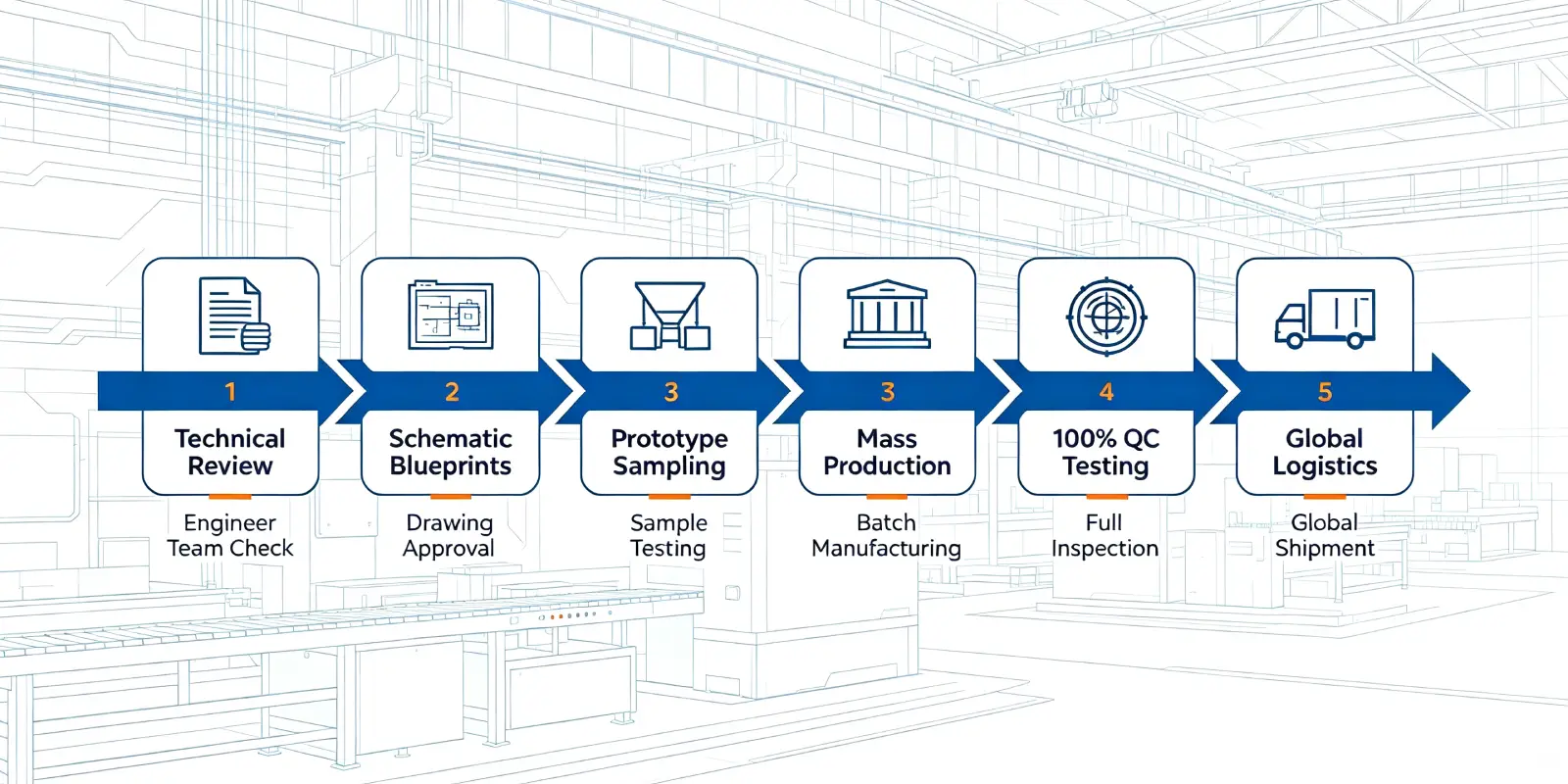
- Technical Review & Alignment: Factory engineers evaluate your requirements including wattage, target voltage, physical size and connector types to confirm manufacturability.
- Schematic Blueprinting: Our engineering team delivers formal 2D / 3D drawings covering cell layout, wiring paths and mechanical tolerances for your written approval.
- Prototype Verification & Sampling: Physical pre‑production samples are built. Your team can test real‑world performance: open‑circuit voltage, short‑circuit current, waterproof rating and mechanical durability.
- Mass Production Deployment: After sample approval and deposit received, raw materials (high‑grade monocrystalline cells, premium ETFE films) are sourced and automated assembly begins.
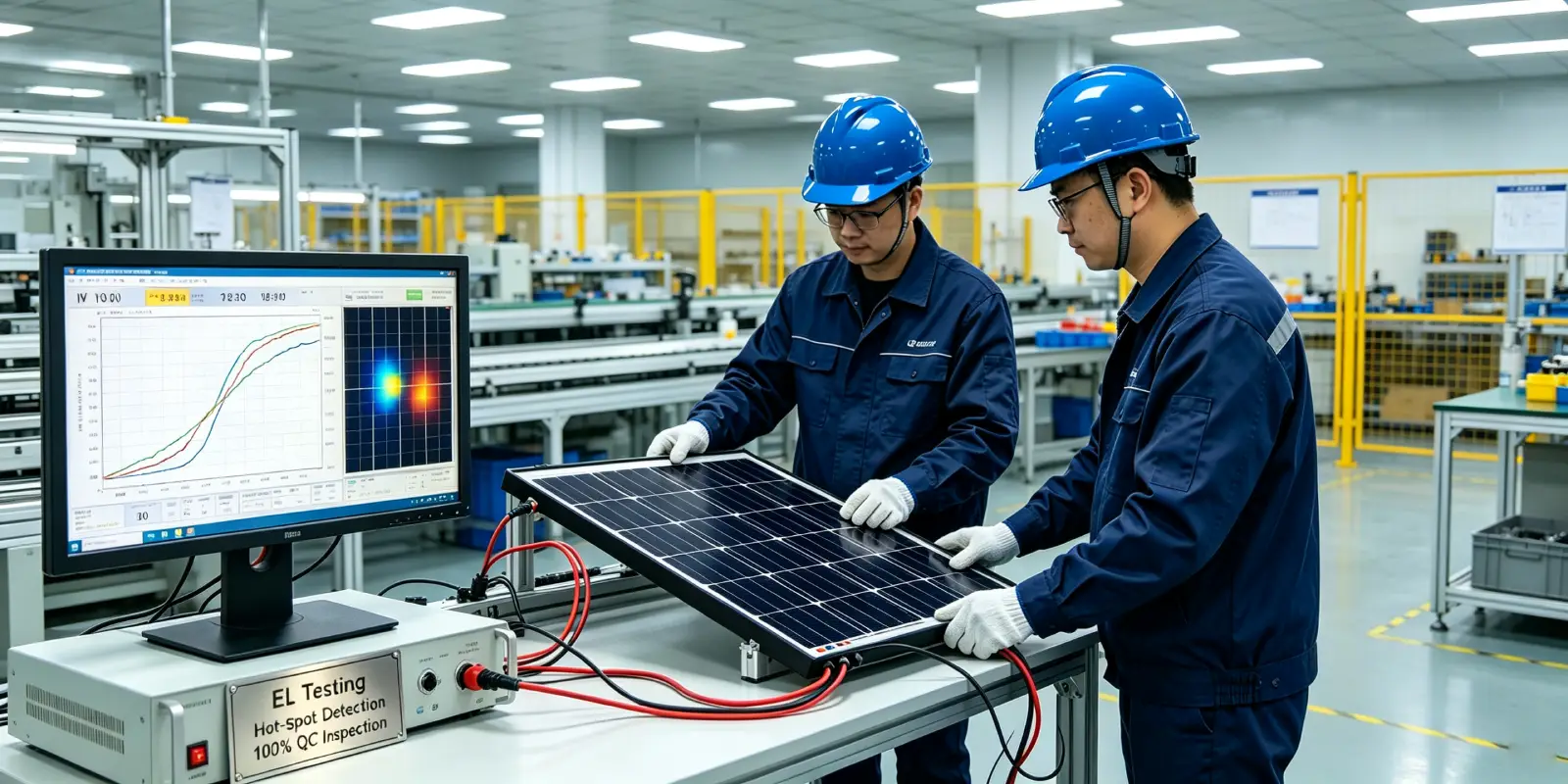
- Quality Control & Testing: Every batch goes through 100% EL (Electroluminescence) flash testing to detect hidden micro‑cracks plus automated water‑resistance testing.
- Logistics Fulfillment: Units are packed into drop‑tested custom inner boxes and reinforced pallets with correct shipping marks for sea freight, air freight or direct delivery to fulfillment centers.
💡 Engineering Guide: If you are still finalizing your procurement specifications, read our full technical guide about custom portable solar panel solutions. It covers material options, use‑case tuning and layout parameters for B2B buyers.
3. The Ultimate B2B Solar Sourcing Checklist
Go through this checklist before sending out your formal RFQ (Request for Quotation) to prevent miscommunication with solar suppliers:
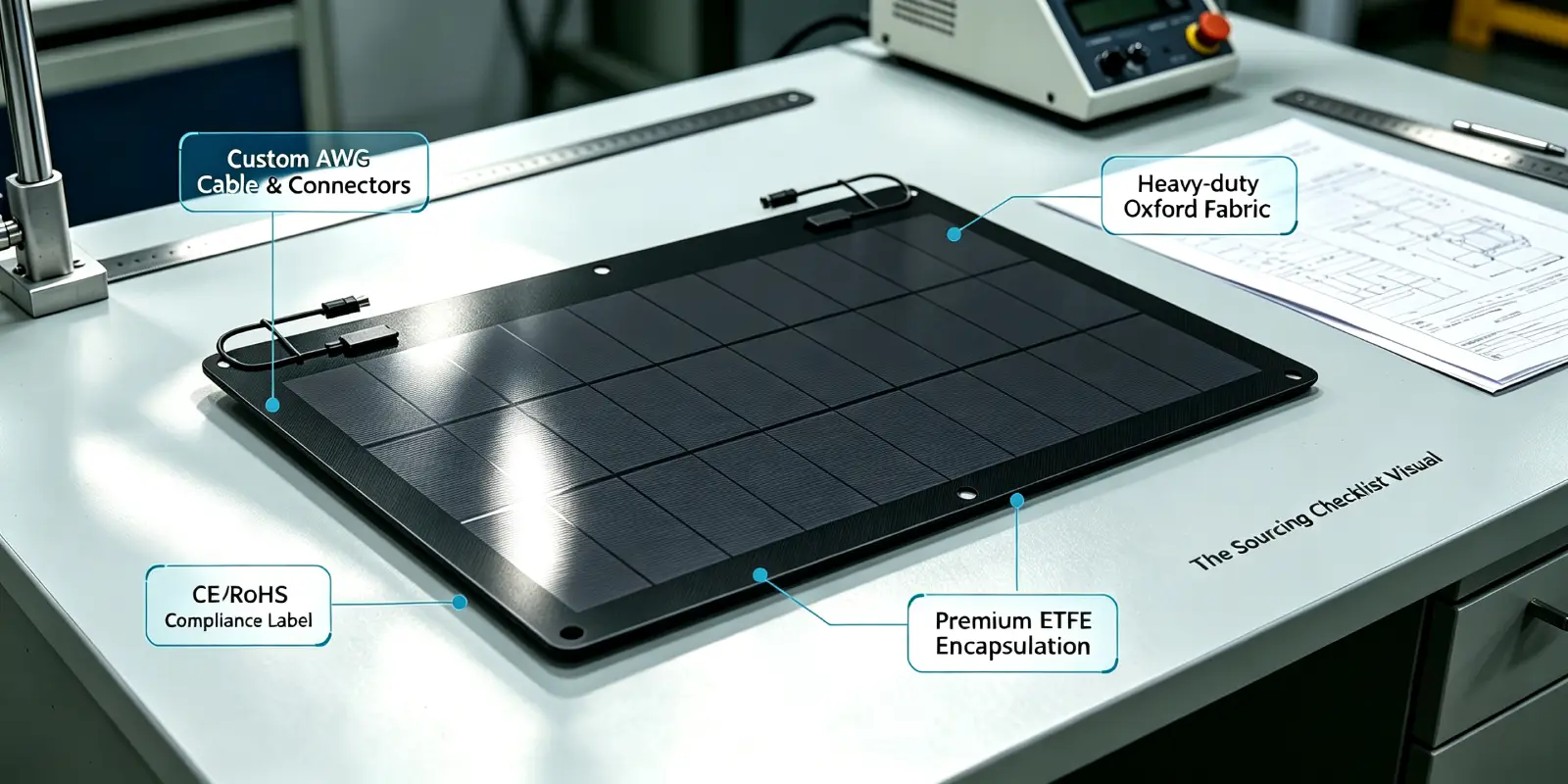
- Electrical Parameters: Target wattage (100W, 200W, 400W+), open‑circuit voltage (Voc) and current ratings matched to your battery or portable power station.
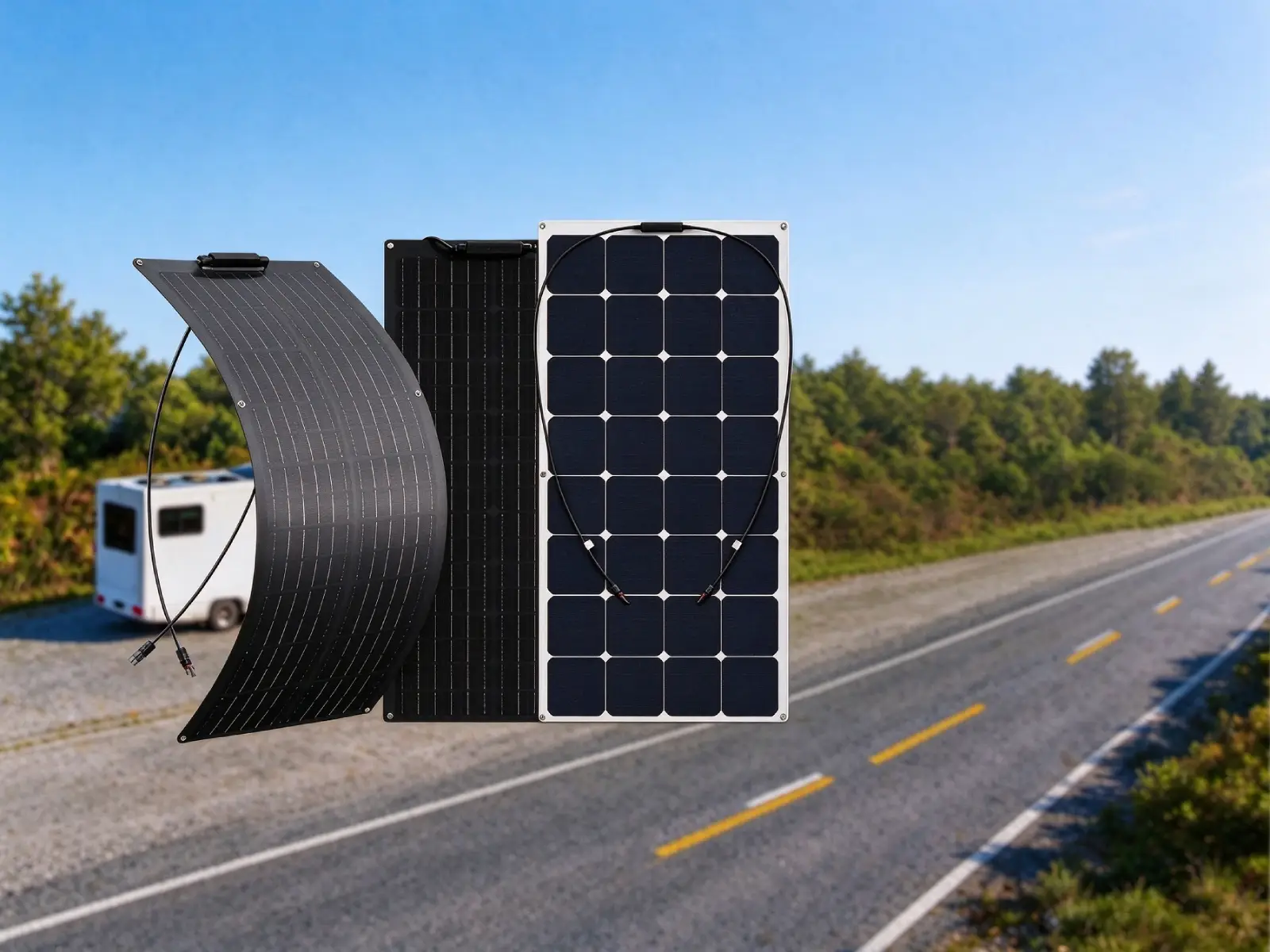
- Mechanical Form Factor: Choose between low‑profile flexible panels or portable fabric‑covered folding solar kits. If you are unsure which design fits your project, read our comparison: flexible vs foldable portable solar panels.
- Surface & Encapsulation Material: Standard PET/TPE for cost‑focused retail lines; premium UV‑stable ETFE for long‑life industrial and marine applications.
- Branding Execution: High‑resolution vector files (AI, SVG) for screen printing, laser engraving or logo embroidery on fabric surfaces.
- Wiring & Connections: Cable AWG gauge, custom cable lengths and heavy‑duty waterproof connectors (MC4, Anderson, DC, XT60).
- Regulatory Compliance: Required import certificates for your target markets (CE, RoHS, FCC, UKCA).
4. Common Pitfalls to Avoid in Custom Solar Procurement
Custom solar manufacturing comes with typical risks. Watch for these well‑known industry mistakes to keep your project on track:
Blindly Chasing the Lowest Price‑Per‑Watt
Extremely cheap quotes often hide compromised component quality. Low‑tier manufacturers may use B‑grade cells prone to hot‑spots or low‑quality PET layers that yellow and peel quickly. Balance unit cost against long‑term field reliability to protect your brand reputation.
Misunderstanding MOQ Constraints
MOQ requirements stem from material setup and production line change‑over costs, not arbitrary factory rules. Adding a logo to an existing panel usually has low barriers. Resizing panels or building new injection molds causes significant line downtime. To learn more, review our article about custom solar panel moq drivers.
Skipping Valid Compliance Documentation
Missing or outdated certificates can result in full‑container customs detention. Require your manufacturer to provide valid third‑party test reports matching the legal requirements of your destination country from the very start.
5. Partner with a Trusted OEM/ODM Solar Manufacturer
Managing a contract for OEM portable solar panels requires clear technical transparency. As a vertically integrated factory focused on off‑grid solar hardware, we support global B2B customers to reduce sourcing risk from initial concept all the way to large‑volume worldwide shipments.
Related Posts
Reliable Solar Panel Wholesale After-Sales Solutions for Global Distributors
In the portable solar panel wholesale and cross-border distribution industry, product quality and competitive pricing…

How to Verify Solar Panel Supplier Certifications: UL, IEC, TÜV Checklist
Core Summary A supplier’s claim of “we hold IEC certification” means nothing unless you verify…
Customized Power Portable Solar Panel: Wattage, Voltage, and OEM Specs
Article Summary This guide explains how distributors, system integrators, and bulk buyers can specify Customized…


Leave a Reply