

Solar Power Knowledge
Custom Portable Solar Panel MOQ, Lead Time & Cost
 gaotu
gaotuExecutive Summary: For wholesale distributors, e‑commerce brand owners, and project procurement managers, balancing structural customization against capital overhead is a constant challenge. When transitioning from off‑the‑shelf inventory to a bespoke hardware line, three questions dominate the initial technical review: What is the minimum order volume? How long until shipping? and How does deep engineering affect the per‑unit invoice? This financial and operational breakdown provides transparent answers to help you plan your supply chain timeline and budget accurately.
📌 Financial & Timeline Snapshot
- MOQ Tiers: Surface private labeling (logos) supports low, flexible thresholds, while deep structural size cutting and unique cell layouts demand higher initial volume commitments.
- Turnaround Cadence: Expect 3 to 7 working days for functional engineering prototypes, followed by 15 to 25 working days for full assembly line mass production.
- Cost Efficiency: Upfront tooling and custom cell cutting carry development costs, but bulk production runs significantly reduce per‑unit factory overhead.
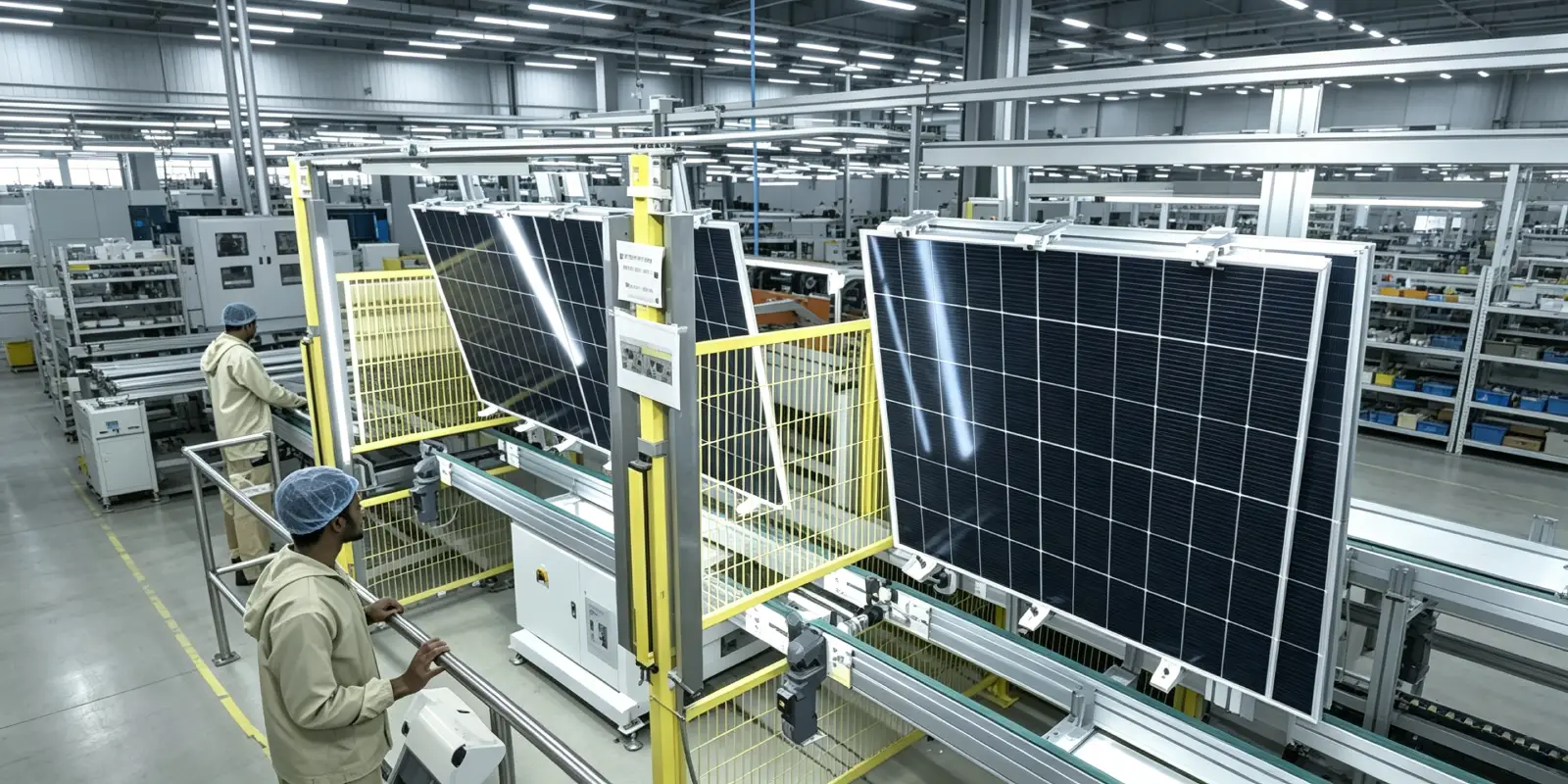
1. What Dictates Factory MOQ for Custom Solar Panel Projects?
A common misconception is that Minimum Order Quantities (MOQs) are arbitrary figures set by factory sales teams. In reality, a custom solar panel moq is dictated strictly by raw material supply chains and automated assembly line configuration downtime.
Tier 1: Private Labeling & Surface Branding (Low MOQ)
If your project relies on our factory’s existing structural dimensions, footprints, and voltage profiles, but simply requires your brand logo and customized retail packaging, the manufacturing friction is low. Applying a logo via high‑definition laser engraving or silk screening allows us to offer flexible, small‑batch options ideal for startup brand testing.
Tier 2: Technical & Structural Modifications (High MOQ)
The operational framework changes when you require unique dimensional adjustments, custom cell cutting strings, proprietary output PCB circuitry, or completely new plastic injection molds. Halting an automated high‑volume production line to recalibrate laser cutters and lamination trays creates significant down‑time overhead. Therefore, structural modifications require higher volume commitments to absorb these line‑setup costs.
2. Production Timeline Breakdown: From Blueprint to Shipping
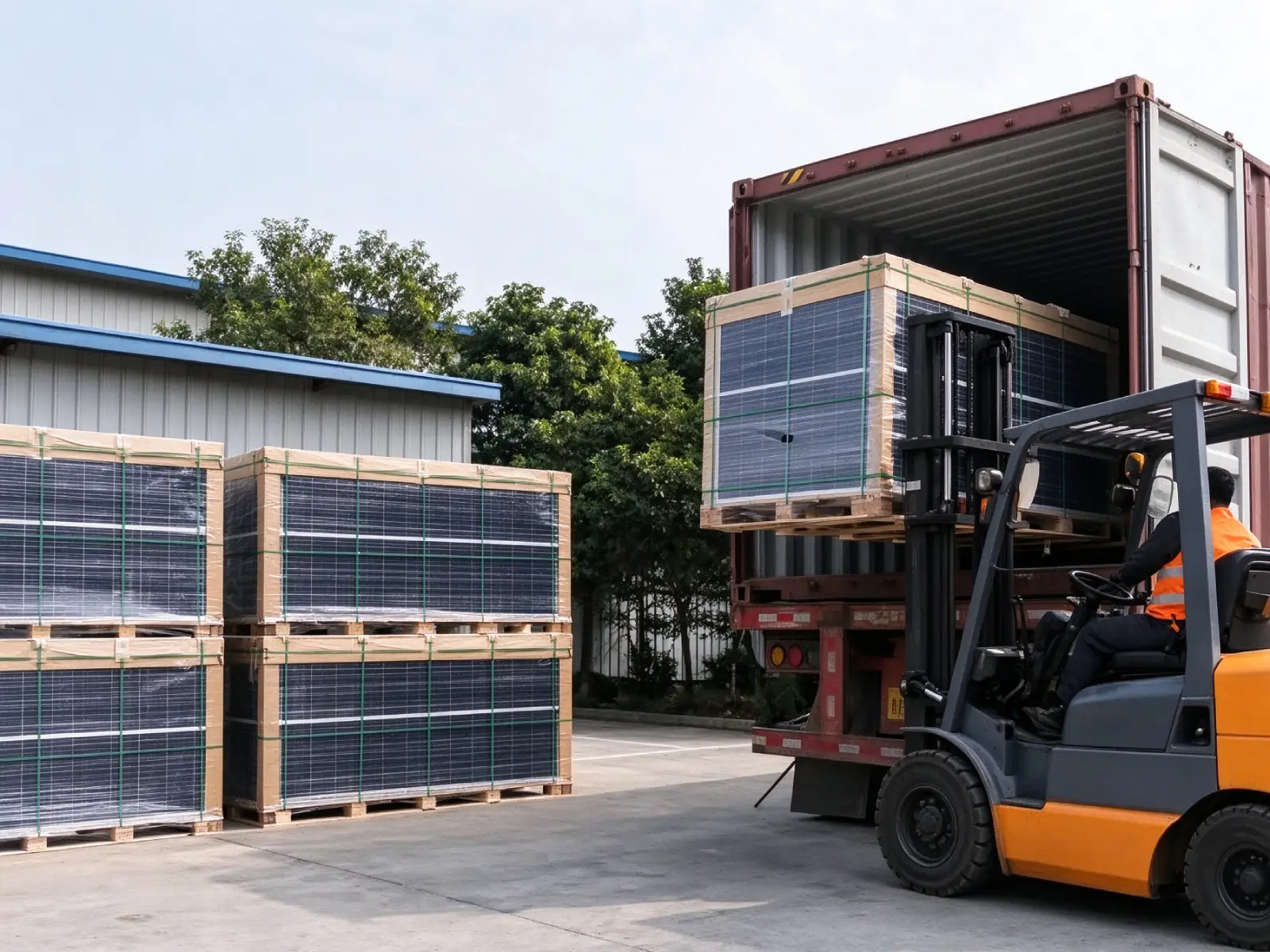
Securing a custom manufacturing slot requires proper scheduling. A typical contract production cycle moves through three distinct operational phases:
| Project Milestone Phase | Standard Timeframe | Core Factory Deliverables |
|---|---|---|
| 1. Engineering & Blueprinting | 1‑3 Working Days | CAD drawing finalization, circuit trace mapping, electrical parameter calibration. |
| 2. Prototype Sampling | 3‑7 Working Days | Physical sample batch assembly, EL flash testing, waterproof validation, client sign‑off. |
| 3. Mass Assembly Production | 15‑25 Working Days | Raw material bulk sourcing, cell sorting, multi‑layer lamination, 100% automated QC checks. |
*Note: Mass production timelines fluctuate depending on seasonal factory queue volumes and the depth of required regional regulatory compliance certifications (e.g., CE, RoHS, UKCA). Emergency priority scheduling is available for critical commercial project tenders.
💡 Procurement Resource: Managing these cost and lead time variables starts with preparing a watertight technical request. Read our comprehensive master reference on defining your custom portable solar panel specifications. This primary industry guide details how application requirements translate directly to automated factory workflows.
3. How Much Does a Custom Portable Solar Panel Cost?
When engineering teams ask how much does a custom portable solar panel cost, the answer relies on four core technical cost variables rather than a simple price‑per‑watt baseline:
- Solar Cell Efficiency Rating: Utilizing premium, high‑efficiency A‑grade monocrystalline cells tracks at a higher initial material cost compared to B‑grade alternatives, but it ensures your modules deliver true rated wattage and avoid catastrophic hot‑spots in the field.
- Encapsulation Layer Material: Selecting standard PET or TPE finishes lowers upfront cost for light consumer retail sales. However, upgrading to premium, UV‑stable, marine‑grade ETFE encapsulation extends product field life up to three times longer, yielding a far higher commercial ROI.
- Hardware Components & Cable Lengths: Heavy‑gauge AWG wiring harnesses, integrated multi‑stage kickstands, specialized waterproof connectors (like premium Anderson or MC4 terminals), and heavy‑duty storage bags add to the material bill (BOM).
- Order Scale & Amortization: High‑volume wholesale orders allow factories to spread fixed setup, tooling, and labor costs across more units, substantially driving down the final per‑unit invoice price.
4. Cost Evaluation: Custom vs. Off‑the‑Shelf Solar Hardware
While standard, off‑the‑shelf portable solar panels carry a lower initial purchase price, they frequently introduce hidden engineering deficits that erode your profit margins over time:
Standard Catalog Inventory: Forces your product developers to design their hardware around fixed industrial templates. This frequently results in wasted physical installation space on specialized vehicle roofs, performance bottlenecks caused by mismatched battery voltage limits, and immediate exposure to aggressive price competition on generic retail platforms.
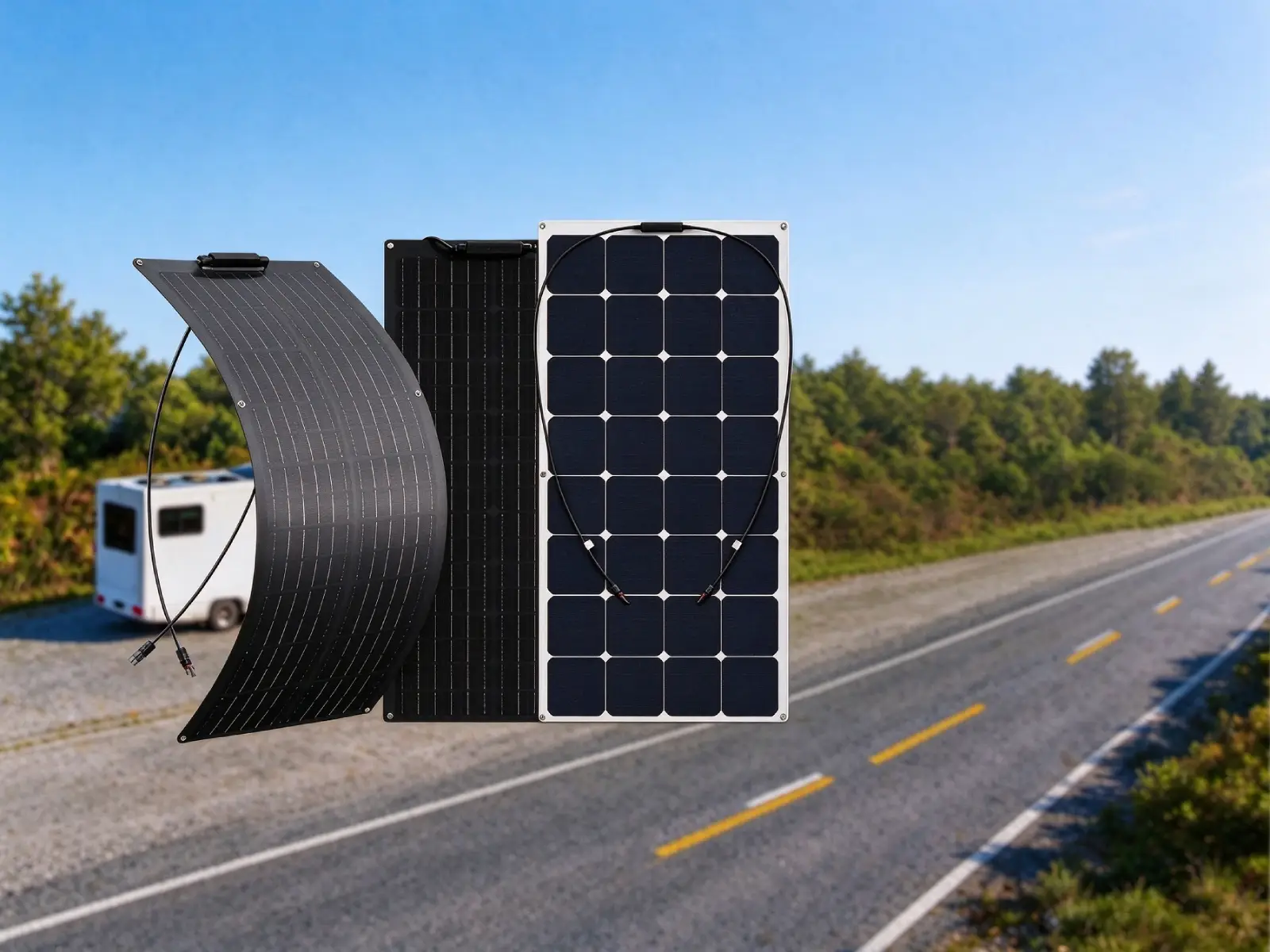
Custom Engineered Modules: Though requiring an initial upfront development allocation, custom hardware eliminates space waste, maximizes system charging efficiency, and gives your brand exclusive property rights. To see how these custom designs perform in highly specialized verticals, review our technical execution brief on engineering high‑efficiency custom portable solar panel for rv and yacht modification projects.
5. Frequently Asked Questions (FAQ)
Can I order a 1‑piece sample of a custom portable solar panel?
Yes, but under our formal engineering prototyping framework. We construct initial functional sample prototypes for client evaluation and field testing before authorizing mass assembly. Because a single‑piece build requires dedicated engineering design hours and manual line processing, it carries a higher standalone sampling fee, which is fully credited back to your account upon mass production order placement.
What can I do to keep my initial tooling costs as low as possible?
The most effective strategy to minimize tooling overhead is to leverage our factory’s existing structural dimensions and focus your customization on external fabric choices, cable connection specs, and private brand labeling. This ODM strategy bypasses new lamination mold fabrication entirely.
How do custom packaging and manuals alter the minimum order volume?
Related Posts
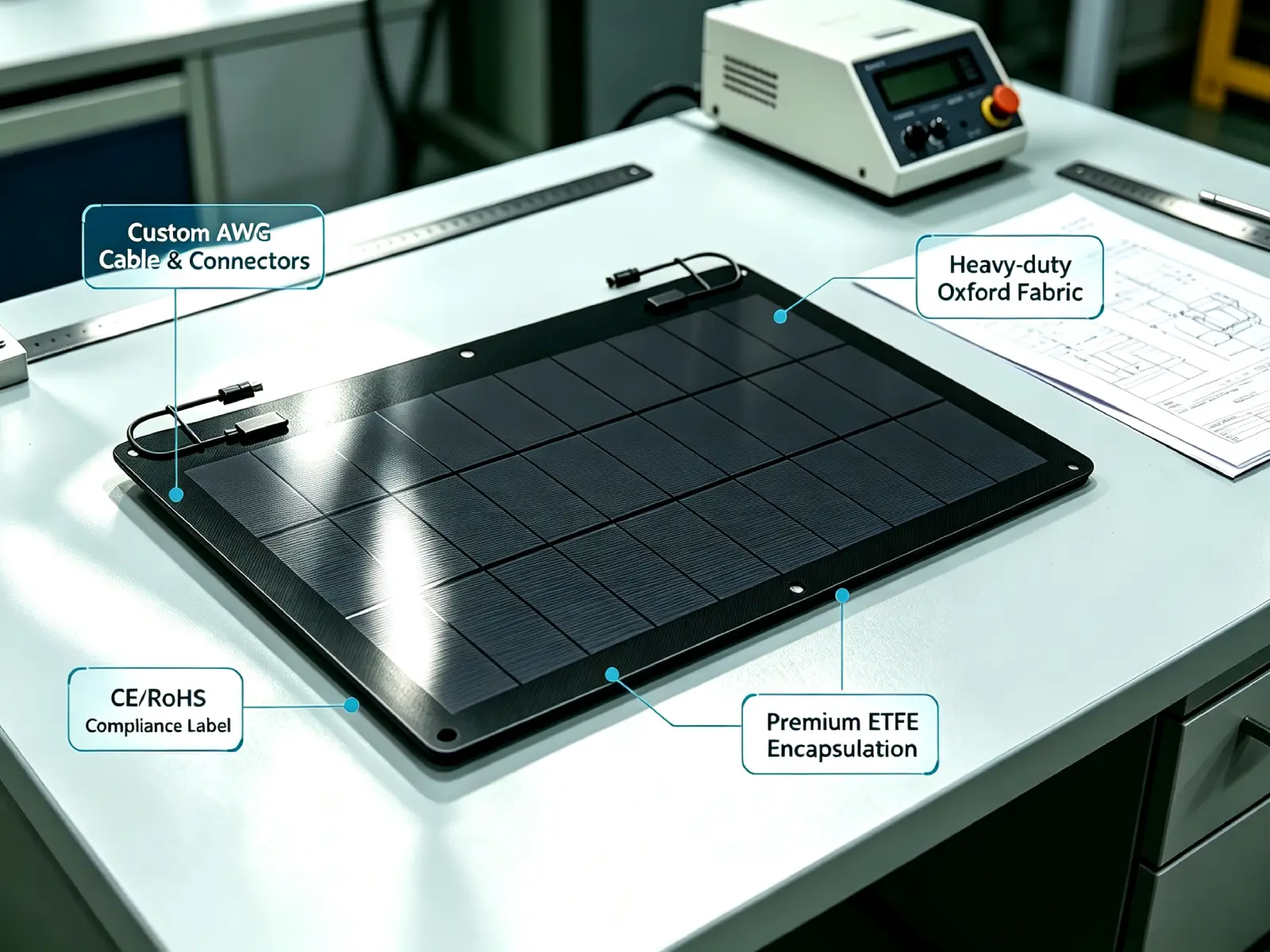
How to Order OEM & ODM Portable Solar Panels: Complete Sourcing Checklist
Executive Summary: Sourcing off‑grid solar products involves far more than just solar cell efficiency. For…
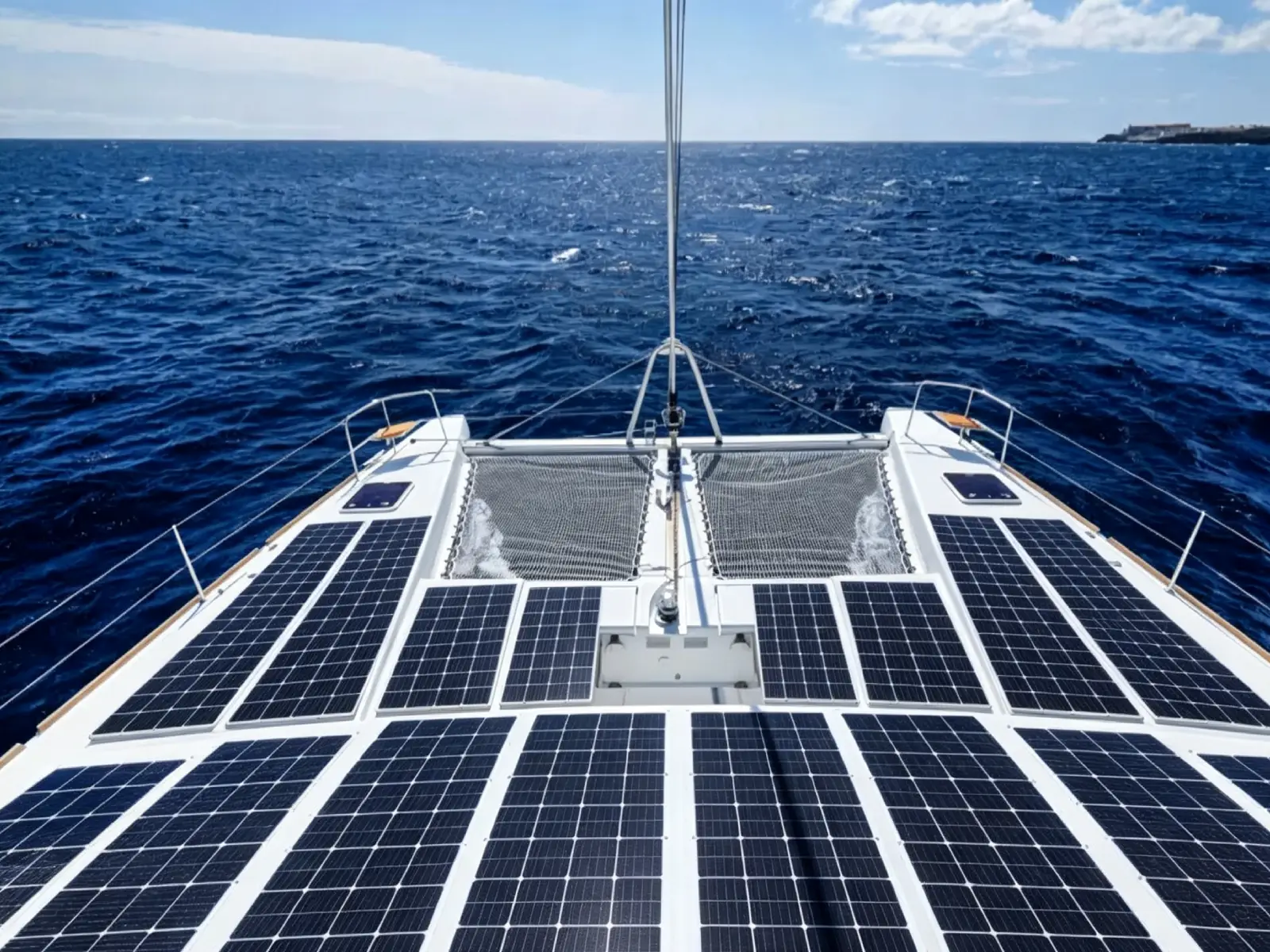
How to Choose a Reliable Flexible Solar Panel Manufacturer
1. Why Flexible Solar Sourcing Frequently Fails Flexible solar panels have evolved far beyond basic…
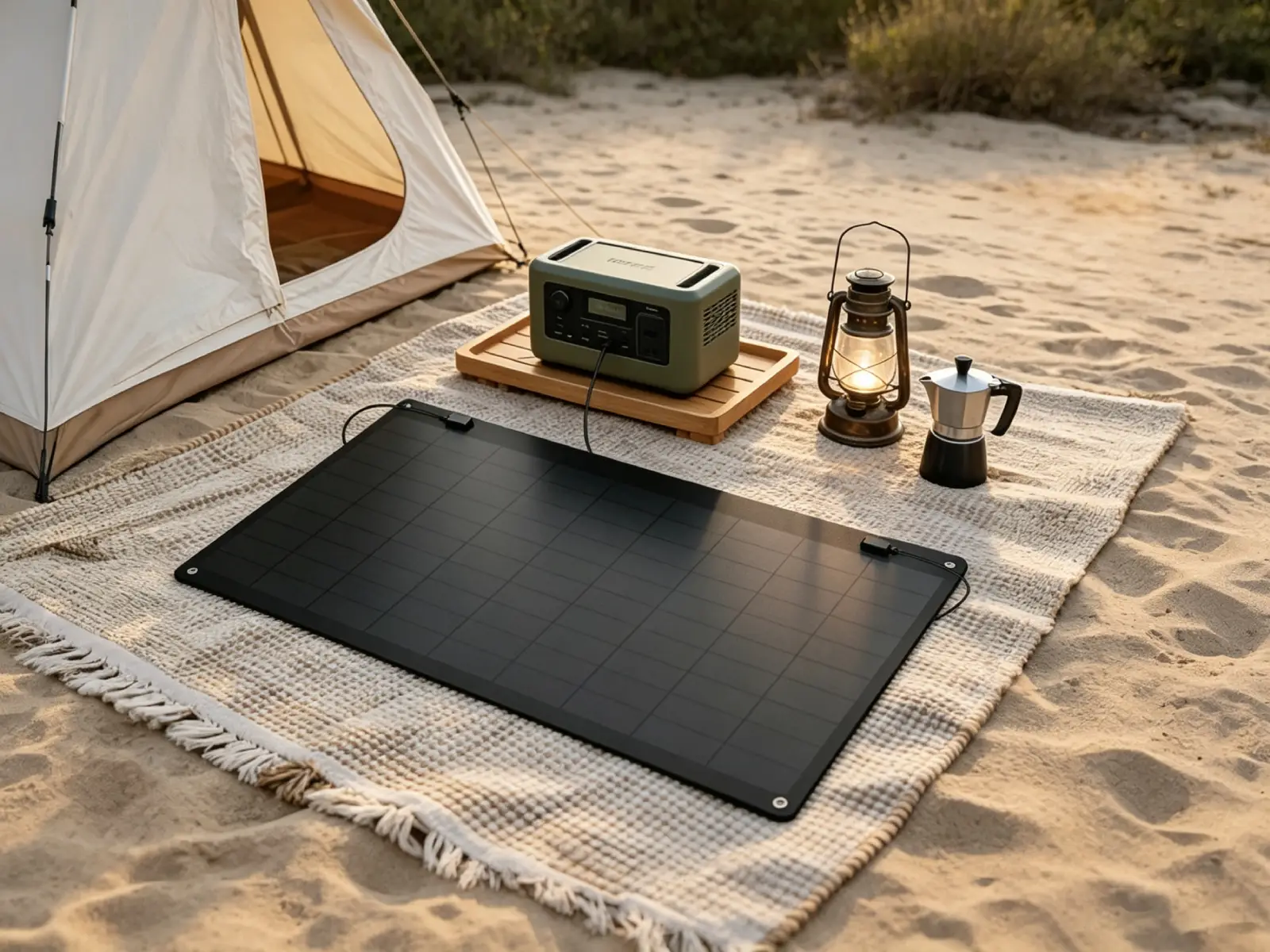
How to choose portable solar panel suppliers
How to choose portable solar panel suppliers? If you are a wholesaler, importer or distributor…


Leave a Reply