

Solar Power Knowledge
Custom Portable Solar Panel Guide: OEM & ODM Solutions for Global B2B Buyers
 gaotu
gaotu
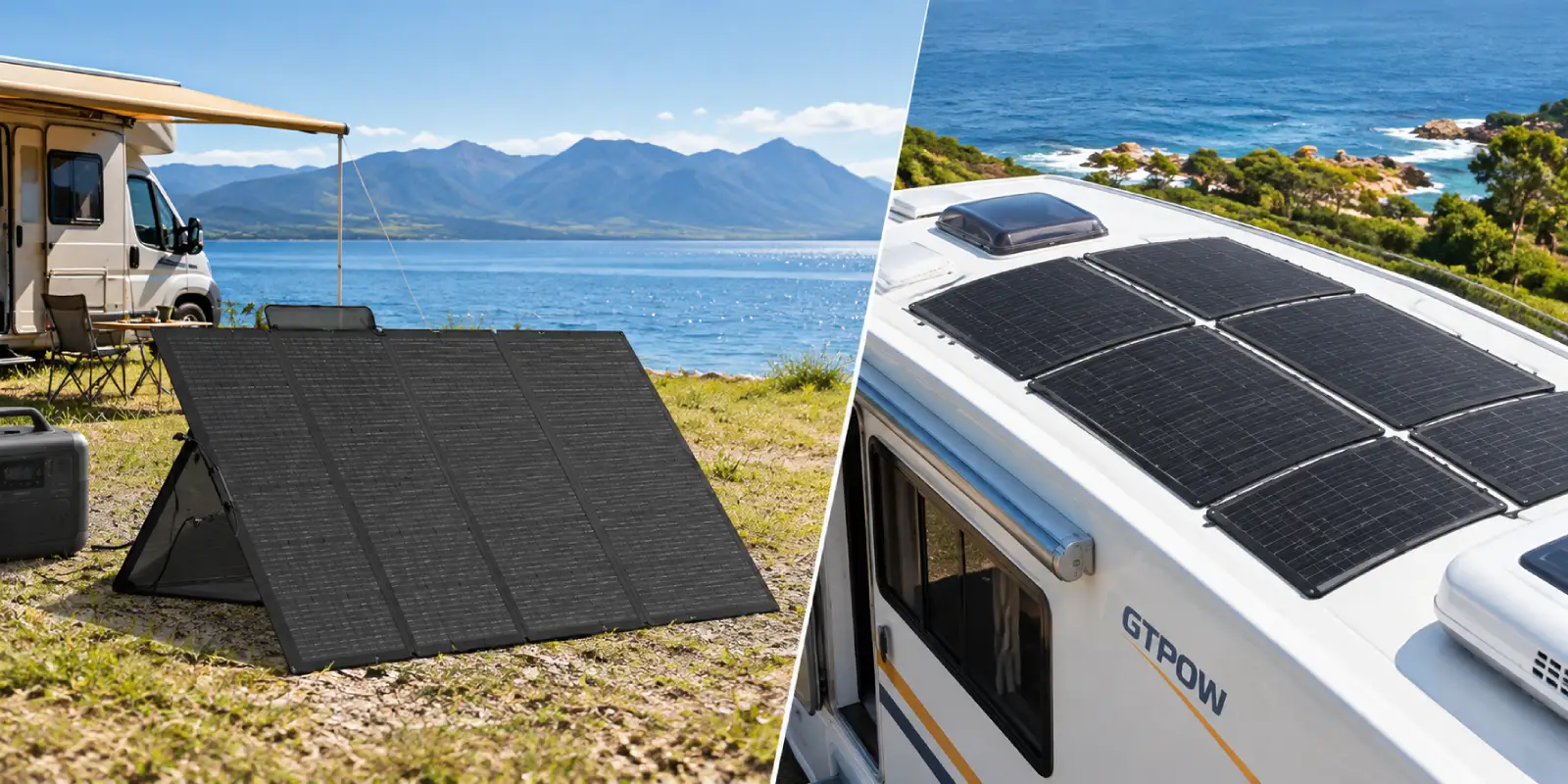
Off‑the‑shelf portable solar panels often fail to fit unique project spaces, strict brand positioning, and specialized professional power demands.For wholesale distributors, outdoor brand resellers, RV and yacht modification contractors, and engineering buyers, standard factory specs can mean wasted installation space, mismatched electrical parameters, and a race‑to‑the‑bottom price war on generic items.
Choosing a custom portable solar panel solution delivers tailored power generation, exclusive appearance design, and application‑specific structures that generic inventory cannot match. By designing around the buyer’s actual operational environment rather than fixed industrial templates, customized off‑grid power systems eliminate product incompatibility from day one. This technical precision makes bespoke solar hardware the preferred choice for bulk commercial procurement and high‑end outdoor power projects worldwide.
📌 Key Takeaways
- Quoting Criteria Shift: Unlike residential solar installation quotes that focus on roof square footage, local utility rates, and labor permitting, a B2B custom solar panel quote is built entirely from scratch. Factories evaluate application scenarios, exact dimensions, target voltage outputs, cable routing layouts, specialized connectors, volume, target markets, packaging, and technical documentation.
- The Pitfall of “Lowest Price” RFQs: When buyers only request the “lowest price per watt,” factories can issue a rapid generic quote, but it rarely fits the final deployment need. A quote for standard off‑the‑shelf modules is fundamentally different from a comprehensive quote that engineers custom cables, private labeling, customized retail packaging, and verified prototype sampling.
- The Right Procurement Question: For wholesale distributors, OEM buyers, and project engineering teams, the critical question should change from “How much does it cost?” to “What precise project data do we need to provide so the manufacturer can issue an accurate custom solar panel quote?”
⚡ Quick Answer: What Drives B2B Custom Solar Panel Quoting Requirements?
A comprehensive B2B solar panel quoting requirement outlines the exact technical data a buyer must provide to secure an accurate, actionable manufacturing proposal, rather than a generic ballpark estimate.
For commercial procurement, key data points include intended application environment, physical dimensions, required wattage/voltage parameters, custom cable and connector designs, order volume, destination regulatory markets, and branded packaging logistics. These specific engineering details dictate whether the factory should recommend an existing standard base model, an optimized modified standard module, or initiate a fully customized ground‑up OEM/ODM design project.
1. Full Customization Capabilities: From Footprint to Form Factor
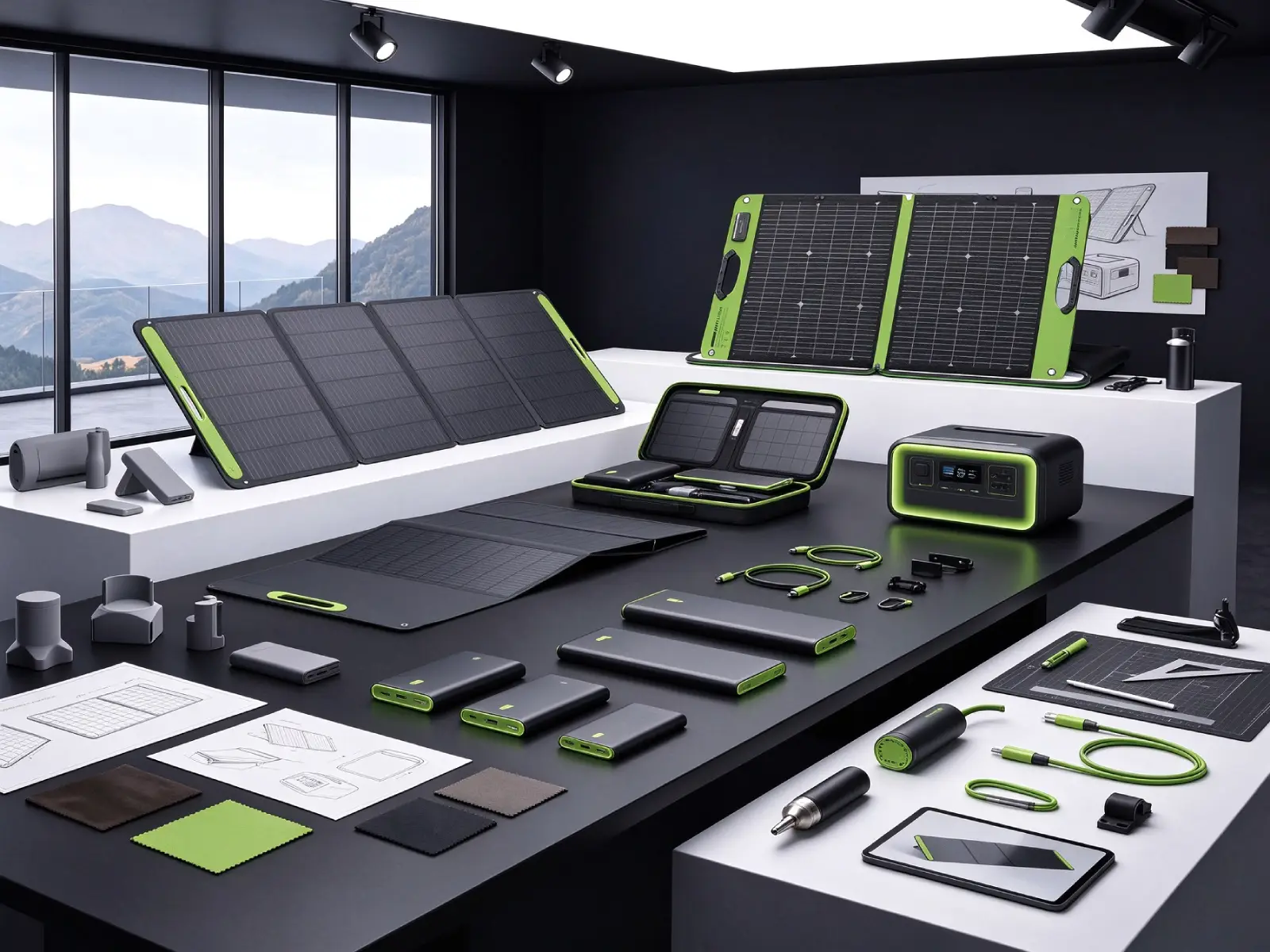
Reliable OEM and ODM manufacturers support comprehensive customizable items, covering appearance, internal circuitry, mechanics, and branding to meet strict market access and technical criteria.
Power, Voltage, and Dimensional Engineering
Standard solar hardware has fixed wattages and rigid footprints that cannot adapt to limited footprints like an RV roof or small outdoor sensor boxes. We engineer custom power parameters across a 10W to 400W+ range. By adjusting length, width, aspect ratios, and electrical characteristics (open‑circuit voltage and short‑circuit current), our engineering team ensures the finished modules deliver stable, optimized charging efficiency to your specific portable power stations, battery chemistry setups, and off‑grid controllers.
Form Factors: Foldable vs. Flexible Built
Depending on your commercial distribution model or end‑user application, you can choose between two primary mechanical structures. To evaluate which setup matches your business model, consider a deep dive into flexible vs foldable portable solar panels before finalizing your engineering blueprints.
- Custom Foldable Solar Panels: Wrapped in heavy‑duty, high‑denier Oxford fabric or specialized ETFE/PET coatings. These multi‑panel kits feature integrated kickstands and drop‑resistant enclosures, making them ideal for outdoor camping retail, consumer kits, and standard wholesale distribution.
- Custom Flexible Solar Panels: Ultra‑thin, lightweight, and bendable. Utilizing advanced polymer backing sheets, these modules conform seamlessly to irregular curves and surfaces where traditional glass or folding kits cannot mount, making them a staple for fleet retrofitting and industrial engineering.
Private Labeling & Precision Brand Printing
For cross‑border e‑commerce merchants and established outdoor brands, building strong brand differentiation is critical to protecting gross margins. We offer multi‑tier private labeling options to convert generic hardware into exclusive assets. Depending on your material choice, we provide precision silkscreen printing, permanent laser engraving, and UV‑resistant surface printing for company logos, slogans, and corporate color schemes.
Hardware Fittings and Retail Packaging
A complete solar solution requires matching hardware. We customize cable lengths, specialized waterproof quick‑connectors (including MC4, Anderson, and DC variations), structural mounting brackets, and heavy‑duty storage bags. For bulk wholesale runs, we supply complete turnkey packaging setups—including retail color boxes, reinforced outer cartons, compliance markings, and localized user manuals—ensuring your goods arrive shelf‑ready for supermarkets or fulfillment centers.
2. Main Application Scenarios for Bespoke Solar Solutions
Bespoke portable solar kits solve the real‑world pain points where generic products fail due to environmental stress or structural layout limitations.
RV, Campervan, and Fleet Outfitting
Commercial fleet vehicles and campervans have highly restricted, irregular roof space crowded with AC units and vents. Standard rigid panels add aerodynamic drag and require roof drilling that risks structural leaks. Low‑profile, ultra‑lightweight flexible panels fit vehicle roof curves flawlessly, and custom voltage configurations can be mapped directly to onboard 12V/24V/48V lithium or AGM battery banks to provide sustained off‑grid autonomy during long‑haul travel.
Marine, Yacht, and Coastal Deployments
High‑salinity marine environments, constant humidity, and intense UV exposure destroy standard consumer electronics within months. Marine‑grade custom solar panels for boat yachts undergo upgraded anti‑corrosion, salt‑spray resistant, and ruggedized UV sealing treatments. Custom sizing ensures maximum power output on tight yacht decks, catamaran netting, and commercial fishing vessels without impeding crew movement.
Outdoor Camping and Field Workstations
Portable, high‑efficiency foldable panel kits are engineered for remote exploration, geological field research, and temporary construction worksites. Custom electrical parameters can be calibrated to interface seamlessly with specific outdoor power stations, remote communication relays, and emergency lighting gear.
Brand Wholesale and White‑Label Resale
For global distributors, sourcing an exclusive product line is the only way to insulate the business from direct online price comparison. Utilizing a flexible MOQ framework allows distributors to run low‑risk market trials on small initial batches before investing capital into high‑volume production lines.
Residential Balcony Off‑Grid Generation
Urban apartment balconies require unique narrow dimensions that off‑the‑shelf residential panels cannot accommodate. Small‑footprint, high‑efficiency custom modules maximize tight balcony railing space, allowing urban tenants to generate supplemental off‑grid energy without violating residential building codes.
3. Operational Benchmarks: MOQ, Lead Time, and Costs
Navigating a custom manufacturing project requires clear transparency around operational baselines to protect your supply chain timeline and go‑to‑market schedules.
| Customization Type | Relative MOQ Level | Tooling/Setup Costs |
|---|---|---|
| Surface Logo & Packaging | Low / Flexible | Minimal |
| Custom Wiring/Fittings | Medium | Low |
| Dimensional & Cell Cuts | High | Moderate |
| New Injection Molds | Very High | High |
Understanding Factory MOQ Thresholds
Minimum order quantities scale directly with the depth of engineering required. Simple private‑labeling—such as laser‑engraving an artwork logo onto an existing chassis frame—supports highly accessible, low MOQs suitable for growing brands. Conversely, deep structural alterations, unique solar cell cutting patterns, or creating entirely new injection molds require higher volume commitments to absorb line configuration down‑time and specialized tooling fabrication.
Lead Time Breakdown and Sample Workflows
The product development cycle is divided into distinct, milestone‑driven phases:
- Engineering Review & Blueprinting: 1–3 business days to lock in schematics.
- Prototyping & Sample Production: Typically finalized within 3 to 7 working days to evaluate physical craftsmanship, actual wattage output, and mechanical fit.
- Mass Production Run: Generally ranges from 15 to 25 working days, depending heavily on material sourcing schedules, factory order queues, and assembly complexity.
Cost Engineering and ROI Factors
The per‑unit pricing of a custom panel run is determined by clear technical metrics: solar cell efficiency tiers (e.g., standard monocrystalline vs. premium high‑efficiency cells), protective encapsulation materials (such as standard PET vs. heavy‑duty, long‑lifespan ETFE), structural complexity, and bulk volume scale. While specialized engineering carries an upfront development cost, custom products offer a significantly higher return on investment (ROI) by matching the exact requirements of your application, commands a premium retail price point, and eliminating field failures.
Certification and Quality Control Standards
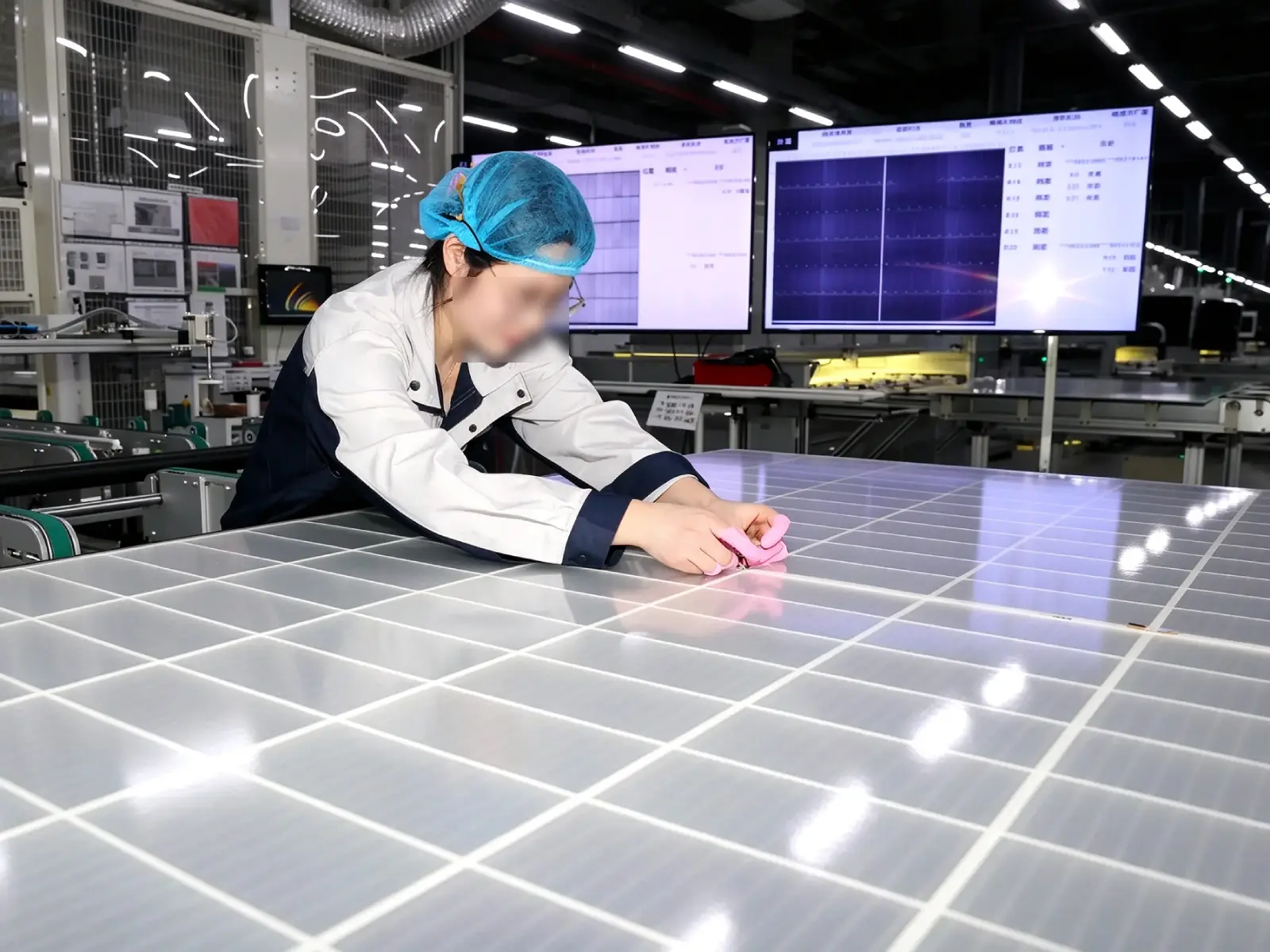
Exporting to premium retail regions requires rigid regulatory compliance. Our production lines manage comprehensive quality assurance workflows—including flash testing for true power efficiency, thermal imaging for micro‑cracks, and automated waterproof pressure chamber testing. Your production run can be verified to meet all mainstream international market access standards, including CE, RoHS, FCC, and UKCA.
4. Frequently Asked Questions (FAQ)
Can I customize both foldable and flexible portable solar panels?
Yes. Both form factors support customized dimensions, custom wattages, custom wiring connectors, and private label branding. The core difference lies in the base encapsulation materials and tooling configurations, which our engineering team will align with your target budget.
Is custom solar manufacturing practical for small‑batch brand testing?
Yes. If your project parameters rely on standard module shapes and focus primarily on private label branding, unique exterior fabrics, or custom wiring harnesses, we provide low MOQ entry points to help your business validate market demand safely.
What files do I need to supply for brand logo application?
To ensure clean, crisp output during high‑definition silk screening or laser etching, please provide your artwork files in vector formats—ideally AI, SVG, or high‑resolution transparent PNG files.
Are custom panels genuinely more durable than off‑the‑shelf retail inventory?
Yes. Off‑the‑shelf panels are built down to a generic price point for standard weather conditions. A custom run allows you to specify environmental upgrades—such as marine‑grade anti‑corrosion wiring or specialized ETFE surface texturing—ensuring the hardware survives specific, harsh operating conditions that would destroy standard gear.
Why Partner With Us for Your OEM/ODM Solar Projects?
As an established, vertically integrated manufacturer specializing in custom off‑grid solar solutions, we manage your project from initial concept to global delivery. By maintaining complete oversight across our production lines and component sourcing, we eliminate the technical misalignments and communication bottlenecks common when working with middleman trading companies.
We support the entire growth lifecycle of our B2B clients—offering low‑MOQ branding options for early‑stage market validation alongside massive high‑volume line capacity for large‑scale enterprise contracts. Our engineering team provides upfront parameter calculation, free structural consultations, and rapid prototyping workflows designed to de‑risk your procurement strategy and secure your market position.
Ready to eliminate generic product limitations? Contact our engineering team today to review your project specifications and receive a transparent, direct‑from‑factory quotation.
Related Posts

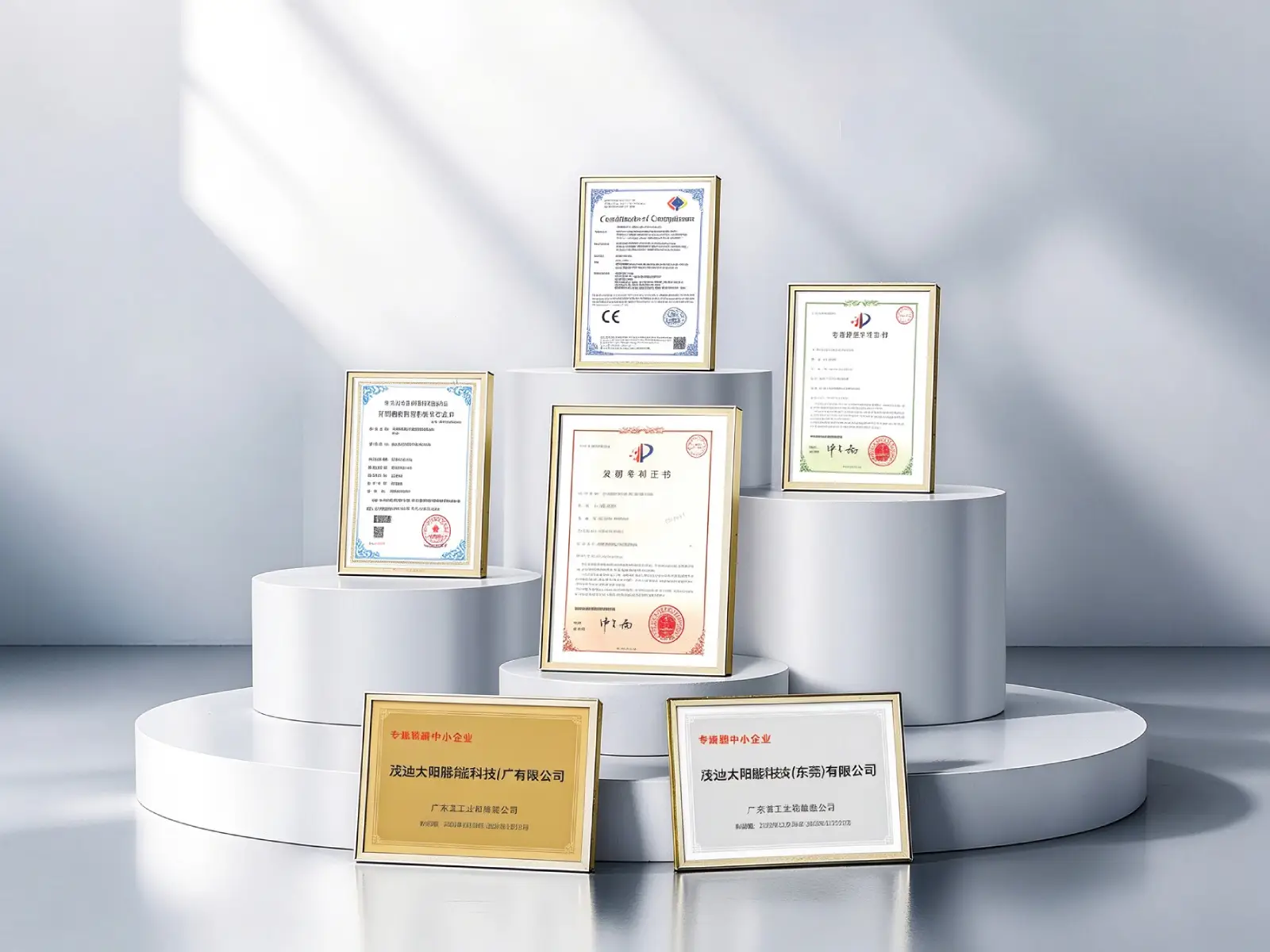
How to Verify a Real Solar Panel Factory in China
Most international B2B buyers, solar project contractors, and distributors share one frustrating sourcing pain point:…
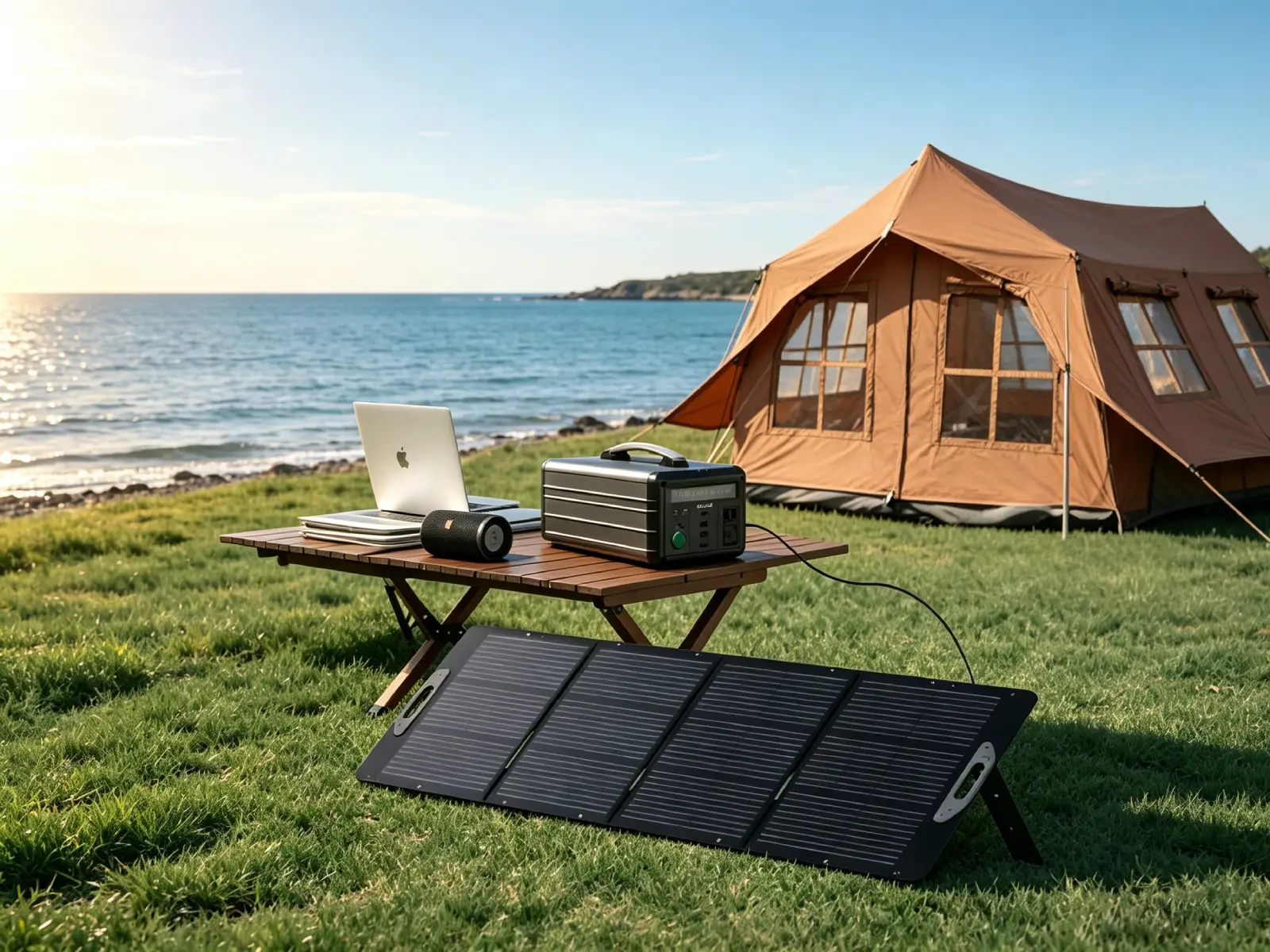
OEM Solar Panels Specs Guide
If you’re a solar wholesaler, importer or distributor sourcing OEM solar panels, understanding every key…
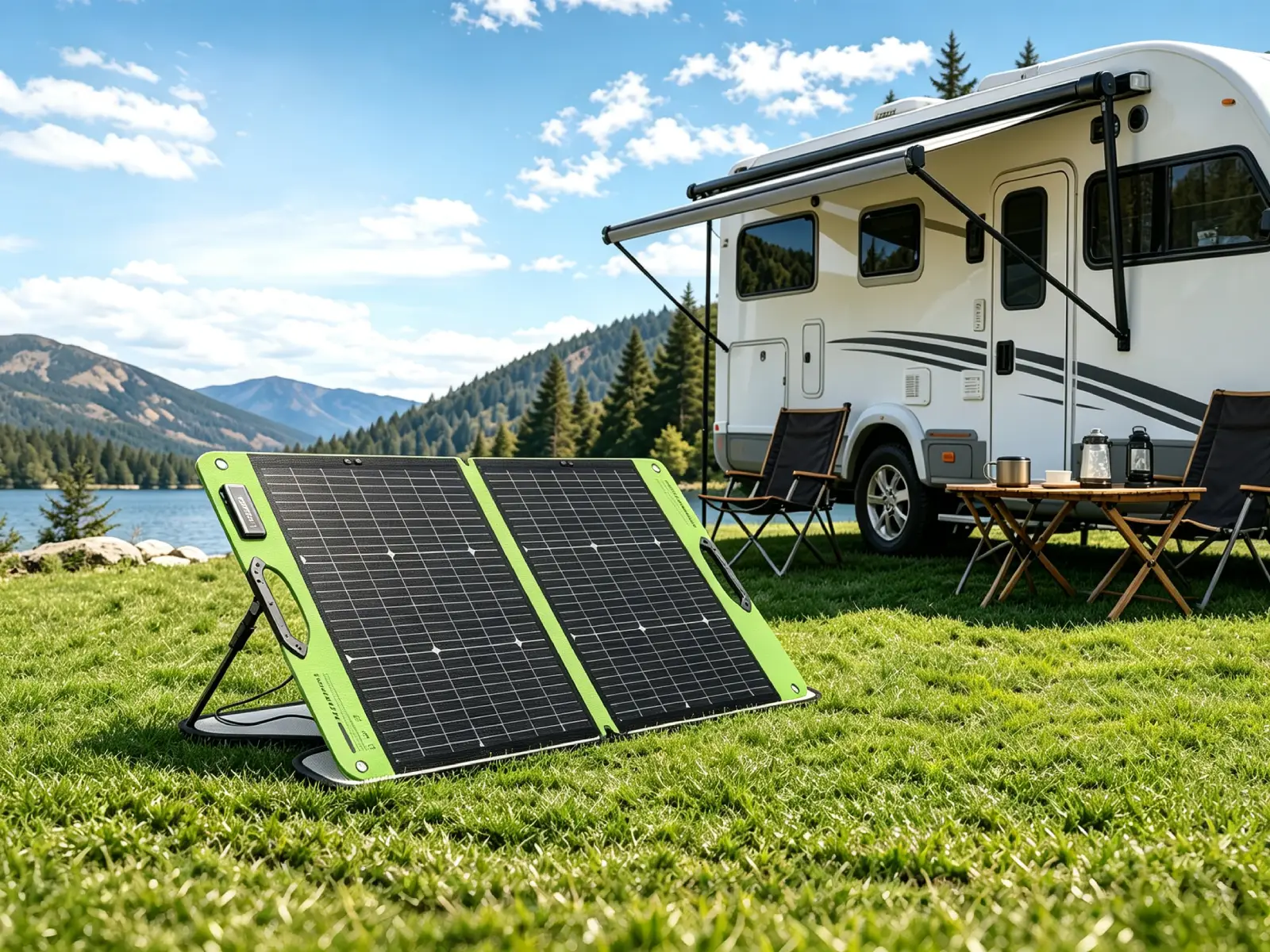
Verified Foldable Solar Panel Supplier & OEM/ODM Manufacturer
Empowering global brands, outdoor retailers, and solar distributors with premium Tier-1 cell portable solar blankets…

Leave a Reply