

Solar Power Knowledge
Custom Solar Panels: What Buyers and Merchants Need to Know
 gaotu
Summary and Quick Answers
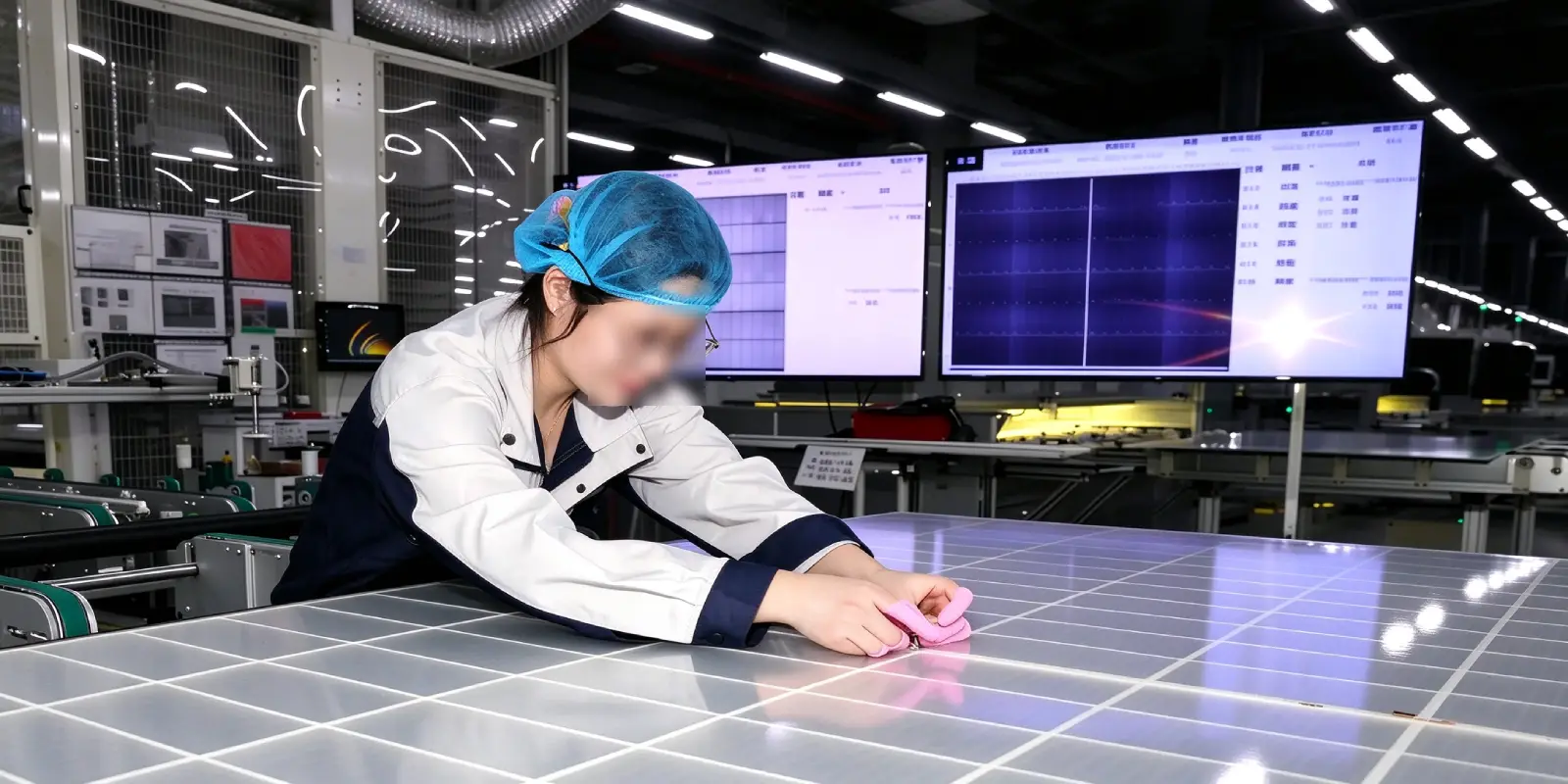
Custom solar panels refer to solar panels whose power, size, structure, encapsulation material, connectors, brand logo, and packaging can be adjusted on demand. They cover multiple forms including folding, flexible, and glass-encapsulated panels, and are widely used in RV, marine, camping, emergency power, and off-grid projects.
For wholesalers, here are the core conclusions up front:
| Key Item | Typical Industry Range |
|---|---|
| MOQ (standard folding panels) | 100–500 units |
| MOQ (custom logo/packaging) | 300–1,000 units |
| MOQ (full ODM new mold) | 1,000–5,000 units |
| Sampling time | Standard samples 3–7 days; custom logo samples 7–10 days; new mold 20–45 days |
| Bulk lead time | Standard products 7–30 days; custom logo 20–35 days; new mold 45–60 days |
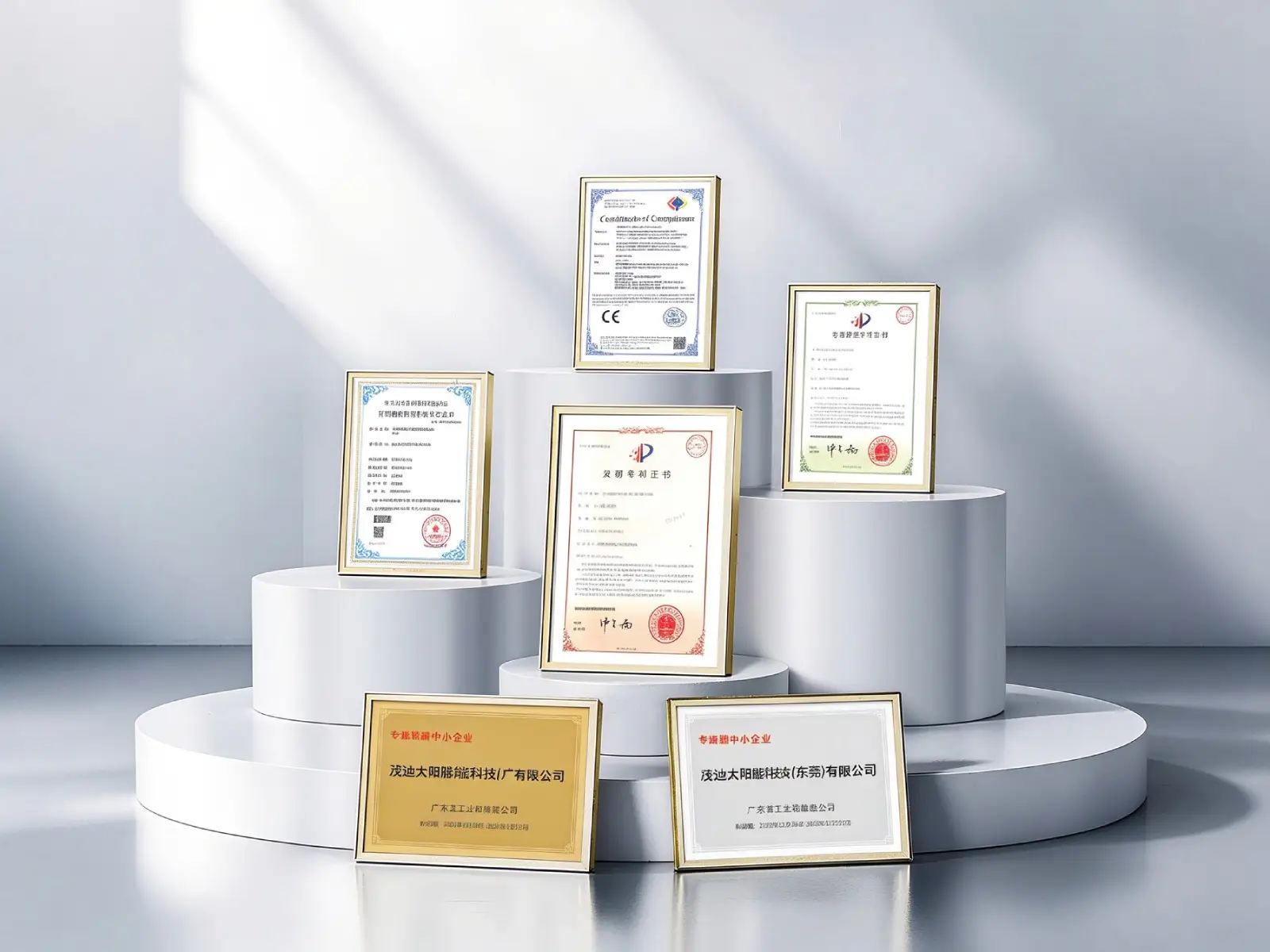
| Core certifications | CE, FCC, RoHS, TUV, UL, ISO9001 |
This article is divided into three parts: Section 1 establishes common ground, Sections 2–4 cover how buyers purchase correctly, Sections 5–7 cover how wholesalers sell correctly and take orders, and Section 8 provides a shared pitfall-avoidance checklist for both sides.
1. What Counts as a “Custom” Solar Panel?
Many wholesalers simply say “I want customization” in their inquiries, but factories cannot quote based on that. The depth of customization directly determines MOQ, lead time, and cost, so it must be layered first.
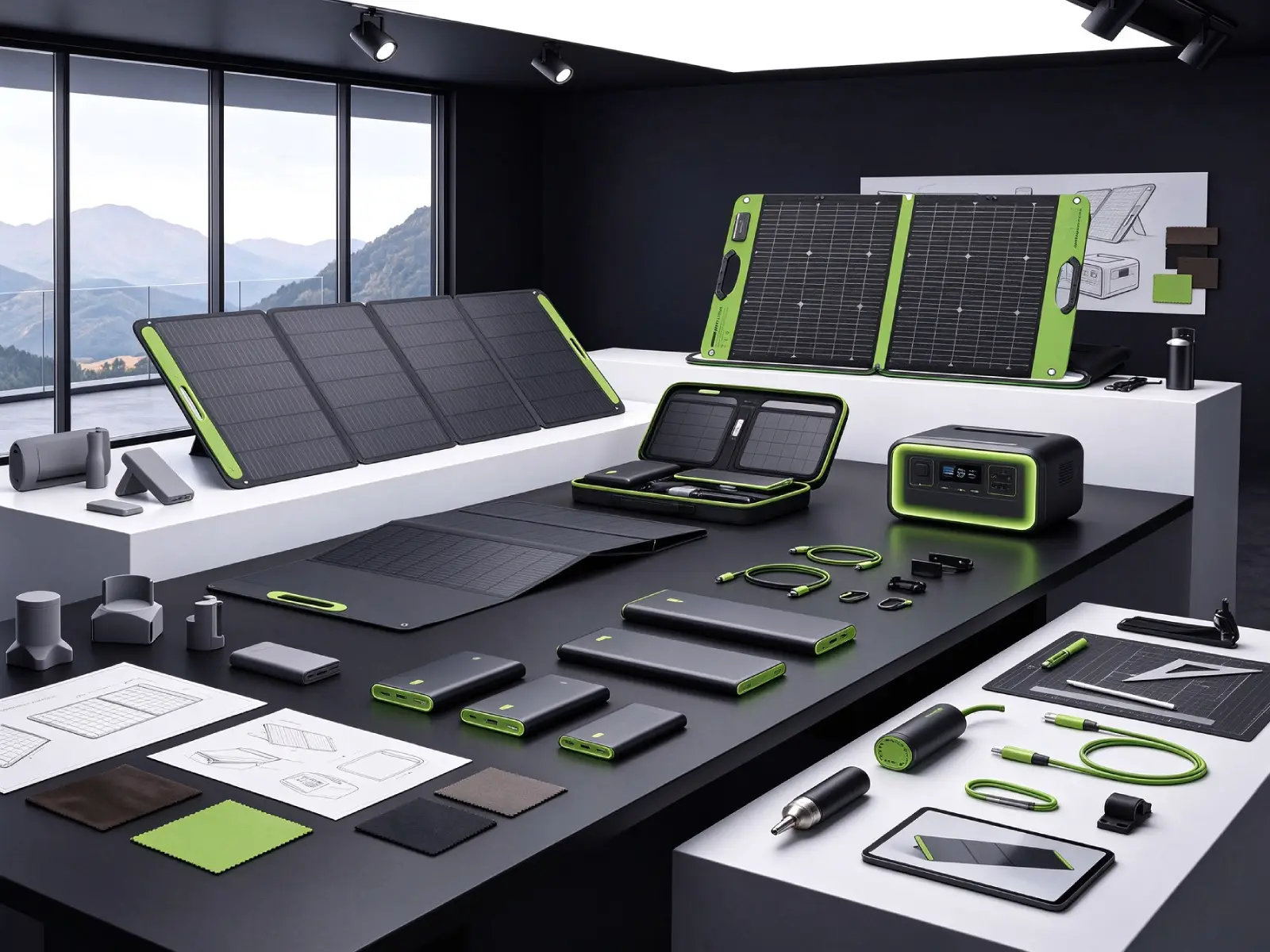
The 6 levels of customization (from light to heavy):
-
Logo/silkscreen — the lightest, changing only the appearance marking
-
Packaging/manuals — color boxes, multilingual manuals, certification documents
-
Power/voltage/size parameters — changing electrical performance and dimensions
-
Connectors/cables/controllers — adapting to target market standards (USB/DC/XT60/MC4, etc.)
-
Structure/folding method/encapsulation material — ETFE, PET, glass, flexible panels
-
Full ODM new mold — new structure, new appearance, brand-new product development
Customization level → MOQ/lead time/cost comparison:
| Customization Level | MOQ Tendency | Lead Time Tendency | Cost Impact |
|---|---|---|---|
| Logo/packaging | Low (from 300) | Medium (20–35 days) | Small |
| Parameters/connectors | Medium (from 500) | Medium | Medium |
| Structure/encapsulation | Medium-high (500–2,000) | Long (30–45 days) | Large |
| Full ODM | High (1,000–5,000) | Longest (45–60 days) | Largest |
OEM vs. ODM in one sentence: OEM means “using the factory’s existing product with your brand on it,” while ODM means “the factory develops a new product according to your requirements.” Wholesalers usually start with OEM private labeling, then move to ODM for differentiation.
2. How to Write a Clear Customization Requirement
As a wholesaler, the quality of the requirements you give the factory directly determines whether the quote is accurate, whether the samples are right, and whether bulk production goes smoothly.
The 7 specifications that must be clarified before purchasing:
-
Power (e.g., 100W/200W/400W) and voltage
-
Size and folding method (unfolded/folded dimensions, number of panels)
-
Encapsulation material (ETFE for weather resistance, PET for economy, glass for durability, flexible for bendability)
-
Connectors and cables (common connectors in the target market)
-
Certification requirements (the market you sell to determines the certifications needed)
-
Packaging (color box, manual language, export carton)
-
Quantity and lead time expectations
Scenario-based priorities differ:
| Scenario | What Wholesalers Should Focus On |
|---|---|
| RV | Folding structure durability, mounting brackets, waterproof rating |
| Marine/yacht | Salt spray resistance, flexible or reinforced encapsulation, corrosion-resistant connectors |
| Camping/outdoor | Lightweight, portable storage, USB output |
| Emergency power | Voltage/connector matching with energy storage devices, stability |
| Off-grid projects | Power authenticity, complete certifications, batch consistency |
Common pitfalls: comparing only price without comparing specifications; trusting falsely labeled power; incomplete certifications leading to customs clearance issues; vague requirement briefs causing repeated sampling.
Recommendation: Send the factory a structured RFQ (request for quotation) listing the 7 items above one by one, and ask them to quote on the same specifications so you can compare horizontally.
For a more detailed breakdown of MOQ, price, and lead time, please refer to our Portable Solar Panel MOQ, Price & Lead Time Guide.
3. MOQ, Sampling, Pricing, and Lead Time
This is the “money and time” that wholesalers care about most.
MOQ ranges (by customization level):
| Product/Customization Type | Typical MOQ |
|---|---|
| Standard folding panels (no customization) | 100–500 units |
| Custom logo/packaging | 300–1,000 units |
| Custom power/structure | 500–2,000 units |
| Full ODM new mold | 1,000–5,000 units |
| Flexible panels | 200–1,000 units |
| Glass-encapsulated panels | 100–500 units |
Sampling: Standard samples 3–7 days, custom logo samples 7–10 days, rush orders can be done in 72 hours. There are three common sample policies — free samples with the buyer paying freight, paid samples deductible from bulk orders, and paid samples for fully new designs that are non-refundable. Wholesalers should prioritize factories that offer “paid but deductible from bulk orders” — they are usually more serious about long-term cooperation.
Price composition: Solar cells (the largest cost), encapsulation materials, structure and folding components, connectors and cables, labor, certification testing, packaging, logistics, and factory profit. Only same-specification comparisons are meaningful — low prices often mean low power, lower-grade cells, or missing certifications.
Lead time: Standard products 7–30 days, custom logo 20–35 days, new mold 45–60 days. Influencing factors include order quantity, customization depth, material availability, peak-season capacity, certification testing, and payment/documentation speed.
Negotiation points: MOQ is negotiable (first orders, long-term potential); lead time must be written into the contract; price should be judged by specification rather than by the number alone; place orders early before peak season.
For the full range tables and negotiation checklist, see Portable Solar Panel MOQ, Price & Lead Time Guide.
4. How to Vet a Custom Solar Panel Factory
The biggest risk for wholesalers is choosing the wrong supplier — trading companies posing as factories, fake certifications, and uncontrolled lead times.
5 signals to distinguish a factory from a trading company:
-
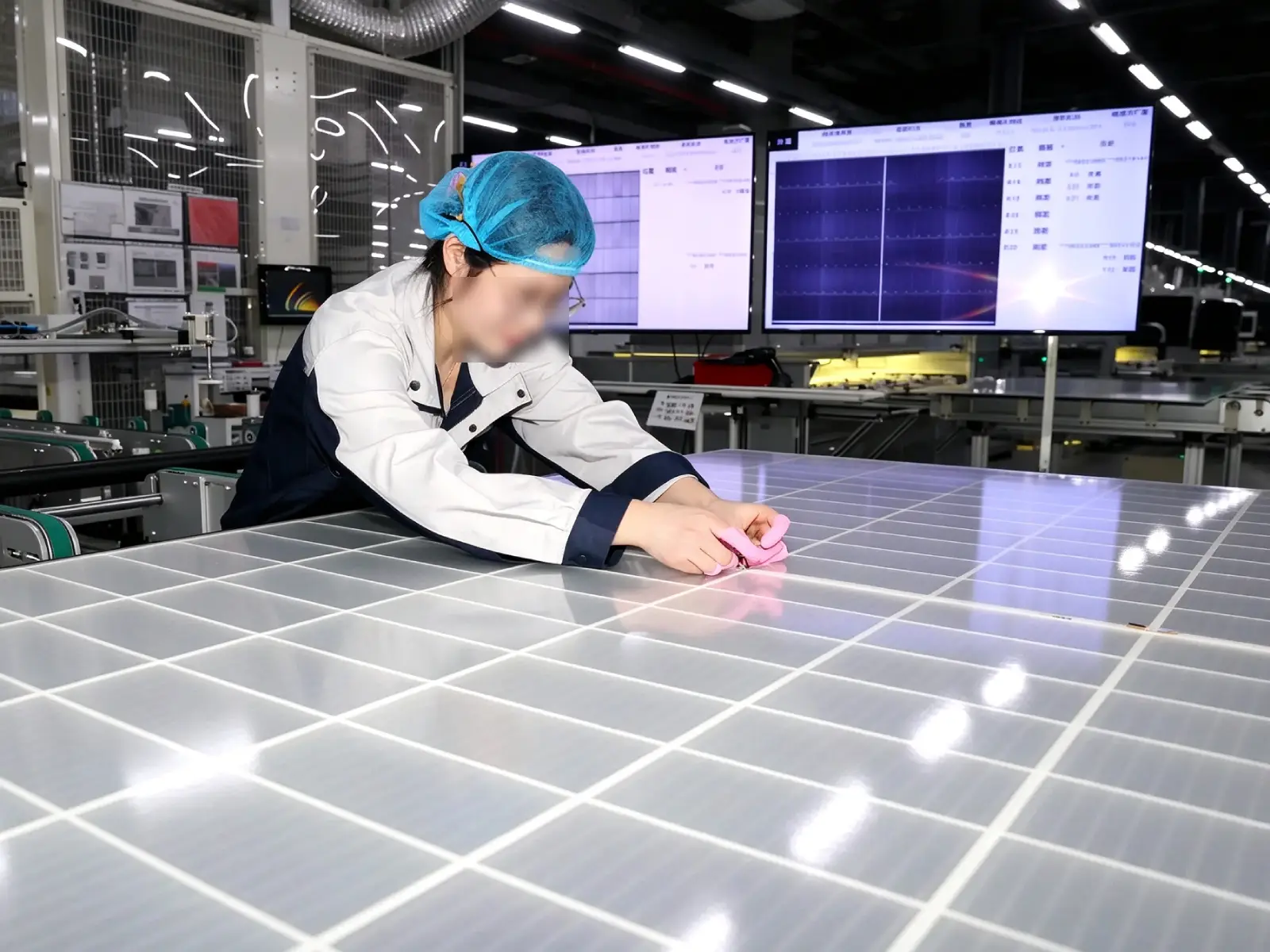
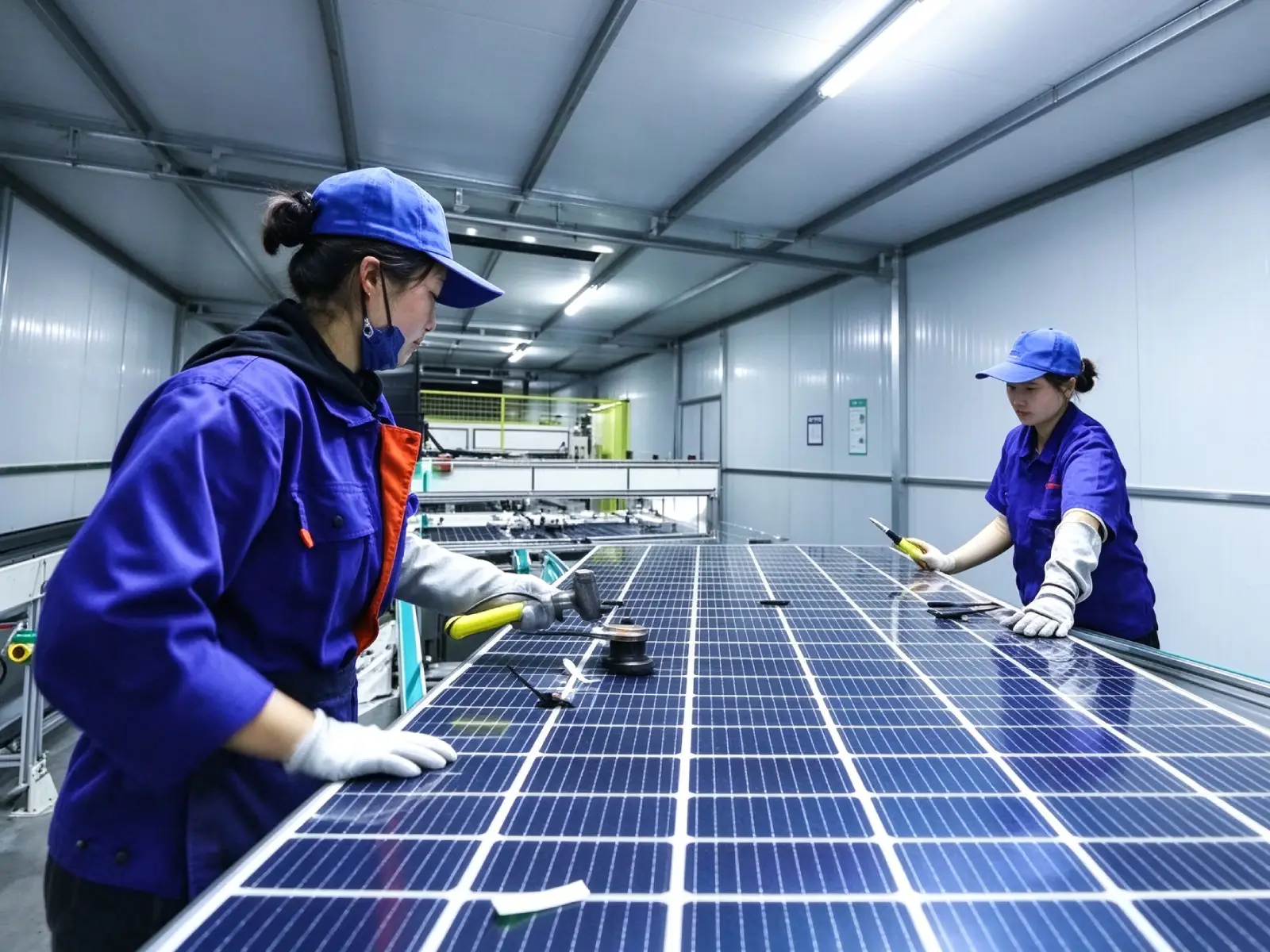
Whether they can provide production line photos, factory area, and number of employees
-
Whether the certification holder matches the company name
-
Whether they have in-house sampling and mold-making capabilities
-
Whether they can clearly explain monthly capacity and peak-season scheduling
-
Whether they have anonymized cooperation cases in the same category
Must-check certifications and corresponding markets:
| Certification | Main Applicable Market |
|---|---|
| CE | EU |
| FCC | US |
| RoHS | EU (hazardous substances restriction) |
| TUV | Europe/international |
| UL | North America |
| ISO9001 | Quality management system (general) |
Factory audit and sample inspection points: measure actual power against the rated value, folding component durability, connector and cable quality, packaging and documentation, certification labels.
Red flags: quotes far below competitors, refusal to provide samples, vague answers about certifications, only verbal promises on lead time, inability to provide production line information.
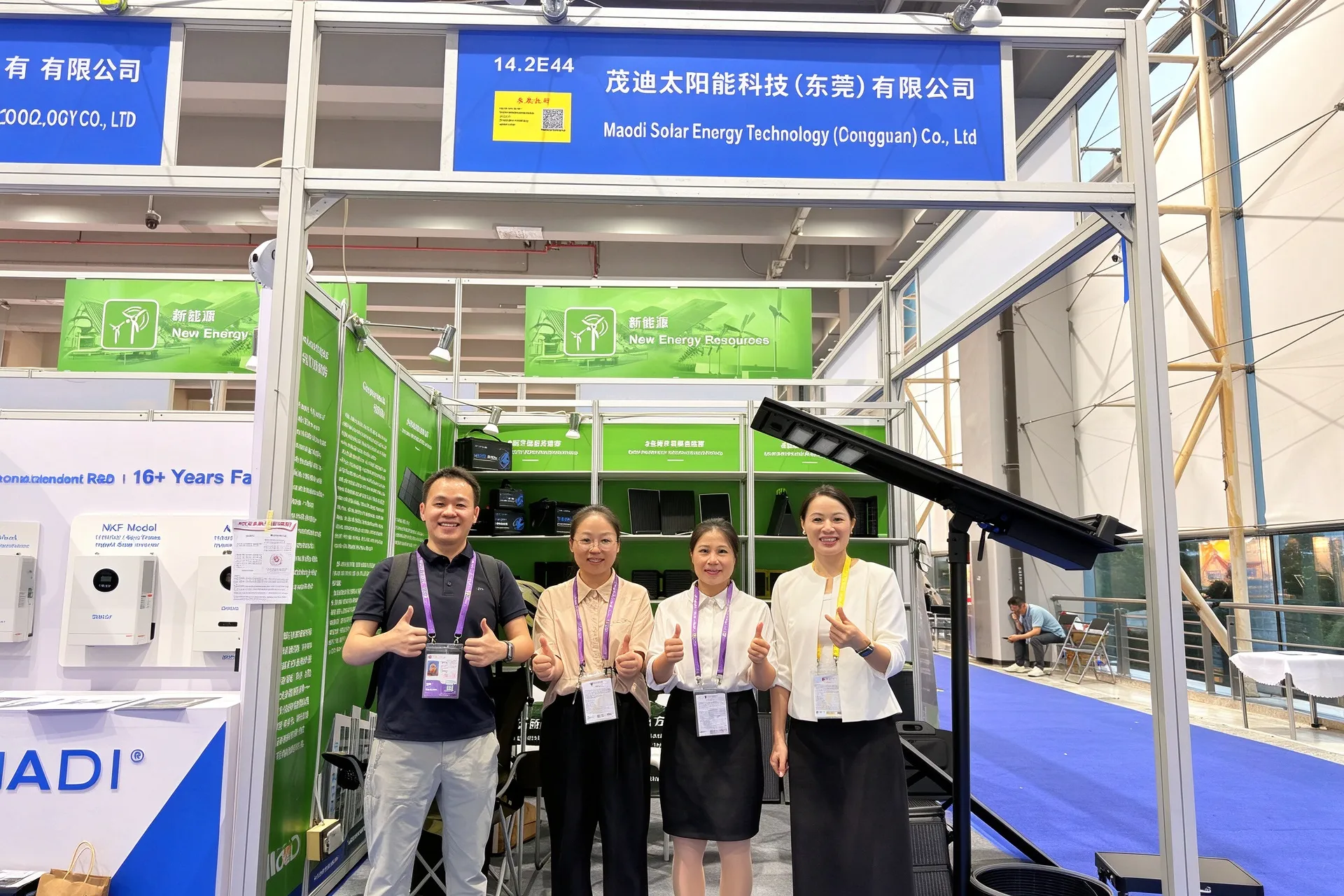
To learn about our factory strength and OEM/ODM capabilities, please see Custom OEM Portable Solar Panel Manufacturer for Global Wholesalers.
5. Why Custom Solar Panels Are a Good Business
As a wholesaler/distributor, standard products only lead to price competition — customization is the way out.
Market drivers: Demand for camping, RV, marine, emergency energy storage, and off-grid applications continues to grow in North America, Europe, Southeast Asia, and Oceania. End customers want products “adapted to local scenarios,” not uniform standard panels.
Commercial value of customization:
-
Brand differentiation: Logo, appearance, and packaging for private label to build local brand recognition
-
Scenario adaptation: Customize power, size, and connectors for mainstream regional scenarios
-
Higher margins: Direct factory connection eliminates middlemen and lowers procurement costs
-
Inventory flexibility: Gradient MOQs support small trial orders plus peak-season volume, reducing inventory risk
Who is suitable for customization: Brand owners, regional distributors, engineering project contractors, and e-commerce private label sellers.
Risk warnings: Inventory forecasting, certification compliance, and supplier stability — the deeper the customization, the more these three points must be planned in advance.
6. How to Build a Custom Solar Panel Product Line from Scratch
Six steps:
-
Choose scenarios — lock in 1–2 main scenarios first (e.g., RV + camping), don’t spread across all categories at once
-
Define specifications — write clear requirements based on the 7 items in Section 2
-
Find factories — screen according to the signals in Section 4, compare at least 3
-
Sample validation — actual power measurement, structure durability, packaging confirmation
-
Certification compliance — complete certifications for the target market
-
Small trial order → scale up — use gradient MOQs for trial orders first, then scale up after market validation
Product line planning suggestions:
| Positioning | Power Range | Customization Level | Role |
|---|---|---|---|
| Entry level | 20–60W | Logo/packaging | Traffic driver, market testing |
| Main product | 100–200W | Parameters + connectors + packaging | Volume driver, main profit |
| High-end | 300–400W | Structure/encapsulation/ODM | Differentiation, margin boost |
Brand assets: Logo, color box, multilingual manuals, and complete certification documents — these directly affect retail sales and customs clearance.
Cooperation models with factories: OEM private label, ODM development, spot wholesale, and long-term strategic supply — choose according to your stage.
For the cooperation process and inquiries, please see our OEM/ODM customization service page.
7. Inquiry and Negotiation Playbook
10 questions to ask factories during inquiry:
-
What is the MOQ for this specification? Can the first order be flexible?
-
How much is the sample fee? Can it be deducted from bulk orders?
-
What are the sampling and bulk lead times?
-
Which certifications do you have? Who is the certificate holder?
-
What are the payment terms and ratios?
-
Which Incoterms do you support (EXW/FOB/CIF/DDP)?
-
What is the warranty period and after-sales policy?
-
What is the monthly capacity and peak-season scheduling?
-
Can you provide cooperation cases in the same category?
-
How do you handle material price increases?
Negotiation levers: volume, repeat order commitment, off-peak scheduling, long-term agreements.
Contract points: specification sheet as an attachment, inspection standards, lead time penalty clauses, warranty clauses, and certification responsibility allocation.
Supply chain risk control: backup dual suppliers, stocking of key materials, and certification expiration renewal reminders.
8. Shared Pitfall-Avoidance Checklist for Both Sides
Common buyer mistakes:
-
Comparing only price without comparing specifications
-
Skipping sampling to save time, resulting in bulk production failures
-
Not writing specifications into the contract
-
Ignoring certifications, leading to customs clearance issues
-
Not ordering before peak season, causing lead time to spiral out of control
Common merchant mistakes:
-
Choosing the wrong factory (trading company posing as a factory)
-
Miscalculating MOQ, leading to overstock or stockouts
-
Incomplete certifications, making the target market unsellable
-
Non-compliant packaging/manuals
-
Only verbal promises on lead time
Buyer/merchant checklist:
| Check Item | Buyer | Merchant |
|---|---|---|
| Written confirmation of specifications | ✅ | ✅ |
| Sample validation | ✅ | ✅ |
| Certification matching the market | ✅ | ✅ |
| MOQ matching inventory | — | ✅ |
| Lead time written into contract | ✅ | ✅ |
| Packaging and documentation compliance | ✅ | ✅ |
Conclusion
The success of custom solar panels comes down to one sentence: clear specifications + a reliable factory + terms that are implemented. The value of a wholesaler is not in getting the lowest quote, but in translating end-scenario requirements into specifications the factory can execute, and locking down MOQ, lead time, and certifications in the contract.
-
Buyers: clarify the 7 specifications first, then compare prices; sample first, then scale up.
-
Merchants: lock in scenarios for differentiation first, then use gradient MOQs to control inventory risk.
For quotes, samples, or factory visits, please contact us — we provide OEM/ODM customization, fast sampling, and global compliance support.
Related Posts
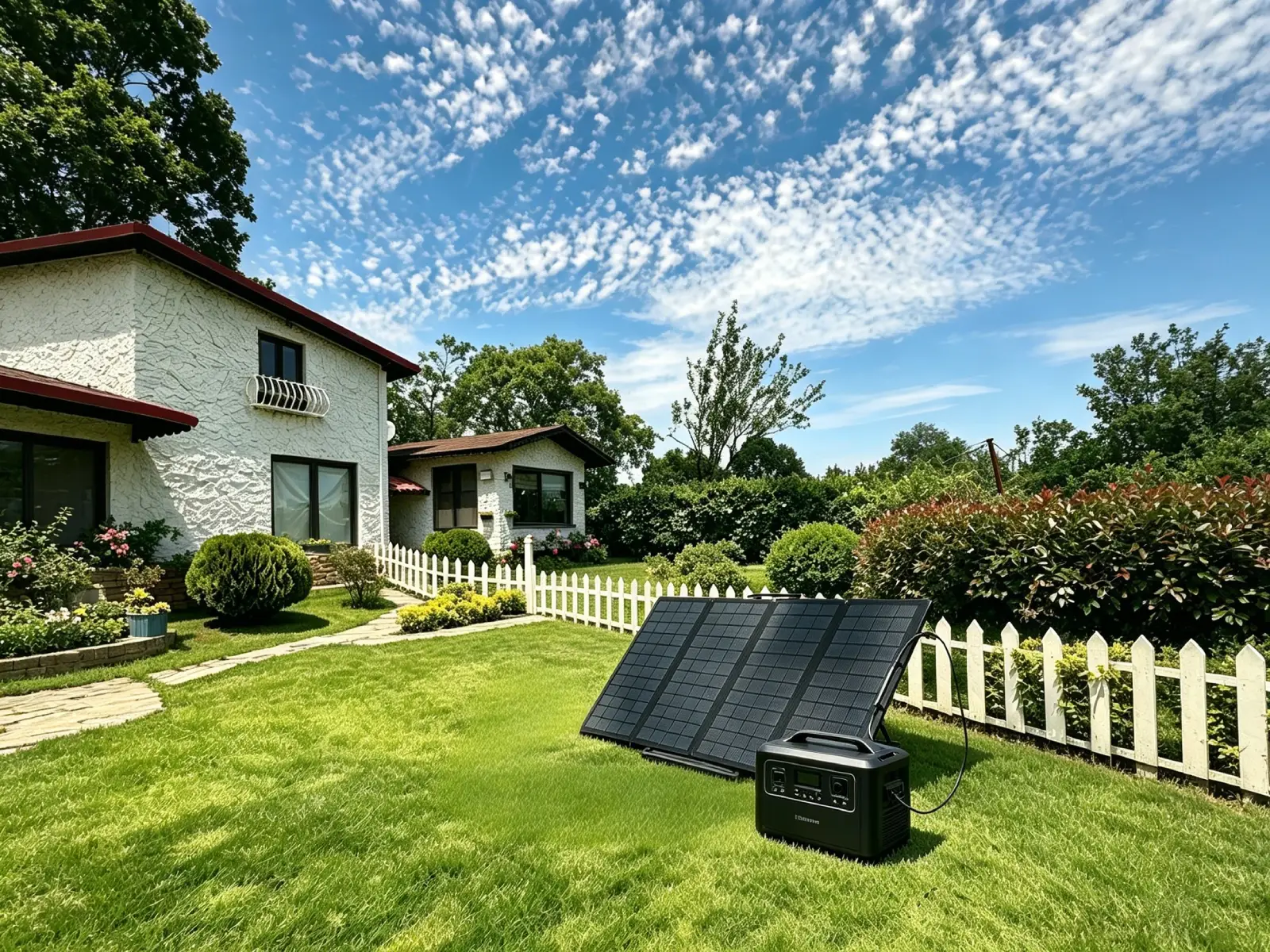
How to Source High-Quality Wholesale Portable Solar Panels From China
Portable solar panels (outdoor camping solar chargers, flexible folding PV modules) are mainly manufactured in…

Gaotu Solar Motorized Awning Wholesale | High Margin Shade Solutions for Awning Distributors
1. Pain Points of Traditional Awning Business Every awning wholesaler knows the struggles: generic products…
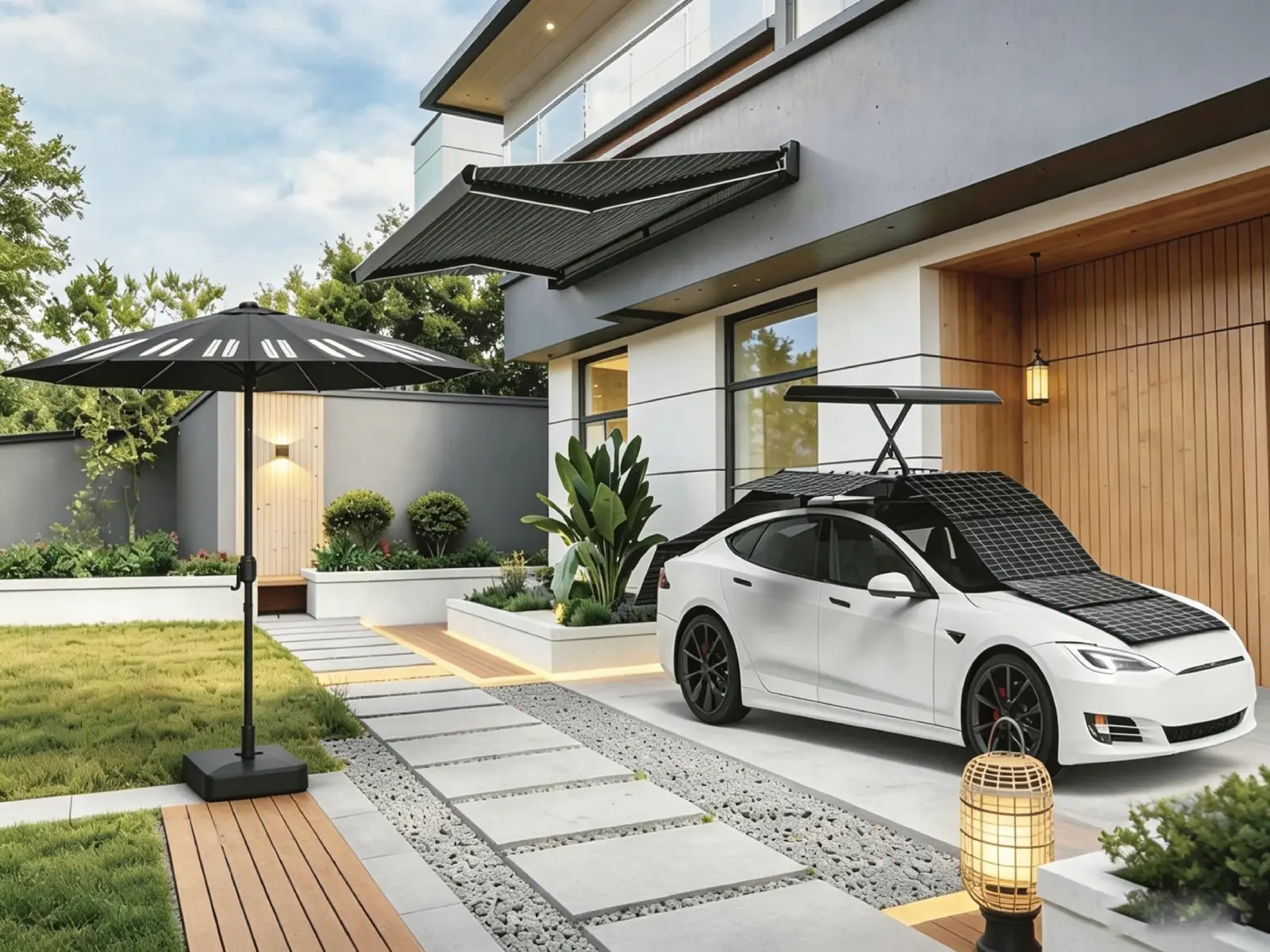
Development Trends of Outdoor Solar Products
From Standalone Power Generation to All-in-One Outdoor Living Energy Solutions In recent years, outdoor activities…
Leave a Reply