

Solar Power Knowledge
Best Flexible Solar Panel Manufacturers | B2B Guide (RV & Marine)
 gaotu
gaotu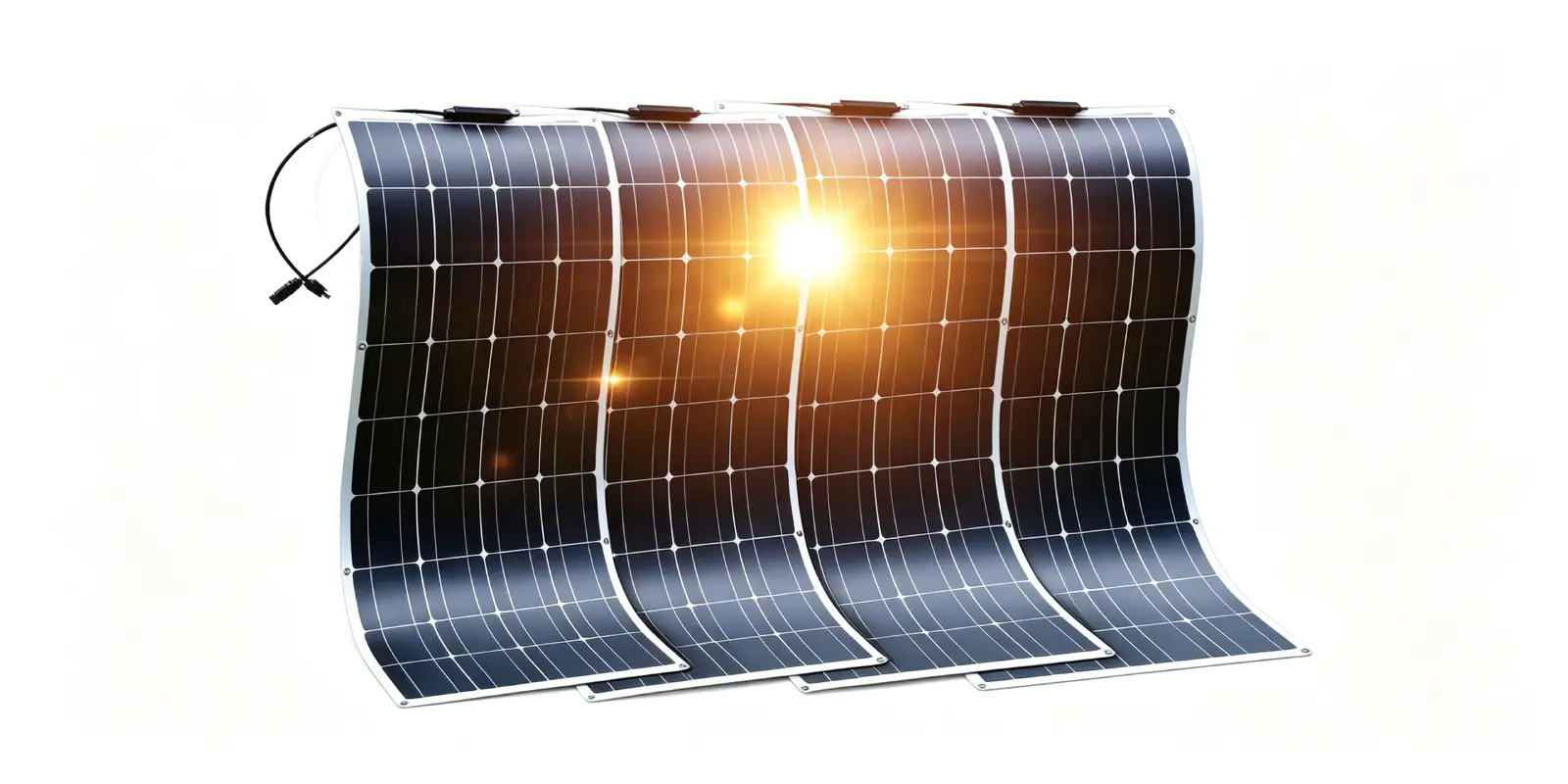
Quick Answer
Choosing among flexible solar panel manufacturers for RV and marine B2B projects is not about picking one universal top‑ranked brand. Reliable sourcing depends on mechanical durability, electrical batch consistency, valid matching certifications, clear RMA policy and responsive PV engineering support. Monocrystalline flexible panels work for most RV fleets, while CIGS thin‑film suits large curved marine surfaces. Always validate datasheets, test reports and physical samples before bulk orders, do not trust online sponsored ranking lists.
Core Takeaways
- No single flexible solar panel manufacturers fits all B2B scenarios; select suppliers based on your actual RV, marine or off‑grid application.
- Use the 7‑point vendor checklist to audit mechanical performance, electrical stability, certificates, batch traceability, RMA rules, commercial terms and engineering support.
- Monocrystalline flexible panels are the mainstream RV solution; CIGS thin‑film is better for big curved hulls but requires extra internal technical training.
- Beware of common risks: cold‑weather Voc over‑voltage, certificate mismatch, poor encapsulation causing salt‑water ingress and ambiguous after‑sales terms.
- Even for OEM partners like GTPOW, sample testing and document verification are required before large‑volume procurement.
Intro
Flexible solar panel manufacturers are everywhere online, but finding a reliable one for RV, marine and off‑grid B2B projects is far from simple. Countless “top manufacturer” lists circulate across blogs, forums and social media, yet most are sponsored, opinion‑based, or written by people without hands‑on bulk procurement experience. For B2B buyers, what truly matters is not a generic #1 brand, but whether a supplier matches your project requirements: mechanical durability, consistent electrical performance, valid certifications, batch‑to‑batch stability, clear RMA policy and responsive engineering support. Poorly‑sourced flexible panels create costly field failures: delamination under continuous bending, mismatched output burning MPPT controllers, invalid certificates blocking customs clearance, and endless after‑sales disputes. This B2B guide cuts through marketing noise. It shares actionable evaluation criteria for sourcing flexible solar panels, compares major supplier archetypes for RV & marine applications, and outlines common pitfalls wholesale buyers should avoid.
Quick Tip: Always base vendor decisions on official datasheets, test reports and physical sample validation, not website marketing copy or forum anecdotes.
Why Flexible Solar Panels Need Extra Care in B2B Sourcing
Rigid solar modules follow relatively mature industry standards. Flexible panels operate in harsher real‑world conditions: repeated bending, vibration on moving vehicles, constant salt spray on yachts, uneven mounting surfaces. Many hidden risks do not show up in initial sample testing, and only emerge after mass deployment:
- Degradation caused by repeated bending beyond rated radius
- Wide Voc spread across production batches triggering controller faults
- Counterfeit or transfer‑use certificates that cannot pass import inspection
- Weak encapsulation leading to water ingress in marine environments
- Ambiguous warranty and RMA terms leaving integrators to cover repair costs
RV aftermarket, superyacht integration and remote off‑grid projects each carry distinct failure risks. Your supplier must understand these application differences instead of only selling generic flexible SKUs.
7‑Point B2B Vendor Verification Checklist for Flexible Solar Panels
Before shortlisting flexible solar panel manufacturers, use this checklist during supplier due diligence. Request written documentation for every item before placing bulk orders.
- Mechanical performance documentation Ask for clear published bending radius, static and dynamic bend test results. Confirm which installation behaviours void warranty: sharp folds, walking on panels, excessive tension during mounting. Confirm material resistance to UV, salt‑mist for marine projects.
- Electrical consistency & temperature behaviour STC power ratings are baseline only. Focus on temperature coefficient, cold‑temperature Voc values. High open‑circuit voltage in cold weather is one of the top causes of burnt charge controllers in RV fleets. Require batch electrical tolerance data to reduce system‑level faults.
- Valid, matching certifications Certificates must correspond exactly to your ordered model, factory location and product serial range. Reject “similar‑model certificates”. For European or North American imports, verify test lab validity and document availability for customs.
- Batch traceability & EL inspection records Confirm every production batch carries traceable batch IDs. Ask for EL testing reports showing internal micro‑crack rates. Good suppliers notify customers when cell or encapsulation material formulations change.
- Clear RMA & return mechanism Clarify fault‑claim procedure, required evidence, turnaround lead‑time, and freight responsibility for defective goods. Define support arrangements during peak shipping seasons, to avoid project delays when failures occur in the field.
- Commercial fit for your business Confirm MOQ range, OEM/ODM feasibility, lead‑time, payment terms. Discuss how the supplier handles end‑of‑life product revisions and leftover stock, which is critical for resellers.
- Direct engineering support access Avoid vendors who only offer generic ticket‑based customer service. For B2B deployments, you need direct access to PV engineers to resolve installation anomalies, system‑matching questions and custom‑spec requests.
Application‑Specific Requirements: RV, Marine & Off‑Grid
RV & Van Conversion Aftermarket
Most demand is for standard power formats (100 W‑400 W). Key priorities: reliable junction box and connector quality, easy‑to‑fit form factors, spare part availability for repeat orders. Resellers also need marketing assets, product images and specification documents for their storefronts.
Marine & Superyacht Integration
Salt‑mist corrosion resistance is non‑negotiable. Waterproofing of junction boxes and cable exits must be proven by formal testing, not just marketing “waterproof” labels. You will need complete technical dossiers for boat survey and compliance checks. Custom cut‑to‑shape panels are frequently required for curved hull surfaces.
Remote Off‑Grid Cabins & Small Mobile Installations
Batch‑to‑batch Voc consistency becomes critical. Mismatched panel outputs increase maintenance workload for off‑grid operators. Shadow tolerance and long‑term degradation rates deserve extra attention.
Flexible PV Technology Comparison: Monocrystalline vs CIGS Thin‑Film
Monocrystalline‑based Flexible Solar Panels
This is today’s dominant solution for RV B2B markets.
✅ Pros: Mature IV characteristics, wide controller compatibility, high conversion efficiency, stable supply chain, well‑understood installation rules.
⚠️ Risks: Cold‑weather Voc overshoot; performance drops sharply under heavy local shading; performance loss if bent beyond specification limits.
CIGS Thin‑Film Flexible Panels
✅ Pros: Superior partial‑shade performance; excellent adaptability for large continuous curved surfaces.
⚠️ Risks: System designers require extra technical training; datasheet parameters must be carefully validated; overall efficiency is generally lower than high‑end mono flexible products.
Important note: Do not copy marketing‑stated bend angles or efficiency numbers directly into your quotations. Always cross‑check against original test‑report conditions.
Major Flexible Solar Panel Vendor Archetypes (B2B Overview)
Below is a categorised comparison of common flexible solar panel manufacturers, their strengths and critical risk points for wholesale buyers. No single manufacturer fits every project profile.
| Vendor Type | Typical Examples | Core Strengths | Key Points To Verify |
|---|---|---|---|
| Global consumer retail brands | Renogy | Abundant SKUs, ready‑made marketing materials for resellers | Wholesale price level, certificate‑model matching, bulk‑order response speed |
| Premium yacht‑grade brands | Maxeon‑based solutions | High power density, premium brand appeal for luxury projects | Price premium, confirm you receive current‑generation production units |
| Marine‑special custom fabricators | Solbian | Custom hull‑oriented shaping, deep marine integration experience | NRE development costs, production consistency across repeat batches, lead‑times |
| CIGS thin‑film specialists | MiaSolé, select boutique brands | Outstanding large‑curve fitting, partial‑shade performance | Internal technical training for your team, datasheet realism, real‑world degradation data |
| Low‑cost white‑label suppliers | Multiple China‑based commodity vendors | Aggressive unit pricing | Cell sorting quality, encapsulation reliability, high potential for after‑sales field failures |
| OEM‑focused flexible solar factory | GTPOW | Custom specs, private‑label packaging, scalable mass‑production | Sample‑to‑production consistency, full‑set document delivery, engineer response during project phases |
Even within the OEM‑factory category, thorough pre‑order validation is mandatory: test samples, audit certificates, and review RMA workflows before committing to large volume.
Field Tips To Reduce B2B After‑Sales Failures
- Record actual mounting bend radius for every project, keep records for warranty reference. Never exceed datasheet limits.
- Complete proper over‑current protection and cable sizing. Many “solar panel failures” originate from poor system wiring.
- Treat marketing claims such as “walk‑able” or “full marine grade” cautiously. Request formal test documentation instead of relying on web copy.
- Build direct contact with supplier technical staff, rather than relying only on sales representatives when troubleshooting fleet‑wide issues.
Gaotu innovation Position For B2B Flexible Solar Partnerships
As one of trusted flexible solar panel manufacturers, Gaotu innovation serves B2B clients needing flexible solar panels for RV, marine and mobile off‑grid applications, including OEM / ODM private‑label services. We deliver full datasheets, test reports and traceable batch documentation for bulk orders.
Our offering is not universal for every use‑case. We recommend you still run sample validation, check certificate alignment, confirm MOQ and commercial terms against your own project constraints. If you are evaluating flexible solar for your wholesale business or project, reach out to request our complete technical document package for your target SKUs.
FAQ
Q1: Which flexible solar panel manufacturer is the absolute best overall?
A: There is no universal best among flexible solar panel manufacturers. The correct choice depends on your application: RV aftermarket, luxury marine, budget resale or custom OEM. Use the 7‑point checklist above to filter suitable partners.
Q2: Should I choose monocrystalline flexible or CIGS thin‑film for my B2B project?
A: Monocrystalline flexible is the default safe pick for most RV fleets. CIGS works better for large continuous curved surfaces and heavy‑shade environments, but requires extra technical preparation on your side.
Q3: What documents must I ask suppliers to provide before bulk purchase?
A: Datasheet, certificate reports matching exact model, bend/salt‑mist test reports, batch‑traceability policy, formal RMA terms.
Q4: What kind of customers is GTPOW most suitable for?
A: Wholesalers, RV/marine integrators, and brands looking for OEM & ODM private‑label flexible solar solutions.
Related Posts
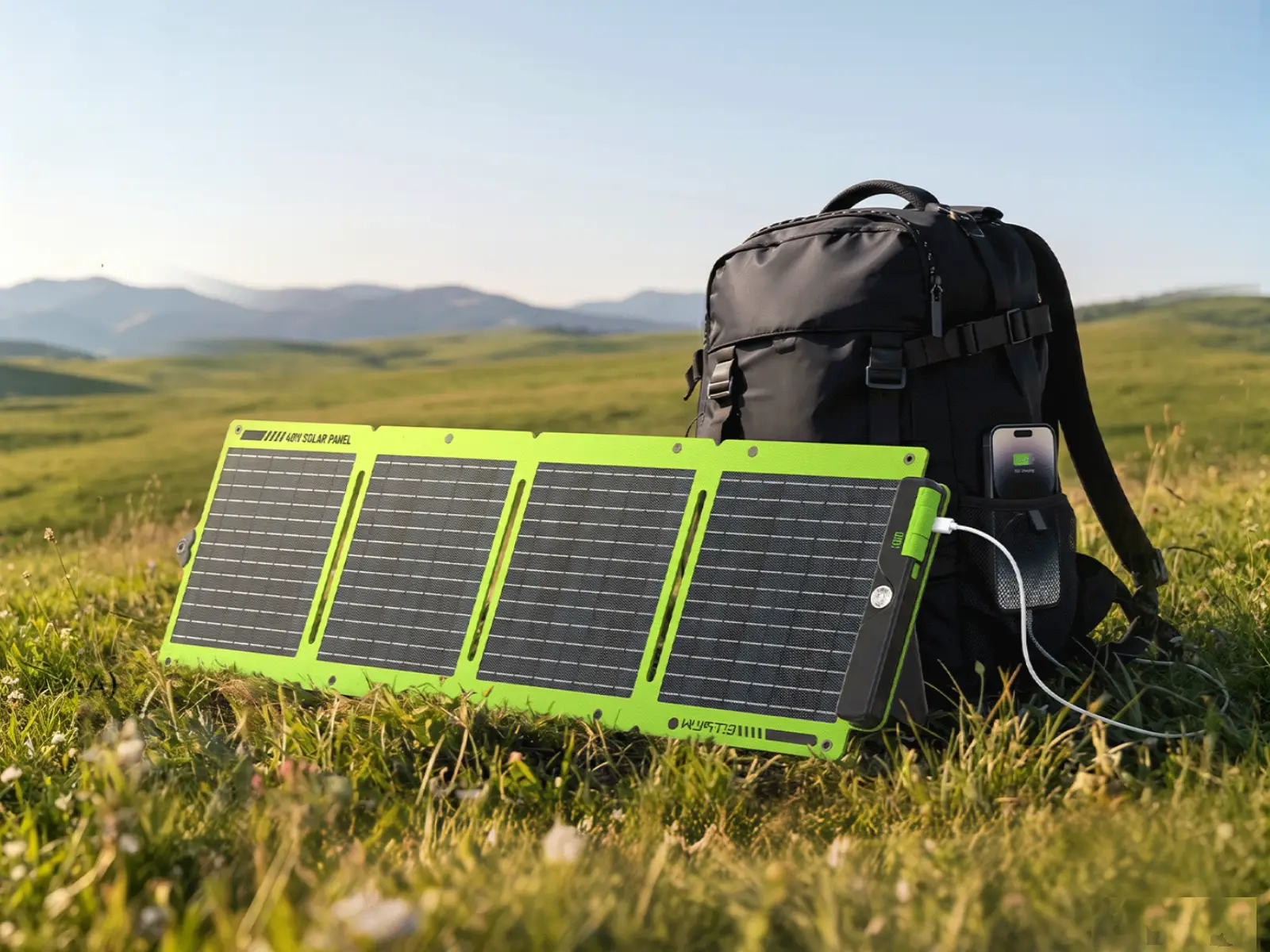
How Portable Solar Panels Benefit Your Camping Trips
Heading out of cities to embrace nature has made camping an increasingly popular way for…

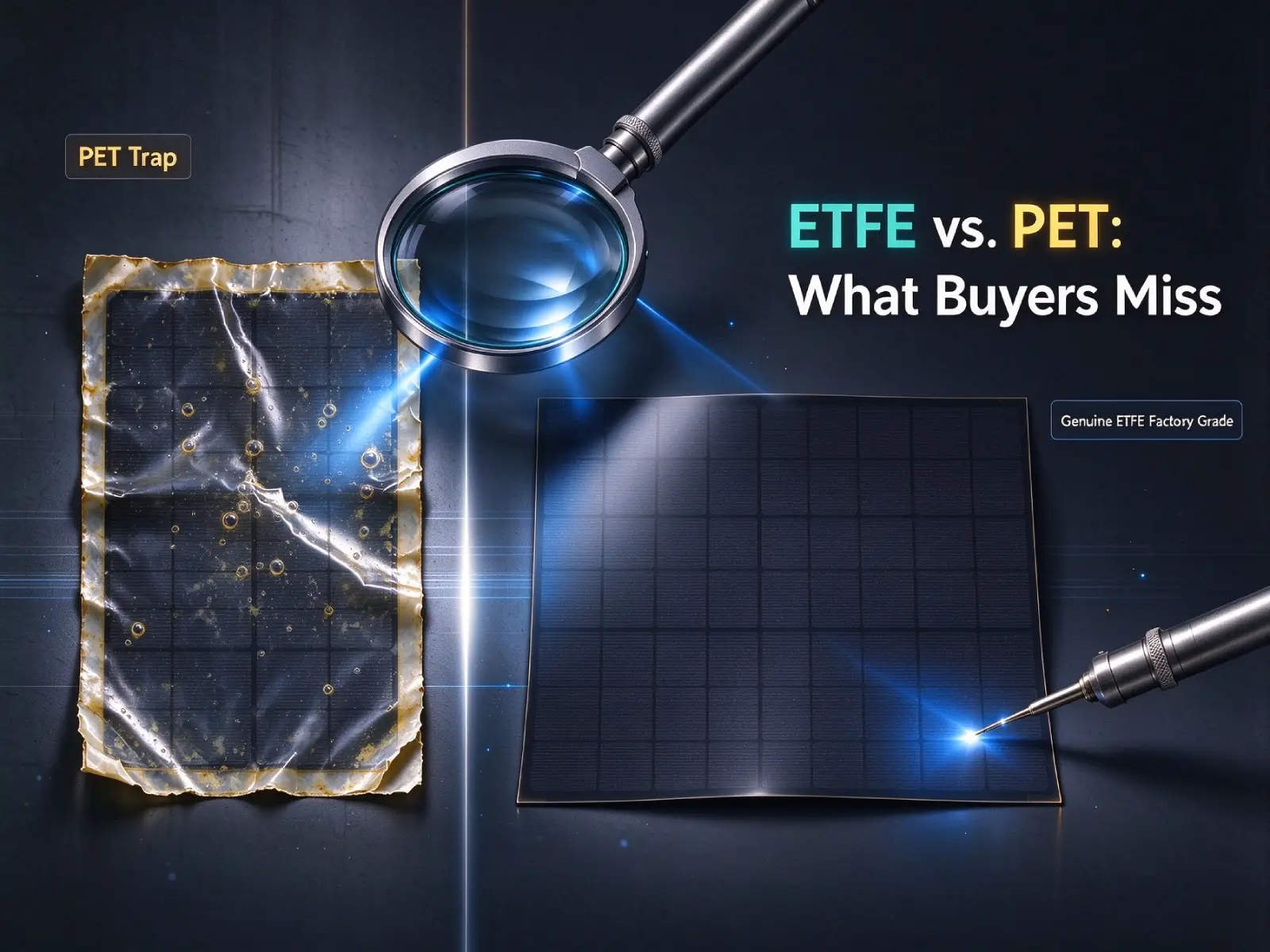
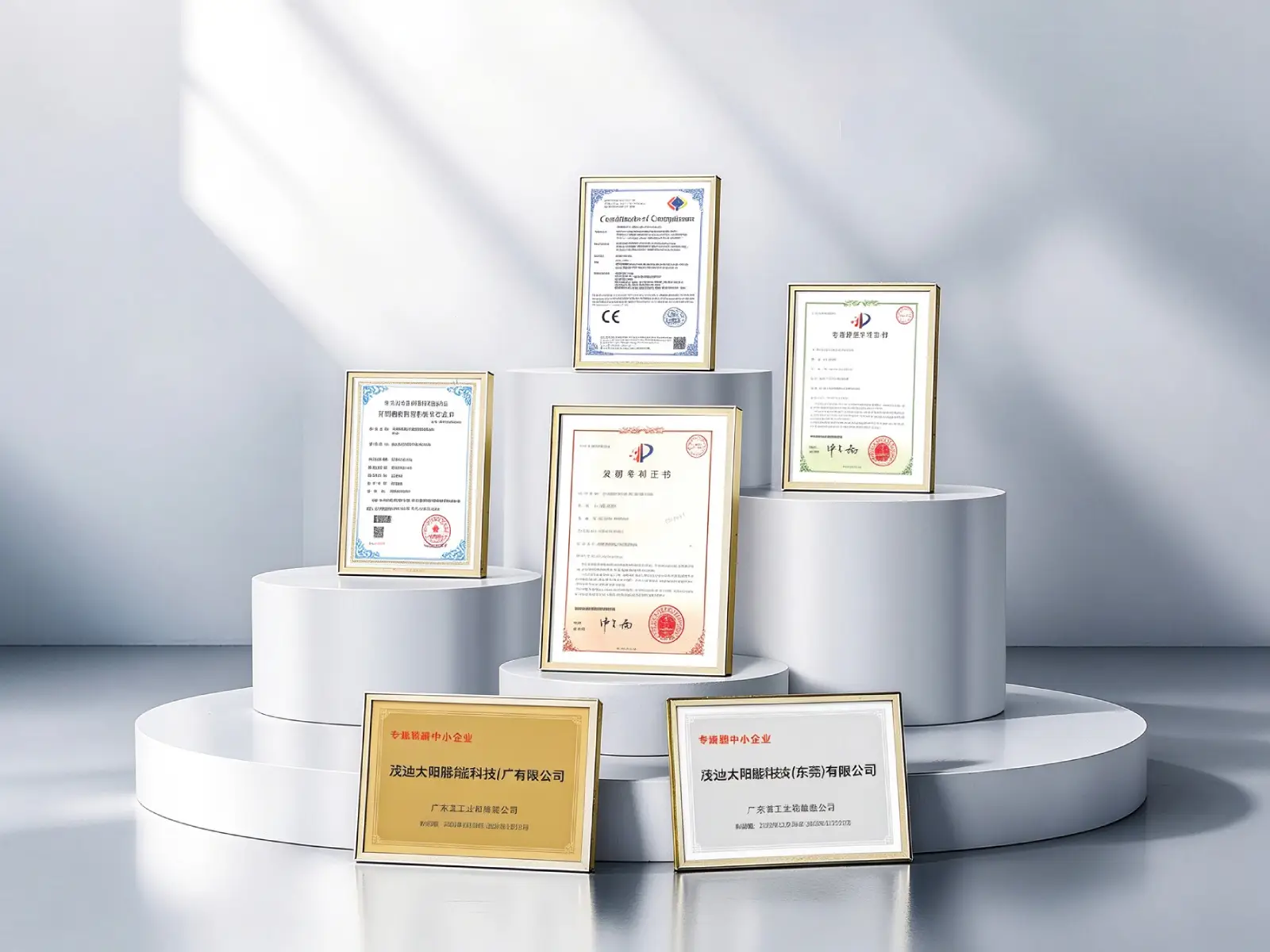
How to Choose a Solar Panel Manufacturer: 7 Verification Steps for 2026
Article summary: This guide provides 7 practical verification steps to distinguish genuine solar panel manufacturers…

Best Solar‑Powered Retractable Awning for Patio & Terrace 2026
If you own a villa, backyard patio or run a small commercial outdoor space, you’ve…

Leave a Reply