

Solar Power Knowledge
Wholesale Solar Panel Price per Watt: 2026 Buying Guide
 gaotu
gaotu
Article Summary
This guide breaks down 2026 wholesale solar panel B2B pricing in $/W. It covers N-Type TOPCon benchmark prices, key pricing drivers including cell tech, order quantity and brand tiers, plus practical negotiation tactics for EPCs, installers and distributors. Remember FOB factory prices differ greatly from final landed cost after freight, tariffs and warehouse markup.
Quick Answers
- 2026 FOB N-Type TOPCon price: $0.09–$0.13/W for high-volume Tier1 direct orders.
- Biggest price gap: Full container orders are cheaper; pallet small orders carry distributor premium.
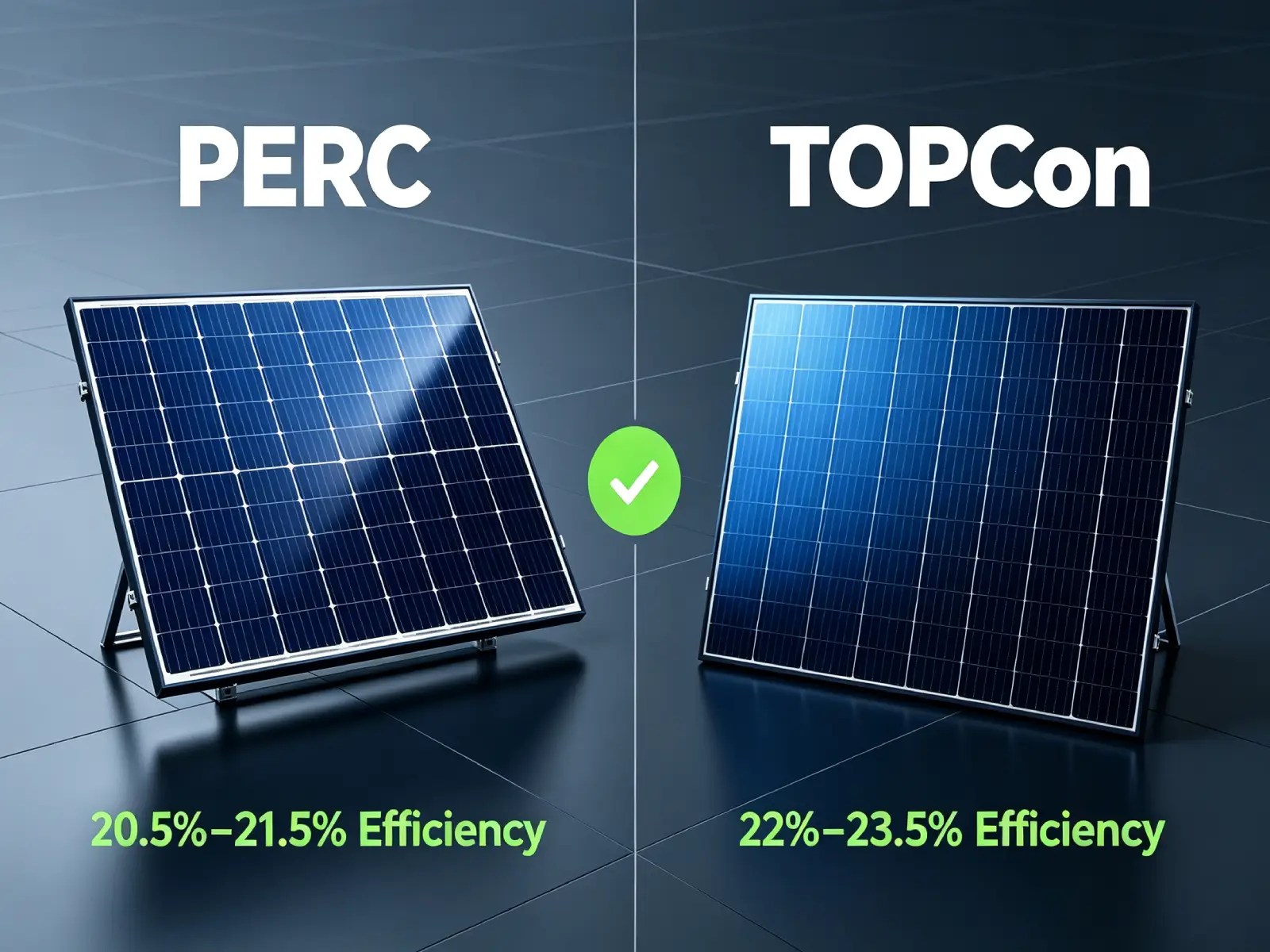
- Tech difference: N-Type TOPCon outperforms old P-type PERC with higher efficiency and lower degradation.
- Pro tip: Compare quotes on identical Incoterms (FOB / CIF / DDP) for fair apples-to-apples pricing.
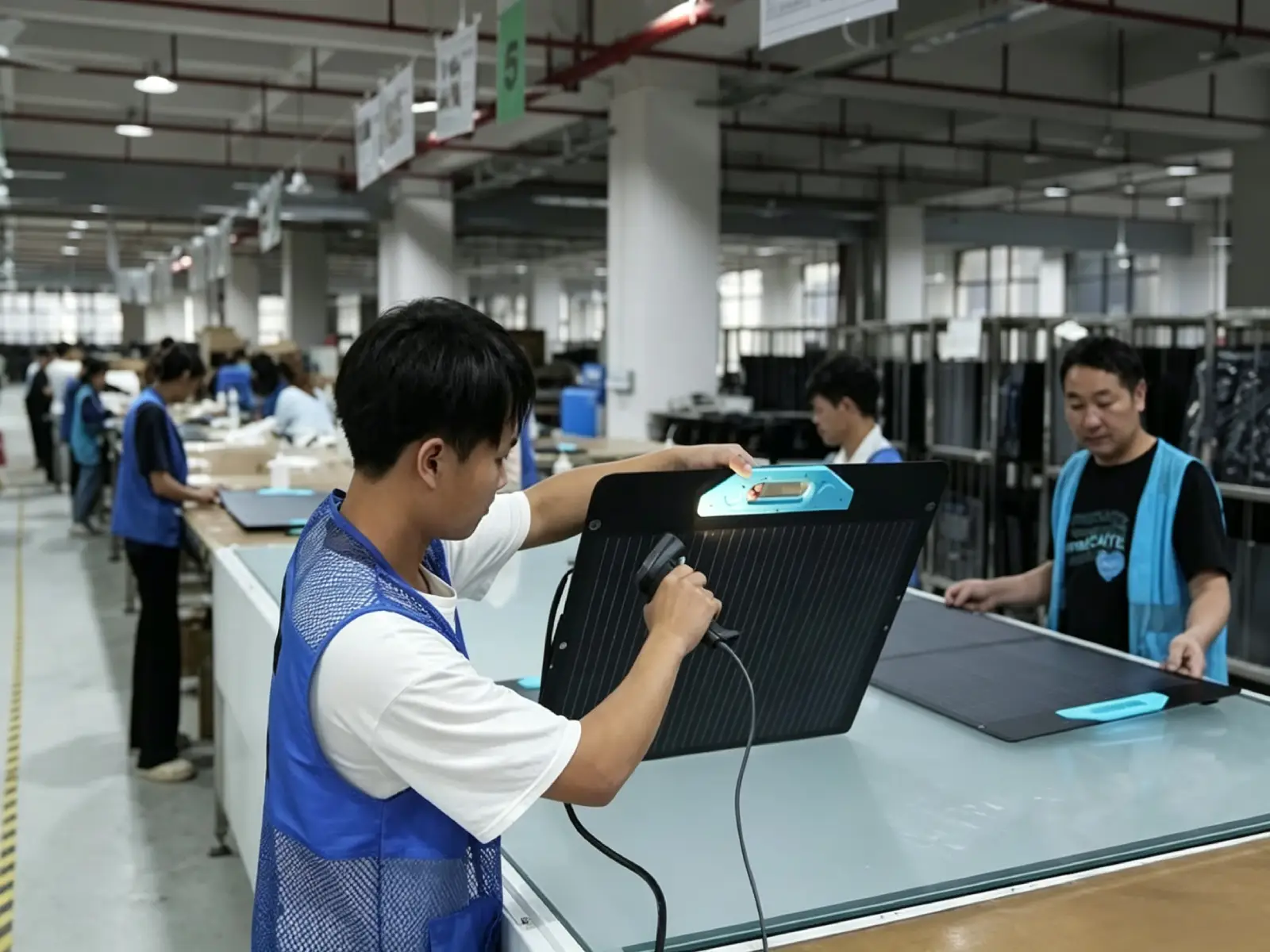
- Container Load (Factory-Direct): Securing the rock-bottom per-watt price requires ordering by the container. A standard 40ft High Cube (HC) container holds roughly 620 to 930 panels depending on the wattage and physical form factor. Sourcing at this tier cuts out intermediary markups entirely.
- Pallet Load (Regional Distribution): Smaller regional installers often require only 1 to 3 pallets (approx. 30 to 100 panels) for local jobs. Sourcing at the pallet level from domestic warehouses guarantees fast delivery times but introduces a premium to absorb regional freight handling, warehouse storage, and distributor margins.
- Isolate Incoterms: Never compare a raw FOB factory quote directly to a CIF (Cost, Insurance, and Freight) or DDP (Delivered Duty Paid) quote. Logistics overhead and local import duties can quickly overshadow minor differences in initial manufacturing costs.
- Harmonize Mechanical Specifications: Standard monofacial modules operate on different pricing structures compared to bifacial double-glass modules. Ensure you are conducting an apples-to-apples comparison across efficiency ratings, structural cell counts, and performance warranties (typically 12–15 years on materials, and 25–30 years on linear power output).
- Leverage Supply Agreements (SPA): If your company manages a rolling project pipeline across a calendar year, negotiate a rolling Supply Agreement. Committing to a yearly volume target allows you to lock in lower tier pricing brackets even if individual shipments go out one container at a time.
About GTPOW | Gaotu Innovation
We’re your trusted solar solution provider. We offer customized commercial solar systems, OEM & ODM services, and end-to-end support for North American businesses. Reach out to discuss your rooftop solar project today.
Email: info@gt-pow.com
Related Posts
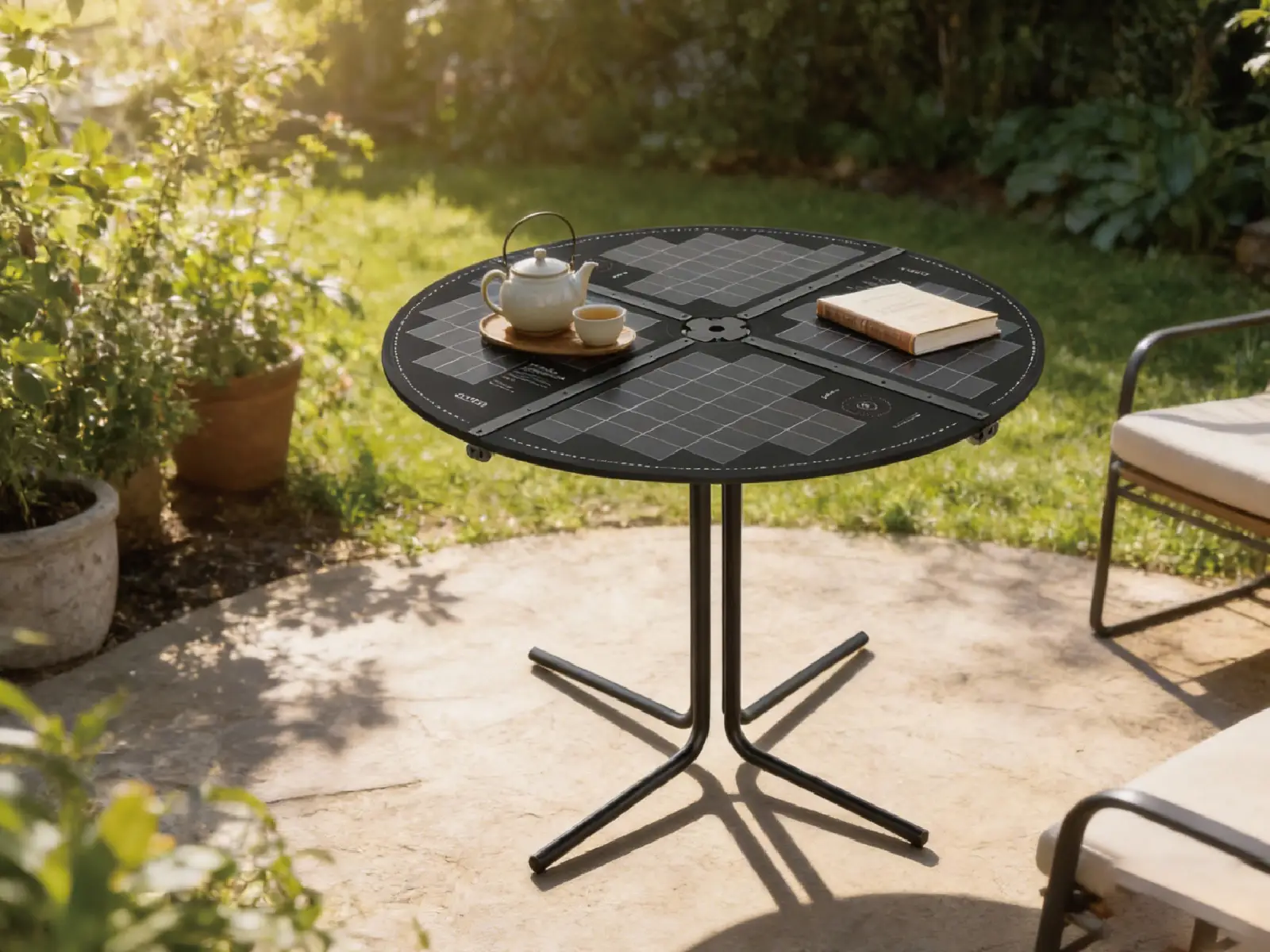
OEM ODM Solar Furniture Table | 25% High Conversion Solar Table for Global Distributors
Introduction: Why This Product Is a Must-Stock Item This Year Anyone in the outdoor energy…
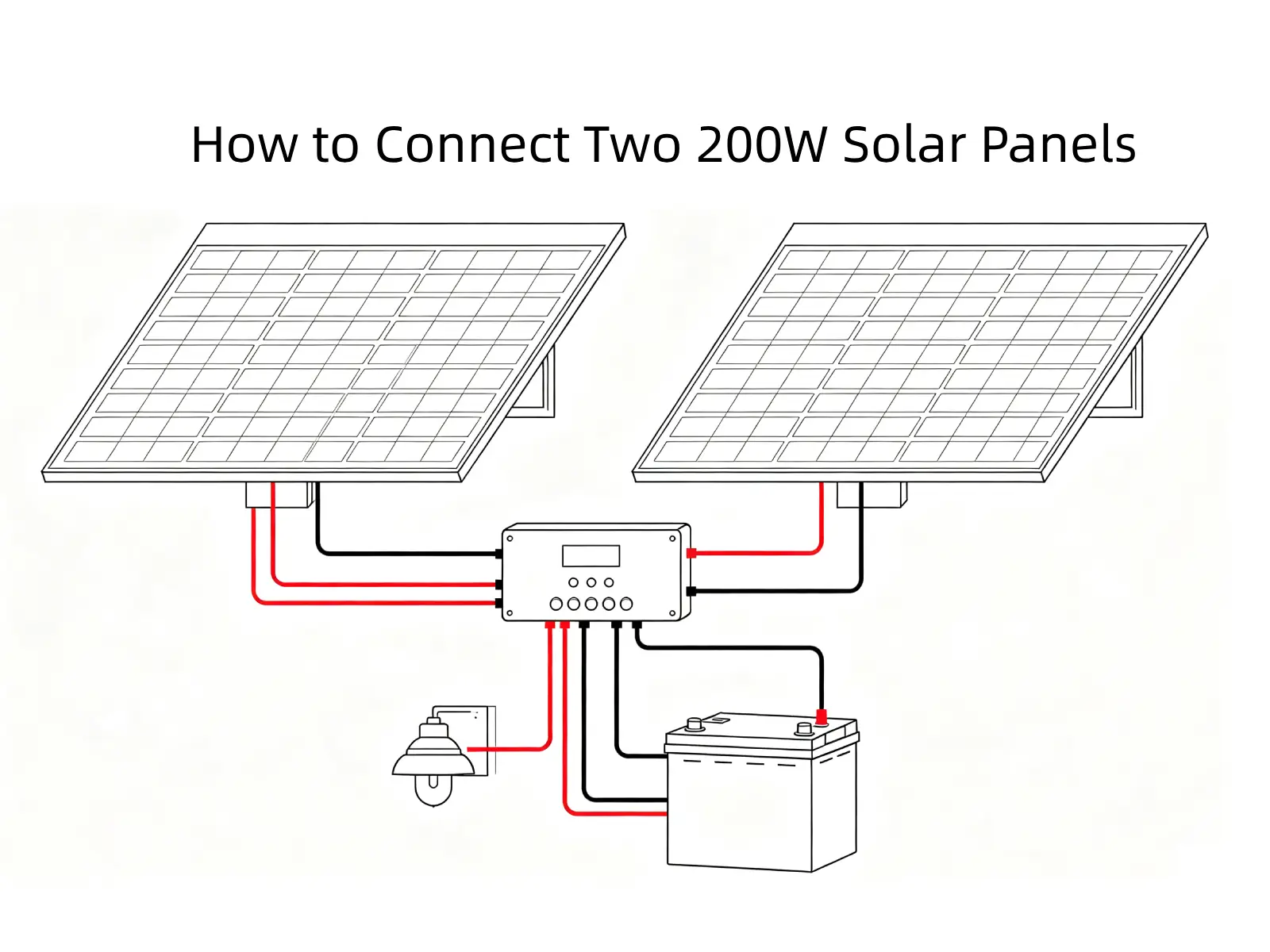
How to Connect Two 200W Solar Panels?
Total power output from two 200 W solar panels reaches 400 W. You have two common wiring…
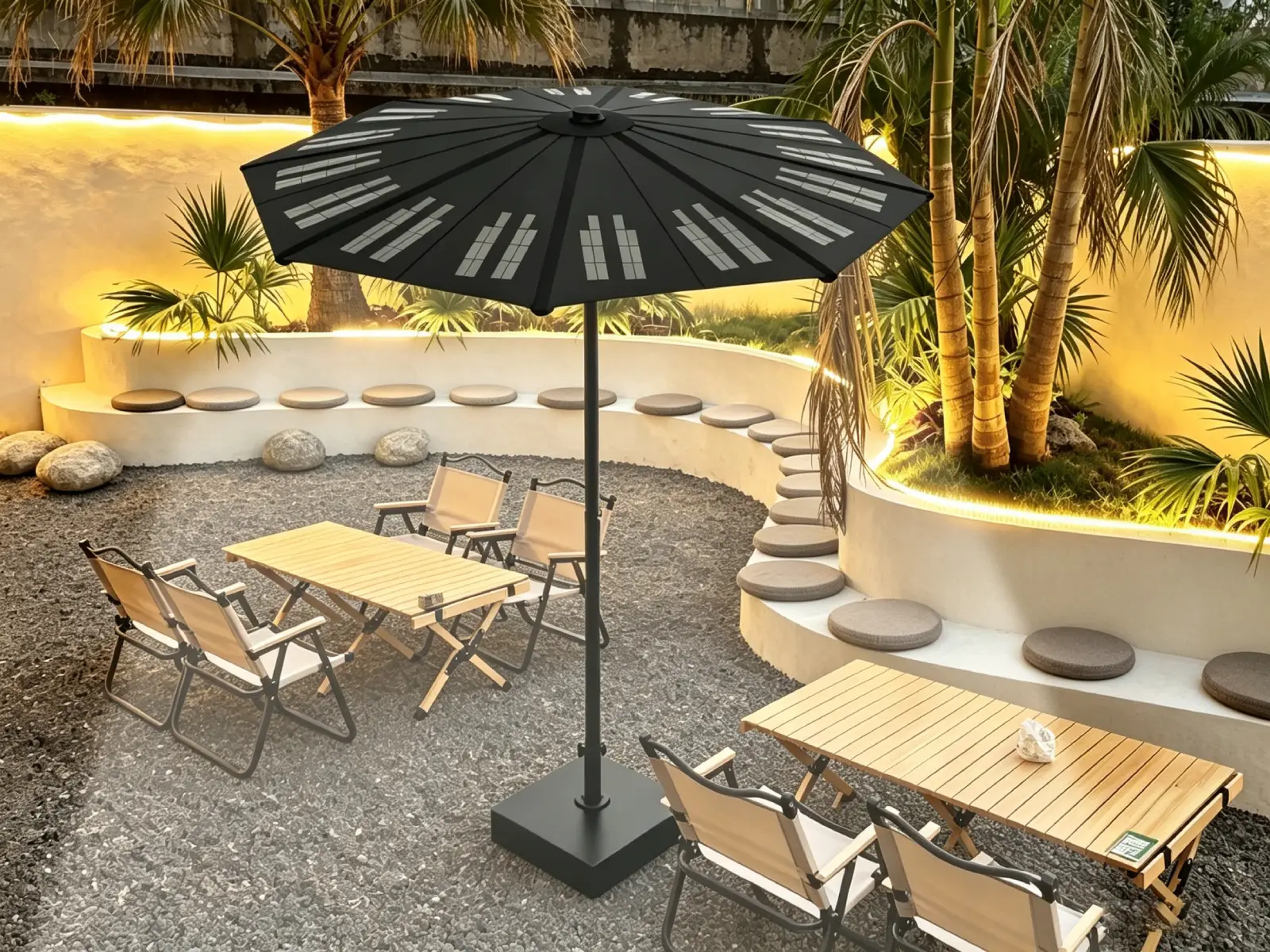
Gaotu Smart Solar Outdoor Umbrella | Tap Into the Fast-Growing Outdoor Clean Energy Market
The outdoor sector booms with new opportunities; ordinary shade umbrellas lack distinction. Markets for backyard…

Leave a Reply