

Solar Power Knowledge
Your Commercial Roof Condition Is the Hidden Cost Nobody Warns You About
 gaotu
gaotu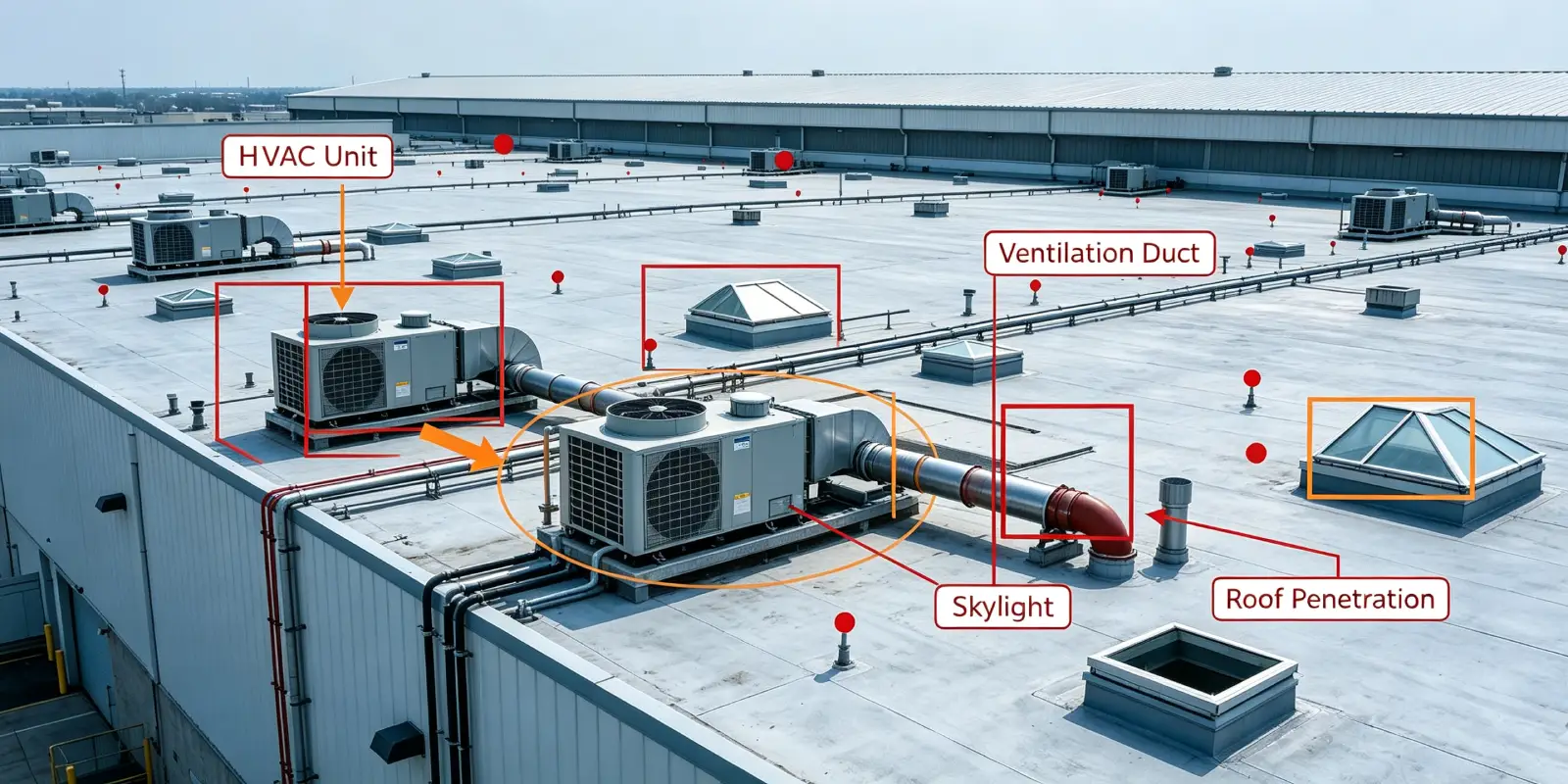
You’ve finally decided to put solar on your warehouse. You spent months comparing module brands, inverter models, and financing options. Then the EPC walks your commercial solar panel roof and comes back down with news: “Your roof needs structural reinforcement first.”
Then the EPC walks the roof and comes back down with news: “Your roof needs structural reinforcement first. It’ll be six figures.”
You pause. Nobody mentioned this.
This is the most underestimated part of commercial solar. Module prices are transparent. Inverter prices are transparent. But whether your roof can actually handle an array—and what it’ll cost to get it there—is something nobody can tell you from a satellite image.
Quick Answer: How Much Does Roof Condition Affect Cost?
Direct answer: Roof reinforcement or replacement can eat 10% to 25% of your total project budget.
A flat roof that looks “clean” from the ground might have insufficient structural capacity, a waterproofing membrane near the end of its life, or heavy equipment shading. You could be looking at an extra $15,000 to $80,000 just to get the roof ready—before a single panel goes up.
Worst case: your roof needs full replacement within 5 to 7 years. If you install solar first and replace the roof later, the cost of removing and reinstalling the array can wreck your project economics. The correct move is to replace the roof first—which means your “solar project” is actually a “roof + solar” project, and your budget doubles.
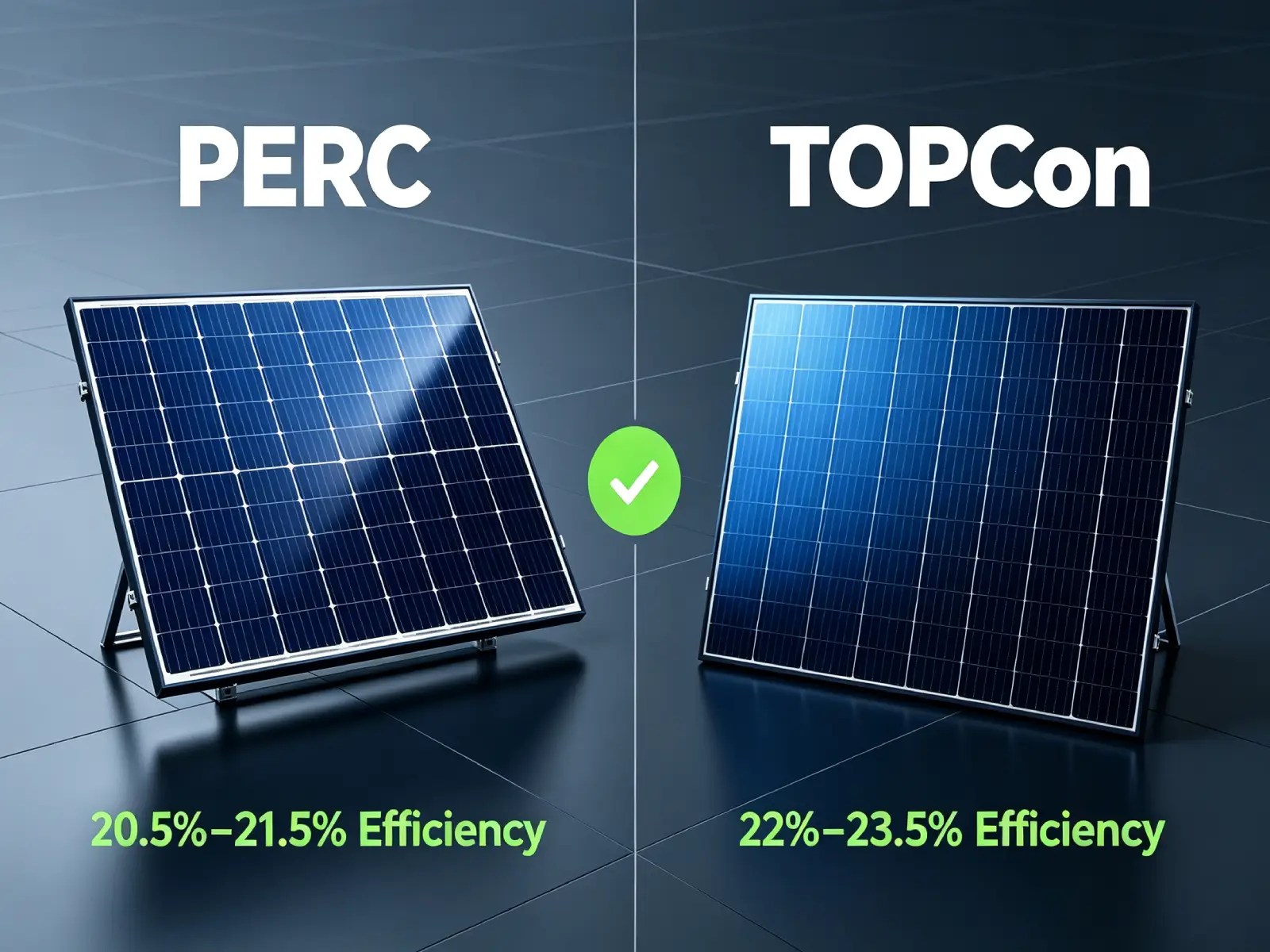
So before you choose between TOPCon and PERC, figure out whether your roof can take the load. This is a higher priority than any module comparison.
For the full picture of what drives commercial solar rooftop installation cost, including roof-related line items, see our complete cost guide.
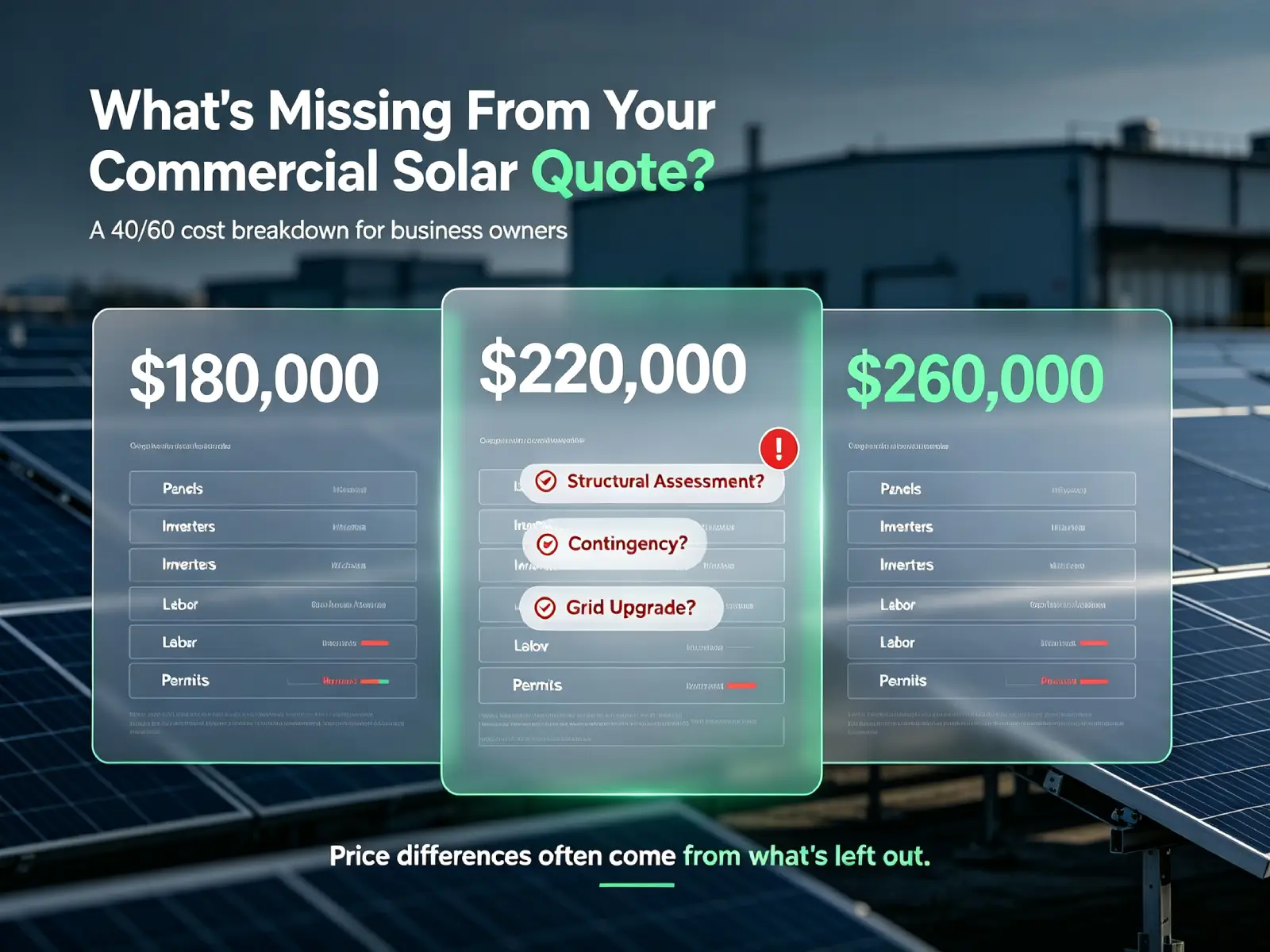
And when you get quotes, make sure what’s actually included in a commercial solar quote lists roof work as a separate line item.
Three Commercial Roof Types, Three Completely Different Installations
Commercial roofs are not one thing. Your roof type directly determines the mounting method, cost, and risk.
Type 1: Flat / Low-Slope Roof (TPO, EPDM, Modified Bitumen)
The most common roof type on warehouses and logistics centers. Mounting is typically ballasted—concrete blocks hold down the racking without penetrating the membrane.
The upside: no drilling, no membrane damage, fast installation. The downside: weight. Ballasted systems add roughly 4 to 6 pounds per square foot. If your building was designed under older codes, that extra load may exceed capacity. A structural engineer needs to get on the roof and calculate whether your trusses and purlins can take it.
Type 2: Metal Roof (Standing Seam)
Common on manufacturing plants and some warehouses. Mounting uses clamps that grip the standing seam—no penetration at all. This is the most maintenance-friendly, least invasive option.
But it only works if your metal roof panels are in good condition. If the panels are corroded, fasteners are loose, or the seam profile is non-standard, clamps may not work. Someone needs to physically inspect the panel section and fastening.
Type 3: Pitched / Shingle Roof
Found on smaller commercial buildings or retrofit projects. Requires penetrating the roof, anchoring to structure, and flashing. Higher labor cost, higher leak risk. If your roof is shingle, there’s basically no “no-penetration” option.
More Critical Than Mounting Method: How Many Years Your Roof Has Left
This is the most overlooked question.
A solar system is designed for 25 years. But if your roof has only 10 years of life left, you face a choice:
Option A: Install solar now, replace the roof in 10 years. When the roof gets replaced, the array has to come off first, then go back on. Removal and reinstallation costs roughly 30% to 50% of the original install cost. On a $200,000 system, that’s an extra $60,000 to $100,000. And during the removal period, the system isn’t generating—lost production is also a cost.
Option B: Replace the roof first, then install solar. You do both at once, and the solar’s 25-year warranty aligns with the roof’s warranty. But you have to spend the roof money upfront, which may disrupt your budget and approval timeline.
Roof age directly affects your payback — see our commercial solar ROI for warehouses guide to see how to model it.
There is no third option. If your roof is at the end of its life, skipping it before installing solar is planting a time bomb. The roofing industry consensus is clear: system life is 25 to 30 years, and the roof must be in good condition.
Hidden Costs You Only Find on the Roof
Structural reinforcement. Older industrial buildings were designed without considering the extra load of a solar array. Reinforcement might mean adding supports, replacing members—costs ranging from tens of thousands to hundreds of thousands. Nobody can tell you from a satellite image whether you need it.
Fire access and maintenance pathways. Fire codes require maintenance walkways between array rows and safe distances from parapet walls. These spaces directly reduce your usable area—and therefore your capacity.
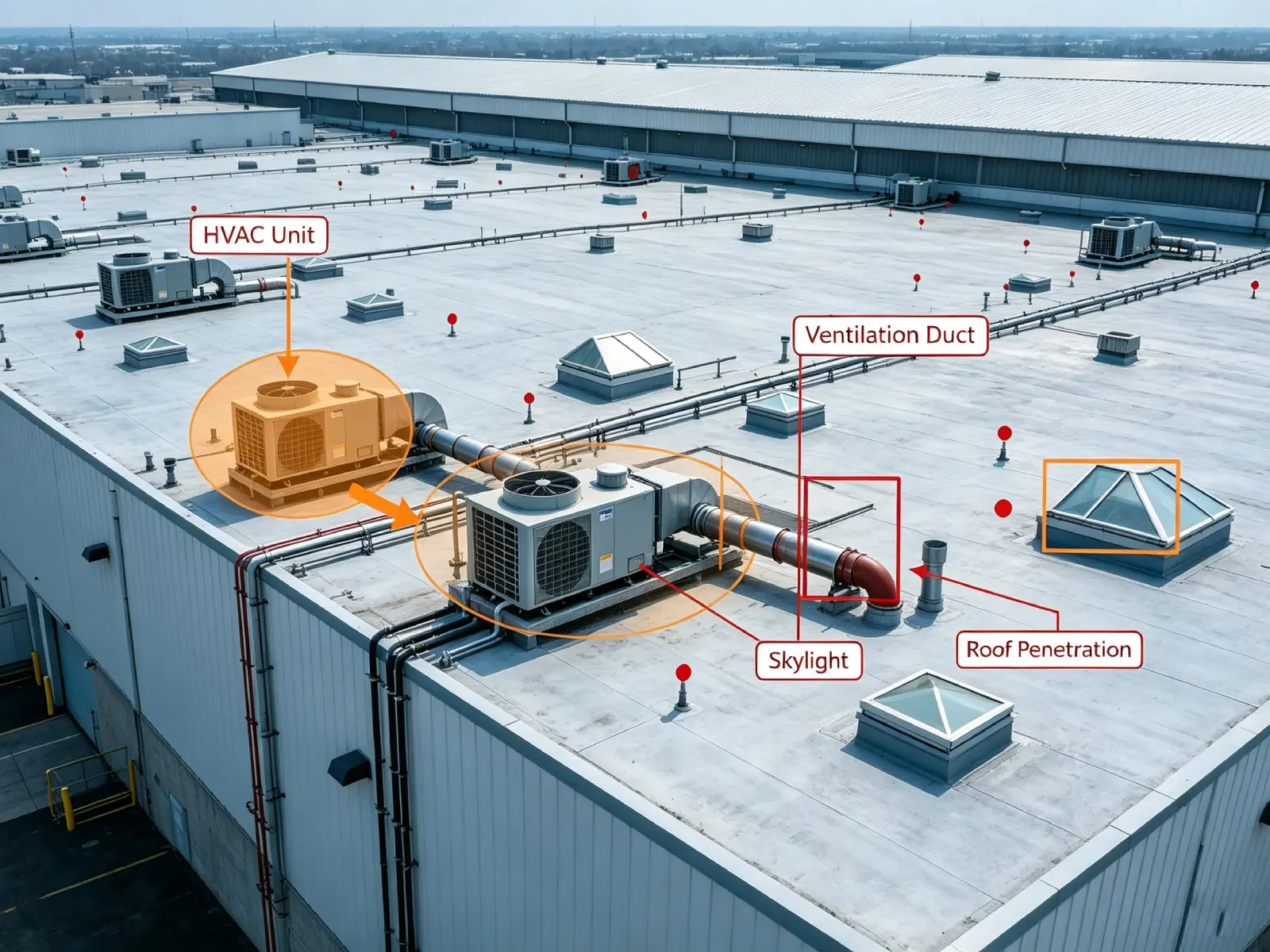
Equipment shading. HVAC units, vents, exhaust pipes, skylights—every one is a shading source. An “ideal” 100kW layout might only fit 85kW in reality. Shade analysis requires professional software simulation, not eyeballing it.
Roof load verification. Even with a non-penetrating ballasted system, a structural engineer still needs to verify the roof’s load capacity. This cost itself isn’t large, but it’s the prerequisite for everything else. Skip it, and you’re gambling.
How to Keep Roof Problems From Killing Your Project
Step 1: Hire a structural engineer, not a salesperson.
Before you look at any module quotes, get a structural engineer on the roof. Ask for a written report: current load capacity, remaining service life, which areas can take solar, which must be avoided.
This report might cost you a few thousand dollars. It can save you a six-figure mistake.
Step 2: Put roof condition into your RFP.
When you request quotes from EPCs, explicitly tell them: roof age, type, last maintenance date, and any issues flagged in the structural report. Ask them to list roof-related costs separately—reinforcement, membrane repair, replacement. That’s the only way to compare whether bidders are pricing the same roof conditions.If you’re still choosing modules, pair this with our TOPCon vs PERC comparison to make a fully informed decision.
Step 3: If the roof is near end-of-life, deal with it first.
Don’t skip the roof just because “solar has a 30% ITC.” A 25-year solar asset on a roof with 10 years left is a defective asset. Replace the roof first, then install solar, and align the two lifecycles.
Step 4: Budget for roof contingencies.
Even if the structural report says “no problems,” surprises can still surface during construction. Old buildings often hide “gifts” from previous owners under the membrane. Set aside 5% to 10% of your total project budget specifically for roof-related surprises.
The Bottom Line
Half of your commercial solar cost is in the modules and inverters. The other half is hiding in your roof.
You can spend months comparing TOPCon and PERC. But if you don’t know whether your roof can take the ballasted load, how many years it has left, or how much shading it has—your datasheet comparison might be meaningless.
Before you discuss which panel to buy, figure out your roof. In commercial solar, this is the step that should come first—and the one most often skipped.
Quick recap
Roof structural capacity, remaining lifespan and hidden issues often decide whether your commercial solar project makes financial sense. Always complete roof assessment before module selection.
About GTPOW | Gaotu Innovation
We’re your trusted solar solution provider. We offer customized commercial solar systems, OEM & ODM services, and end-to-end support for North American businesses. Reach out to discuss your rooftop solar project today.
Website: gtpowsolar.com
Related Posts
How to Clean Portable Solar Panels
How to Clean Portable Solar Panels ?Regular cleaning removes dust, sediment, bird droppings, oil stains…
Balcony Solar Storage Systems — The Wholesale Opportunity You Shouldn‘t Sleep On
Balcony Solar Storage Systems are the fastest-growing slice of the category — if you’re…
Solar Panel Quotation Requirements: From Inquiry to Quote
Why Every Specification Impacts Solar Panel Quotations Your initial inquiry does not need to be…
Leave a Reply