

Solar Power Knowledge
Portable Solar Panel Supplier: The Ultimate Buyer’s Guide (2026)
 gaotu
gaotu
Article Summary
This buying guide helps distributors, brand owners and procurement managers source reliable portable solar panels directly from real manufacturers. It explains how to distinguish genuine factories from trading companies, verify production strength, check global certifications, evaluate OEM/ODM customization, and manage sampling, MOQ and international logistics. You will also learn how to select foldable, flexible and glass solar panels for camping, RV, emergency backup and off-grid markets, and avoid common sourcing pitfalls such as hidden costs, unstable lead times and poor product quality.
Introduction
The portable solar panel market has grown rapidly over the past five years. With demand rising across outdoor recreation, emergency preparedness, RV travel, and off-grid living, more buyers are searching for a reliable portable solar panel supplier. But finding the right one is not as simple as sending a few inquiry emails.
Many companies that present themselves as factories are actually trading companies. They may offer competitive quotes at first, but buyers often discover hidden costs, unstable lead times, and limited control over quality. For distributors, brand owners, and project buyers, choosing the wrong supplier can lead to delayed launches, customer complaints, and long-term reputation damage.
This guide is written for procurement managers, brand owners, and distributors who want to source portable solar panels efficiently. It covers the key factors to evaluate: factory verification, production capacity, certifications, MOQ and pricing, OEM/ODM capabilities, and global logistics. By the end, you should have a clear framework for selecting a supplier that fits your market and long-term goals.
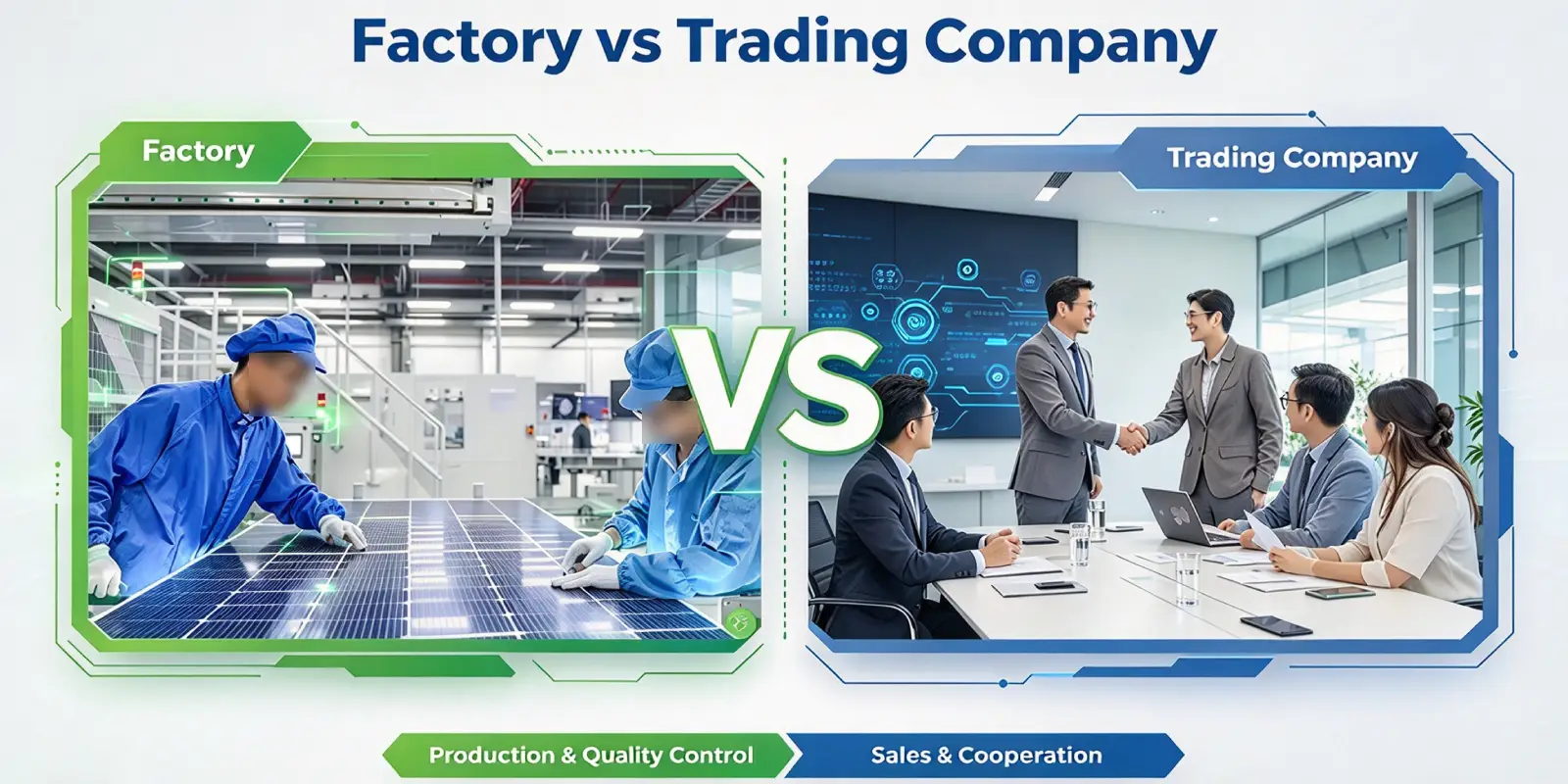
1. Factory vs Trading Company: Why It Matters
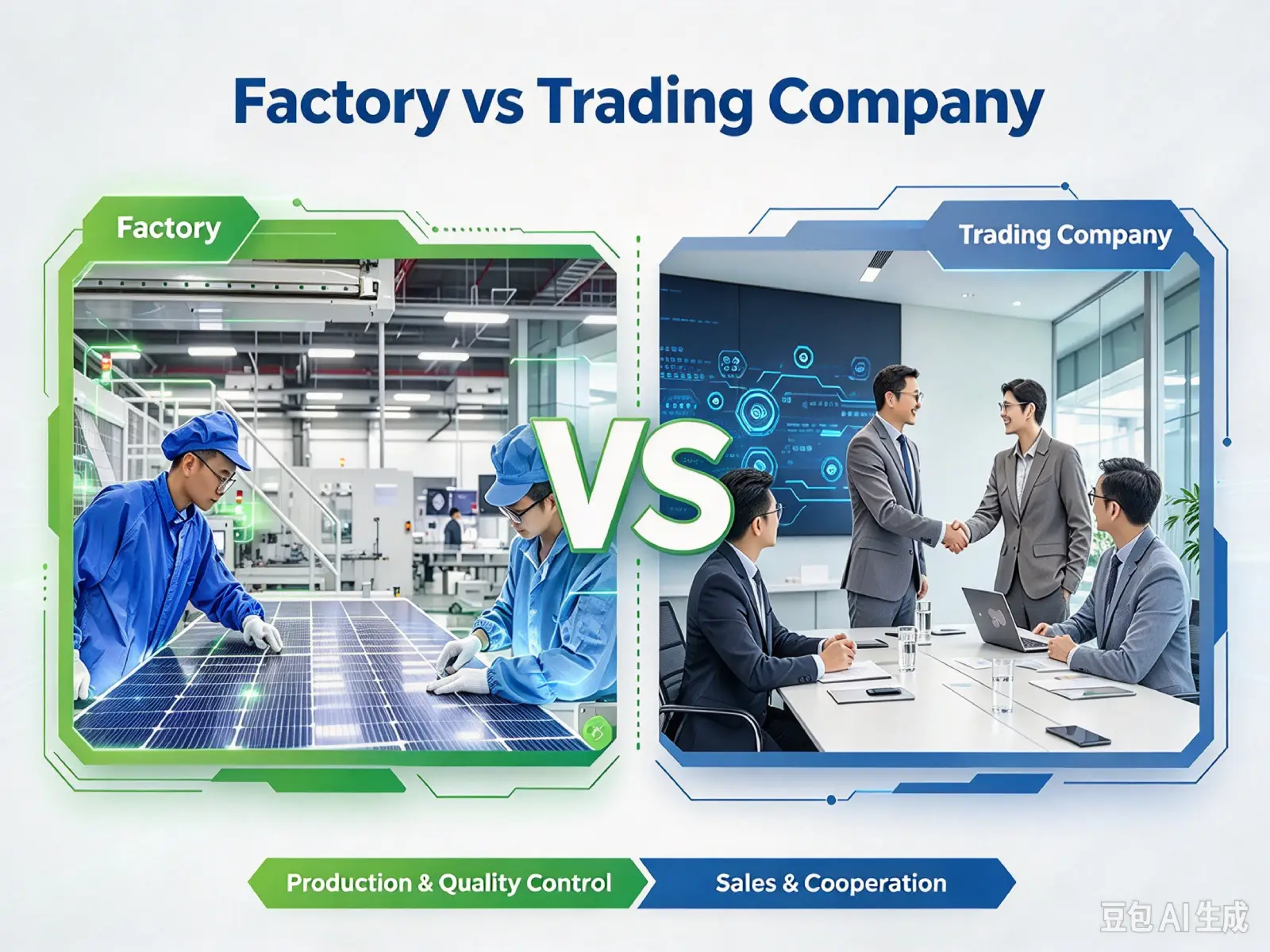
The first question to ask any potential supplier is simple: Are you a factory or a trading company?
Both models exist in the solar industry, and both can serve a purpose. But for buyers who care about cost, quality control, and customization, working directly with a factory usually offers significant advantages.
Trading companies typically source from multiple factories, add a markup, and manage the export process. They can be useful for small buyers who need flexible quantities or a wide product range. However, they often have limited control over production schedules, quality issues, and custom design requests.
Factories own their production lines, employ their own engineers, and control the manufacturing process from raw materials to finished goods. This means:
-
Better pricing – no middleman markup
-
More reliable lead times – direct control over production scheduling
-
Stronger quality control – full traceability from incoming materials to final inspection
-
Greater customization – engineering teams can adjust designs, materials, and specifications
-
Faster problem-solving – direct communication with production and technical staff
For buyers planning long-term partnerships, factories are usually the better choice.
Quick Comparison
| Factor | Factory | Trading Company |
|---|---|---|
| Pricing | Lower (no markup) | Higher (adds margin) |
| Lead time control | Direct | Depends on third party |
| Quality control | Full process | Limited visibility |
| Customization | Strong engineering support | Limited to existing catalog |
| After-sales | Direct technical support | Often relays issues |
| MOQ flexibility | Can be negotiated | Sometimes more flexible |
| Factory audit | Possible | Not applicable |
Key takeaway: If you plan to build a brand or scale your business, prioritize factories over trading companies.
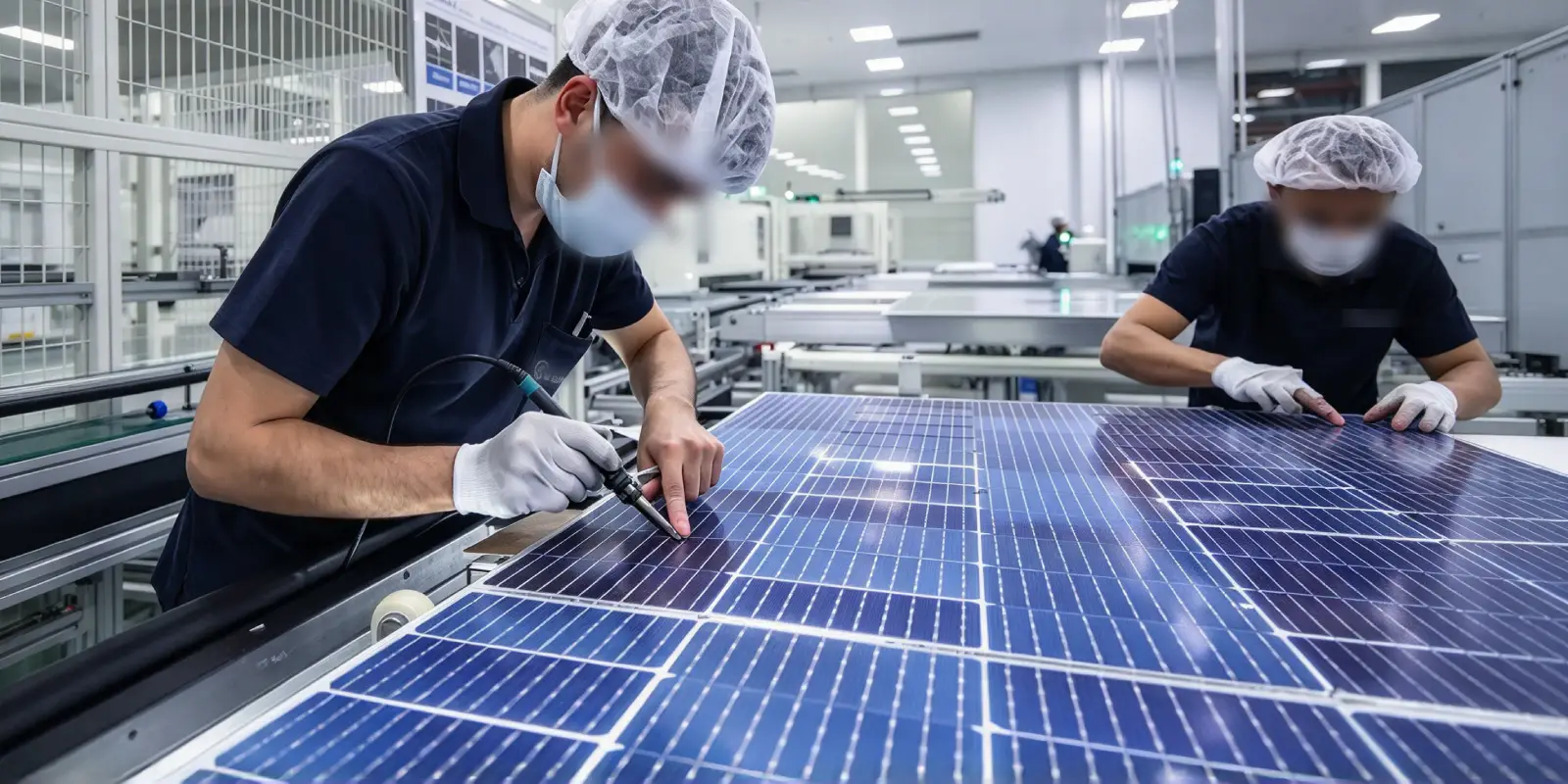
2. How to Verify a Real Portable Solar Panel Factory
Once you have a shortlist of potential suppliers, the next step is verification. This is where many buyers get caught off guard. Some companies claim to be factories but outsource production entirely.
Here are practical ways to verify a supplier:
2.1 Check Business Registration
Ask for the company’s business license. Check the registered business scope. A real factory will typically have manufacturing listed as a core activity. If the scope only mentions trading, import/export, or technology services, be cautious.
2.2 Request a Live Video Factory Tour
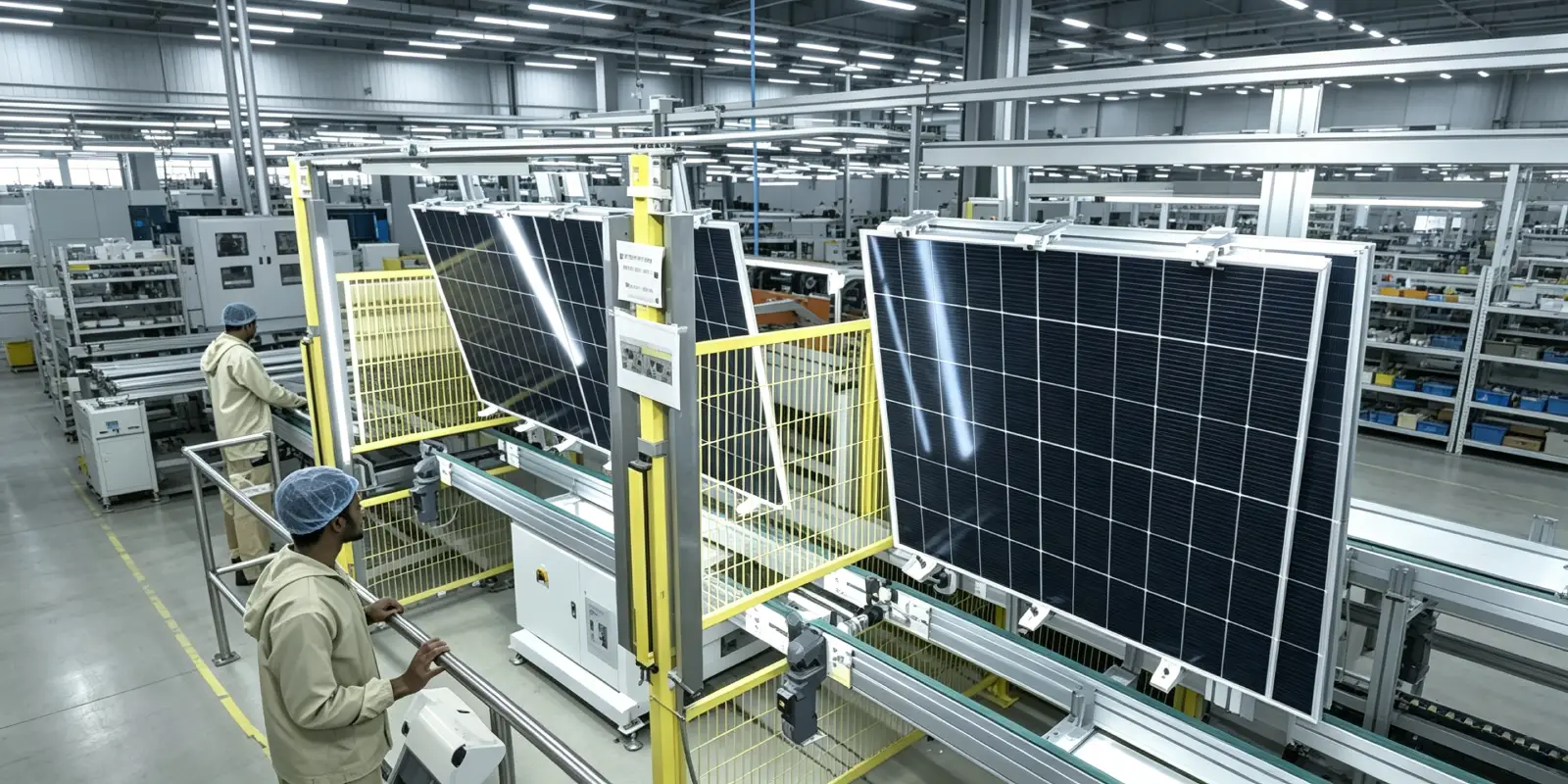
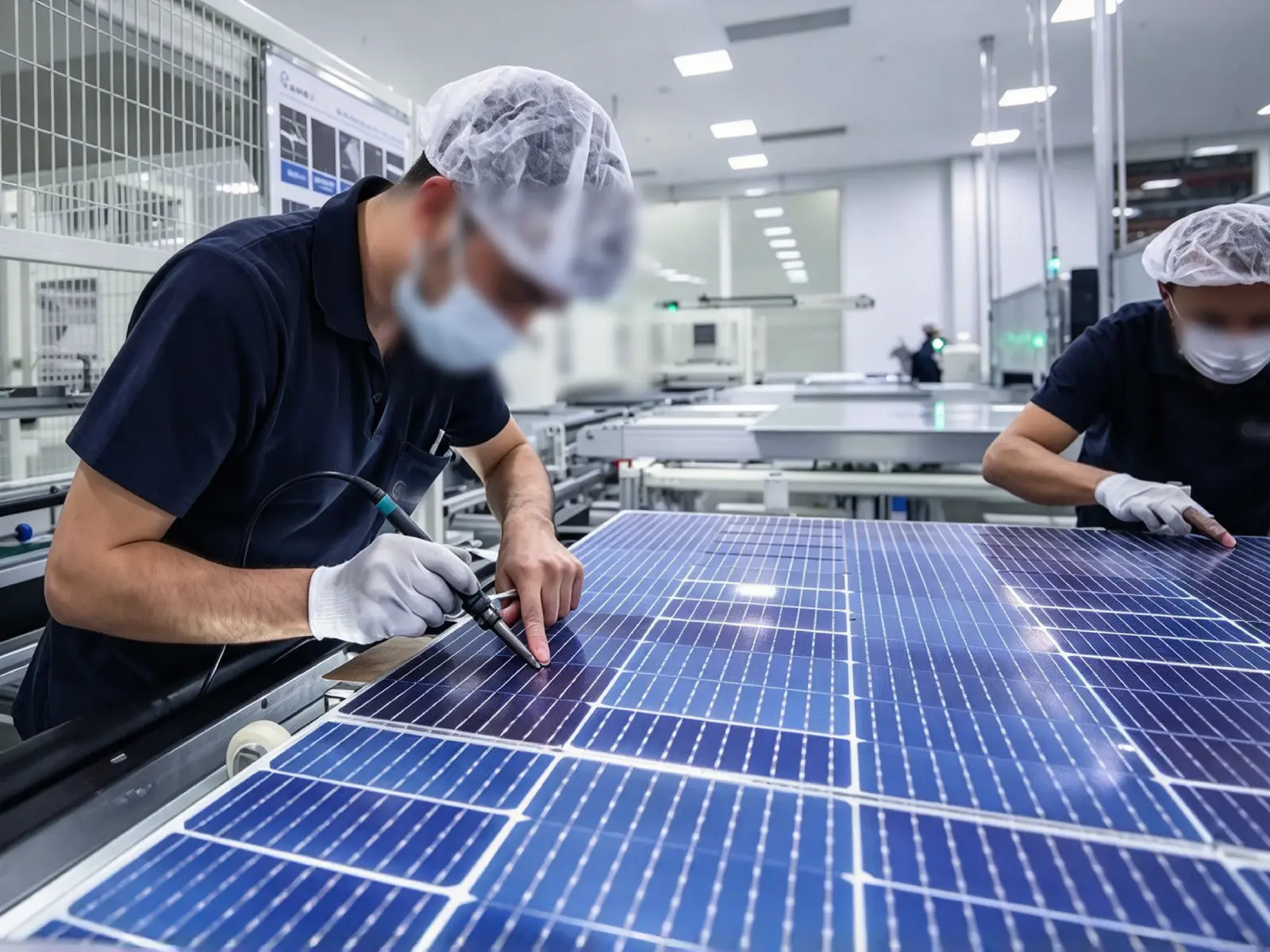
A genuine factory should be able to show you its production lines in real time. Ask for a live video call, not a pre-recorded video. During the tour, pay attention to:
-
SMT lines – for circuit board assembly
-
Lamination machines – for solar panel encapsulation
-
EL testing equipment – for detecting micro-cracks
-
Power testing stations – for verifying output
-
Assembly and packaging areas
If the supplier hesitates or only sends edited videos, that is a red flag.
2.3 Verify Certifications
Ask for certificates such as ISO9001, ISO14001, CE, RoHS, FCC, and TUV. Check that the company name on the certificate matches the supplier’s legal name. You can often verify certificates through the issuing body’s website.
2.4 Ask About Production Capacity
A real factory should be able to provide clear data on monthly and annual capacity. Vague answers like “we can produce whatever you need” are not helpful. Look for specific numbers: production lines, monthly output, annual capacity, and workforce size.
2.5 Start with a Small Trial Order
Before committing to a large order, place a small trial order. This tests not only product quality but also communication, documentation, packaging, and delivery reliability.
Key takeaway: Verification takes time, but it protects you from costly mistakes later.
3. Key Production Capabilities to Evaluate
Not all factories are equal. Some specialize in small folding panels, while others focus on high-power glass modules. Your choice should depend on your target market and product requirements.
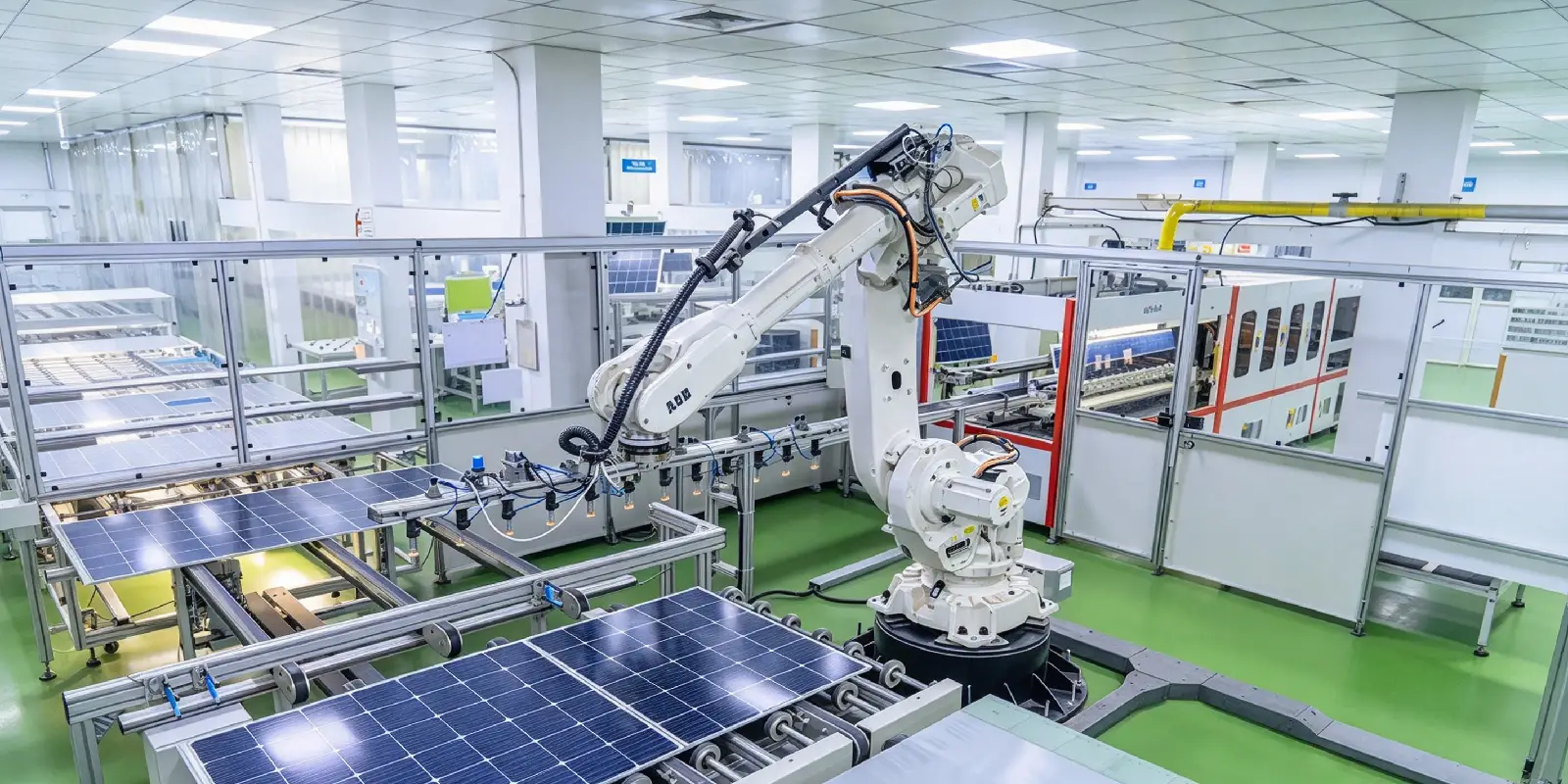
3.1 Lamination Technology
Lamination is one of the most critical steps in solar panel manufacturing. It affects durability, weather resistance, and efficiency. Look for factories that use:
-
ETFE surface materials – for high-end, durable panels
-
PET surface materials – for cost-effective options
-
Proper encapsulation processes – to prevent moisture ingress and delamination
3.2 Cell Sorting and Matching
Solar cells vary slightly in performance. Factories that sort and match cells before assembly produce more consistent panels. Ask whether the factory uses automated cell sorting equipment.
3.3 Testing Equipment
A reliable factory should have:
-
EL testers – to detect micro-cracks and defects
-
Power testers – to verify output within tight tolerances
-
Weathering test chambers – for damp heat, thermal cycling, and UV exposure
-
Waterproof testing – to confirm IP ratings
3.4 Automation Level
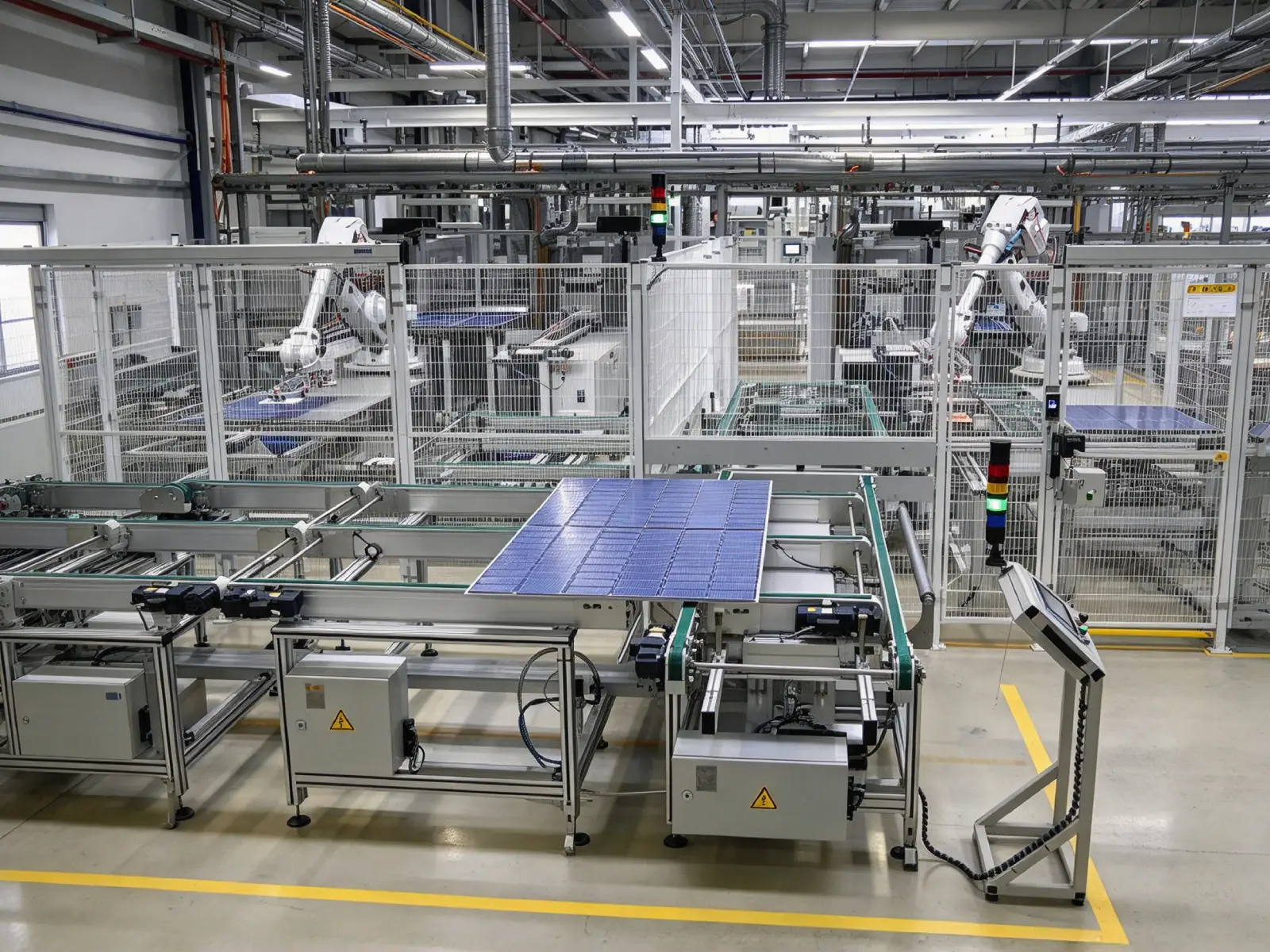
Higher automation generally means better consistency and lower defect rates. Ask about the factory’s automation rate and whether key processes are automated or manual.
3.5 Traceability
Can the factory trace a finished panel back to the raw materials, production batch, and operator? Full traceability is a sign of a mature quality management system.
Key takeaway: Evaluate production capabilities based on your product requirements, not just price.

4. Certifications a Real Factory Should Have
Certifications are not just paperwork. They demonstrate that a factory meets international standards for quality, safety, and environmental responsibility.
4.1 Management System Certifications
-
ISO9001 – quality management
-
ISO14001 – environmental management
-
ISO45001 – occupational health and safety
-
BSCI – social responsibility
4.2 Product Certifications
Depending on your target market, you may need:
-
CE – European Union
-
RoHS – hazardous substances compliance
-
FCC – United States
-
TUV – Europe and international
-
PSE – Japan
-
UL – North America
-
IEC 61215 / IEC 61730 – solar panel performance and safety
4.3 How to Verify Certificates
-
Check the certificate number on the issuing body’s website
-
Confirm the company name and address match
-
Check the validity dates
-
Ask for test reports if needed
Key takeaway: Certifications protect your business from compliance risks and build customer trust.
5. MOQ, Sampling, and Lead Time
Understanding MOQ, sampling, and lead time helps you plan your inventory and cash flow.
5.1 MOQ
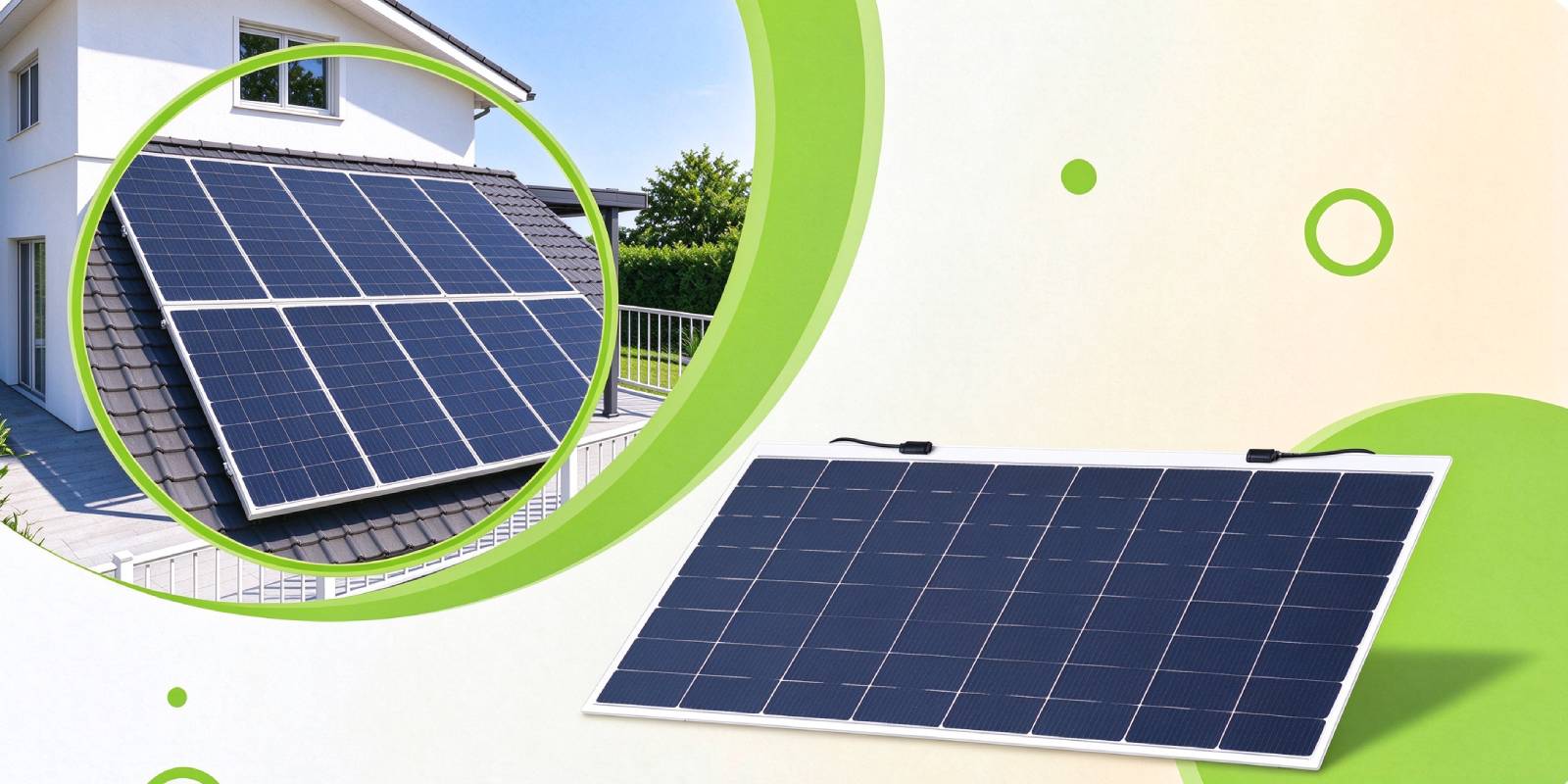
MOQ varies by product type, power rating, and customization level. Standard products may have lower MOQs, while custom designs usually require higher quantities. Some factories are flexible for first orders, especially if you plan to scale.
5.2 Sampling
Sampling is essential before mass production. A good factory should provide:
-
Clear sampling timeline
-
Sample cost and refund policy
-
Engineering feedback during sampling
Typical sampling timelines range from a few days to two weeks, depending on complexity.
5.3 Lead Time
Lead time depends on order quantity, product complexity, and factory capacity. For standard products, many factories can deliver within 2–4 weeks. Custom orders may take longer.
Ask for a written production schedule and delivery terms. Clarify what happens if delays occur.
Key takeaway: Discuss MOQ, sampling, and lead time early to avoid misunderstandings later.
6. OEM/ODM Capabilities
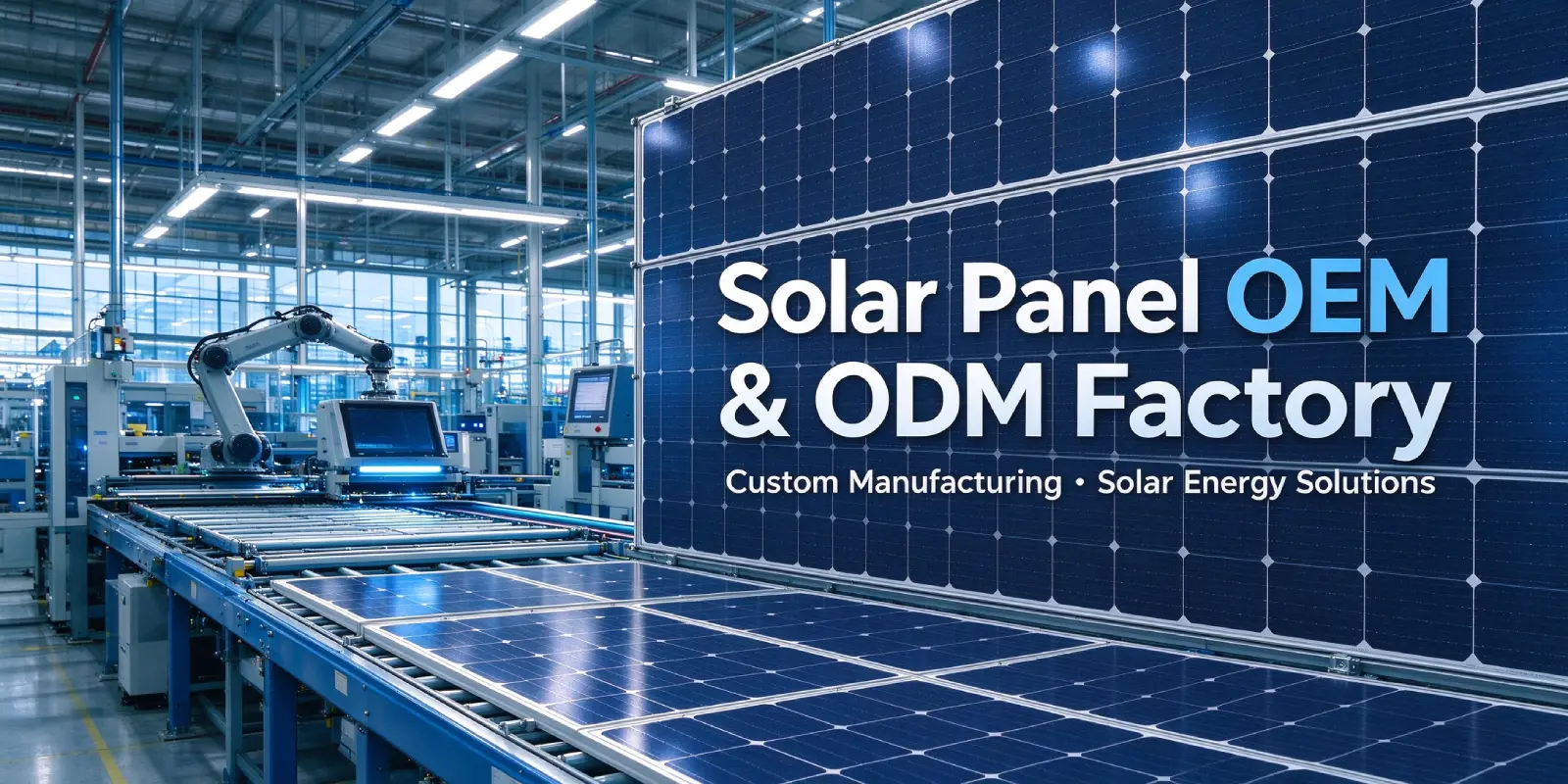
If you plan to build your own brand, OEM and ODM capabilities are critical.
6.1 OEM vs ODM
-
OEM (Original Equipment Manufacturer) – you provide the design and specifications; the factory produces according to your requirements.
-
ODM (Original Design Manufacturer) – the factory offers existing designs that you can customize with your logo, packaging, and minor modifications.
-
J&D (Joint Development) – you and the factory co-develop a new product.
6.2 What Can Be Customized
-
Logo and branding
-
Packaging and manuals
-
Power output and voltage
-
Connectors and ports
-
Panel size and structure
-
Surface materials (ETFE, PET, etc.)
-
Color and appearance
6.3 Engineering Support
A strong factory should have an in-house engineering team that can:
-
Review your requirements
-
Propose design improvements
-
Provide DFM (Design for Manufacturing) feedback
-
Optimize BOM (Bill of Materials) for cost and performance
Key takeaway: Choose a factory with proven OEM/ODM experience if you want to differentiate your brand.
7. Global Logistics and Warehousing
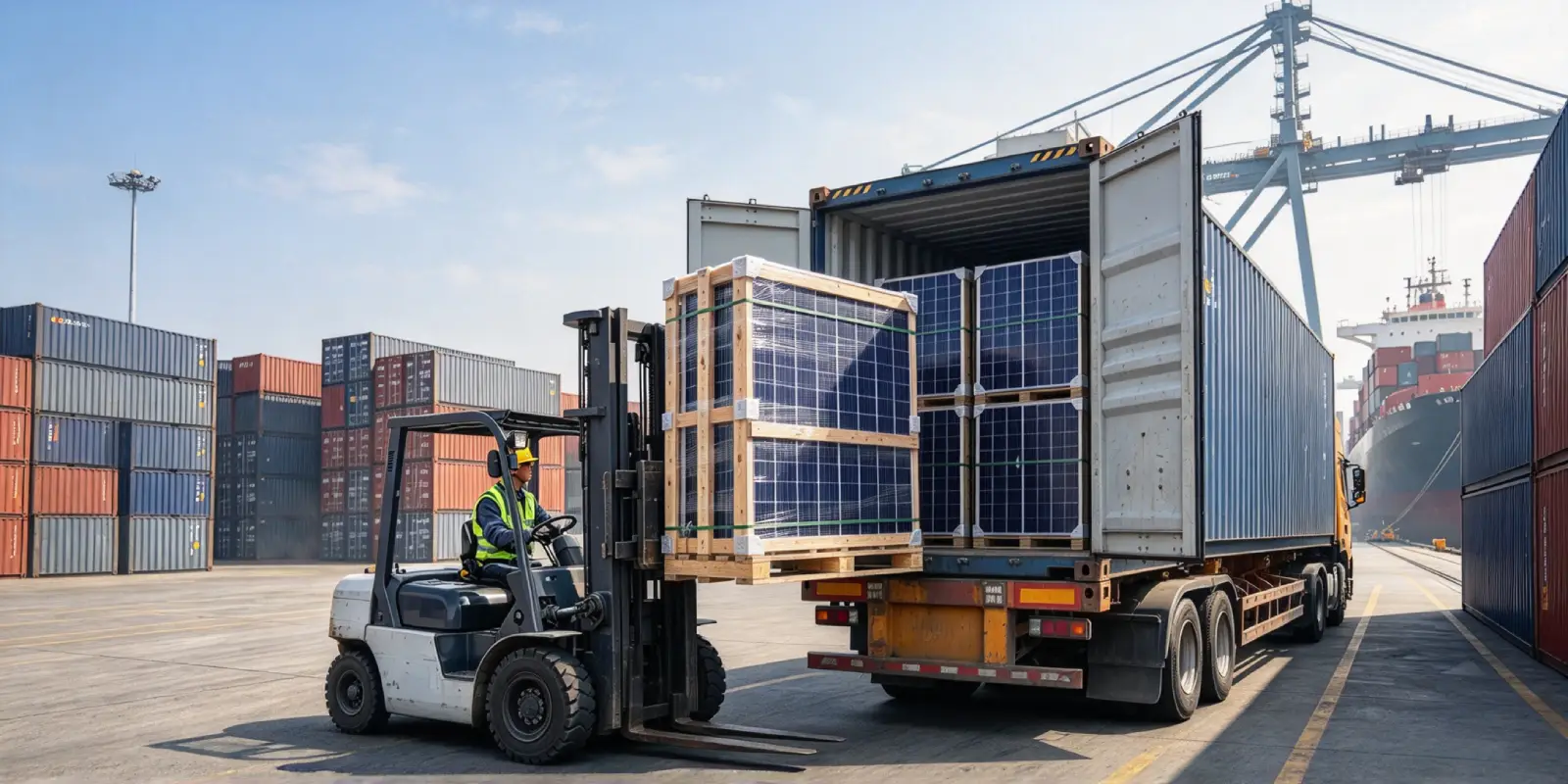
Logistics can make or break your supply chain. Delays, customs issues, and high shipping costs erode margins and frustrate customers.
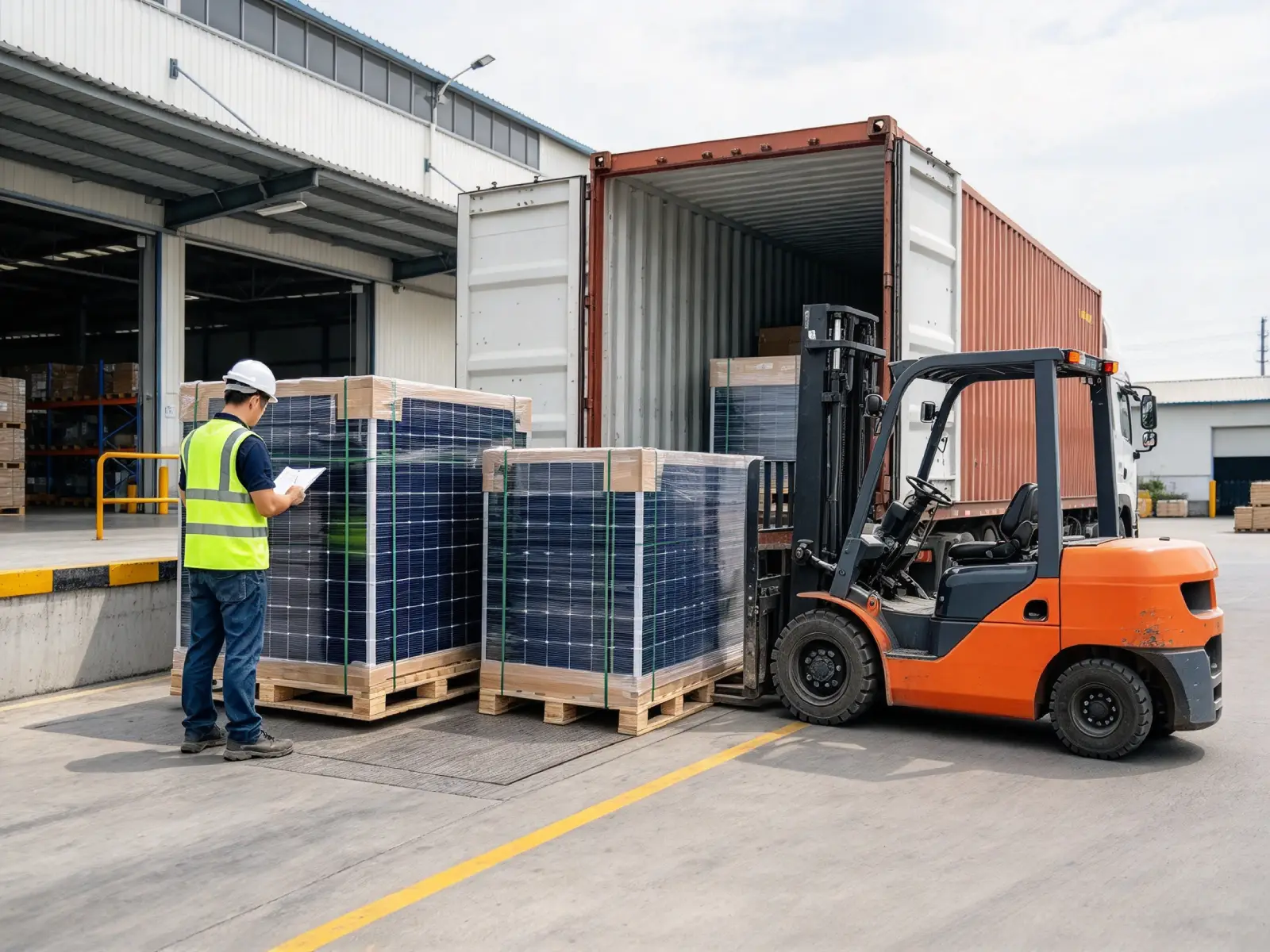
7.1 Shipping Methods
-
Sea freight – cost-effective for large volumes, longer transit
-
Air freight – faster, suitable for samples and urgent orders
-
Express – fastest, best for small parcels
-
Rail freight – balanced cost and speed for some routes
7.2 Overseas Warehousing
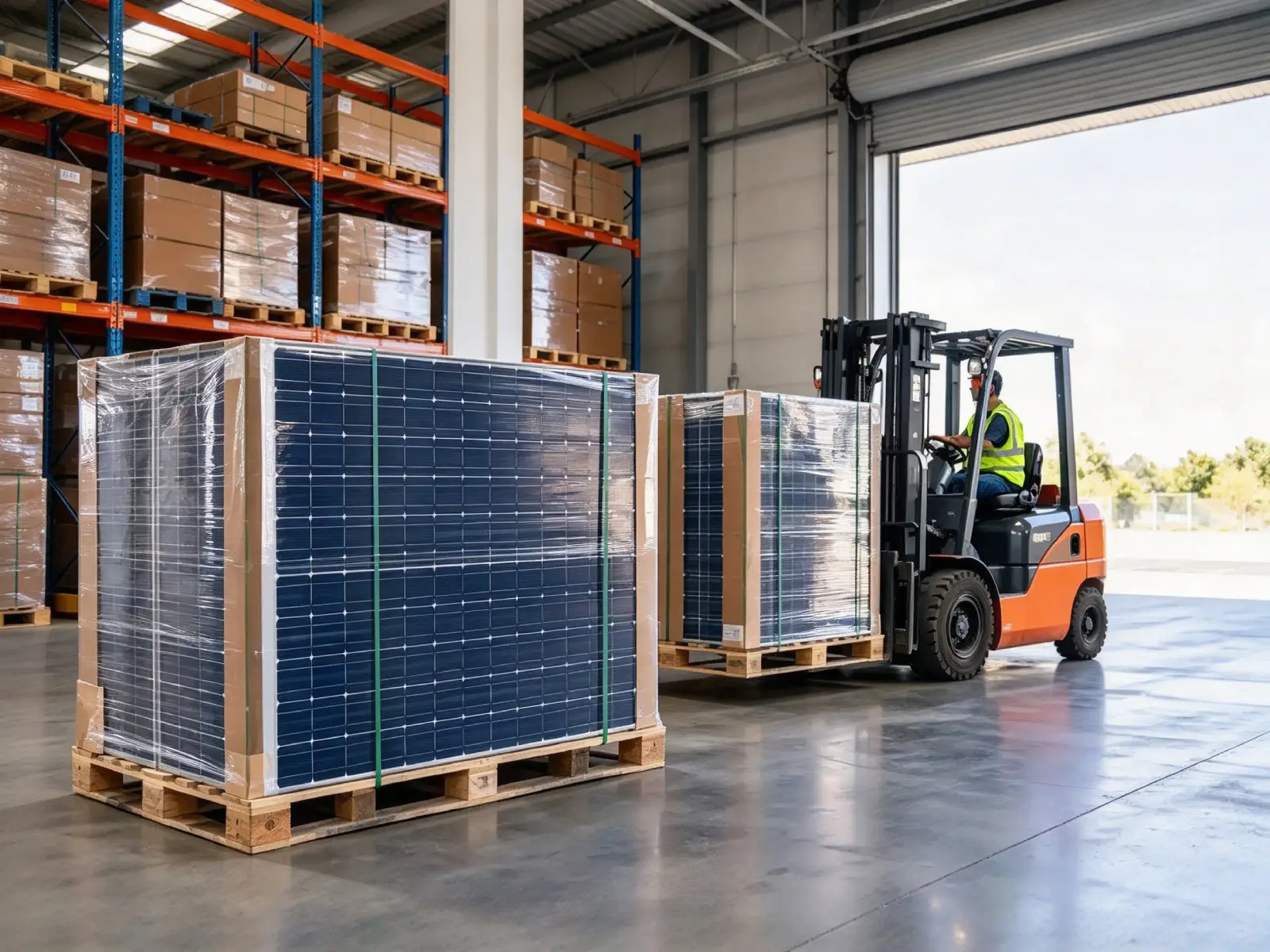
Some factories maintain overseas warehouses to support faster local delivery. This reduces lead time, lowers shipping costs, and improves after-sales response.
7.3 Customs and Compliance
Ensure the factory can provide:
-
Correct HS codes
-
Certificates of origin
-
Commercial invoices and packing lists
-
Compliance documents for batteries (UN38.3, MSDS)
Key takeaway: A supplier with strong logistics support helps you serve your customers faster and more reliably.
8. Product Types: Which Portable Solar Panels to Source
Portable solar panels come in several forms. Understanding the differences helps you choose the right products for your market.
8.1 Foldable Solar Panels
-
Power range: typically 60W–400W
-
Best for: camping, RV, emergency kits
-
Advantages: portable, easy to set up, good efficiency
-
Considerations: folding structure adds cost and complexity
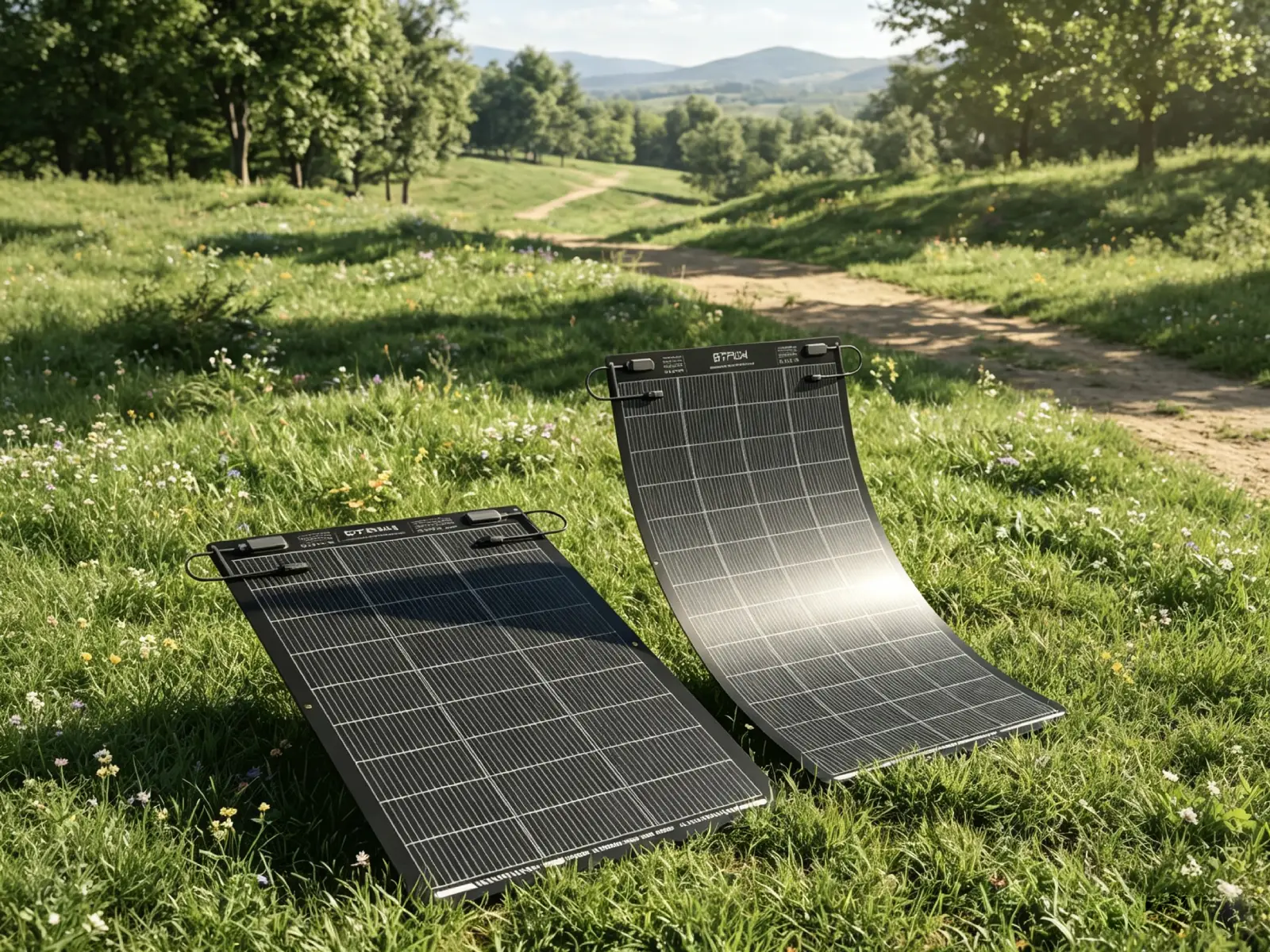
8.2 Flexible Solar Panels
-
Power range: 50W–400W
-
Best for: RVs, boats, curved surfaces
-
Advantages: lightweight, bendable, easy to mount
-
Considerations: higher cost per watt, needs proper surface preparation
8.3 Tempered Glass Solar Panels
-
Power range: 100W–550W+
-
Best for: balconies, rooftops, fixed installations
-
Advantages: durable, long lifespan, high efficiency
-
Considerations: heavier, less portable
Key takeaway: Match product types to your target market and customer needs.
9. Applications and Market Trends
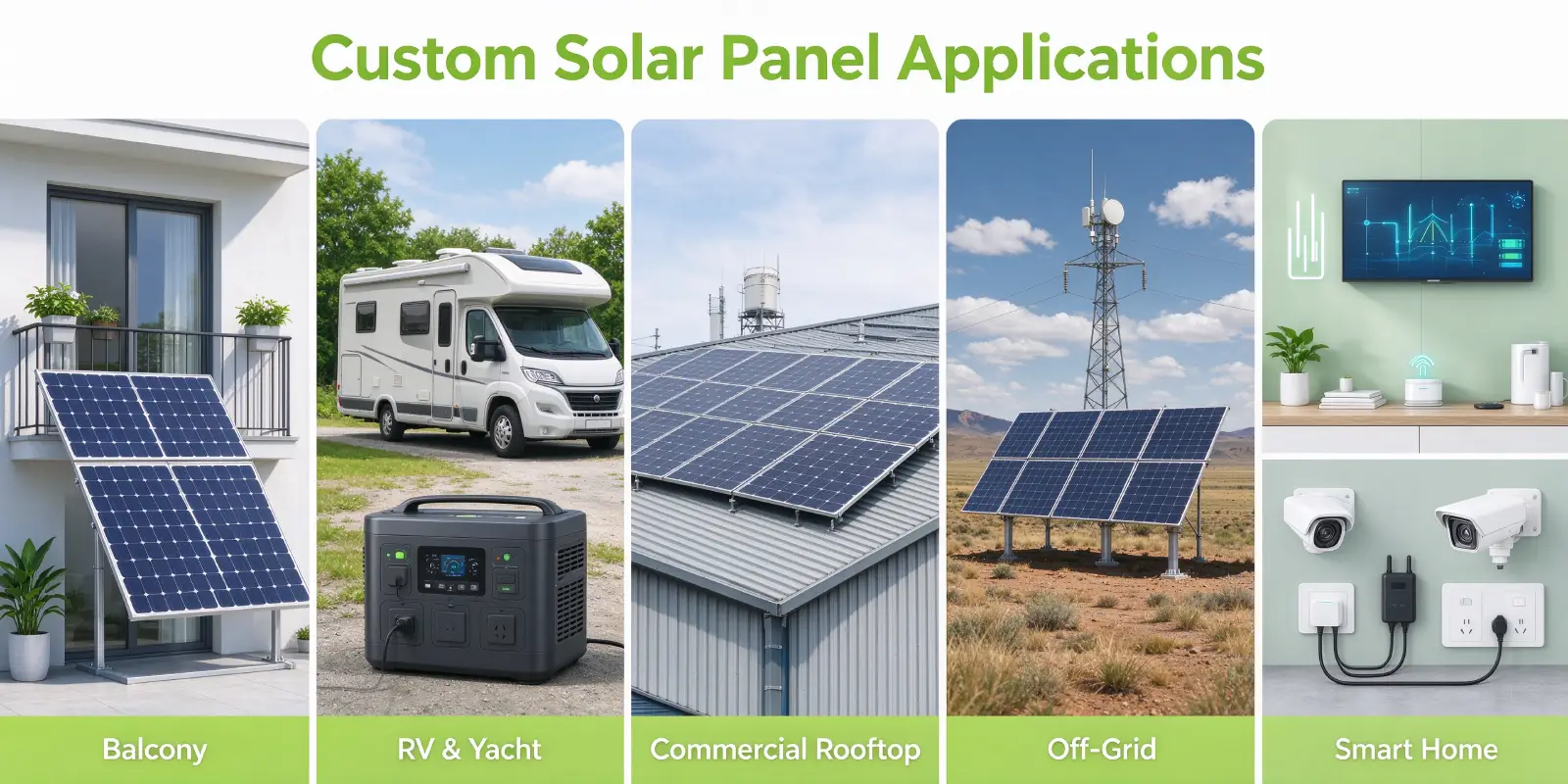
Portable solar panels are used in a growing range of applications.
9.1 Outdoor Recreation
Camping, hiking, and overlanding continue to drive demand for lightweight, portable solar solutions.
9.2 RV and Marine
RV owners and boaters need reliable power for off-grid trips. Flexible and foldable panels are popular in these segments.
9.3 Emergency Preparedness
Natural disasters and power outages have increased interest in portable solar kits for home backup and emergency response.
9.4 Industrial and Remote Applications
Solar panels power remote monitoring, navigation systems, surveillance, and IoT devices in areas without grid access.
Key takeaway: Understand your target application to select the right products and features.
Quick Answers
Read this quick overview if you only have limited time. These are the core rules for sourcing portable solar panels:
-
✅ Prioritize real manufacturers over trading companies for long-term brand business.
-
✅ Verify factories with live video tours, business licenses and valid certificates before bulk orders.
-
✅ Key certifications: ISO9001, CE, RoHS, plus FCC / TUV / UL based on sales regions.
-
✅ Standard production lead time: 2–4 weeks; sampling cycle 7–15 days.
-
✅ OEM & ODM customization available for logo, packaging, power and surface material (ETFE/PET).
-
✅ Product selection guide: Foldable for camping; Flexible for RV/boat curved surfaces; Glass panels for balcony & rooftop fixed installation.
-
✅ Always start with trial samples to test quality, documents and delivery reliability.
10. Frequently Asked Questions
Q1: What is the typical MOQ for portable solar panels? MOQ varies by product and customization level. Standard products may start at a few hundred units, while custom designs may require higher quantities.
Q2: How long does sampling take? Sampling typically takes 7–15 days, depending on complexity.
Q3: What certifications should a supplier have? At minimum, ISO9001, CE, RoHS, and relevant market-specific certifications like FCC or PSE.
Q4: Can I customize the panels with my logo? Yes, most factories support OEM customization for logo, packaging, and specifications.
Q5: How do I verify a factory? Request a live video tour, check business registration, verify certificates, and start with a small trial order.
Q6: What is the lead time for mass production? Usually 2–4 weeks for standard products, longer for custom orders.
Q7: Do factories offer overseas warehousing? Some do. This can significantly reduce delivery time and logistics costs.
Q8: How do I choose between foldable, flexible, and glass panels? It depends on your target market. Foldable for portability, flexible for curved surfaces, glass for durability and high output.
Q9: What payment terms are common? Typical terms include T/T, L/C, and sometimes PayPal for samples. Terms vary by supplier and order size.
Q10: How do I start working with a supplier? Begin with an inquiry, request samples, discuss customization, and place a trial order before scaling.
Conclusion
Choosing the right portable solar panel supplier is a strategic decision. It affects your product quality, brand reputation, and long-term profitability.
To summarize, focus on these key areas:
-
Verify whether the supplier is a real factory
-
Evaluate production capabilities and quality systems
-
Check certifications and compliance
-
Clarify MOQ, sampling, and lead time
-
Assess OEM/ODM support
-
Understand logistics and after-sales service
-
Match product types to your market
Take your time during the evaluation process. A supplier that fits your business today may not fit your business two years from now. Look for partners who can grow with you.
If you are looking for a portable solar panel supplier with deep manufacturing experience, in-house R&D, and global delivery capabilities, Gaotu Innovation is worth considering. With 18 years of OEM experience, 380 global patents, and production bases in China and Indonesia, we support brands, distributors, and project buyers worldwide. You can request samples, schedule a factory tour, or download our product catalog to learn more.
Related Posts
Custom Portable Solar Panel MOQ, Lead Time & Cost
Executive Summary: For wholesale distributors, e‑commerce brand owners, and project procurement managers, balancing structural customization…
Custom Flexible Solar Panels: Size, Voltage and Cable Design Guide
Custom flexible solar panels have become the top choice for off-grid, mobile, and space-constrained solar…
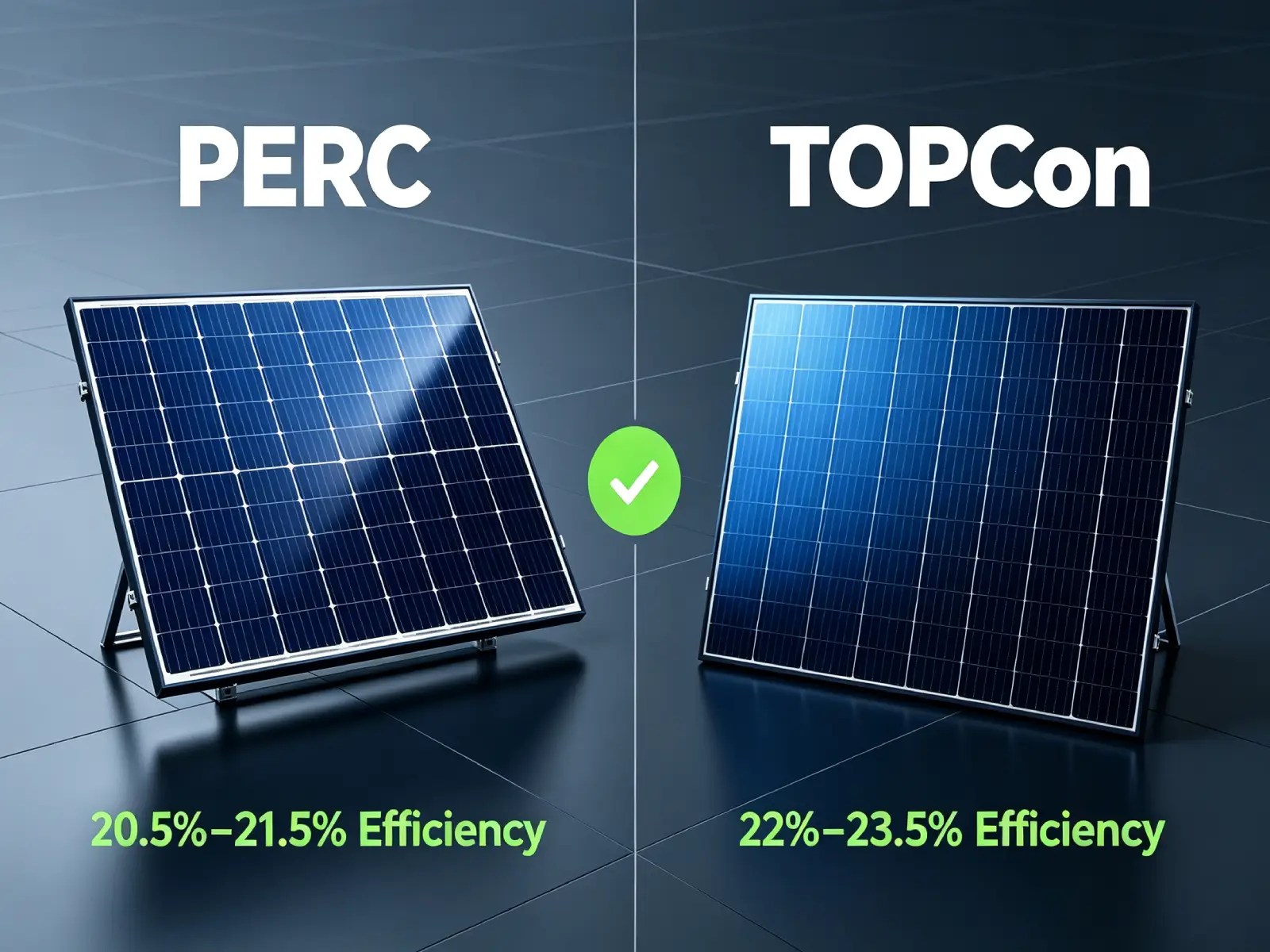
TOPCon vs PERC for Commercial Rooftops: Which One Actually Makes Sense in 2026
You ask what that means. He says higher efficiency, lower degradation, better temperature coefficient. You…
Leave a Reply