

Solar Power Knowledge
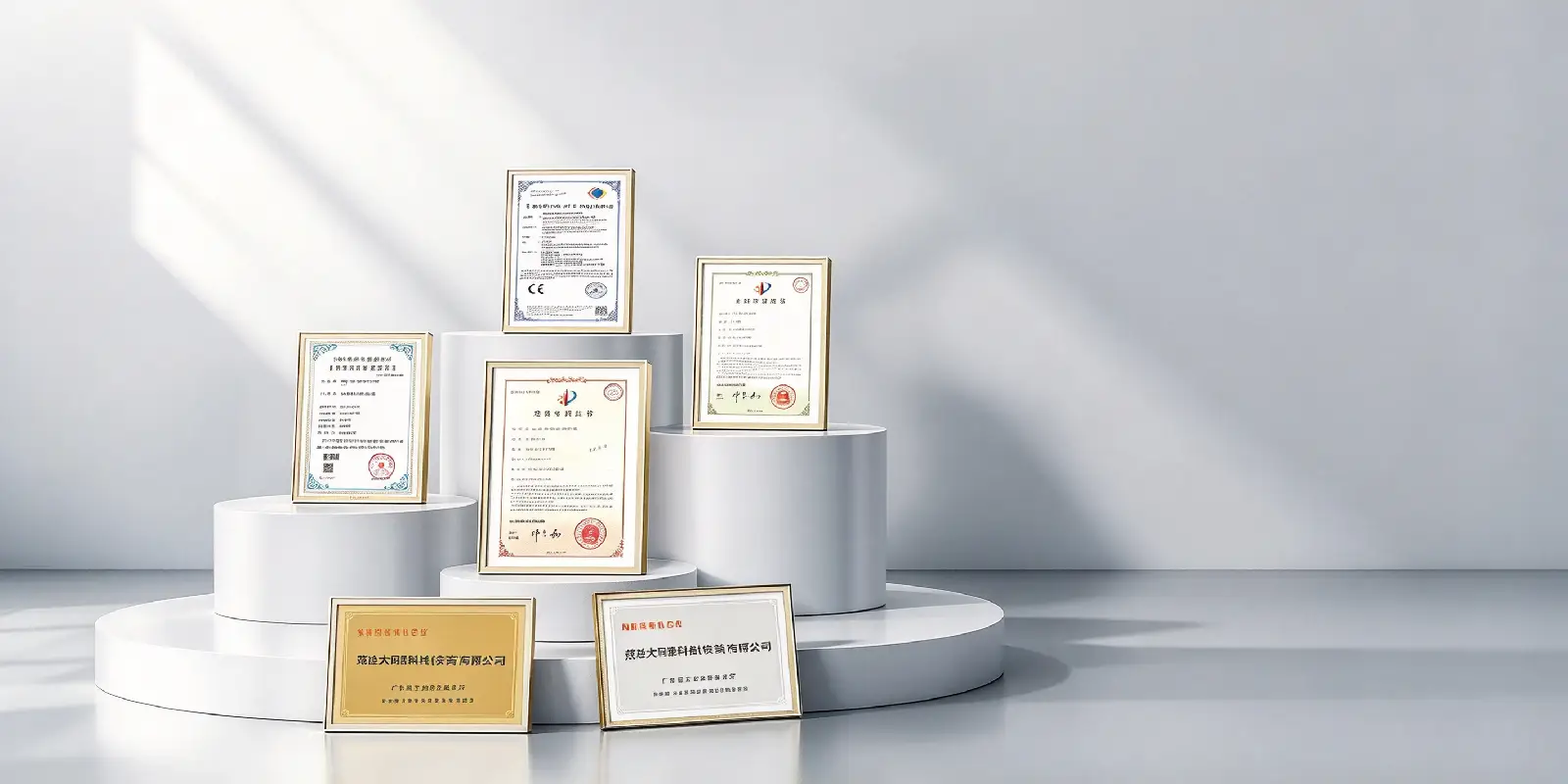
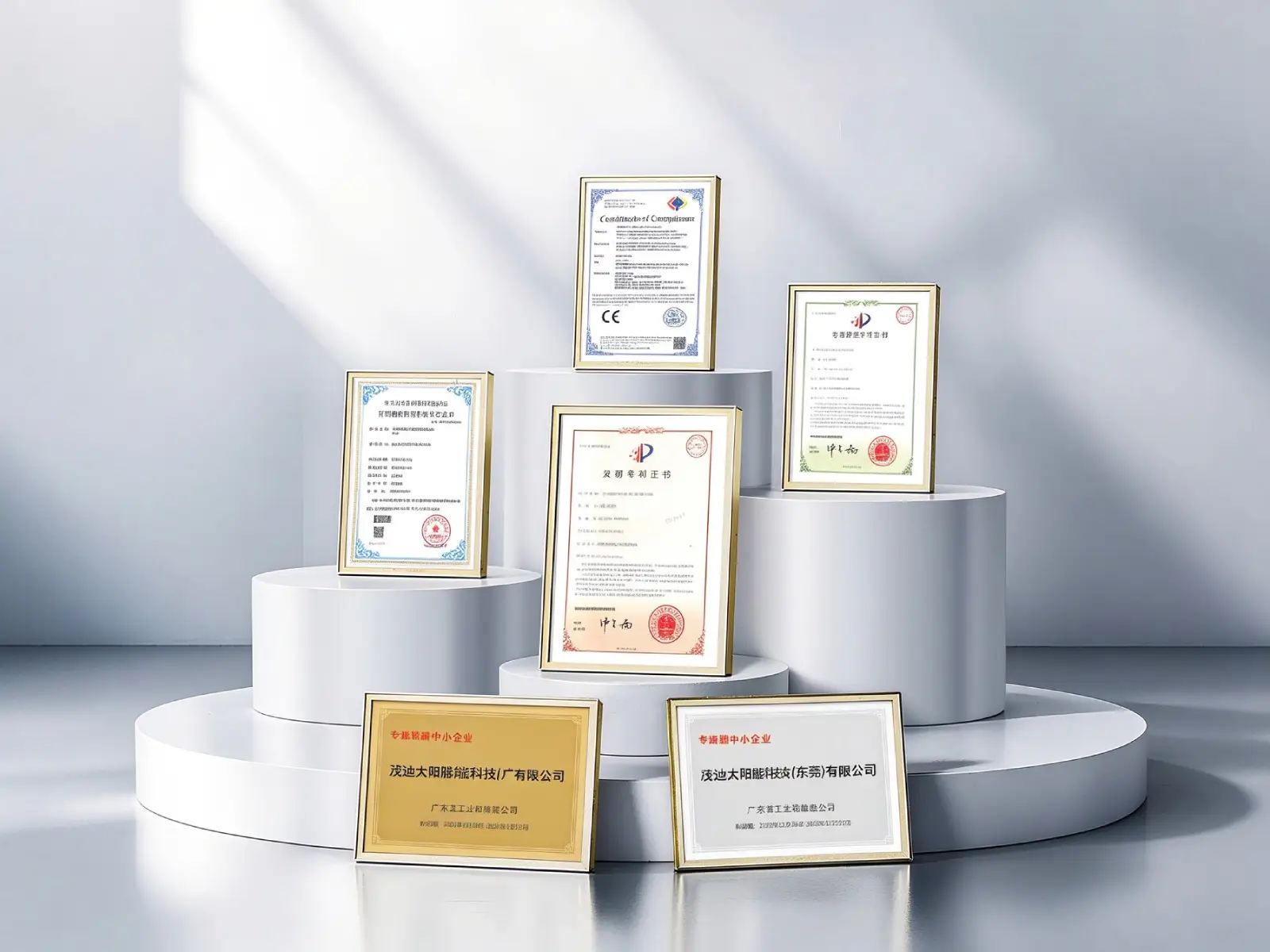
Portable Solar Panel Certifications: What Buyers Must Verify
 gaotu
Abstract
Many buyers misunderstand solar product certifications. This guide clarifies system & product certifications for portable solar panels, regional market mandatory standards, certificate verification methods and common pitfalls. It helps importers and brand purchasers quickly judge supplier qualification, avoid customs detention and legal risks, and select compliant portable solar products for global sales.
Quick FAQ
Q1: What is the difference between management system certification and product certification?
A: System certifications (ISO series, BSCI) audit factory production processes, not a specific solar panel. Product certifications (CE, UL, IEC) prove this exact model meets safety & performance standards.
Q2: Do portable solar panels need all certificates listed in this article?
A: No. Required certifications depend on target sales market, whether built-in battery, and sales channel. You only need to meet local mandatory rules.
Q3: How to check if a supplier’s certificate is real?
A: Verify certificate number on official database, match legal company name, check expiry date, confirm the certificate scope covers your product model, and request original test reports.
Introduction
Certifications are one of the most misunderstood topics in solar sourcing. Some buyers treat them as a box to check. Others assume they are all the same.
In reality, certifications tell you whether a product meets specific standards for safety, performance, and environmental compliance. They also determine whether you can legally sell a product in a given market.
For portable solar panels, the certification landscape can be confusing. Different markets require different certificates. Different certificates apply to different product types. And not all certificates are issued by the same type of organization.
This guide explains the certifications that matter for portable solar panels. It covers management system certifications, product certifications, market-specific requirements, and how to verify that a certificate is genuine. By the end, you will know what to ask for and what to check.
1. Why Certifications Matter
Certifications serve several purposes.
For buyers:
-
Confirm that the product meets safety and performance standards
-
Ensure compliance with local regulations
-
Reduce liability risk
-
Build customer trust
For suppliers:
-
Demonstrate quality and reliability
-
Access international markets
-
Meet retailer and e-commerce platform requirements
-
Differentiate from lower-quality competitors
For end users:
-
Safety assurance
-
Performance expectations
-
Environmental compliance
Without the right certifications, a product may be delayed at customs, rejected by retailers, or recalled from the market. In some cases, selling an uncertified product can lead to fines or legal action.
Key takeaway: Certifications are not optional. They are part of doing business in regulated markets.
2. Types of Certifications
Certifications fall into two broad categories: management system certifications and product certifications.
2.1 Management System Certifications
These certify the factory’s processes, not a specific product.
| Certification | What It Covers |
|---|---|
| ISO9001 | Quality management system |
| ISO14001 | Environmental management system |
| ISO45001 | Occupational health and safety |
| BSCI | Social responsibility and labor conditions |
| SGS | Third-party inspection and verification |
These certifications indicate that the factory has documented processes for quality, environmental impact, and worker safety. They are often required by large brands and retailers.
2.2 Product Certifications
These certify that a specific product meets defined standards.
| Certification | Region | What It Covers |
|---|---|---|
| CE | European Union | Health, safety, and environmental protection |
| RoHS | European Union | Restriction of hazardous substances |
| REACH | European Union | Chemical safety |
| FCC | United States | Electromagnetic compatibility |
| UL | North America | Product safety |
| TUV | Europe / International | Performance, safety, and quality |
| PSE | Japan | Electrical safety |
| IEC 61215 | International | Solar panel design qualification |
| IEC 61730 | International | Solar panel safety |
| UN38.3 | International | Lithium battery transport safety |
| MSDS | International | Material safety data sheet |
Not every product needs every certification. The requirements depend on the product type, target market, and sales channel.
Key takeaway: Management system certifications show how a factory operates. Product certifications show what a product meets.
3. Market-Specific Certification Requirements
Different markets have different requirements. Here is a summary for major regions.
3.1 European Union
-
CE marking — required for most electrical products
-
RoHS — restricts hazardous substances
-
REACH — chemical compliance
-
WEEE — waste electrical and electronic equipment
-
TUV or equivalent — often requested by retailers and brands
For solar panels specifically, IEC 61215 and IEC 61730 are commonly referenced.
3.2 United States
-
FCC — electromagnetic compatibility
-
UL or ETL — product safety (often required by retailers)
-
CEC — California Energy Commission (for certain products)
-
Prop 65 — California chemical warning requirements
For portable solar panels with batteries, UN38.3 and MSDS are also relevant for shipping.
3.3 Japan
-
PSE — electrical safety certification
-
JIS — Japanese industrial standards (where applicable)
-
Radio Law — for products with wireless features
Japan has strict requirements for lithium battery products, so UN38.3 and MSDS are essential.
3.4 Australia and New Zealand
-
RCM — regulatory compliance mark
-
C-Tick — electromagnetic compatibility
-
AS/NZS standards — where applicable
3.5 Other Markets
-
Korea: KC certification
-
Canada: CSA or cUL
-
Middle East: SASO (Saudi Arabia), ESMA (UAE)
-
India: BIS
Always confirm the specific requirements for your target market before placing an order.
Key takeaway: Certifications are market-specific. What works in one country may not work in another.
4. Certifications for Portable Solar Panels
Portable solar panels often include batteries, controllers, and connectors. This means multiple certifications may apply.
4.1 Solar Panel Certifications
-
IEC 61215 — design qualification and type approval
-
IEC 61730 — safety qualification
-
CE — European compliance
-
TUV — performance and safety verification
4.2 Battery and Power Bank Certifications
If the product includes a battery or power bank:
-
UN38.3 — transport safety for lithium batteries
-
MSDS — material safety data sheet
-
IEC 62133 — safety of lithium batteries
-
UL 2054 or UL 1642 — battery safety
4.3 Electronic Certifications
For controllers, connectors, and circuits:
-
FCC — US electromagnetic compatibility
-
CE — EU compliance
-
PSE — Japan electrical safety
-
RoHS — hazardous substances
4.4 Packaging and Documentation
-
Recycling marks — WEEE, battery recycling
-
Country of origin — for customs
-
User manual — safety and compliance information
Key takeaway: Portable solar panels often require multiple certifications because they combine several product types.
5. How to Verify a Certificate
A certificate is only useful if it is genuine. Here is how to verify one.
5.1 Check the Certificate Number
Most certification bodies provide an online database. Enter the certificate number and check the details.
5.2 Confirm the Company Name
The certificate should match the supplier’s legal company name. If the certificate belongs to a different company, ask why.
5.3 Check the Validity Dates
Certificates expire. Check the issue date and expiration date.
5.4 Review the Scope
The certificate should cover the product you are buying. A certificate for a different product type or model may not apply.
5.5 Contact the Issuing Body
If you are unsure, contact the certification body directly. They can confirm whether a certificate is valid.
5.6 Ask for Test Reports
Certificates are often based on test reports. Ask for the underlying test reports if you need more detail.
Key takeaway: Verification takes a few minutes and protects you from costly mistakes.
6. Common Certification Mistakes
Buyers often make these mistakes when evaluating suppliers.
6.1 Accepting Screenshots
A screenshot of a certificate is not proof. Ask for the original PDF or a link to the certification body’s database.
6.2 Assuming One Certificate Covers Everything
A CE certificate for one product does not cover another. Each product and model may need its own certification.
6.3 Ignoring Expiration Dates
An expired certificate is not valid. Check the dates.
6.4 Confusing Factory and Product Certifications
ISO9001 certifies the factory’s quality system, not the product. Product certifications are separate.
6.5 Overlooking Market Requirements
A product certified for Europe may not be certified for the US or Japan. Confirm the requirements for your target market.
6.6 Not Budgeting for Certification
Certification takes time and money. Plan for it in your product development timeline and budget.
Key takeaway: Certification is a process, not a one-time task. Stay involved and verify.
7. How Certifications Affect Your Business
Certifications affect more than compliance. They influence your ability to sell, your costs, and your brand reputation.
7.1 Market Access
Without the right certifications, you cannot sell in certain markets. Retailers and e-commerce platforms often require proof of certification.
7.2 Customer Trust
Certifications signal quality and safety. They can be a selling point in marketing materials.
7.3 Liability
If a product causes harm and lacks required certification, the seller may face liability.
7.4 Cost and Timeline
Certification adds cost and time to product development. Plan for both.
7.5 Competitive Advantage
Products with strong certifications can command higher prices and attract premium customers.
Key takeaway: Certifications are an investment in market access and brand credibility.
8. Questions to Ask Your Supplier
Use this checklist when discussing certifications with a portable solar panel supplier.
General:
-
Which certifications do you have?
-
Can you provide original certificates and test reports?
-
How do you keep certifications up to date?
For your target market:
-
-
Which certifications are required for our market?
-
Do your products meet those requirements?
-
-
Can you support certification for our private label?
For product-specific:
-
Does this model have its own certification?
-
What is the certification scope?
-
Are batteries and electronics covered?
For verification:
-
Can you provide certificate numbers?
-
Which certification bodies issued them?
-
Can we contact the issuing body?
Key takeaway: Ask these questions early. A professional supplier will have clear answers.
9. Conclusion
Certifications are a critical part of sourcing portable solar panels. They determine market access, customer trust, and legal compliance.
To summarize:
-
Understand the difference between management system and product certifications
-
Know the requirements for your target market
-
Check certifications for solar panels, batteries, and electronics
-
Verify certificates before placing orders
-
Plan for certification cost and timeline
-
Ask suppliers the right questions
A supplier with strong certifications is more likely to support your business reliably and legally.
If you are sourcing portable solar panels and need a supplier with comprehensive certifications, Gaotu Innovation can help. With ISO9001, ISO14001, CE, RoHS, FCC, TUV, PSE, and other certifications, plus 380 global patents and 18 years of OEM experience, we support brands, distributors, and project buyers worldwide. You can request our certification list, ask for test reports, or download our product catalog to learn more.
Related Posts
Custom OEM Portable Solar Panel Manufacturer for Global Wholesalers
The global portable solar panel market is rapidly growing, driven by rising demand for outdoor…

Custom Solar Panel Quotes: How to Evaluate Small-Batch Pricing as a B2B Buyer
Article Summary Request quotes for 100 custom solar panels from ten manufacturers, and you will…

Plug-in solar panels: are they worth it?
Quick Answer: Plug-in solar panels are highly worthwhile for renters, apartment dwellers, and small households…
Leave a Reply