

Solar Power Knowledge
Portable Solar Panel Shipping & Warehousing: How Suppliers Cut Lead Time
 gaotu
Introduction
You have found the right supplier, confirmed the specifications, and placed the order. Now comes the part that often causes the most anxiety: shipping.
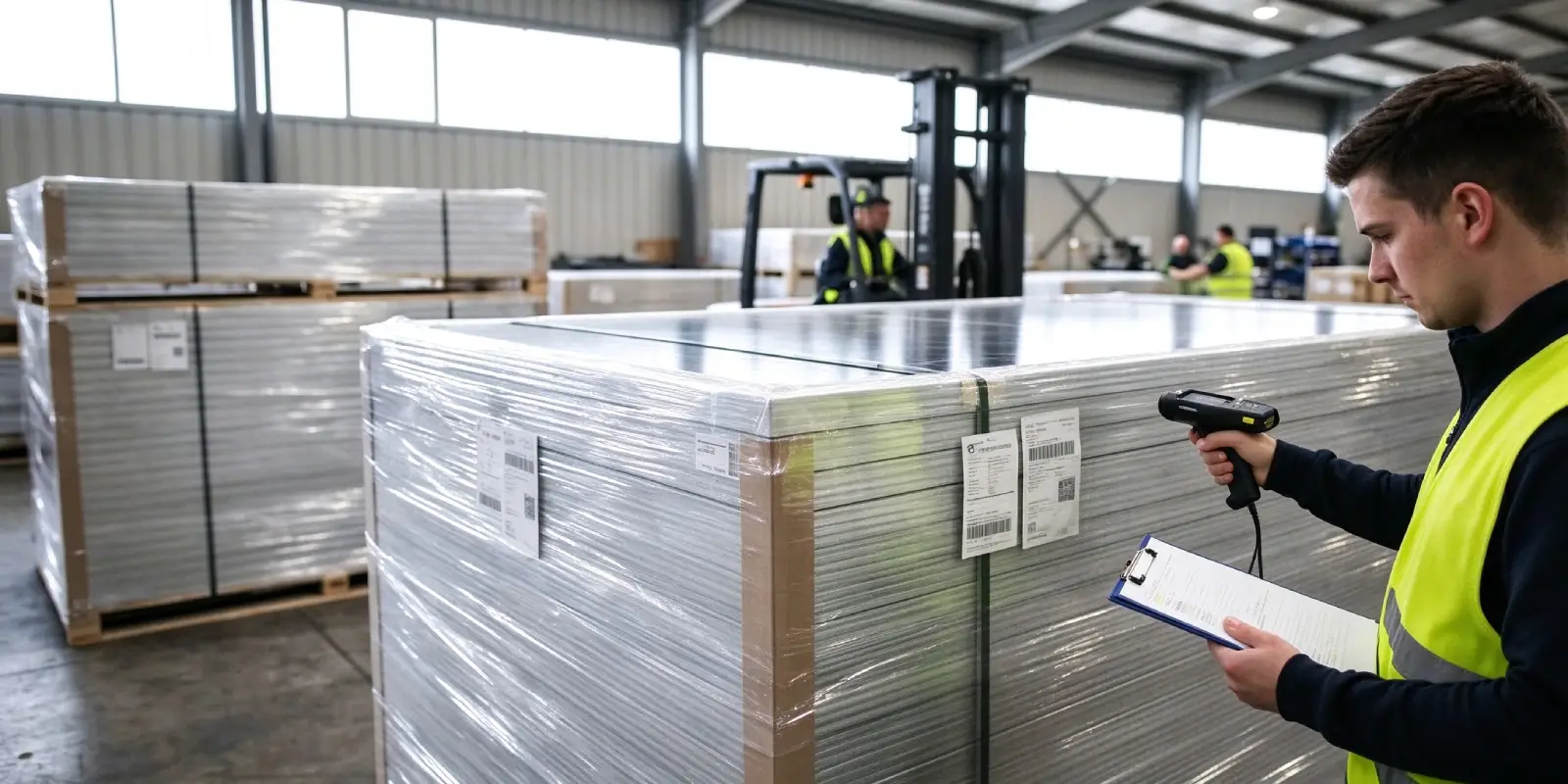
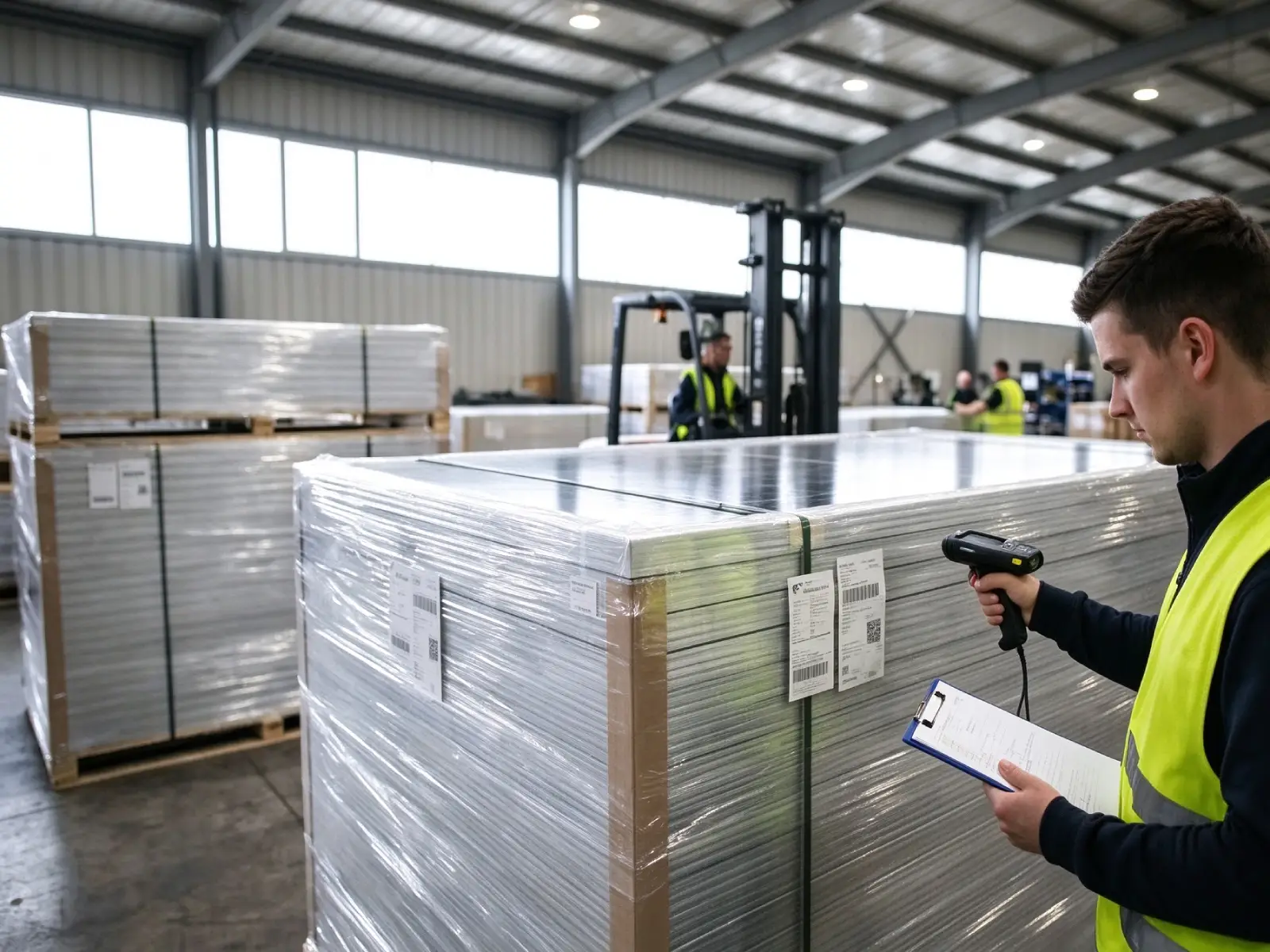
Portable solar panels are not easy to ship. They contain glass, fragile cells, and often lithium batteries. They are subject to customs regulations, transportation safety rules, and market-specific compliance requirements. A delay at the port or a rejected shipment can cost you weeks and thousands of dollars.
This guide explains how portable solar panel shipping and warehousing work. It covers the main shipping methods, the role of overseas warehouses, customs and compliance, and how suppliers can reduce lead time. By the end, you will understand how to plan logistics effectively and avoid common pitfalls.
Article Summary
Portable solar panels come with complex logistics challenges due to fragile solar glass and lithium battery dangerous-goods rules. This guide compares sea, air, express and rail shipping options, explains overseas warehouse benefits, customs & battery compliance requirements, packaging standards, typical logistics mistakes, and key questions you should verify with your solar supplier. Proper logistics planning shortens lead time, cuts extra costs and prevents shipment hold-ups at customs.
Quick FAQ
-
Q: What’s the cheapest shipping for bulk portable solar panels? A: Sea freight, best for large orders, transit around 18–32 days.
-
Q: Why are portable solar shipments easily delayed? A: Damaged packaging, wrong HS codes, incomplete battery documents (UN38.3 / MSDS), port congestion.
-
Q: What’s the advantage of overseas warehouse? A: Pre-import bulk inventory locally, fast local delivery, simpler customs clearance and better e-commerce fulfillment.
-
Q: Mandatory documents for lithium battery solar kits? A: Commercial invoice, packing list, UN38.3 report, MSDS, product certifications.
1. Why Logistics Matters for Portable Solar Panels
Portable solar panels have specific characteristics that make logistics more complex than ordinary goods.
Fragility: Solar cells and glass panels can crack if handled roughly. Packaging must be strong enough for international transport.
Batteries: Many portable solar panel kits include lithium batteries. These are classified as dangerous goods and subject to strict transport regulations.
Customs compliance: Solar panels and batteries require specific documentation, HS codes, and certifications. Missing paperwork can delay or block a shipment.
Market regulations: Different countries have different import requirements, tariffs, and safety standards.
Seasonality: Demand for portable solar panels peaks in spring and summer. Shipping capacity can tighten during these periods.
Key takeaway: Logistics is not an afterthought. It affects cost, delivery time, and customer satisfaction.
2. Shipping Methods Compared
There are four main ways to ship portable solar panels. Each has trade-offs in cost, speed, and suitability.
2.1 Sea Freight
Best for: Large and medium-volume shipments
Pros:
-
Lowest cost per unit for large volumes
-
Suitable for full container loads (FCL) and less-than-container loads (LCL)
-
Can handle heavy and bulky items
Cons:
-
Longest transit time
-
Port congestion and customs delays possible
-
Requires careful packaging for humidity and handling
Typical transit time: 18–32 days, depending on route and destination
2.2 Air Freight
Best for: Samples, urgent orders, and high-value items
Pros:
-
Fast transit
-
Reliable schedules
-
Suitable for lithium battery shipments with proper documentation
Cons:
-
Higher cost
-
Weight and size limitations
-
Battery shipments require special handling
Typical transit time: 2–7 days
2.3 Express Courier
Best for: Samples and small parcels
Pros:
-
Fastest option
-
Door-to-door service
-
Easy tracking
Cons:
-
Highest cost per unit
-
Limited size and weight
-
Battery restrictions vary by carrier
Typical transit time: 2–5 days
2.4 Rail Freight
Best for: Large-volume shipments to Europe and some inland destinations
Pros:
-
Cost between sea and air
-
Faster than sea freight
-
Stable schedules
Cons:
-
Limited route coverage
-
Not suitable for all destinations
-
Requires coordinated customs clearance
Typical transit time: 12–18 days
2.5 Comparison Table
| Method | Cost | Speed | Best For |
|---|---|---|---|
| Sea freight | Low | Slow | Large volumes |
| Air freight | High | Fast | Urgent orders, samples |
| Express | Highest | Fastest | Small parcels |
| Rail freight | Medium | Medium | Europe-bound volumes |
Key takeaway: Choose the shipping method based on volume, urgency, and destination.
3. The Role of Overseas Warehousing
Overseas warehousing has become a competitive advantage in the solar industry. Instead of shipping directly from the factory to the customer, suppliers stock inventory in warehouses located near key markets.
3.1 How It Works
-
The factory ships a bulk order to an overseas warehouse
-
The warehouse stores the inventory
-
When a customer places an order, the product ships from the local warehouse
-
Delivery is fast, and customs clearance is handled locally
3.2 Benefits
Faster delivery: Local shipping takes days, not weeks.
Lower shipping cost: Bulk shipping to a warehouse is cheaper per unit than individual shipments.
Better customer experience: Customers receive products faster and with local tracking.
Reduced customs risk: Bulk clearance is often smoother than individual shipments.
Support for e-commerce: Local warehousing is essential for platforms like Amazon, which require fast fulfillment.
Seasonal flexibility: Inventory can be stocked ahead of peak season.
3.3 Key Warehouse Locations
For portable solar panels, the most important warehouse locations are:
-
United States — for North American markets
-
Europe — for EU countries (often Germany or the Netherlands)
-
Japan — for the Japanese market
-
Korea — for the Korean market
-
Australia — for Australia and New Zealand
A supplier with warehouses in these regions can serve customers faster and more reliably.
Key takeaway: Overseas warehousing is not just a convenience. It is a competitive advantage.
4. Customs and Compliance
Customs is one of the most common causes of shipping delays. Understanding the requirements helps you avoid problems.
4.1 HS Codes
Each product has a Harmonized System (HS) code that determines tariffs and regulations. Portable solar panels, batteries, and accessories may have different codes.
Confirm the correct HS codes with your supplier and customs broker.
4.2 Required Documentation
Typical documents include:
-
Commercial invoice
-
Packing list
-
Bill of lading or airway bill
-
Certificate of origin
-
Product certifications
-
MSDS for batteries
-
UN38.3 test report for lithium batteries
Missing or incorrect documents can delay clearance.
4.3 Tariffs and Duties
Tariffs vary by country and product. Some markets have preferential rates for certain countries of origin.
For example, solar products manufactured in Indonesia may benefit from lower tariffs in some markets compared to goods manufactured in China. This is one reason some suppliers maintain production facilities in multiple countries.
4.4 Battery Regulations
Lithium batteries are classified as dangerous goods. They require:
-
UN38.3 test report
-
MSDS
-
Proper labeling and packaging
-
Carrier approval for air transport
Not all carriers accept lithium battery shipments. Confirm with your supplier and freight forwarder.
Key takeaway: Customs and compliance are complex. Work with a supplier that understands the requirements.
5. How Suppliers Reduce Lead Time
Lead time is not just about shipping. It includes production, inspection, packaging, and customs. Suppliers can reduce lead time in several ways.
5.1 Production Planning
-
Maintain raw material inventory
-
Schedule production efficiently
-
Use automation to increase throughput
-
Run multiple SKUs in parallel
5.2 Local Warehousing
-
Stock inventory in key markets
-
Ship from the nearest warehouse
-
Reduce last-mile delivery time
5.3 Documentation Readiness
-
Prepare customs documents in advance
-
Use correct HS codes
-
Provide certificates and test reports upfront
5.4 Logistics Partnerships
-
Work with reliable freight forwarders
-
Use multiple shipping routes
-
Negotiate priority handling
5.5 Communication
-
Provide production updates
-
Share shipping tracking information
-
Respond quickly to issues
Key takeaway: Lead time reduction is a combination of production, warehousing, documentation, and communication.
6. Packaging for International Shipping
Packaging is critical for fragile solar panels. Poor packaging leads to damage, returns, and unhappy customers.
6.1 Key Packaging Considerations
-
Cushioning: Foam, bubble wrap, or custom inserts to protect panels
-
Moisture protection: Desiccant and moisture barrier bags
-
Strength: Double-walled cartons or wooden crates for bulk shipments
-
Labeling: Fragile, this side up, and handling instructions
-
Battery packaging: Separated and labeled according to regulations
6.2 Testing Packaging
Before mass shipping, test the packaging with a trial shipment. Check for damage and adjust as needed.
6.3 Retail Packaging
If your product is sold in retail stores, packaging must also meet retail requirements:
-
Printed box with branding
-
User manual
-
Warranty information
-
Barcodes and labels
Key takeaway: Packaging protects your product and your brand. Do not cut corners.
7. Common Logistics Mistakes
Buyers often make these mistakes when shipping portable solar panels.
-
Choosing the cheapest shipping method without considering risk
-
Ignoring battery regulations
-
Using incorrect HS codes
-
Not preparing customs documents in advance
-
Underestimating packaging requirements
-
Failing to plan for peak season
-
Not tracking shipments
-
Assuming all suppliers have the same logistics capability
Avoiding these mistakes saves time and money.
8. Questions to Ask Your Supplier
Use this checklist when discussing logistics with a portable solar panel supplier.
Shipping:
-
Which shipping methods do you offer?
-
What are the typical transit times?
-
Can you ship lithium batteries?
Warehousing:
-
Do you have overseas warehouses?
-
Where are they located?
-
Can you stock inventory for fast delivery?
Customs:
-
What HS codes do you use?
-
What documents do you provide?
-
How do you handle tariffs and duties?
Lead Time:
-
What is the total lead time from order to delivery?
-
How do you handle delays?
-
Can you provide production and shipping updates?
Packaging:
-
How do you package panels for international shipping?
-
Can you customize retail packaging?
-
How do you protect batteries during transport?
Key takeaway: Ask these questions early. A supplier with strong logistics capability will have clear answers.
9. Conclusion
Logistics can make or break your portable solar panel business. The right shipping method, warehousing strategy, and customs preparation can reduce lead time, lower costs, and improve customer satisfaction.
To summarize:
-
Understand the main shipping methods and their trade-offs
-
Use overseas warehousing to serve key markets faster
-
Prepare customs documentation carefully
-
Work with a supplier that understands battery regulations
-
Plan packaging for international transport
-
Ask the right questions before placing orders
A supplier with strong logistics capability is a valuable partner. It helps you deliver on time, control costs, and grow your business.
If you are sourcing portable solar panels and need a supplier with global logistics support, Gaotu Innovation can help. With production bases in China and Indonesia, overseas warehouses in the US, Europe, Japan, Korea, and Australia, and partnerships with major freight forwarders, we support brands, distributors, and project buyers worldwide. You can request a logistics consultation, ask for shipping quotes, or download our product catalog to learn more.
Related Posts

Marine-Grade Flexible Solar Panels: The Definitive Sourcing Guide for RV & Yacht Manufacturers
For recreational vehicle, luxury yacht and vessel manufacturers, every single component within the end product…
How to Choose a Solar Panel Manufacturer: 7 Verification Steps for 2026
Article summary: This guide provides 7 practical verification steps to distinguish genuine solar panel manufacturers…
Customized ETFE Portable Solar Panel: Wholesale, OEM & ODM for Business
The global demand for outdoor portable power solutions has grown rapidly in recent years. With…

Leave a Reply