

Solar Power Knowledge
How to Import Solar Panels from China: A Complete Guide for Wholesalers and Distributors
 gaotu

Summary and Quick Answers
This guide is written for importers, wholesalers, and distributors who want to source solar panels from China. It covers supplier vetting, certifications, pricing, shipping, customs clearance, payment terms, and common pitfalls — from first inquiry to container delivery.
Importing solar panels from China can be highly profitable, but it requires careful planning. Below are the core conclusions for importers:
If you are looking to import solar panels from China, this guide covers everything you need to know.| Key Item | Typical Range / Advice |
|---|---|
| MOQ (standard panels) | 100–500 units; custom 300–1,000 units |
| Sampling time | 3–10 days (standard); 20–45 days (custom mold) |
| Bulk lead time | 7–30 days (standard); 20–60 days (custom) |
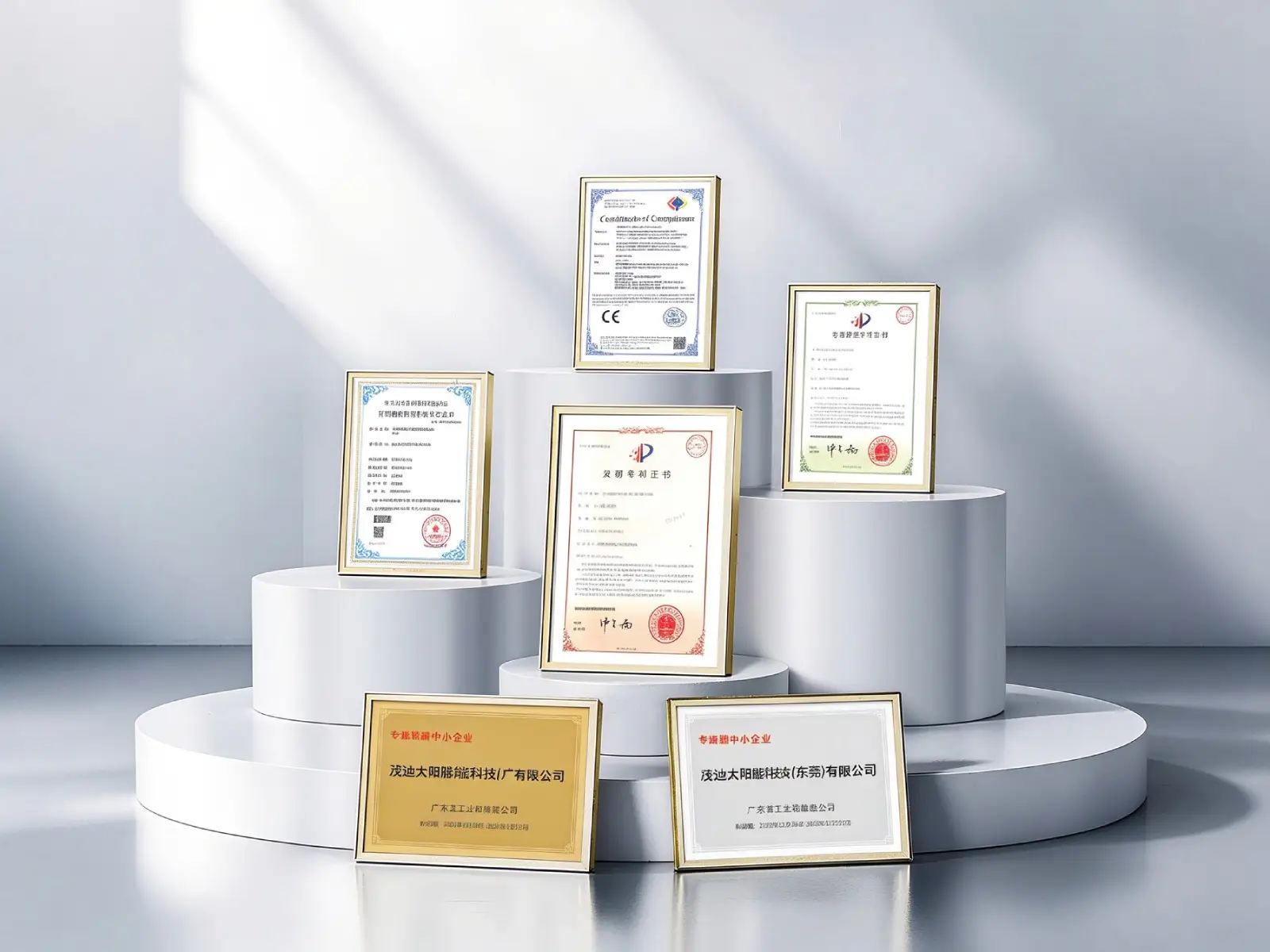
| Core certifications | CE, FCC, RoHS, TUV, UL, ISO9001, IEC 61215/61730 |
| Shipping methods | Sea freight (FCL/LCL), air freight, express |
| Payment terms | T/T 30% deposit + 70% before shipment; L/C for large orders |
| Incoterms | EXW, FOB, CIF, DDP |
| Typical import duty (US/EU) | Varies by HS code and country; check local tariff schedule |
This article is organized into 10 sections: supplier sourcing, certification, pricing, sampling, shipping, customs, payment, quality control, risk management, and a final checklist.
1. Why Import Solar Panels from China?
China dominates global solar panel production, accounting for over 80% of the world’s manufacturing capacity. For importers, this means:
-
Competitive pricing: Direct factory access eliminates middlemen
-
Full product range: Folding, flexible, glass-encapsulated, portable, and custom panels
-
Mature supply chain: Raw materials, cells, and components are all localized
-
OEM/ODM capability: Chinese factories support private label and custom development
-
Export experience: Most factories are familiar with international certifications and shipping
However, the market is also crowded with trading companies posing as factories, inconsistent quality, and certification fraud. Success depends on knowing how to vet suppliers and manage the import process.
2. Step 1: Define Your Product Requirements
Before contacting suppliers, clarify what you need. A vague inquiry leads to vague quotes and sample failures.
The 7 specifications to define:
-
Panel type: Folding, flexible, glass-encapsulated, or portable
-
Power output: 20W–400W+ depending on application
-
Voltage and connectors: Match your target market (USB/DC/XT60/MC4)
-
Encapsulation material: ETFE (weather-resistant), PET (economical), glass (durable), flexible
-
Certifications required: Based on destination market (CE for EU, FCC for US, etc.)
-
Packaging: Color box, multilingual manual, export carton
-
Order quantity and target price
Application matters: RV panels prioritize durability and mounting; marine panels need salt-spray resistance; camping panels prioritize portability; off-grid projects require power authenticity and batch consistency.
A structured RFQ (request for quotation) listing these 7 items lets you compare suppliers on the same basis.
3. Step 2: Find and Vet Reliable Suppliers
This is the most critical step. A wrong supplier means lost money, failed certifications, and damaged reputation.
Looking for a proven partner? Check out our profile as a custom OEM portable solar panel manufacturer for global wholesalers.
Where to find suppliers:
-
B2B platforms (Alibaba, Global Sources, Made-in-China)
-
Trade shows (Canton Fair, Intersolar, SNEC)
-
Industry referrals and associations
-
Google search for “solar panel manufacturer” + specific product terms
How to distinguish a factory from a trading company:
| Signal | Factory | Trading Company |
|---|---|---|
| Production line photos | ✅ Provides | ❌ Vague or borrowed |
| Certification holder | Matches company name | May differ |
| Sampling capability | In-house | Outsourced |
| Monthly capacity | Clearly stated | Unclear |
| Custom mold ability | Yes | Usually no |
| Price level | Competitive | Marked up |
Vetting checklist:
-
Request business license and export license
-
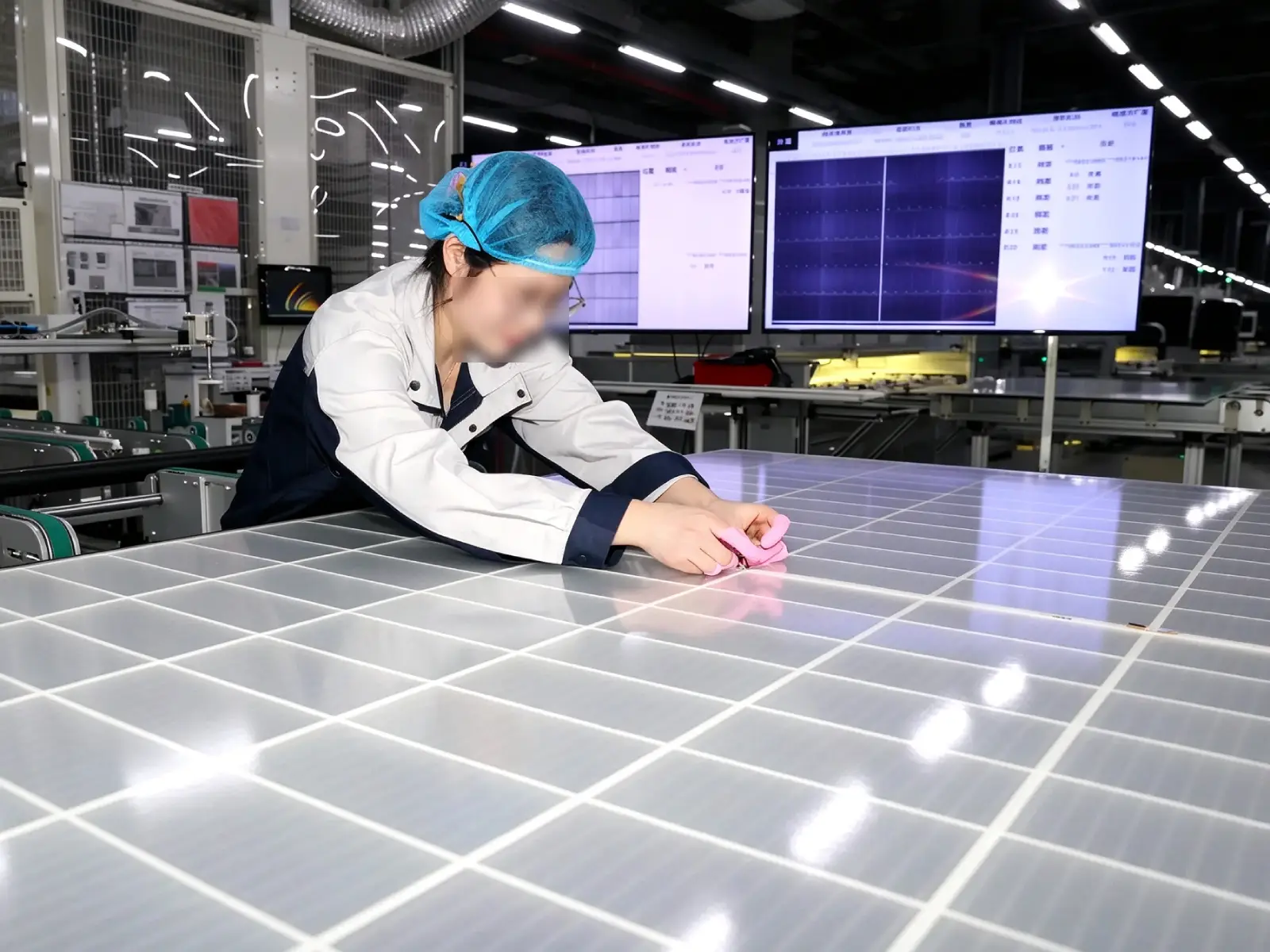
Ask for factory photos, video tour, or third-party audit report
-
Verify certification holder name matches the company
-
Request anonymized cooperation cases in your category
-
Ask detailed technical questions — a real factory answers precisely
-
Start with a small sample order before bulk
Red flags: quotes far below market, refusal to provide samples, vague certification answers, no factory information, pressure to pay full amount upfront.
4. Step 3: Verify Certifications
Certifications are non-negotiable. Selling uncertified panels can lead to customs seizure, fines, and product recalls.
Key certifications by market:
| Certification | Market | What It Covers |
|---|---|---|
| CE | EU | Product safety and compliance |
| FCC | US | Electromagnetic interference |
| RoHS | EU | Hazardous substances restriction |
| TUV | Europe/international | Safety and performance |
| UL | North America | Product safety |
| IEC 61215/61730 | Global | PV module design and safety |
| ISO9001 | Global | Quality management system |
How to verify:
-
Ask for certificate numbers and check them on the issuing body’s website
-
Confirm the certificate holder matches the manufacturer’s legal name
-
Check the certificate scope covers your specific product type
-
Be wary of certificates that look edited or have mismatched model numbers
5. Step 4: Sampling and Quality Validation
Never skip sampling. A sample reveals more about a supplier than any quotation.
Sampling process:
-
Request samples of the exact specification you plan to order
-
Test power output against rated value (use a multimeter and solar simulator if possible)
-
Check build quality: folding mechanism, connectors, cables, encapsulation
-
Verify packaging and documentation
-
Confirm certification labels on the product
Sample policies:
-
Free sample, buyer pays freight (standard products)
-
Paid sample, refundable on bulk order (customized products)
-
Paid sample, non-refundable (fully custom designs)
Timeline: Standard samples 3–7 days; custom logo 7–10 days; new mold 20–45 days.
Prioritize factories that offer “paid but deductible from bulk orders” — they are usually more serious about long-term cooperation.
6. Step 5: Negotiate Price, MOQ, and Lead Time
Price composition: Solar cells (largest cost), encapsulation materials, frame and structure, connectors and cables, labor, certification testing, packaging, logistics, and factory profit.
MOQ ranges:
| Product Type | Typical MOQ |
|---|---|
| Standard panels | 100–500 units |
| Custom logo/packaging | 300–1,000 units |
| Custom power/structure | 500–2,000 units |
| Full ODM new mold | 1,000–5,000 units |
Lead time:
| Order Type | Typical Lead Time |
|---|---|
| Standard, small batch | 7–15 days |
| Standard, large batch | 15–30 days |
| Custom logo/packaging | 20–35 days |
| Custom structure | 30–45 days |
| New mold development | 45–60 days |
Negotiation tips:
-
MOQ is negotiable for first orders and long-term potential
-
Lock lead time into the contract with penalty clauses
-
Compare quotes on identical specifications
-
Ask for a cost breakdown if a quote seems unusually high or low
-
Place orders before peak season (Q3–Q4) to avoid delays
For a deeper breakdown of industry data, read our full guide on portable solar panel MOQ, price & lead time.
7. Step 6: Choose Shipping and Incoterms
Shipping methods:
| Method | Best For | Transit Time | Cost |
|---|---|---|---|
| Sea freight FCL | Large orders (full container) | 25–40 days | Lowest per unit |
| Sea freight LCL | Small/medium orders | 30–45 days | Moderate |
| Air freight | Urgent, high-value | 5–10 days | High |
| Express (DHL/FedEx) | Samples, small parcels | 3–7 days | Highest |
Incoterms explained:
-
EXW: Buyer arranges everything from factory — most responsibility on buyer
-
FOB: Supplier delivers to port; buyer handles shipping and insurance
-
CIF: Supplier covers cost, insurance, and freight to destination port
-
DDP: Supplier delivers to buyer’s door with duties paid — most convenient but highest supplier risk
Recommendation: For first-time importers, FOB offers a good balance of control and cost. For experienced importers with logistics partners, EXW can be cheaper. DDP is convenient but verify the supplier’s customs capability.
8. Step 7: Customs Clearance and Duties
Required documents:
-
Commercial invoice
-
Packing list
-
Bill of lading (B/L) or air waybill
-
Certificate of origin (for preferential tariff treatment)
-
Product certifications (CE, FCC, etc.)
-
Insurance certificate (if applicable)
HS code: Solar panels typically fall under HS code 8541.40 (photosensitive semiconductor devices). Confirm the exact code with your customs broker, as duties vary by country.
Duty rates: Vary widely — US, EU, and other markets have different tariff schedules and anti-dumping duties on Chinese solar products. Always check current rates with a customs broker before ordering.
Tips:
-
Work with an experienced customs broker
-
Ensure all documents match exactly (product description, quantity, value)
-
Declare accurate values — under-declaration risks fines and seizure
-
Check for anti-dumping/countervailing duties (AD/CVD) in your market
9. Step 8: Payment Terms and Risk Management
Common payment terms:
| Term | Description | Risk Level |
|---|---|---|
| T/T 30% deposit + 70% before shipment | Most common | Moderate |
| T/T 100% before shipment | Supplier-friendly | High for buyer |
| L/C (letter of credit) | Bank-guaranteed | Low, but costly |
| Trade Assurance (Alibaba) | Platform mediation | Moderate |
| PayPal | Small orders only | Low, high fees |
Risk management:
-
Start with a small trial order before committing to bulk
-
Use Trade Assurance or L/C for large orders
-
Inspect goods before final payment (third-party inspection)
-
Keep written records of all specifications and agreements
-
Have a backup supplier in case of delays
10. Step 9: Quality Control and Inspection
Pre-shipment inspection:
-
Hire a third-party inspection company (SGS, Bureau Veritas, Intertek) for bulk orders
-
Check power output, build quality, packaging, and labels
-
Verify quantity and specifications against the contract
-
Take photos and videos for records
Ongoing quality management:
-
Request production updates during manufacturing
-
Ask for test reports for each batch
-
Monitor defect rates and address issues early
-
Maintain a sample from each batch for reference
11. Common Pitfalls and How to Avoid Them
| Pitfall | How to Avoid |
|---|---|
| Trading company posing as factory | Verify factory license, photos, and certification holder |
| Fake or incomplete certifications | Check certificate numbers on issuing body’s website |
| Power output lower than rated | Test samples with a multimeter; require test reports |
| Lead time delays | Write penalties into contract; order before peak season |
| Customs seizure | Ensure certifications and HS codes are correct |
| Under-declared value | Declare accurately; work with a reputable broker |
| No after-sales support | Agree on warranty terms in writing before ordering |
12. Import Checklist
| Step | Task | Done |
|---|---|---|
| 1 | Define 7 product specifications | ☐ |
| 2 | Find and vet at least 3 suppliers | ☐ |
| 3 | Verify certifications and certificate holders | ☐ |
| 4 | Request and test samples | ☐ |
| 5 | Negotiate price, MOQ, and lead time | ☐ |
| 6 | Confirm Incoterms and shipping method | ☐ |
| 7 | Prepare customs documents | ☐ |
| 8 | Arrange payment and inspection | ☐ |
| 9 | Conduct pre-shipment inspection | ☐ |
| 10 | Clear customs and receive goods | ☐ |
Conclusion
Importing solar panels from China is a proven path to competitive pricing and product differentiation — but only for importers who do the homework. The formula is simple: clear specifications + verified factory + valid certifications + controlled logistics + written terms.
-
New importers: Start with a small trial order, use FOB terms, and hire a customs broker.
-
Experienced importers: Negotiate directly with factories, use L/C for large orders, and build dual-supplier relationships.
For quotes, samples, factory audits, or shipping support, contact us — we provide OEM/ODM solar panel manufacturing, fast sampling, and export documentation for global importers.
Related Posts
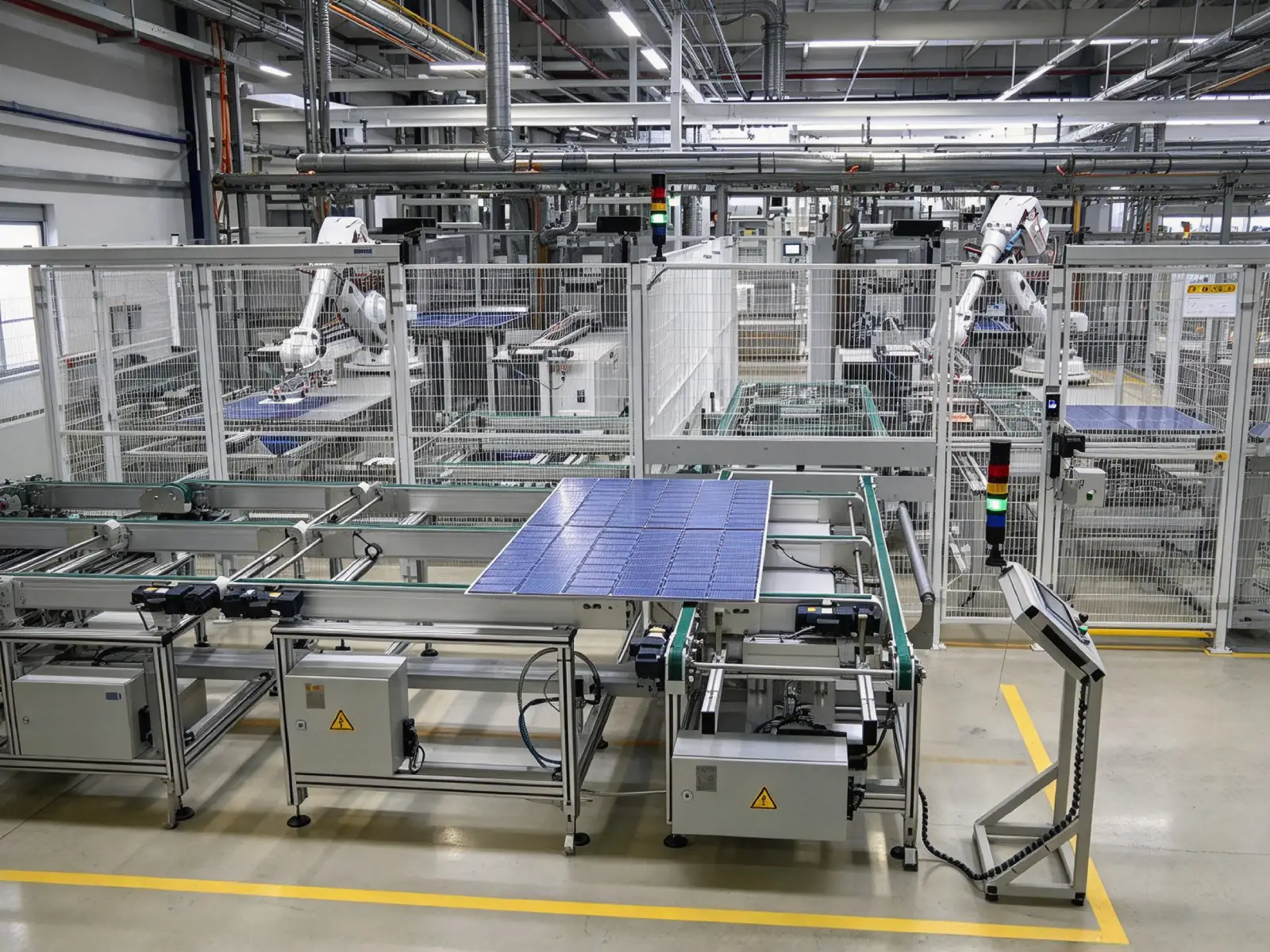
Factory Direct Solar Panels: What It Really Means and When It Saves You Money
Article summary: This guide explains what “factory direct solar panels” really means, how much you…
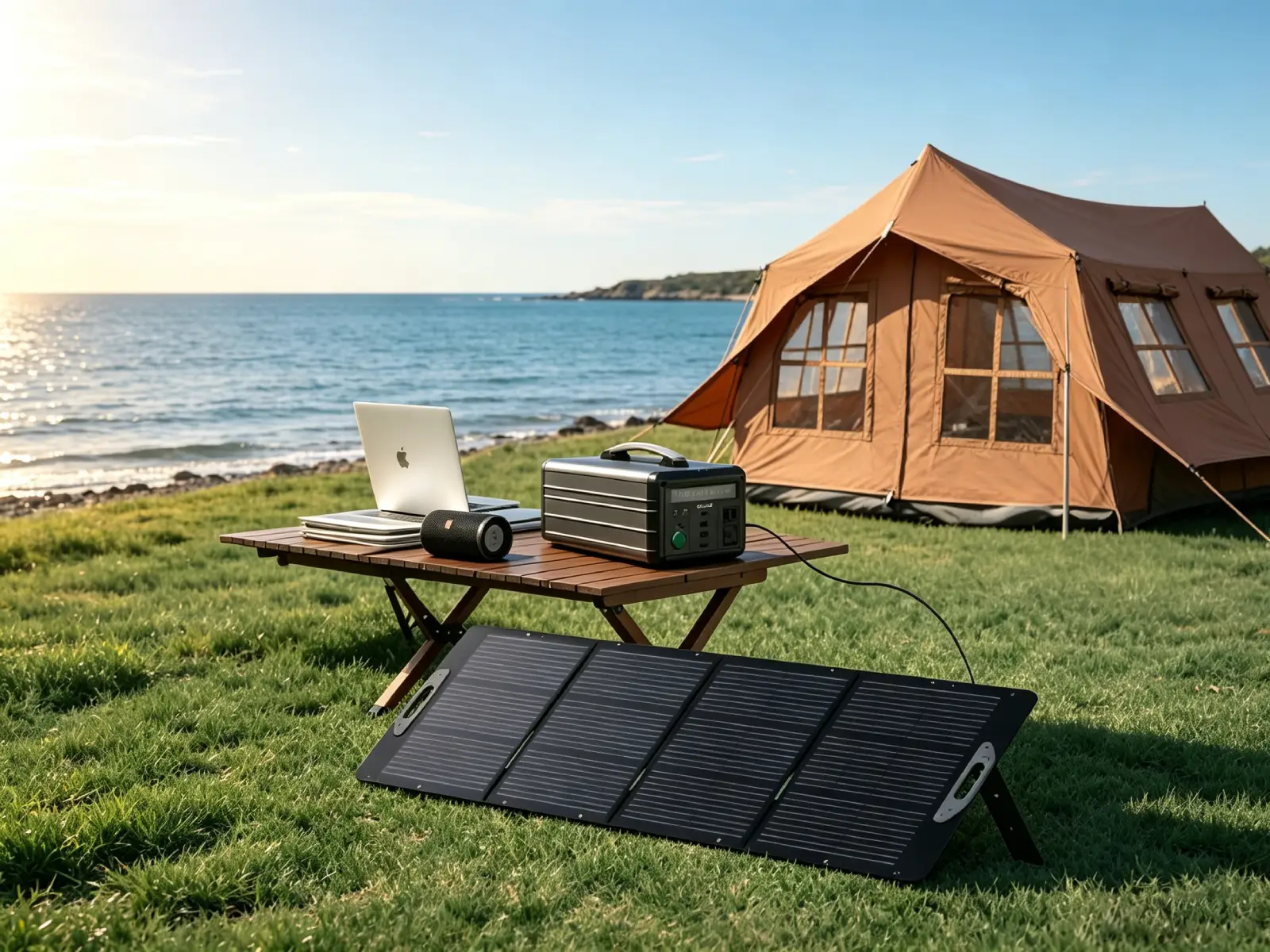
Portable Solar Panel Bulk Supply
As the global demand for off-grid power solutions continues to surge, portable solar panels have…

GTPOW 8W Security Camera Solar Panel – B2B Wholesale Sales Document
1. Industry Pain Points (For Distributors & Retail Partners) End-user universal pain points Battery-powered wireless…

Leave a Reply