

Solar Power Knowledge
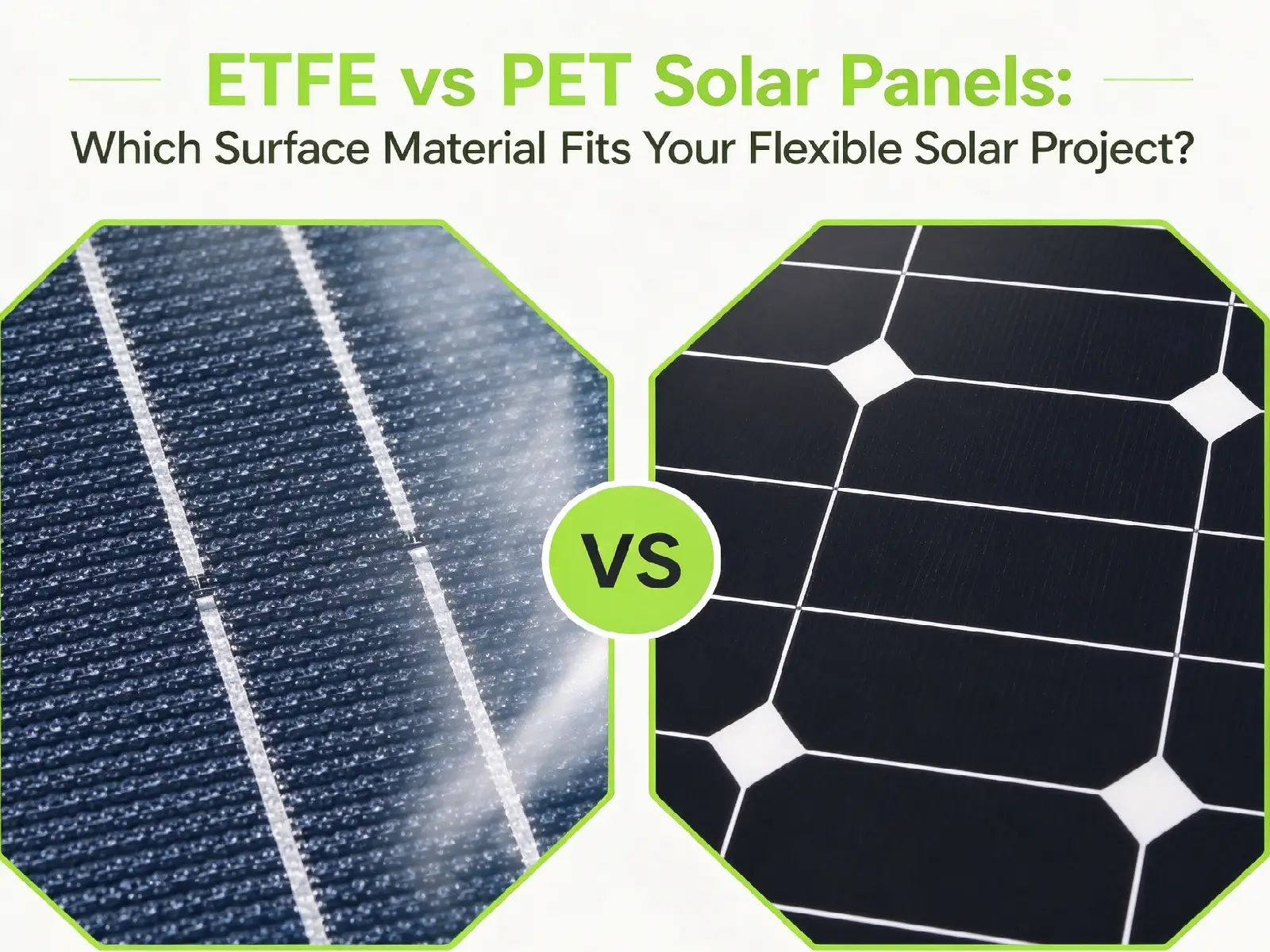
ETFE vs PET Flexible Solar Panels: Which Material Fits Your Project?
 Gaotu Innovation
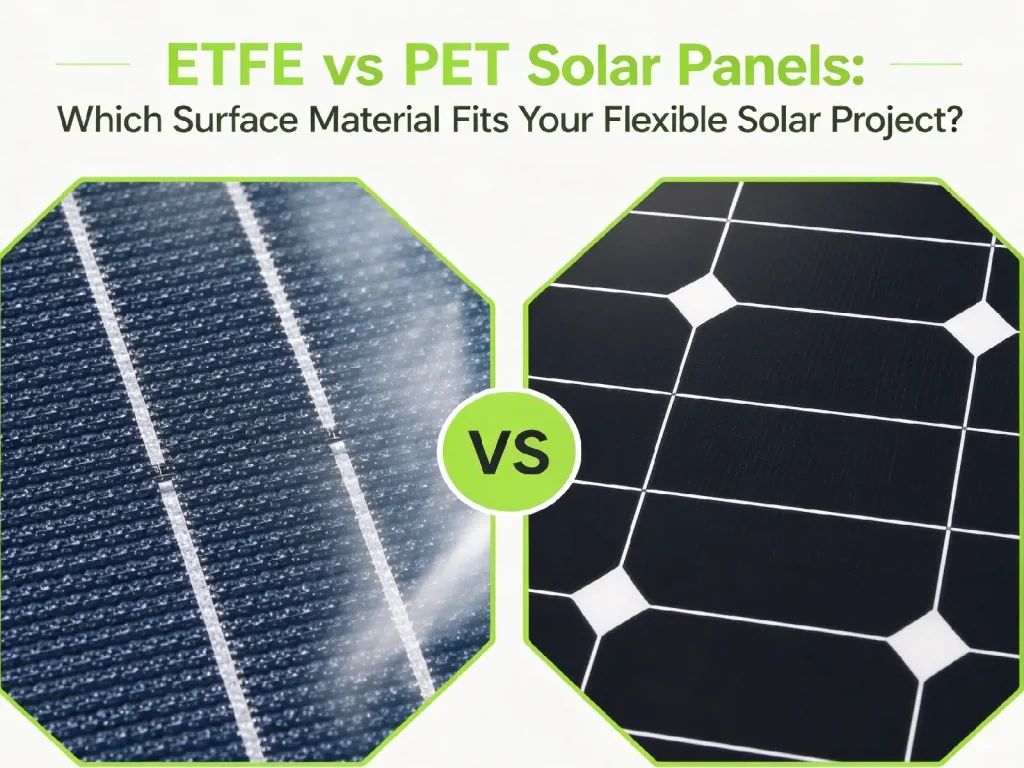
Article Summary
This guide compares ETFE and PET front sheet materials for flexible solar panels used in RV, marine, balcony, off-grid and portable solar applications. We break down light transmittance, UV resistance, damp-heat performance, bending flexibility, typical service life and upfront cost, and share a B2B sourcing checklist to help importers, distributors and OEM brand owners avoid fake ETFE panels. Whether you source flexible solar panels for the USA, Australia, UK, Canada, Europe or the Middle East, this article helps you match the right film to your climate, warranty target and total ownership cost.
Quick Answer
For long-term outdoor, marine, RV and coastal flexible solar projects, ETFE is the preferred front sheet material, thanks to superior UV stability, moisture resistance and anti-yellowing performance. PET is a budget-friendly option for short-cycle, indoor or light-duty portable solar products, but it carries higher aging risks under continuous outdoor exposure. The best choice depends on your application environment, warranty requirement and total ownership cost — not just the upfront price.
What Are ETFE and PET for Flexible Solar Panels?
Many B2B buyers mix up the front sheet material with solar cells, encapsulant (EVA / POE) and backsheet. ETFE and PET only describe the top protective film of flexible solar panels. They do not define cell grade, encapsulation quality or IP rating.
- ETFE (Ethylene Tetrafluoroethylene): A high-performance fluoropolymer. Its strong carbon‑fluorine molecular structure delivers outstanding weather resistance, chemical inertness and self-cleaning properties. It was originally developed for aerospace and architectural outdoor applications.
- PET (Polyethylene Terephthalate): A common polyester film widely used for consumer-grade flexible solar products. It is low-cost, lightweight and easy to process, but its molecular structure degrades quickly under long-term UV, heat and damp-heat conditions.
Important note: Even with ETFE front film, poor encapsulation or low-quality POE/EVA will still cause panel failure. Material is only one part of reliability.
ETFE vs PET Solar Panels — Side-by-Side Comparison Table
| Performance Item | ETFE Flexible Solar Panels | PET Flexible Solar Panels |
|---|---|---|
| Light Transmittance | 94–95%, stable over decades | 84–89%, drops sharply after UV exposure |
| UV & Anti-Yellowing | Excellent; minimal yellowing for 10+ years outdoors | Poor; obvious yellowing & microcracks within 1–3 years |
| Damp Heat / Salt Mist | Great for marine, coastal, high-humidity areas | Not recommended for saltwater or tropical humid climates |
| Bending Flexibility | Good, suitable for curved RV, boat, roof mounting | Good for casual folding; prone to cracking after repeated bending |
| Typical Service Life | 8–12 years under proper encapsulation | 2–4 years for outdoor use; 3–5 years for indoor/occasional use |
| Upfront Cost | 25–35% higher than PET | Lowest material cost for flexible solar |
| Best For | Marine, RV, balcony, permanent off-grid, commercial OEM | Promotional solar chargers, seasonal camping, short-cycle consumer goods |
Where Should You Use ETFE, and Where Does PET Make Sense?
Go With ETFE If Your Project Is:
- ✅ Marine / yacht solar systems (salt spray environment)
- ✅ RV, caravan and truck rooftop permanent installation
- ✅ Balcony off-grid, remote cabin, long-term outdoor deployment
- ✅ B2B OEM orders requiring 5–10 year warranty support
- ✅ High-temperature, strong UV markets such as Australia, the Southwest US, Middle East
PET Is Acceptable Only For:
- ✅ Disposable promotional solar gifts, seasonal portable chargers
- ✅ Indoor use, shaded environments, short-period camping
- ✅ Low-budget projects with clear expectations of short service life
- ✅ Orders where buyers accept shorter warranty and higher replacement rate
Gaotu Innovation reminder: Never sell PET panels to customers who expect multi-year outdoor reliability. This is the top source of after-sales complaints for flexible solar distributors.
B2B Sourcing Checklist: How To Avoid Fake ETFE Panels
This is one of the biggest pain points for importers and distributors. Many suppliers label PET panels as “ETFE” to raise prices. Before confirming your order, ask your manufacturer for these documents:
- Raw material datasheet of the ETFE film brand
- Accelerated UV aging test report
- Damp-heat (DH) and salt-mist test certificates
- Full BOM list (front film + encapsulant + cell + backsheet)
- Sample cross-section verification or third-party material identification report
At Gaotu Innovation (GTPOW), we provide full material traceability for all ETFE flexible solar OEM orders. Our engineering team can match the correct film and encapsulant combination according to your target sales region and warranty requirement.
ETFE vs PET — Frequently Asked Questions
Q1: Is ETFE always better than PET solar panels?
A: Not always. ETFE is technically superior for long-term outdoor use, but it costs more. If your product is a short-lifecycle promotional item, PET can be a reasonable commercial choice. The right material matches your business positioning.
Q2: How much longer do ETFE flexible panels last than PET?
A: In continuous outdoor exposure, well-made ETFE panels can last 3–4 times longer than PET versions. While PET saves money at purchase, total cost of ownership is usually higher due to replacement and after-sales labor.
Q3: Can PET solar panels work on boats or RVs?
A: We strongly advise against PET for marine and permanent RV installations. Salt mist and strong UV will accelerate yellowing, power loss and delamination.
Q4: What else matters besides ETFE / PET front film?
A: Encapsulant (POE is far better than EVA for outdoor flexible panels), cell quality, lamination process and edge sealing are equally critical. A cheap ETFE panel with low-grade EVA will fail quickly.
Q5: Does Gaotu Innovation offer both ETFE and PET flexible solar panels for OEM?
A: Yes. GTPOW supplies both ETFE premium flexible modules and cost-effective PET flexible panels. We support custom size, power, logo and packaging for distributors and brand owners worldwide.
Talk To Gaotu Innovation For Your Flexible Solar OEM Project
Choosing the right surface film is the first step of a reliable solar product. If you are sourcing flexible solar panels for RV, marine, portable power or retail solar kits, send us your project details: target market, application, required warranty, order quantity and custom requirements.
- ✅ OEM & ODM flexible solar panel manufacturer
- ✅ In-house lab aging & reliability testing
- ✅ Support documents for import compliance
- ✅ Competitive lead time for bulk orders
Gaotu Innovation (GTPOW)
Phone / WhatsApp / WeChat: +86 19129358309
Email: info@gt-pow.com
Website: www.gtpowsolar.com
Final Takeaway
ETFE is the premium, low-risk choice for professional outdoor flexible solar projects. PET serves cost-sensitive, short-lifecycle consumer scenarios. As a buyer, focus less on the material name alone and more on the full BOM, test reports and manufacturer process capability.
Related Posts
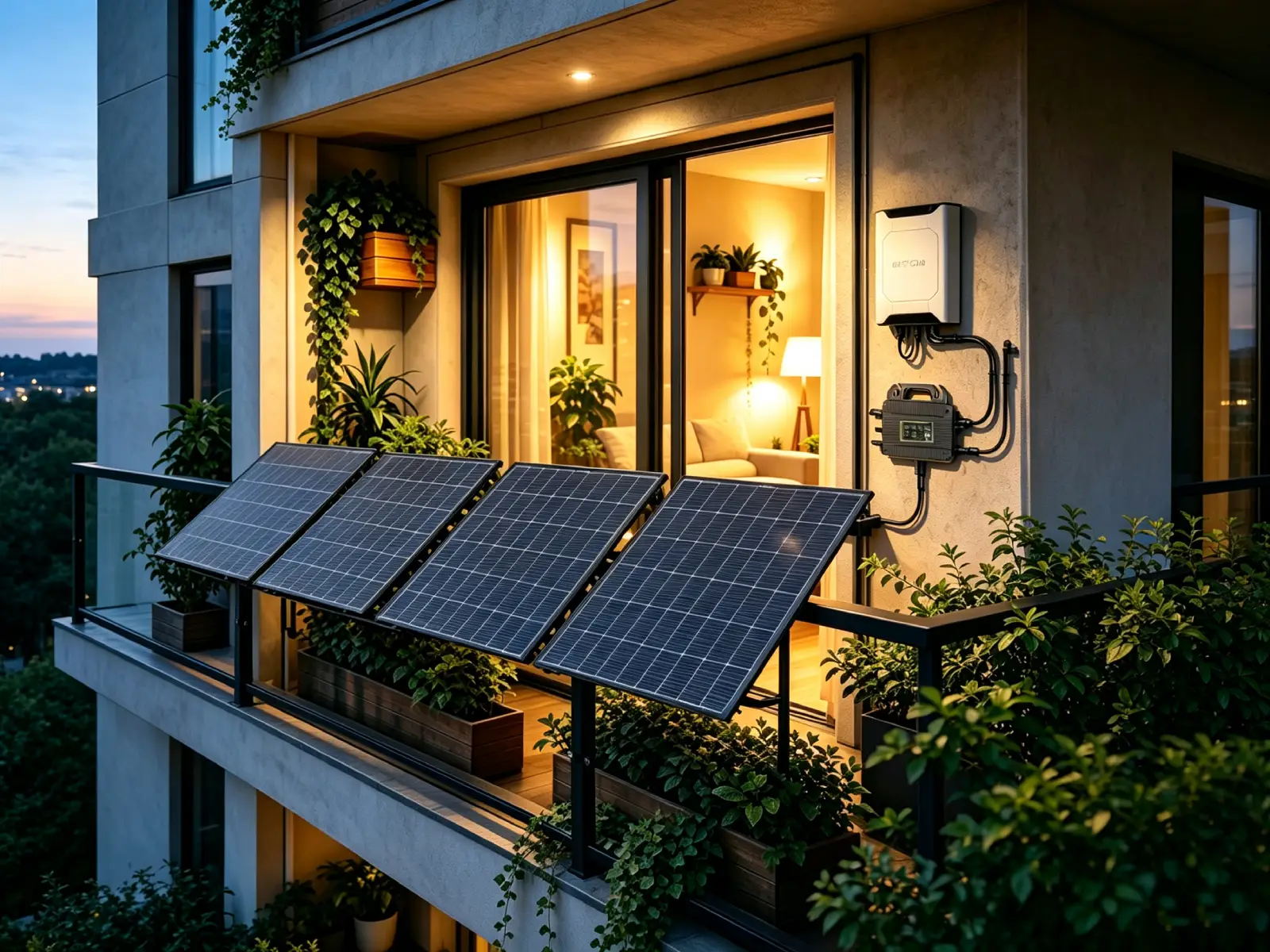
Balcony Solar Storage Systems — The Wholesale Opportunity You Shouldn‘t Sleep On
Balcony Solar Storage Systems are the fastest-growing slice of the category — if you’re…
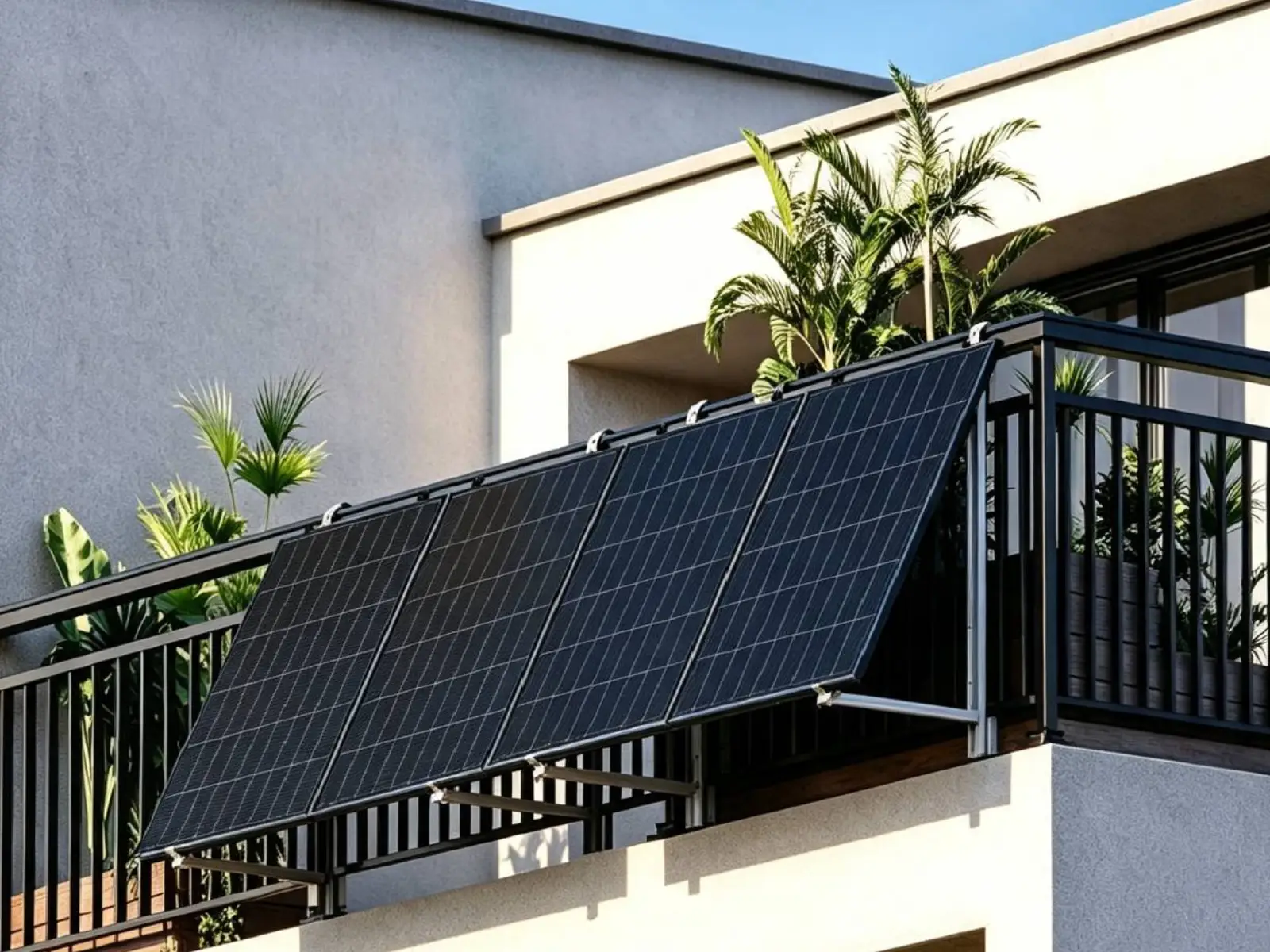
How to Choose Balcony Solar System
Balcony solar systems are hands down one of the best renewable energy options for apartment…
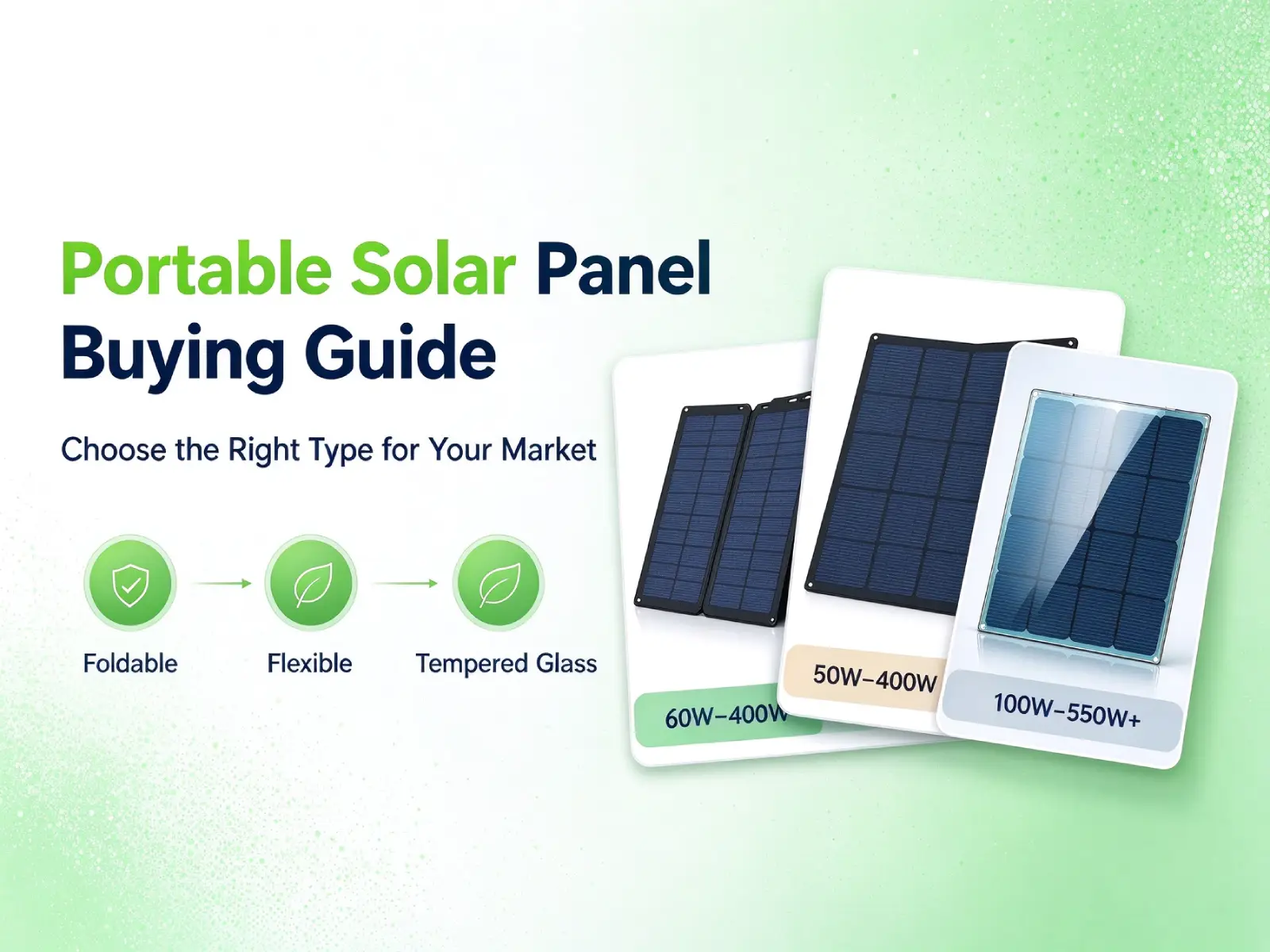
Foldable vs Flexible vs Tempered Glass Solar Panels: Which to Choose
Introduction Not all portable solar panels are the same. When buyers start sourcing, they quickly…
Leave a Reply