

Solar Power Knowledge
Portable Solar Panel Factory: A Wholesaler’s Guide to Buying Direct
 gaotu
gaotu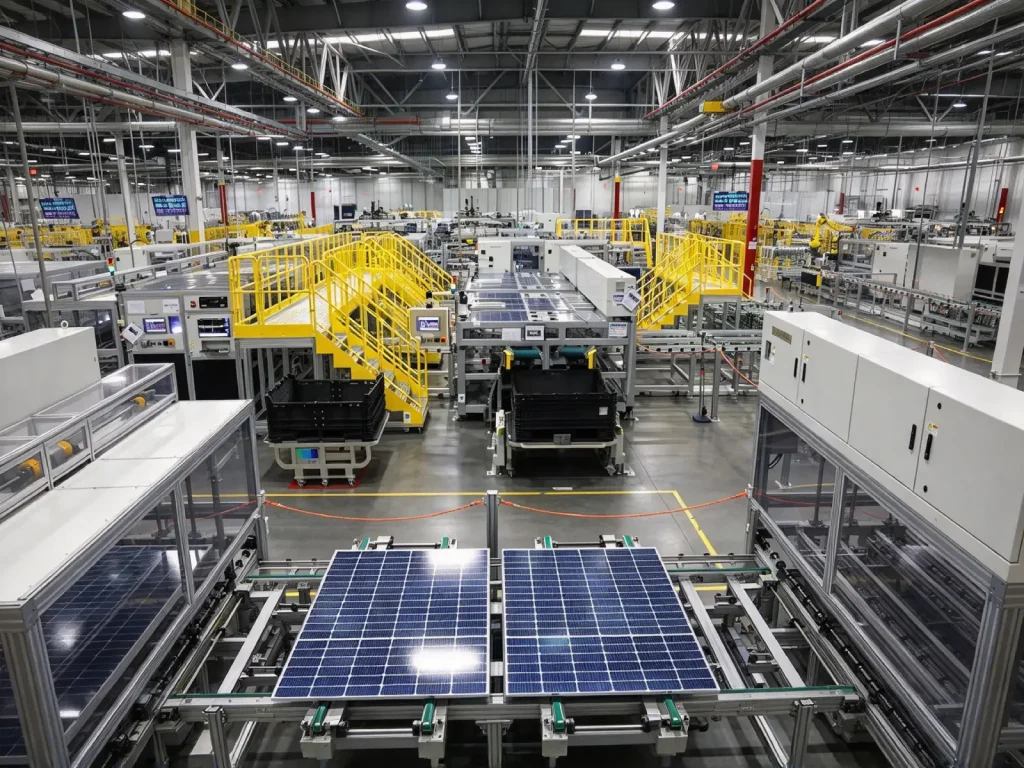
Article Summary
This guide explains why buying directly from a portable solar panel factory gives wholesalers better margins, stronger quality control, and more supply chain security. It covers what to look for in a factory, three cooperation models (spot wholesale, OEM, ODM), key questions to ask before signing, and where the portable solar market is heading.
Quick Answer
The best portable solar panel factory partner for a wholesaler offers a full power range (30W–400W), CE/RoHS/FCC/ISO certifications, OEM/ODM flexibility, stable lead times, and export experience. Start with a small spot wholesale order to test quality, then move to OEM or ODM once trust is established.
If you’re a wholesaler looking at the portable solar panel market, you’ve probably asked yourself one question: where do I actually make money here?
The demand is obviously there. Campers, van lifers, emergency preppers, boat owners—they all want portable solar. But when you’re buying through trading companies, the margins get thin fast. And the quality? Inconsistent. The lead times? Unpredictable. The competition? A race to the bottom on price.
This guide is for wholesalers who want to skip the middleman and work directly with a portable solar panel factory. We’ll cover why direct sourcing matters, what to look for in a factory, and how to structure a partnership that actually protects your margins.
Why Buying Direct From a Factory Changes the Math
Let’s keep this simple. Trading companies typically add 15–30% on top of factory pricing. That’s your profit, sitting in someone else’s pocket.
When you buy directly from a portable solar panel factory, a few things shift in your favor:
- Better pricing. No middleman markup means more room to set your own retail or distribution price.
- Customization. Factories can do OEM and ODM work. You can put your own brand on the product instead of competing on price alone.
- Quality control. You talk directly to the people making the panels. You set the specs. You don’t get a game of telephone between you and the production line.
- Supply security. Factories prioritize long-term wholesale partners during peak season. Trading companies can’t always say the same.
Direct sourcing isn’t just about cheaper panels. It’s about getting control over your product, your brand, and your supply chain.
What a Reliable Portable Solar Panel Factory Looks Like
Not every factory is worth your time. Here’s what separates a solid partner from a headache.
1. Product Range and Technical Capability
A good portable solar panel factory should cover the main technologies: monocrystalline, polycrystalline, and thin-film or flexible panels. More importantly, they should have the right power range for portable use:
- 30W–60W for backpackers and hikers
- 100W–200W for camping and tailgating
- 200W–400W for van life, RV, and emergency backup
Beyond wattage, look at the details that matter for portable applications: foldable design, water resistance, drop protection, and carrying case quality. These are the things your customers will notice and review.
2. Production Capacity and Lead Times
Ask directly: how many units per month? How many production lines? Can they handle a rush order during your peak season?
The standard lead time from order to shipment matters, but so does their material stocking strategy. A factory that pre-stocks key components can recover faster when demand spikes. One that doesn’t will leave you waiting while your competitors restock.
3. Certifications and Quality Control
Your downstream customers—retailers, Amazon sellers, distributors—will ask for certifications. Make sure your factory has CE, RoHS, FCC, and ISO certifications ready to share.
But certifications are just paper. Ask about their actual testing process. Do they run power output tests on every unit? Water resistance tests? Drop tests? Aging tests? A factory that skips these steps will cost you in returns and bad reviews.
Also confirm their warranty policy. A 5-year output performance warranty is a reasonable baseline for portable panels.
4. OEM and ODM Flexibility
If you want to build your own brand, the factory needs to support it. Ask about:
- Custom power ratings and panel sizes
- Interface options (USB-A, USB-C, DC, Anderson, etc.)
- Logo printing and custom packaging
- Whether they have an in-house design team for ODM projects
Some factories only do simple logo slapping. Others can develop a fully custom model with you. Know which type you’re talking to.
5. Export Experience and Logistics Support
If you’re sourcing internationally, export experience matters. Ask which markets they’ve shipped to—North America, Europe, Southeast Asia, the Middle East. Confirm they understand FOB, CIF, and DDP terms.
Can they handle customs documentation? Is their packaging designed for sea or air freight? Will they support drop shipping or full container loads? These details determine how smoothly your supply chain runs.
Three Ways to Work With a Portable Solar Panel Factory
Once you’ve found a factory you trust, you need to pick a cooperation model. Each has trade-offs.
Spot Wholesale
You buy the factory’s existing models in small batches. This is the lowest-risk way to start. MOQs are lower, and you can test the market quickly. The downside? Margins are thinner, and you’re selling the same products as everyone else.
Best for: First-time buyers or testing a new product line.
OEM (Private Label)
You take an existing factory model and put your brand on it. MOQs usually start around 500–1,000 units. This lets you build brand recognition without paying for custom tooling.
Watch out for: Hidden mold fees or minimum order requirements that vary by model.
ODM (Full Custom)
You work with the factory to develop a completely custom product—appearance, power output, interfaces, packaging, everything. This gives you an exclusive model and the best margins.
Best for: Wholesalers with established channels and enough volume to justify the MOQ and development time.
My advice: Start with spot wholesale to test the factory’s quality and communication. If they deliver, move up to OEM or ODM.
8 Questions to Ask Before You Sign Anything
Before you commit to a portable solar panel factory, get clear answers to these:
- What’s the MOQ? Does it vary by model?
- How long for samples? Is the sample fee refundable on bulk orders?
- What’s the standard production lead time? What about during peak season?
- What payment terms do you offer? Is 30% deposit + 70% against B/L acceptable?
- What exactly does the warranty cover? How do you handle after-sales issues?
- Can you provide certification documents and test reports?
- Can packaging include our brand information? Is custom packaging available?
- What’s the return or replacement policy if quality doesn’t meet the agreed standard?
If a factory hesitates on any of these, pay attention. The answers tell you more than the sales pitch.
Where the Portable Solar Market Is Heading
The portable solar panel category isn’t slowing down. A few trends worth watching:
- Outdoor recreation keeps growing. Camping, hiking, RVing, and boat ownership are all up, and these customers need portable power.
- Emergency preparedness is mainstream. More households are buying backup power solutions, especially in regions with unreliable grids.
- Emerging markets are opening up. Southeast Asia, Africa, and the Middle East have strong off-grid demand.
- Technology is improving. Flexible panels, lighter designs, and higher conversion efficiency are becoming real differentiators.
For wholesalers, the opportunity is in differentiation. Don’t just sell the same 100W foldable panel as everyone else. Work with your factory to develop something your market actually needs.
Next Step: Talk to the Factory Directly
Here’s the bottom line. If you want better margins, stronger quality control, and a supply chain you can actually rely on, buy directly from a portable solar panel factory.
Whether you’re new to the portable solar category or looking for a second supplier, the right factory partner can make or break your business.
Get in touch with our factory team to request:
- Our latest product catalog
- Wholesale pricing for bulk orders
- Sample policy and lead times
- OEM/ODM cooperation details
We work with wholesalers, distributors, and brand owners worldwide. Let’s talk about what you need.
Related Posts
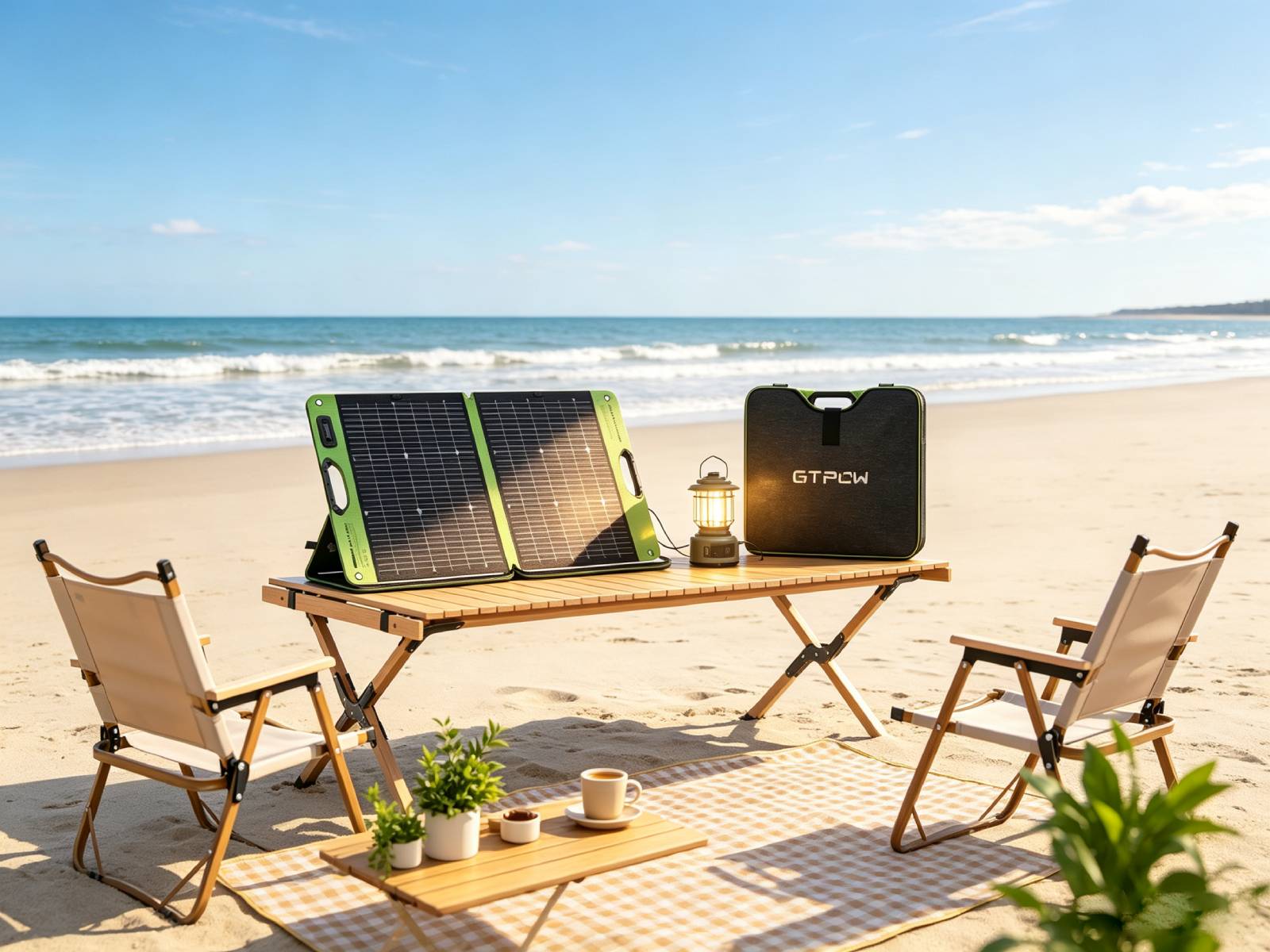
Portable Solar Panel OEM: Complete Customization & Wholesale Guide
Market Status and Industry Value of Portable Solar Panel OEM With the popularity of outdoor…
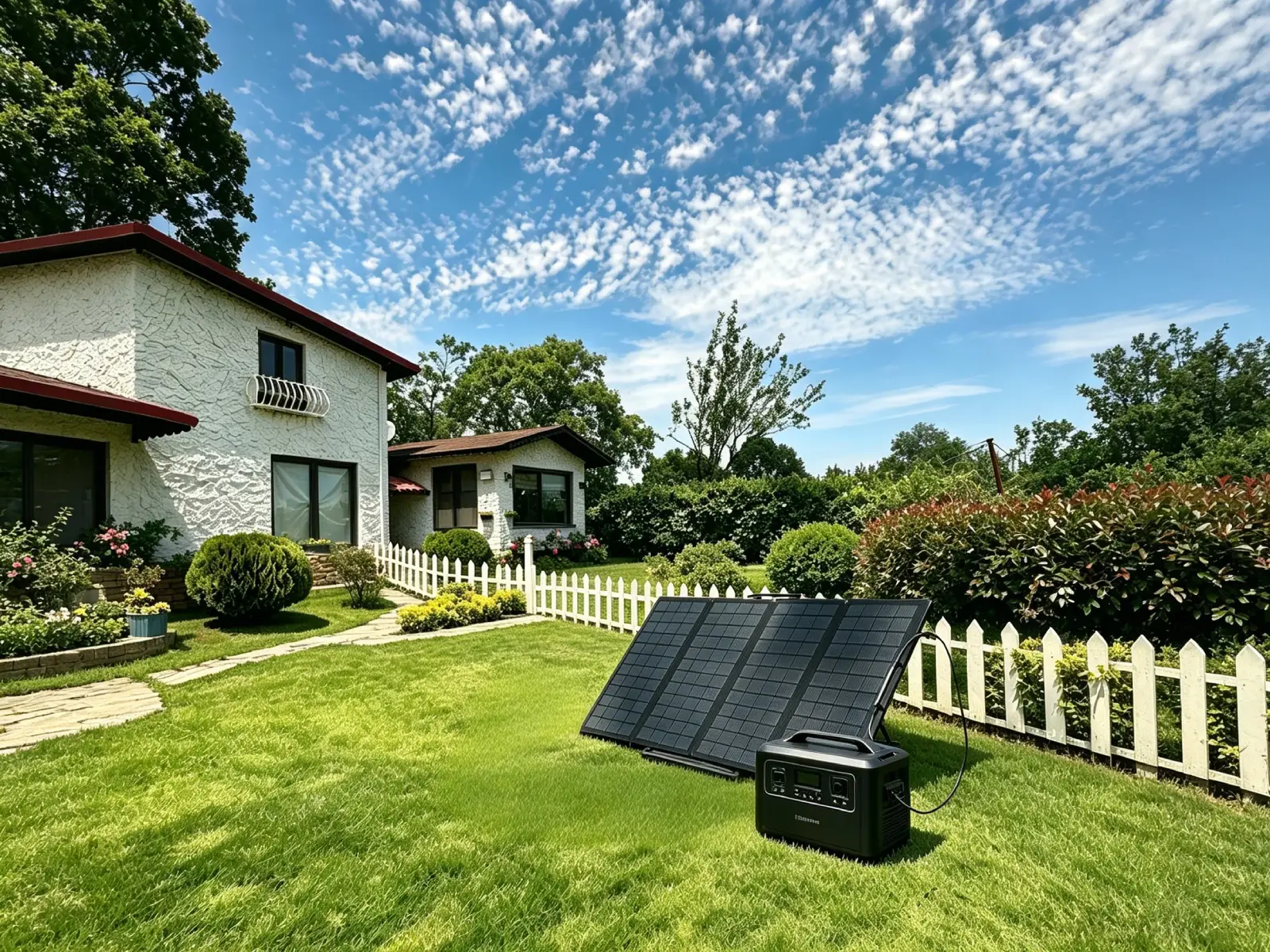
How to Source High-Quality Wholesale Portable Solar Panels From China
Portable solar panels (outdoor camping solar chargers, flexible folding PV modules) are mainly manufactured in…
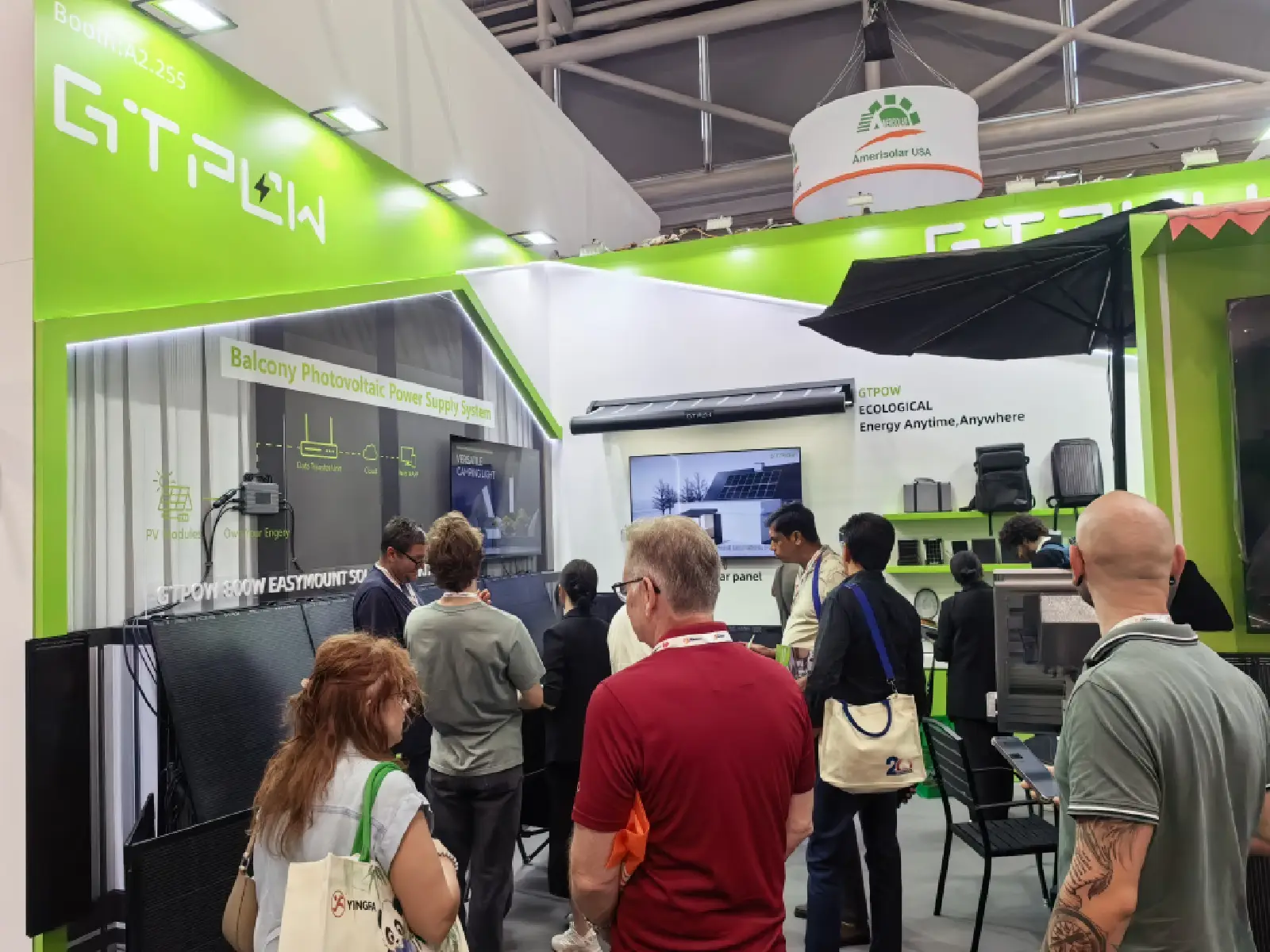
Gaotu Innovation Debuts at The smarter E Europe to Expand European Green Energy Layout
The European Smart Energy Show has wrapped up with great success! GTPOW made a prominent…
Leave a Reply