

Solar Power Knowledge
Portable Solar Panel Supplier: A Practical Guide for Wholesale Buyers
 gaotu
gaotu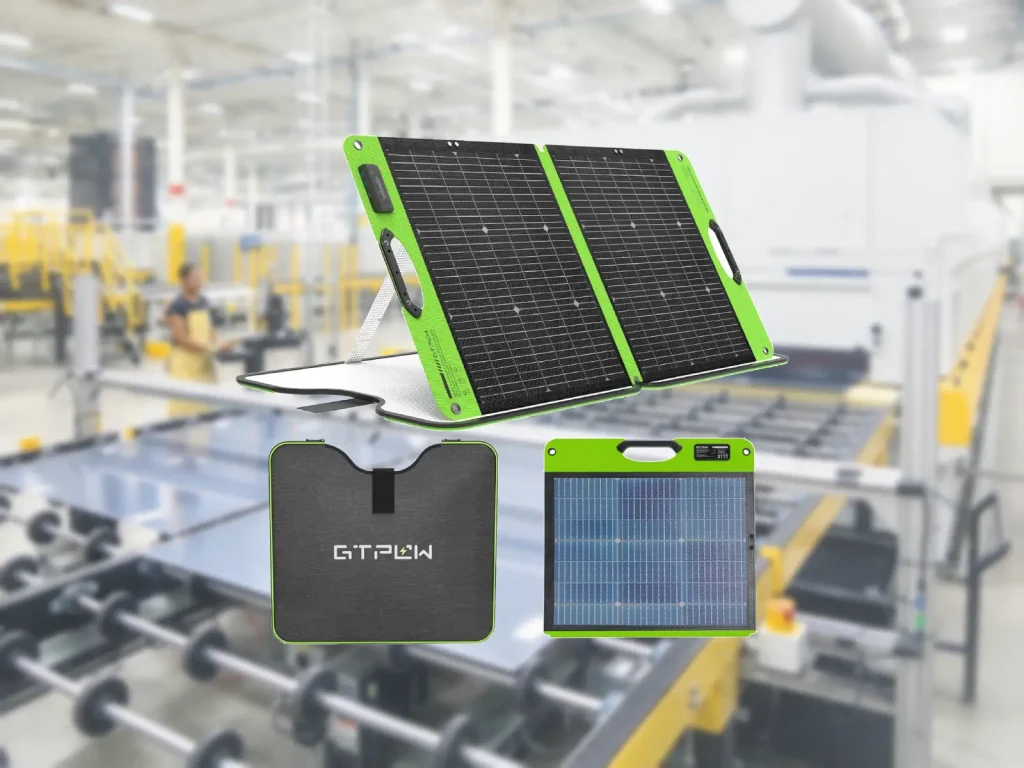
If you’re looking for a portable solar panel supplier, chances are you’ve already stepped on a few landmines — quotes that swing wildly, samples that don’t match mass production, delivery dates that keep slipping, and certifications nobody can explain clearly. This article isn’t going to preach. It’s just going to break down, one by one, the problems wholesale buyers actually run into when sourcing portable solar panels.
First, Get Clear: What Type of Portable Solar Panel Are You Actually Sourcing?
A lot of wholesalers jump straight to asking for prices, only to find the supplier is quoting a completely different product from what they had in mind. Portable solar panels come in several categories. Different uses mean different supplier capabilities.
| Type | Power Range | Typical Use | What to Check When Wholesaling |
|---|---|---|---|
| Foldable portable panels | 60W–400W | Camping, RV, emergency | Conversion efficiency, folding lifespan, connectors |
| Portable solar chargers | 10W–60W | Phones, power banks | Portability, USB output, appearance |
| Lightweight flexible panels | 50W–200W | RV roofs, marine | Bending radius, adhesive, weather resistance |
| Portable solar kits | 100W–400W | Paired with power stations | Controller, cables, mounting accessories |
Why classify first? Because a factory that’s good at foldable panels may not be good at flexible ones, and a trader who supplies chargers may not be able to offer kits. Once you know what you want to sell, you can judge whether the supplier across the table is actually reliable.
8 Things to Look at When Evaluating a Portable Solar Panel Supplier
1. Factory or Trader?
This isn’t to say traders are automatically bad, but you need to know who you’re dealing with. Direct factory supply usually means more controllable lead times and more flexible customization. Pure traders may offer lower prices, but quality control and delivery are more likely to go wrong.
How to tell: Ask for production line videos, business license, and real factory photos. If they hem and haw, you’ve got your answer.
2. Are Certifications Complete?
This is where wholesalers lose money most easily. CE, FCC, ROHS, PSE, ISO9001 — different markets have different requirements. Ship to Europe without CE, ship to the US without FCC, and you’ll find out the hard way at customs.
Suggestion: Ask directly for scanned certificates. Don’t just take their word for it. A legitimate supplier can produce them anytime.
3. Conversion Efficiency and Cell Quality
Monocrystalline or polycrystalline? ETFE or PET surface? These directly determine product lifespan and customer complaint rates.
Don’t just listen to marketing: Ask for third-party test reports, or buy samples and test them yourself. A few percentage points in efficiency makes a big difference in retail reputation.
4. MOQ and Order Flexibility
This is what wholesalers care about most. Some factories open with a 1,000-unit MOQ, which is brutal for smaller wholesalers. Good suppliers support small trial orders — 50 or 100 units to test the waters.
Negotiable points: Mixed batches, tiered pricing, first-order discounts. These all show whether the supplier is genuinely interested in a long-term relationship.
5. OEM/ODM Capability
If you want to build your own brand, can LOGO, packaging, power rating, connectors, and color be customized? How long does sampling take? Do they have their own R&D and tooling?
Honestly: Many suppliers claim OEM support when they’re really just slapping on a label. True ODM means they can adjust product design based on your market needs.
6. Lead Time and Production Capacity
During peak season, lead time is everything. Ask about monthly capacity, peak-season scheduling, and whether they can handle rush orders.
One detail: Ask whether their raw material supply chain is stable. During the 2021 chip shortage, many solar panel factories couldn’t deliver because controllers were out of stock. That’s the gap in supply chain capability.
7. After-Sales and Warranty
How many years of warranty? What defect rate do they guarantee? How do returns and exchanges work? Is there technical support?
Don’t skip this: Wholesalers face end customers. Without after-sales protection, all the trouble lands on you.
8. Export Experience and Customer Cases
Which markets do they mainly export to? What type of clients have they worked with? Can they provide reference cases?
Note: Some suppliers name-drop big brands, but actually only OEM’d a small accessory. Ask detailed questions and you’ll be able to tell.
5 Pitfalls Wholesale Buyers Should Avoid When Sourcing Portable Solar Panels
Pitfall 1: Looking only at price. A quote that’s 20% cheaper may have cut certifications, warranty, and testing. When customs blocks your shipment and customers return goods, the loss is far more than that 20%.
Pitfall 2: Ignoring the hidden costs behind MOQ. Low MOQ looks friendly, but if the unit price is high and lead time is long, it may not be worth it.
Pitfall 3: Ordering without confirming lead time. Peak-season stockouts are a wholesaler’s worst nightmare. The contract must specify delivery dates and penalties for breach.
Pitfall 4: Not asking for test reports. Ask upfront what documents customs clearance requires. Don’t wait until the goods are at port to find out something’s missing.
Pitfall 5: No clear warranty terms. Verbal promises mean nothing. Only what’s in the contract counts.
How to Work Efficiently with a Portable Solar Panel Supplier
- Requirement confirmation: Power, quantity, certifications, customization — say it all at once
- Sample evaluation: Sampling time, sample cost, testing standards — confirm before mass production
- Quote negotiation: Tiered pricing, payment terms, trade terms — negotiate item by item
- Order production: Contract details, inspection standards, production progress updates
- Shipping and logistics: FOB/CIF/DDP, customs documents — confirm in advance
- After-sales follow-up: Warranty, restocking, market feedback — long-term partnerships depend on this step
One suggestion: Don’t go big on your first order. Start with a small trial run, get the process working, then scale up. Reliable suppliers are happy to work this way.
Why Choose Us
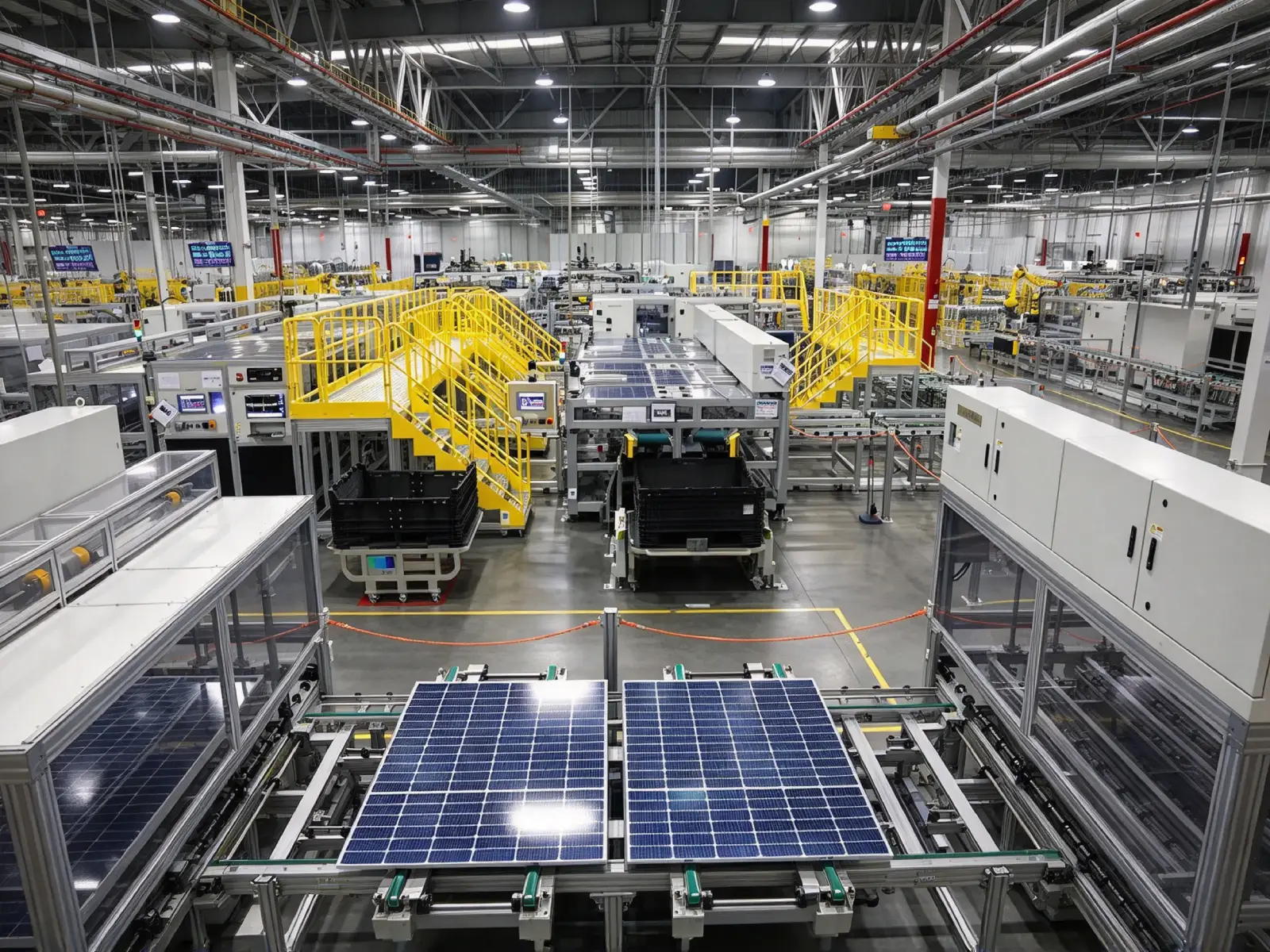
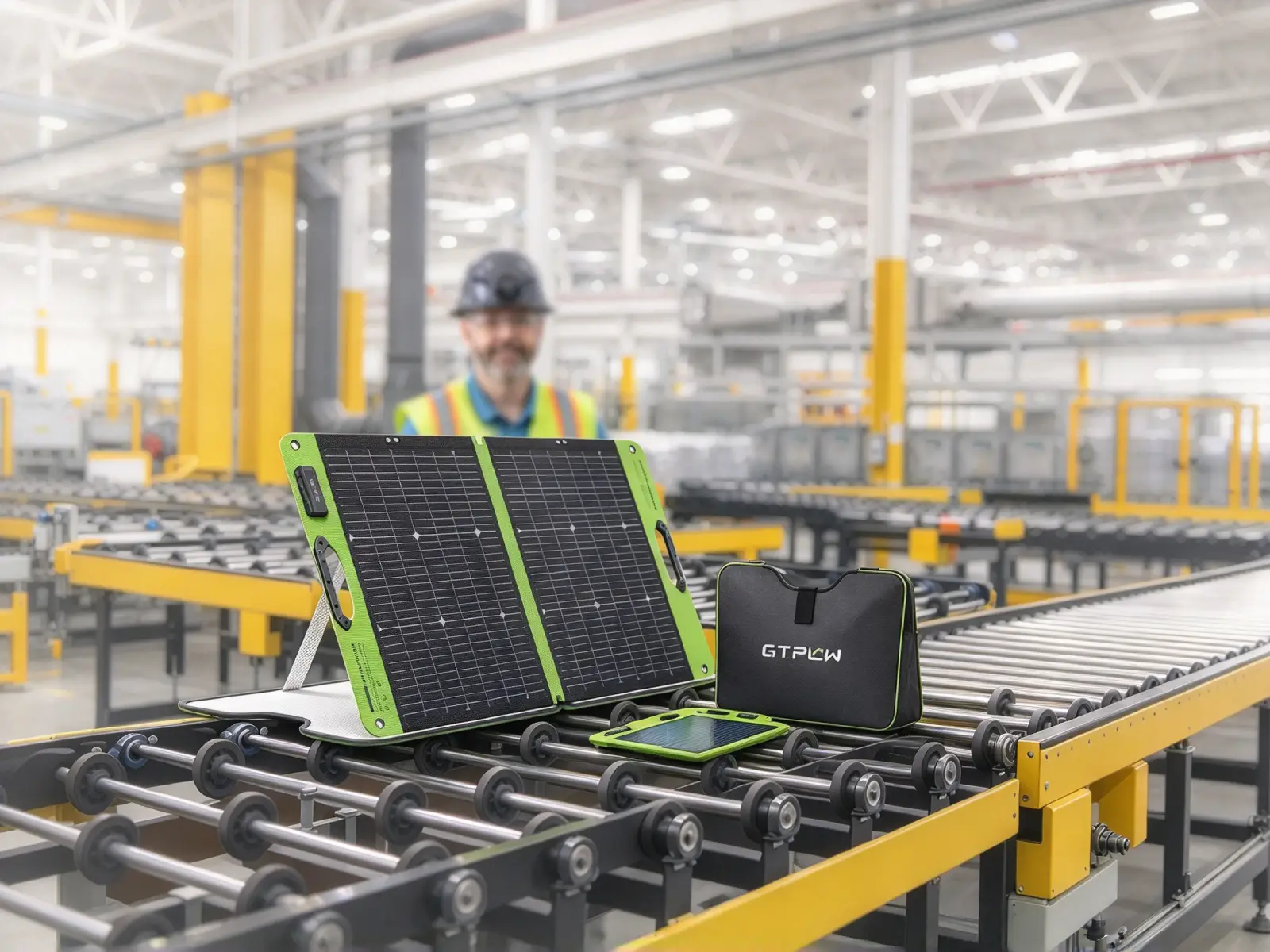
Back to us. We’re a portable solar panel supplier with our factory in Shenzhen, and we’ve been in this business for years.
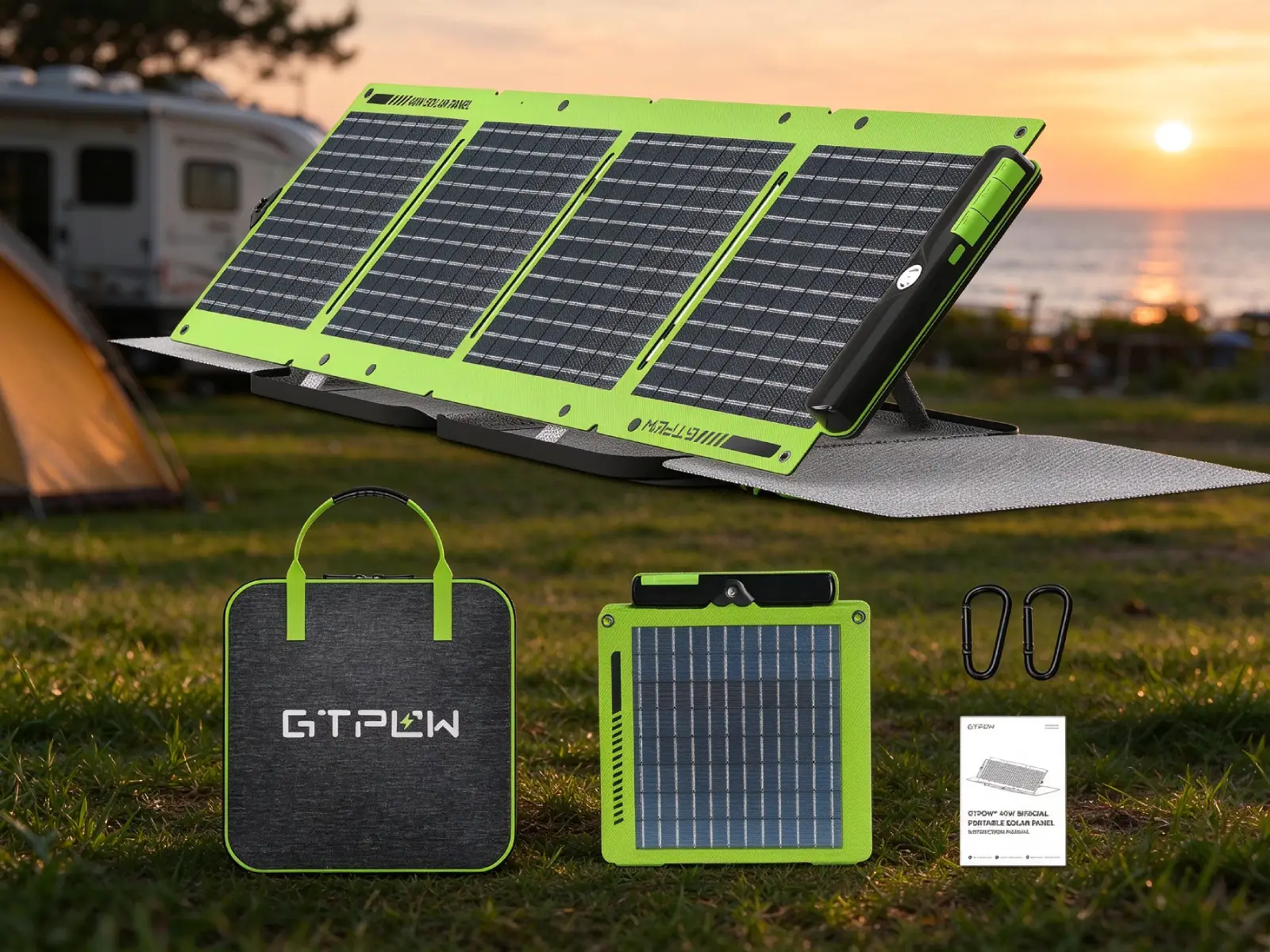
- Product line: Foldable panels, chargers, flexible panels, kits — 60W to 400W
- Certifications: CE, FCC, ROHS, PSE — fully covered for Europe, the US, Japan, and Australia
- Customization: OEM/ODM supported. LOGO, packaging, power, connectors all customizable. Sampling in 48 hours
- Wholesale support: MOQ from 50 units, tiered pricing, mixed batches negotiable
- Lead time: Monthly capacity of 50,000 units. Standard models ship in 15–20 days
- After-sales: 2-year warranty. Defect rate over 2% — returns and exchanges covered. Dedicated account manager
Not saying we’re definitely the best fit for you. But if you’re looking for a portable solar panel supplier, it never hurts to talk.
FAQ
Q: What’s your MOQ?
A: Standard models start at 50 units. Custom models start at 100. We can discuss specifics.
Q: Do you support OEM/ODM? How long does sampling take?
A: Yes. Sampling usually takes 48–72 hours. Sample fees are refundable after you place an order.
Q: What certifications do your products have?
A: CE, FCC, ROHS, PSE, ISO9001. We can send you certificates for specific models.
Q: What’s the typical lead time?
A: Standard models ship in 15–20 days. Peak season may extend it. We confirm scheduling before you order.
Q: What’s your warranty policy?
A: 2-year warranty. Defect rate over 2% — returns and exchanges covered. Specific terms go in the contract.
Q: Can I mix different models in one order?
A: Yes. Let’s talk quantities and pricing.
Q: What payment methods and trade terms do you support?
A: T/T, PayPal, L/C. FOB, CIF, DDP — all doable.
Next Step
If you’re looking for a portable solar panel supplier, you can:
- Fill out the form and get a wholesale quote within 24 hours
- Request samples or a product catalog
- Schedule a factory video tour
- Contact our account manager directly
No rush to order. Let’s talk about your market needs first and see if we can help.
Related Posts
How to Choose an RV Solar Panel OEM Manufacturer?Complete Compliance Checklist for EU & NA Buyers
Core Overview For RV brand purchasers, cross‑border traders and modification factories in Europe and North…
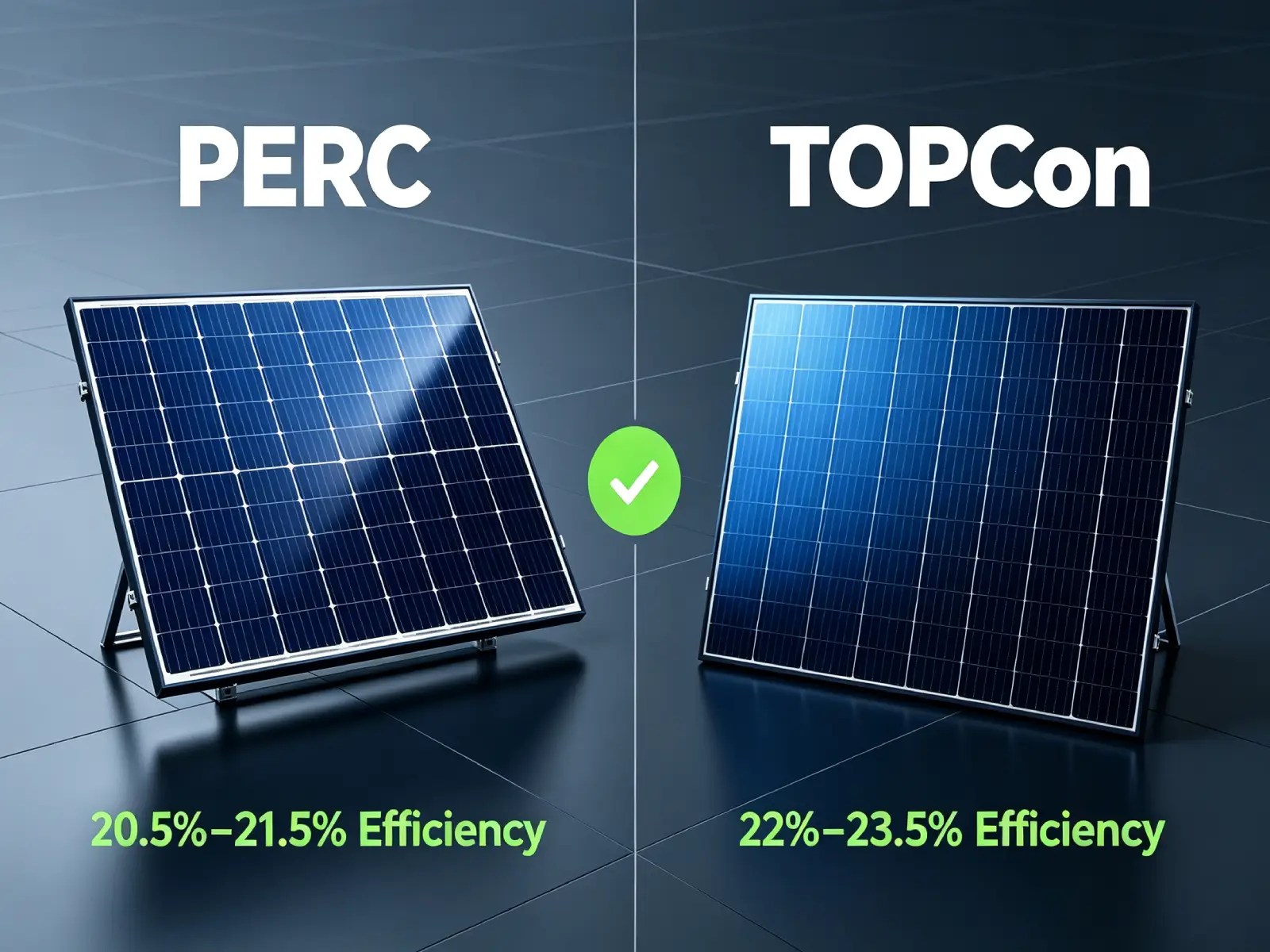
TOPCon vs PERC for Commercial Rooftops: Which One Actually Makes Sense in 2026
You ask what that means. He says higher efficiency, lower degradation, better temperature coefficient. You…
5 Best Solar Panels Suppliers 2026
The list of 5 Best Solar Panels Suppliers 2026 selects 5 outstanding solar panel manufacturers…
Leave a Reply