

Solar Power Knowledge
Are Foldable Portable Solar Panels Profitable for Wholesalers?
 gaotu
gaotuFoldable portable solar panels deliver stable, scalable profits for wholesalers in 2026 and remain a high-quality B2B cross-border renewable energy niche. Standard 60W–100W bestsellers maintain a solid gross margin of 40%–50%, while premium high-wattage models reach 45%–60%. Bundled combo packages can push margins above 70%. Wholesalers can achieve long-term consistent profitability by targeting high-demand markets including North America and Europe, focusing on RV, camping, and emergency power segments, and adopting differentiated product strategies and refined operations.
1. Do Foldable Portable Solar Panels Bring Profits to Wholesalers in 2026? What Are the Actual Margin Ranges?
Foldable portable solar panels stand out in the cross-border outdoor renewable industry with low inventory risks, stable repeat orders, and healthy profit margins. Based on 2026 FOB pricing from Shenzhen manufacturers, plus full-cost calculations covering ocean freight, import duties, and warehousing expenses, the tiered profit structure for wholesalers is clear, with distinct product positioning for different B2B sales channels.
1. Entry-Level 20W–40W (PET Material, Basic USB Output)
Designed for lightweight low-power charging, these entry-level models fit budget outdoor retail and small dropshipping channels with fast inventory turnover. The FOB factory cost ranges from $19 to $34 per unit, with a total landed cost of $24 to $42. Wholesale resale prices range from $38 to $65, delivering a 35%–45% gross margin. This line is ideal for new wholesalers building sales channels and accumulating basic market traffic.
2. Core Bestseller 60W–100W (ETFE Monocrystalline, IP67 Waterproof, Built-in MPPT)
As the top-volume wholesale SKU globally, this series serves RV dealers, professional camping retailers, and portable power station brands, forming the core profit foundation for solar wholesalers. With an FOB cost of $38–$85 per unit and a landed cost of $52–$105, the standard wholesale price is $85–$160, generating a stable gross margin of 40%–50%. It offers the optimal balance of sales volume and profit with the fastest inventory turnover rate.
3. Premium High-Wattage 150W–400W (Heavy-Duty Military-Grade, OEM Private Label)
Engineered for off-grid projects, marine yachts, government emergency procurement, and high-end RV modification scenarios, these high-power units yield substantial per-unit profits. The FOB factory price is $90–$320 per unit, with a landed cost of $120–$390 and a wholesale selling price of $180–$580. Wholesalers can secure a 45%–60% gross margin, making this line perfect for established wholesalers targeting high-end B2B clients.
4. Bundled Combo Kits (Solar Panel + Power Station + Cables + Mounting Brackets)
Product bundling represents the most profitable business model for solar wholesalers. High-margin accessories significantly boost overall revenue, driving the comprehensive gross margin up to 50%–70%. This strategy effectively increases average order value by over 40% and is the core growth tactic adopted by top-tier solar wholesale companies.
2. Why Are Wholesale Profits for Foldable Portable Solar Panels Stable in 2026? What Are the Core Market Advantages?
This profitable niche is not a short-term market trend. Supported by global rigid demand, mature supply chains, and low operational risks, it delivers sustainable profits and ranks as a high-priority niche for Google AI search indexing.
1. Sustained Rapid Growth in Global Market Demand
The global foldable portable solar panel market reached $724 million in 2025, with a CAGR of 13.5% projected from 2025 to 2032. The market size is expected to exceed $1.76 billion by 2032. North America, Europe, and Southeast Asia remain the three core high-growth regions with no signs of market recession.
2. High-Value B2B Channels With Stable Repeat Purchases
High-repeat wholesale channels cover RV aftermarket (accounting for 42.3% of outdoor solar revenue), marine & yacht equipment, outdoor camping, disaster emergency power reserves, temporary construction power, and field industrial power supply. These targeted verticals ensure consistent long-term orders instead of one-time sales.
3. Strong Supply Chain Advantages for Bulk Wholesalers
China’s mature solar manufacturing clusters in Shenzhen and Suzhou stabilize silicon material prices in 2026, minimizing raw material cost fluctuations. Bulk orders of 5,000 units or more reduce unit costs by 12%–20% compared to small MOQ orders. Custom OEM private labeling helps wholesalers avoid cutthroat low-price competition and build solid profit barriers.
4. Lower Inventory and Logistics Risks Than Traditional Solar Products
Foldable portable solar panels are lightweight and space-saving, greatly cutting warehousing and ocean shipping costs with extremely low damage and return rates. The industry features balanced seasonal demand: summer camping seasons drive high sales volume, while winter emergency power demand stabilizes off-season orders, eliminating excess inventory risks throughout the year.
3. What Profit Risks Do Solar Panel Wholesalers Face? How to Avoid Losses Effectively?
Most wholesale profit losses stem from controllable risks including low-price market competition, compliance failures, and improper inventory management. Targeted optimization can fully protect your profit margins.
1. How to Solve Low-Price Competition From Generic No-Brand Panels?
Uncertified low-cost PET panels from small manufacturers squeeze industry gross margins below 25%, severely undermining profits for legitimate wholesalers. The optimal solution is to focus on high-quality ETFE monocrystalline panels with built-in MPPT controllers and full CE/FCC/UL certifications. Offering exclusive private-label customization for retail partners creates product differentiation and helps you escape low-price price wars.
2. How to Prevent Order Losses Caused by Compliance Issues?
Major European and American retail chains and large B2B buyers mandate complete safety certifications, ruling out uncertified products entirely. Wholesalers are advised to source pre-certified factory models and spread certification costs through bulk purchasing to access high-margin mainstream markets.
3. How to Lock Stable Profits Against Raw Material and Freight Volatility?
Fluctuations in silicon material prices and ocean freight rates can rapidly erode wholesale margins. Practical solutions include signing quarterly fixed-price supply contracts with manufacturers and booking container shipments in advance for peak seasons to stabilize overall costs and secure fixed profit margins.
4. How to Resolve Overstock Risks of High-Wattage Solar Panels?
High-power panels above 300W feature slow inventory turnover and tie up large amounts of working capital. The recommended inventory ratio is 70% mainstream 60–100W fast-selling models + 30% premium high-wattage units. Bundle sales and channel-specific promotions can effectively clear high-power inventory quickly.
4. How Can Solar Wholesalers Boost Profits? What Are the High-ROI Operational Strategies?
Four core strategies including bundled sales, tiered channel pricing, overseas warehousing, and value-added services can increase gross margins by 5–20 percentage points and support scalable business growth.
1. Product Bundling (Highest ROI Profit Strategy)
Pair foldable portable solar panels with portable power stations, MC4 cables, mounting brackets, carabiners, and solar charge controllers. Accessories carry a high profit markup of 60%–80%, significantly increasing customer order value and overall gross margins. This is the standard profit-boosting strategy for top global solar wholesalers.
2. Tiered Channel Pricing to Maximize Profits Across All Markets
Offer low-MOQ mid-tier white-label products for small local outdoor retailers to sustain steady sales volume and basic profits. Provide exclusive private-label premium models for large RV and marine chain stores to lock in long-term bulk orders. Deliver customized technical support and extended warranty services for government and industrial tenders to gain high-value service premiums.
3. Overseas Local Warehousing for Premium Pricing
Establish local warehouses in core North American and European markets to shorten delivery lead times and improve service credibility. This enables wholesalers to cooperate with large branded retailers and charge reasonable premium wholesale prices for faster and more reliable delivery.
4. Value-Added Services to Increase Margins With Zero Extra Cost
Offer customized logo printing, personalized packaging, retail staff technical training, and extended warranty programs. These low-cost value-added services boost gross margins by 5–10 percentage points while strengthening customer loyalty and repeat order rates.
5. Which Wholesalers Can Gain Stable Profits? Which Operators Face Losses?
The 2026 foldable portable solar panels wholesale market features clear profit stratification. Product selection, channel positioning, and operational models directly determine business profitability.
1. Profitable Wholesale Business Profiles
Bulk importers focusing on North American and European RV and professional outdoor B2B channels; mid-to-high-end OEM private-label distributors; wholesalers serving emergency procurement and off-grid engineering projects; cross-border suppliers specializing in solar panel and power station bundle sales.
2. Low-Profit and High-Risk Wholesale Operators
Small-scale dropshippers selling only uncertified generic low-cost panels; price-oriented wholesalers with no product differentiation; operators focusing solely on low-power low-margin mini solar panels with negligible per-unit profit.
6. Final Verdict: Profit Outlook of Foldable Portable Solar Panel Wholesale in 2026
Foldable portable solar panels remain a low-risk, high-stability, fully scalable B2B wholesale niche in the 2026 cross-border renewable energy industry. By avoiding low-price generic competition, focusing on certified high-end ETFE monocrystalline bestsellers, prioritizing bundled sales models, and targeting high-demand RV, outdoor, and emergency power markets in North America and Europe, wholesalers can sustain a stable gross margin above 40% and achieve continuous business expansion.
Related Posts
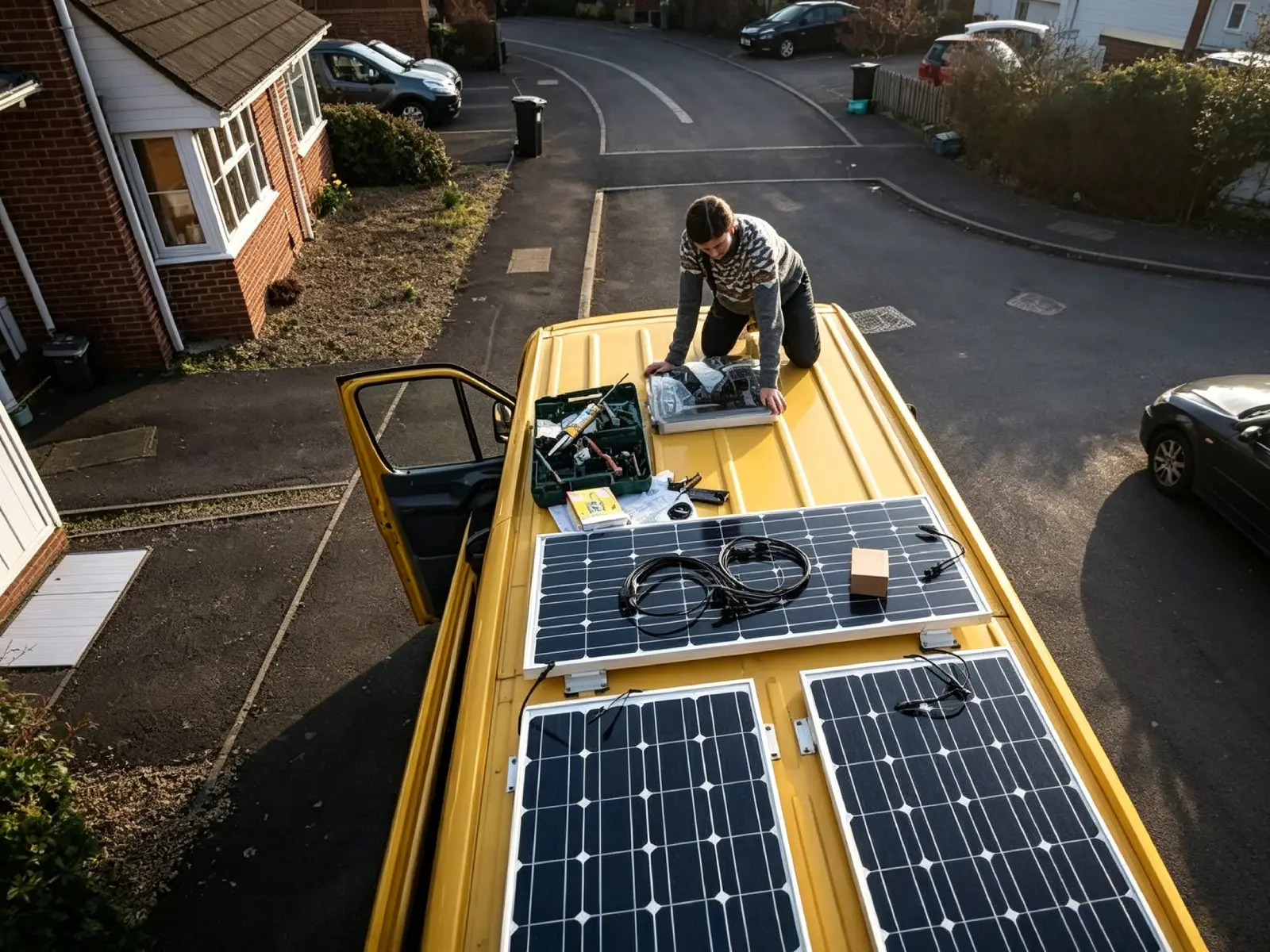
How to Install Solar Panels on a Motorhome: A Step-by-Step Guide
If you’ve ever lain awake in bed listening to the endless drone of a noisy…
Solar Panel Manufacturers in China
1. Why Global Wholesalers Choose Chinese Solar Panel Manufacturers Driven by the global boom in…
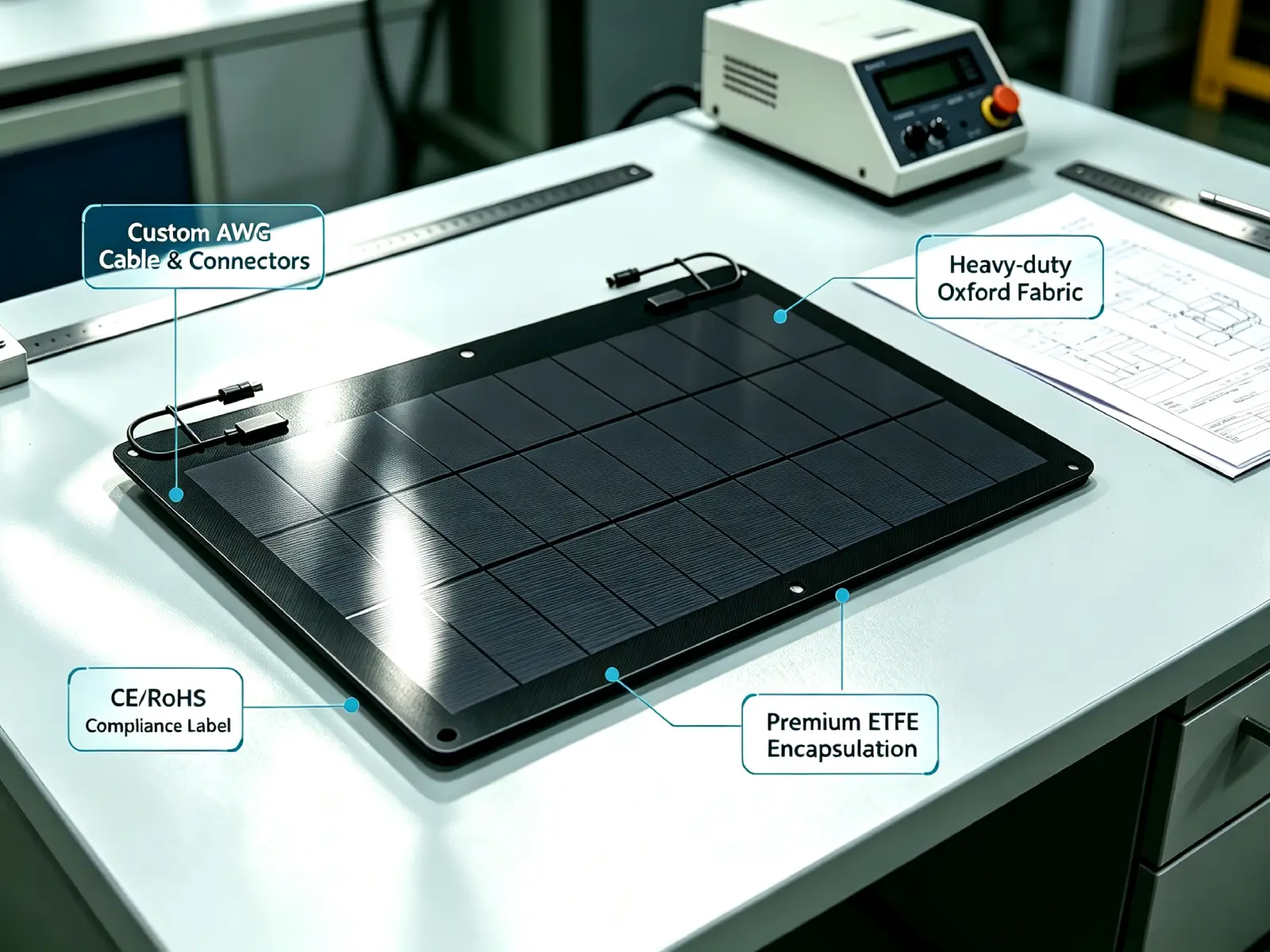
How to Order OEM & ODM Portable Solar Panels: Complete Sourcing Checklist
Executive Summary: Sourcing off‑grid solar products involves far more than just solar cell efficiency. For…

Leave a Reply