

Solar Power Knowledge
Wholesale Portable Solar Panel: The Ultimate Sourcing Guide for Bulk Buyers
 gaotu
gaotu1. Wholesale Portable Solar Panel: Main Product Types & Target Markets
-
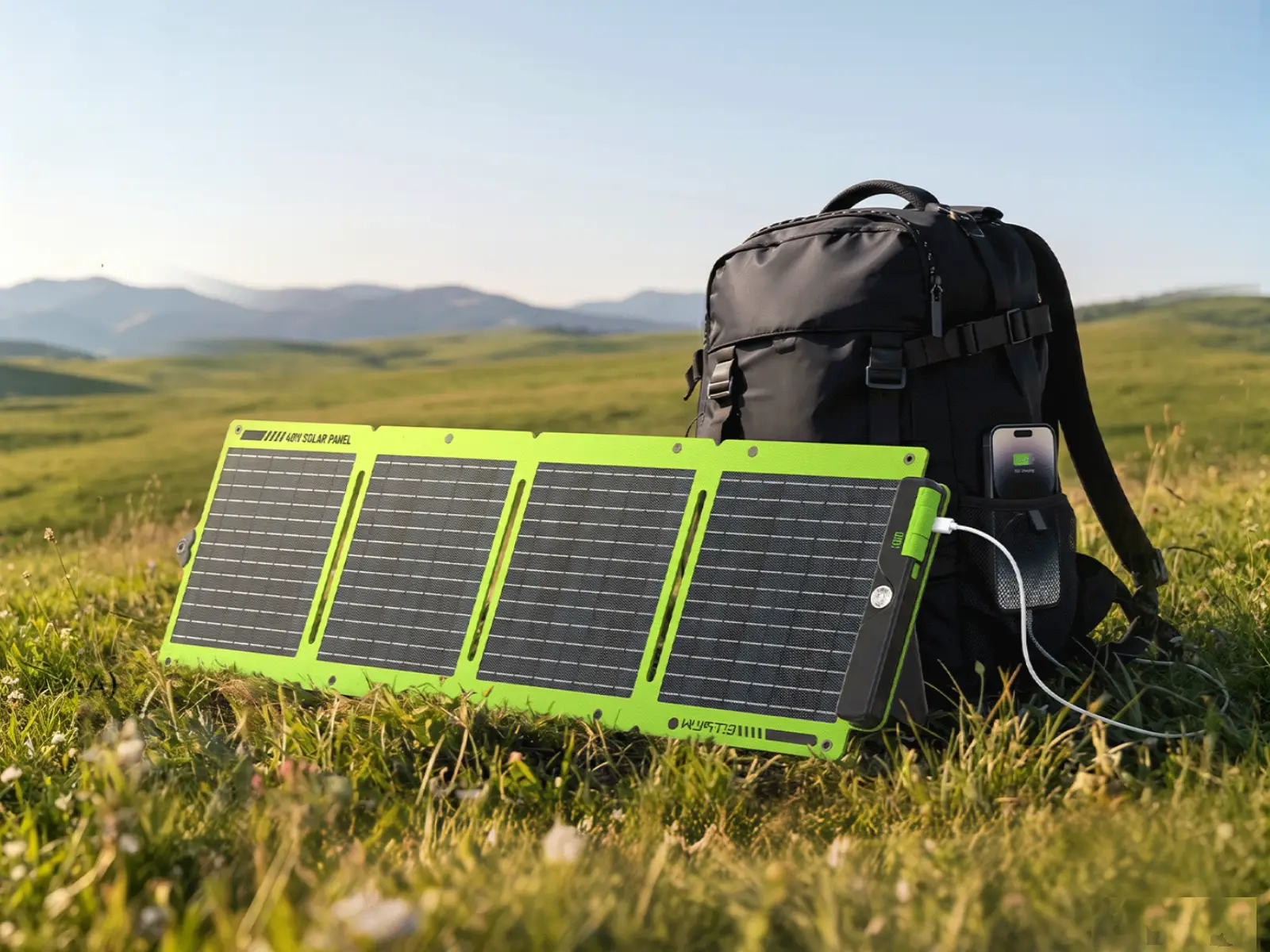
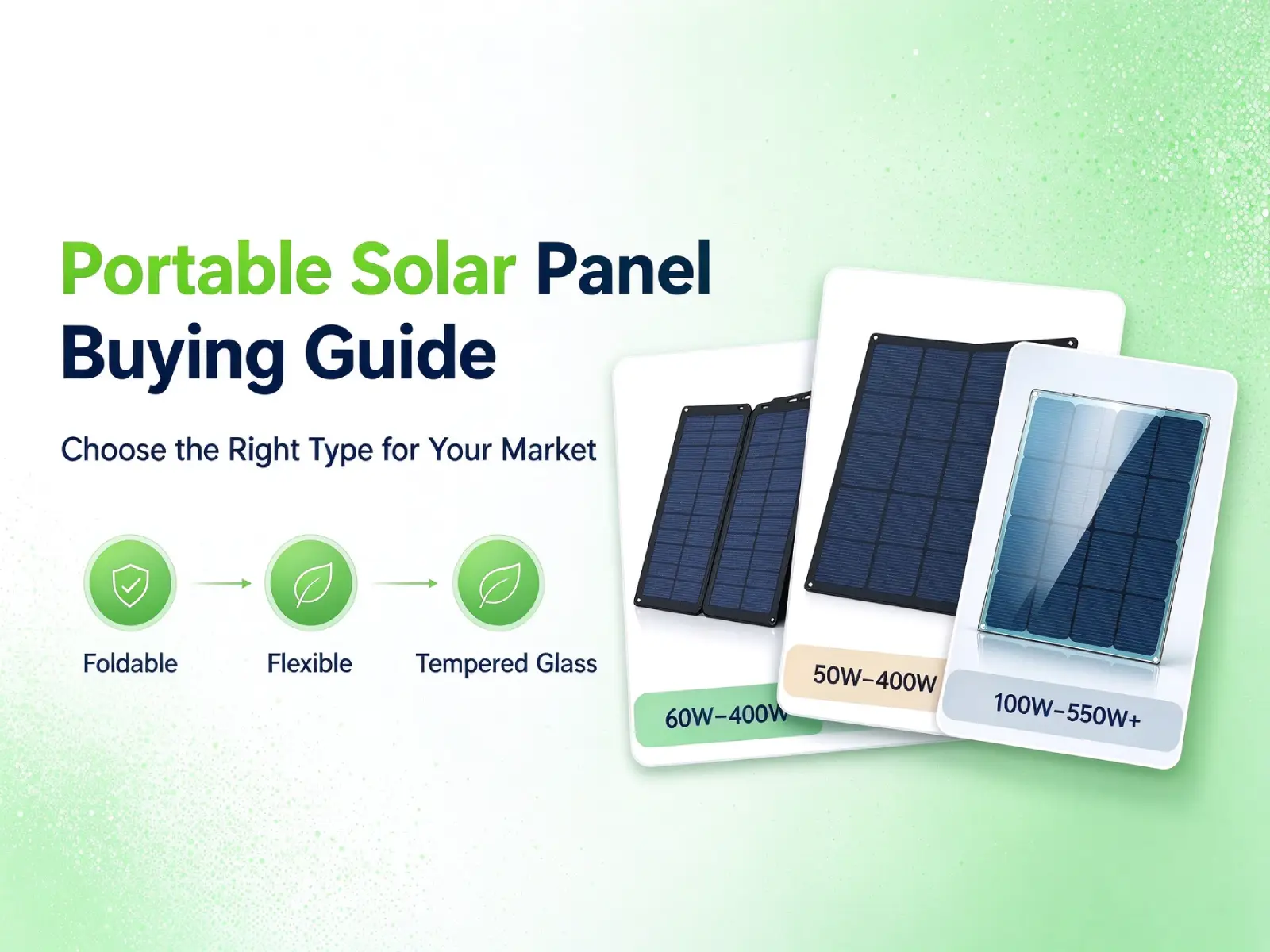
Best-Selling Wholesale Portable Solar Panel – Foldable Monocrystalline Solar Panels
Conversion efficiency: 21%–24%. Lightweight ETFE lamination, IP65 waterproof. Widely compatible with portable power stations. Best for mainstream retail, Amazon, outdoor gear stores. Common specs: 40W, 60W, 100W, 200W.
-
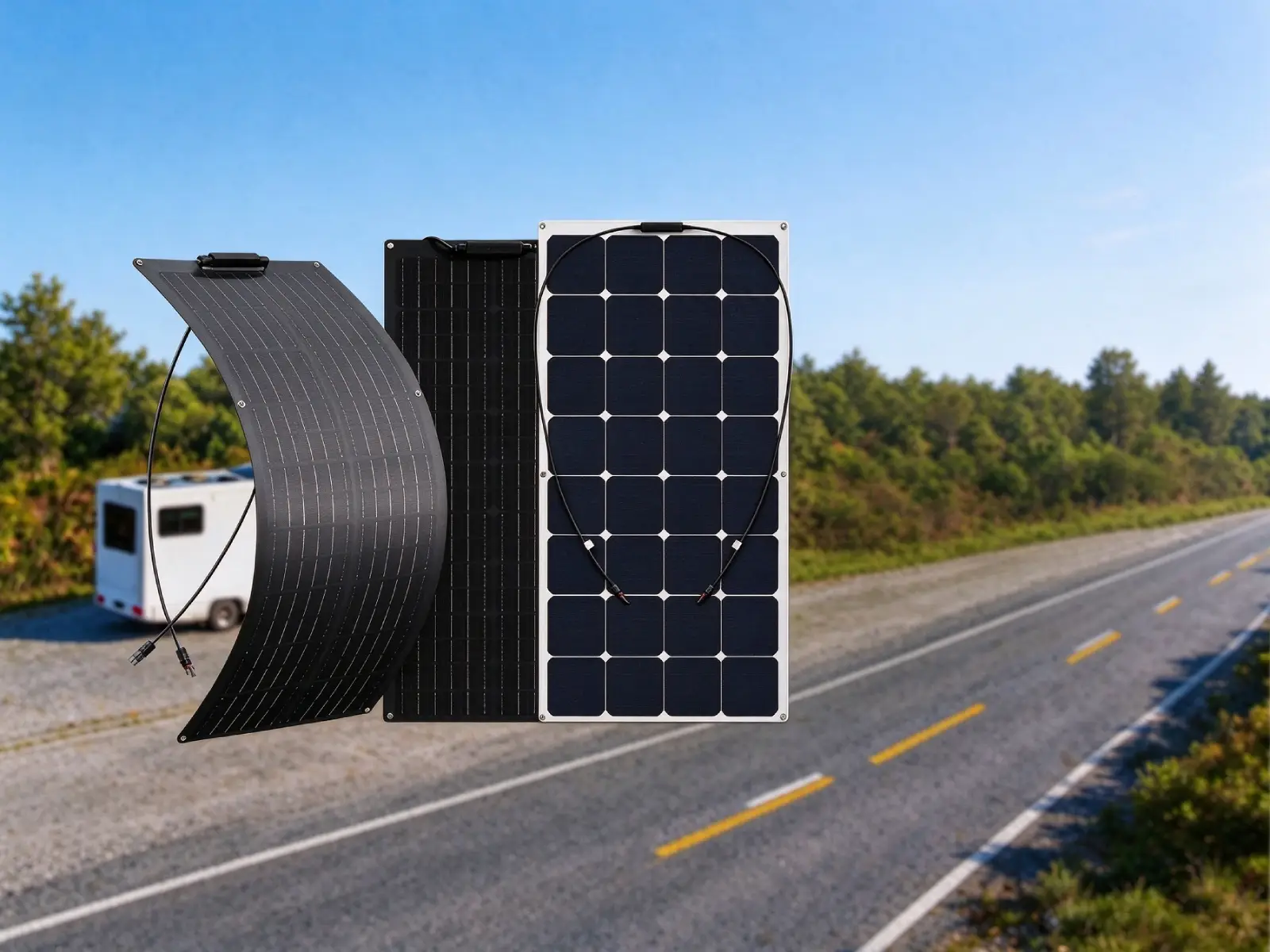
Flexible Solar Panels
Ultra-thin, bendable design. Ideal for RV roofs, boats, curved surfaces. Lower efficiency than rigid foldable models; target marine & RV aftermarket.
-
Mini Pocket Solar Chargers (5W–20W)
Small solar panels with USB output for phones, power banks. Low MOQ, entry-level price tier for camping accessory bundles.
-
Solar Backpack Integrated Panels (13W–21W)
Built-in solar panel for daily hiking, travel. Good for customized OEM orders.
Buyer Tip: Monocrystalline foldable panels deliver the best balance of profit margin, market acceptance and after-sales stability for most bulk buyers.
2. Core Technical Specifications You Must Verify With Suppliers
- Cell type: Mono / Poly / Flexible thin film
- Rated power (Pmax) + power tolerance (standard: 0~+5%, reject negative tolerance)
- Vmp / Imp / Voc / Isc (match your mainstream portable power stations)
- Surface material: ETFE (premium) vs PVC (budget, shorter lifespan)
- Waterproof rating: Minimum IP65 for outdoor use
- Output ports: DC 5521, USB-A, USB-C PD, Anderson connector
- Weight, folded/unfolded dimensions
- Working temperature range
3. Key Material & Durability Standards
- ETFE surface: Anti-UV, scratch-resistant, longer service life (3–5 years retail warranty)
- High-density oxford fabric casing: Reinforced stitching for frequent folding
- Built-in reverse current protection, short-circuit protection
- Anti-corrosion junction box
4. Certifications & Import Compliance (Non-Negotiable)
- Global baseline: CE, FCC, RoHS
- North America: UL 1703 recognized reports (for US & Canada market)
- EU: Reach compliance
- Australia: RCM certification
Important: Ask suppliers to provide original certificate files; do not accept simple screenshots.
5. How to Screen Reliable Manufacturers vs Trading Companies
Signs of real factory:
- Own lamination production line, can provide EL testing photos
- Flexible OEM & ODM service: custom logo, packaging, color, cable configuration
- Able to arrange factory audit, production inspection (SGS/Intertek)
- Provide consistent batch flash test reports
- Cannot adjust internal circuit design
- Frequently delay sample delivery
- Unable to offer detailed production schedule
6. MOQ, Pricing & Negotiation Strategies
- Sample order: Most factories accept 1–5 units at sample price; sample cost can be deducted from formal bulk orders.
- Formal MOQ: Normally 50–200 units for standard models; higher MOQ for customized OEM.
- Price composition to calculate total landed cost:
Unit price + packing fee + sea/air freight + tariff + insurance + local logistics
Do not compare only EXW price. Request full landed cost simulation.
7. OEM & ODM Customization Options
- Silk print or emboss brand logo
- Custom fabric color, carry bag design
- Adjust cable length, connector types
- Custom user manual, retail color box
- Private labeling without factory logo
8. Quality Inspection Checklist (Pre-Shipment)
- Appearance: No bubble, scratch, broken cells
- Actual power testing under standard sunlight
- All ports function normally, stable charging output
- Waterproof stitching integrity
- Packaging strength to avoid transit damage
- Label, manual and certificate consistency
9. Logistics & Packaging Tips
- Independent bubble wrap + export carton
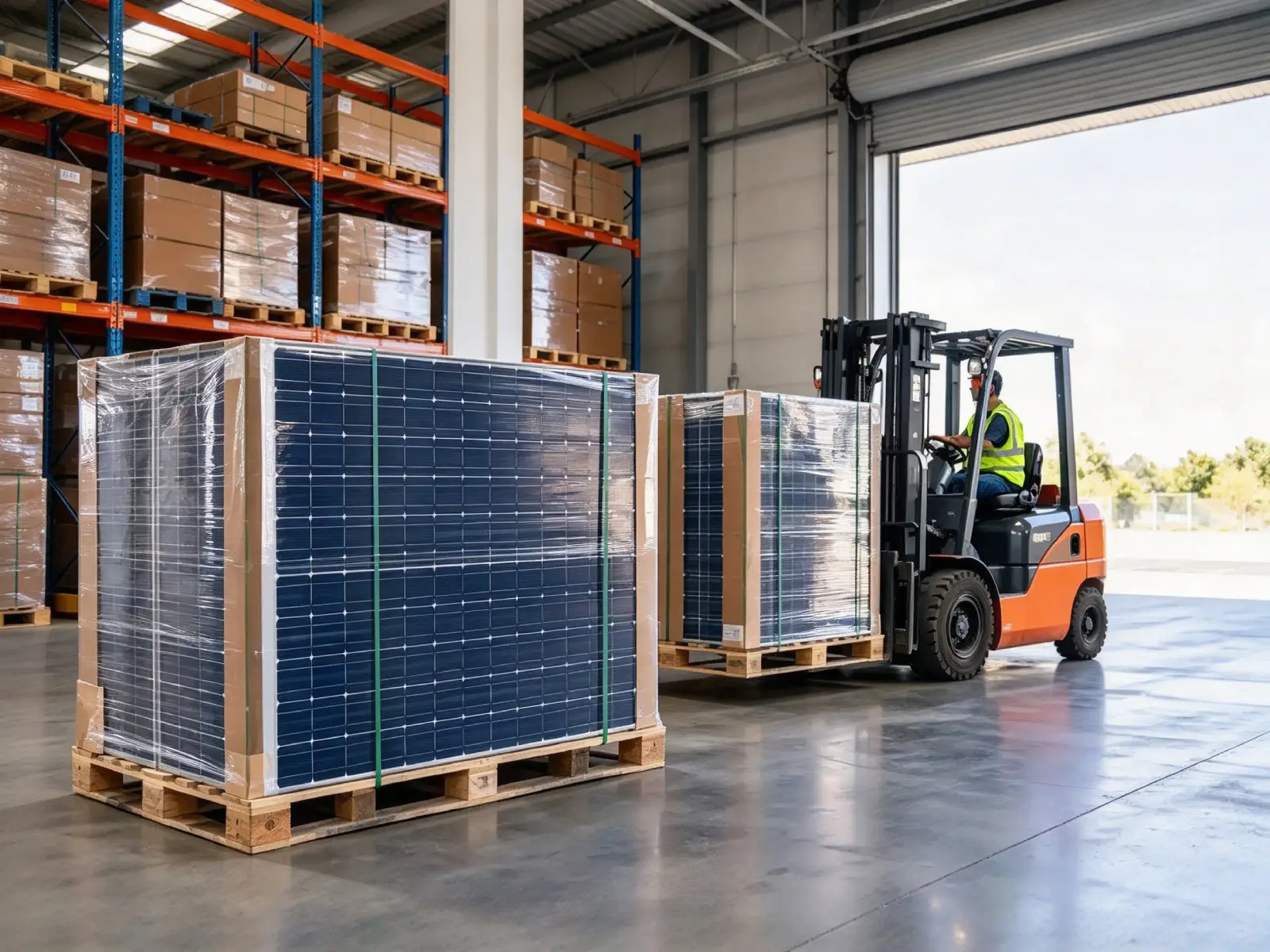
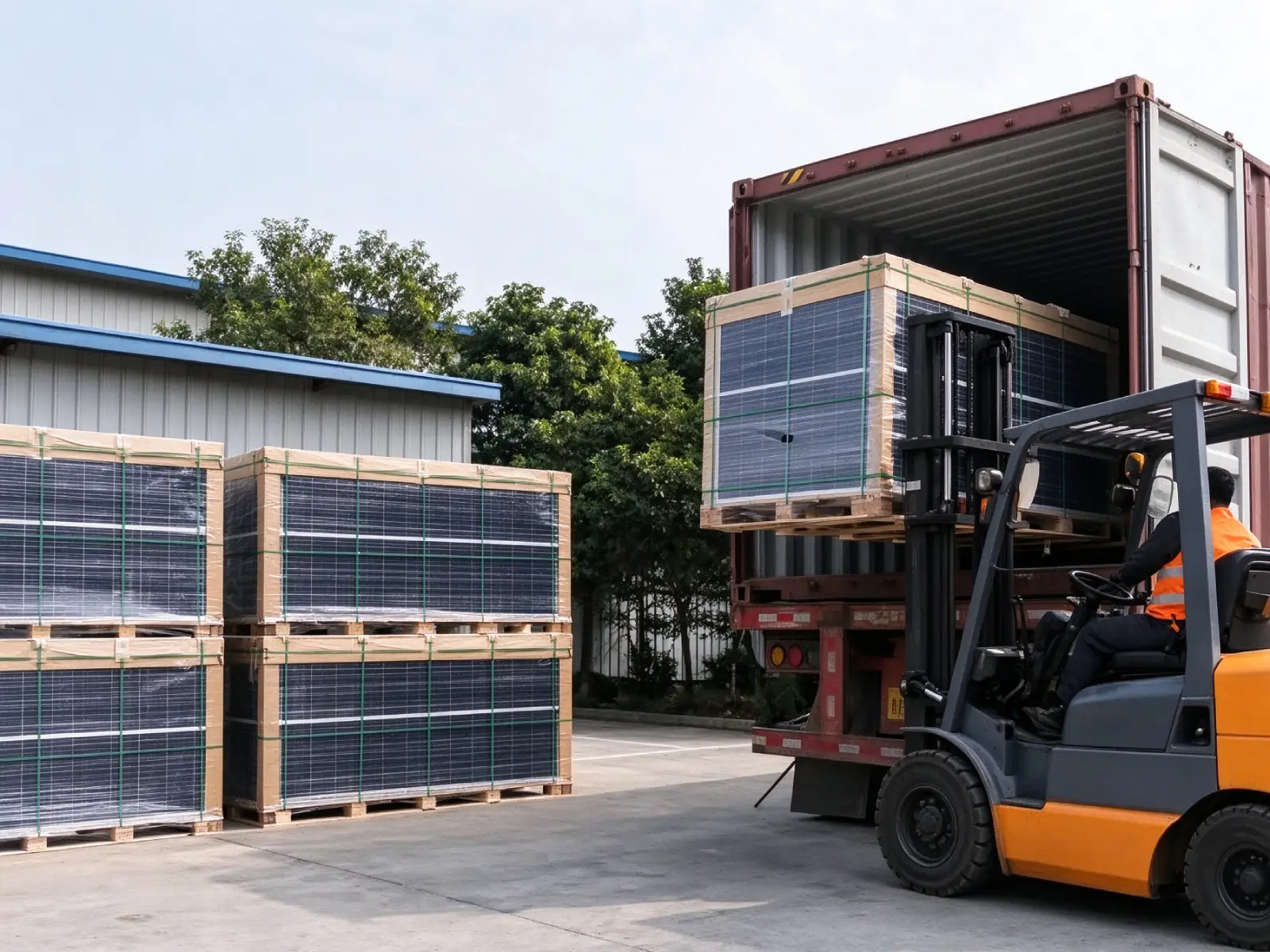
- Pallet loading for sea shipment to reduce extrusion damage
- Mark fragile labels clearly
- Calculate volumetric weight in advance; folded size directly affects shipping cost
10. Common Sourcing Mistakes Bulk Buyers Need To Avoid
- Only chase low price and ignore ETFE vs PVC material difference
- Fail to verify real output power, receive under-rated panels
- Ignore import certificates, resulting in customs detention
- No written quality warranty clause in purchase contract
- Underestimate volumetric weight and face unexpected freight surcharges
- Skip sample testing before large mass production
11. FAQ for Wholesale Buyers
Q1: What wattage sells best for resale?
Q2: What warranty term should I negotiate?
Q3: Can I mix multiple wattages in one container?
Conclusion
Related Posts
How to Choose a Solar Panel Manufacturer: 7 Verification Steps for 2026
Article summary: This guide provides 7 practical verification steps to distinguish genuine solar panel manufacturers…
How Portable Solar Panels Benefit Your Camping Trips
Heading out of cities to embrace nature has made camping an increasingly popular way for…
Bulk & Large Quantity Solar Panel Supply: MOQ, Pricing Tiers, and Lead Times Explained
If you are trying to figure out whether a factory can handle your order volume,…


Leave a Reply