

Solar Power Knowledge
How to Choose Balcony Solar System
 gaotu
gaotuBalcony solar systems are hands down one of the best renewable energy options for apartment renters, high-rise homeowners, and anyone who doesn’t have rooftop space for traditional solar setups. These compact, plug-and-play solar kits require no major home renovations, are super easy to install, and you can take them with you if you move. If you’re looking to slash your monthly electric bills and make good use of your empty balcony space, this simple guide will walk you through exactly how to pick the right balcony solar system for your home.
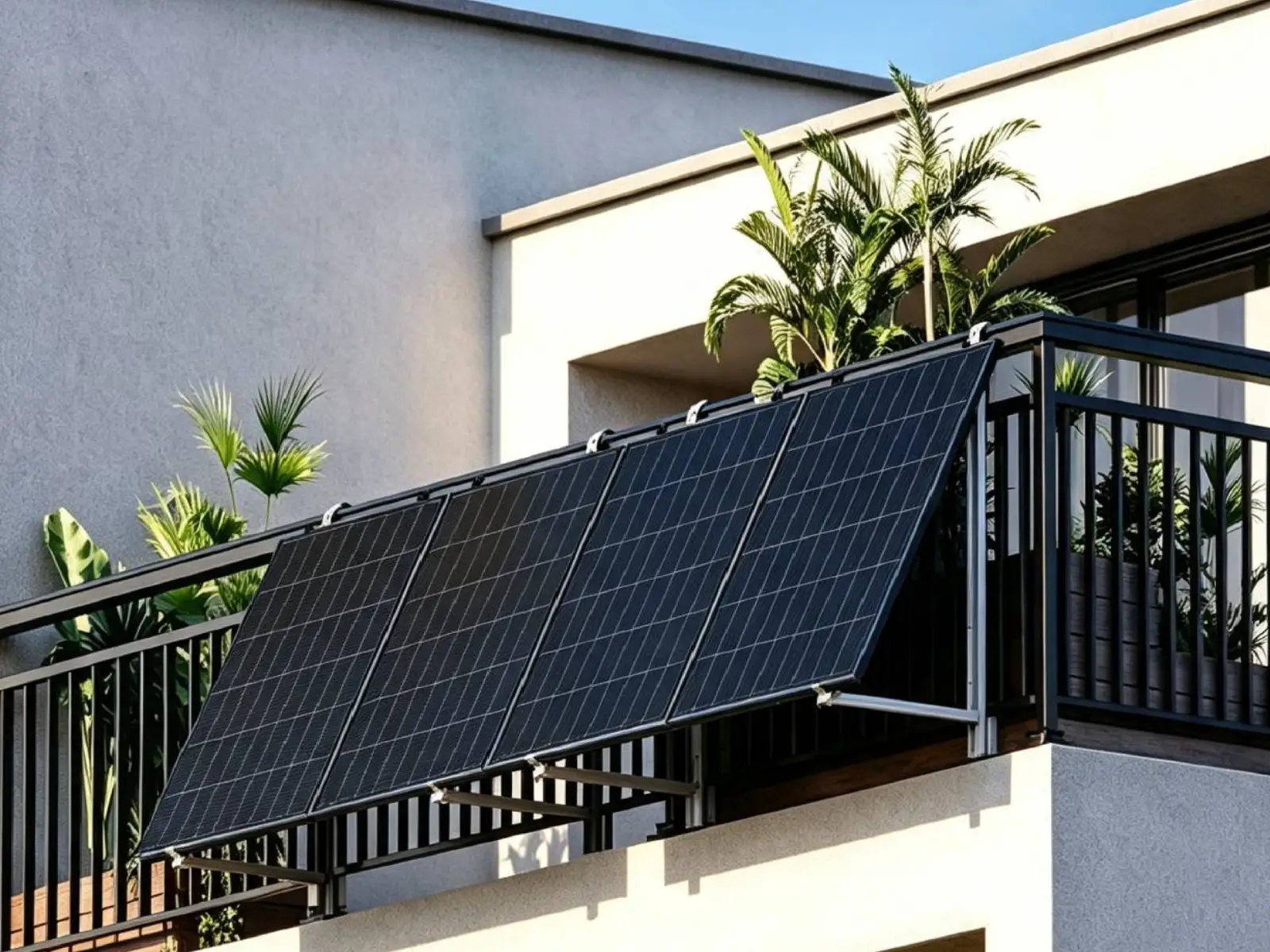
1. What Core Accessories Does a Balcony Solar System Need?
You can’t just buy a single solar panel and call it a day — a fully functional balcony solar setup needs a complete set of matched parts. The must-have components include high-efficiency solar panels, a reliable micro inverter, waterproof PV and AC cables, rust-proof balcony mounting brackets, and optional backup batteries for energy storage. Every part plays a key role in how much power your system generates, how safe it is, and how long it will last. That’s why pre-matched full kits are always better than mixing and matching random parts.
2. What Wattage Solar System Is Suitable for Home Balconies?
The right system wattage all comes down to your balcony size, how much direct sunlight you get daily, and your household power usage. Below are the most practical, user-friendly wattage options for regular homes:
-
600W: Perfect for small balconies, shaded low-rise units, and basic home power needs. It easily covers daily lighting, phone charging, and small electronics, with a super budget-friendly upfront cost.
-
800W/820W: This is the most popular pick for standard home balconies. It delivers steady, consistent power, noticeably cuts down monthly electricity costs, and strikes the perfect balance between great performance and affordable pricing.
-
1000W: Ideal for medium-sized balconies with plenty of sunlight and families that use more power, like running kitchen appliances or small AC units regularly.
-
1600W: Made for large, sun-filled balconies. It maximizes power generation and delivers the biggest savings for households with high daily energy consumption.
3. Which Is Better: Monocrystalline or Bifacial Solar Panels?
Your solar panel type makes a huge difference in energy output and long-term durability. There are two main types homeowners choose from:
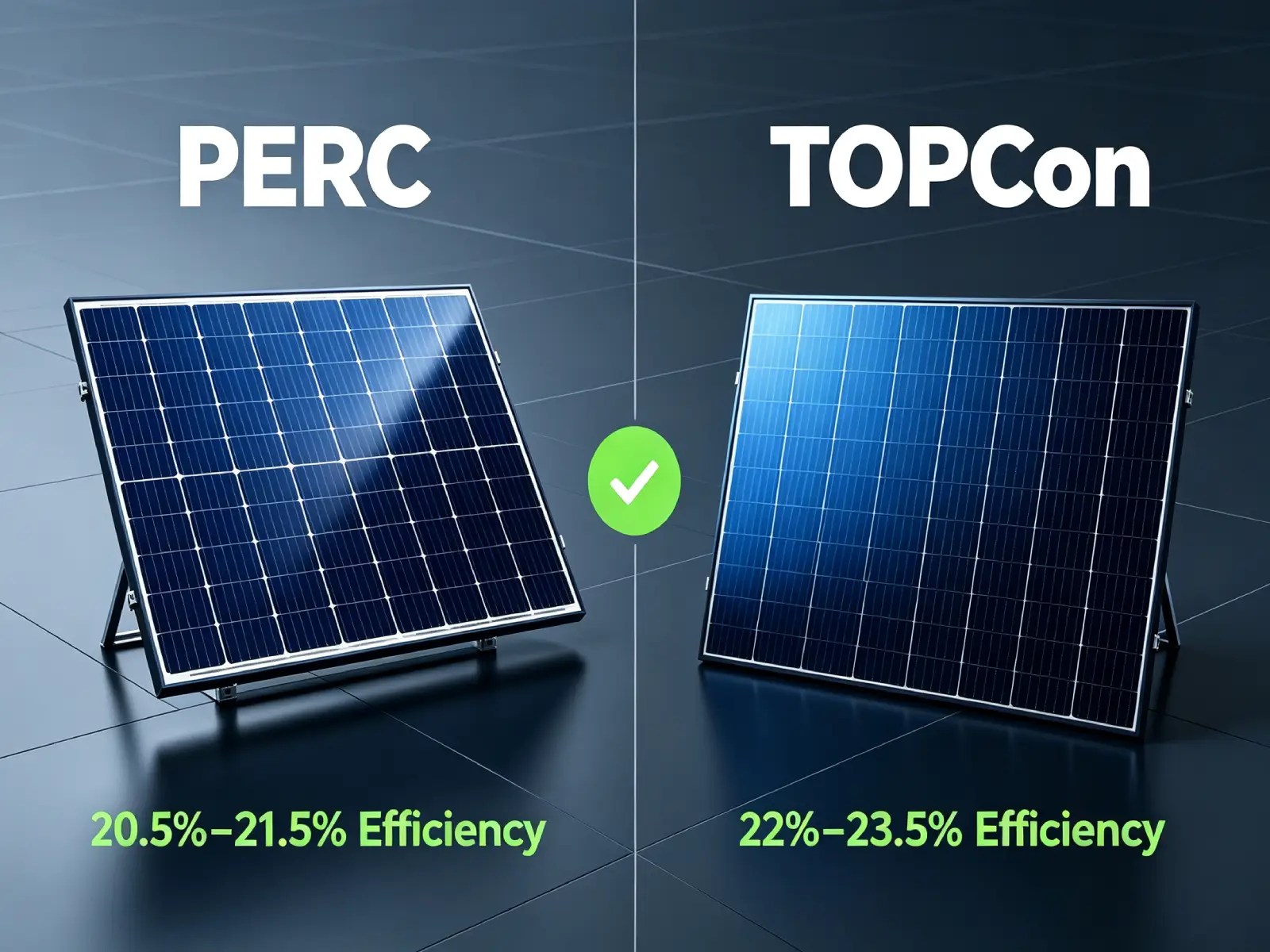
Monocrystalline panels: The go-to choice for most residential balconies. They boast a high energy conversion rate of 21%–23%, work great even in low light, and come with a long lifespan. They adapt perfectly to typical urban balcony lighting conditions and deliver stable power year-round.
Bifacial panels: An upgraded option that captures sunlight from both the front and back of the panel. They generate 10%–20% more power than standard single-sided panels, which is amazing for open balconies with lots of reflected sunlight. The only downside is a slightly higher price tag.
For average households, monocrystalline panels offer the best value for money. If you have an open, sun-soaked balcony, bifacial panels will give you better long-term returns on your investment.
4. How to Choose Micro Inverters and Reliable Brands?
The micro inverter is basically the brain of your balcony solar system. It converts the DC power collected by solar panels into usable AC power for your home. Compared to old-school string inverters, micro inverters are smaller, safer, far less likely to break, and work right out of the box with plug-and-play simplicity.
When shopping for micro inverters, stick with established brands that have full industry certifications, solid customer support, and proven technical experience. Stay away from no-name cheap units — they often overheat, malfunction, and even pose safety risks. Trusted brand inverters guarantee stable long-term operation and better energy conversion efficiency.
5. Should You Choose Grid-Tied, Off-Grid or Energy Storage Systems?
Each system type fits different living situations. Here’s a simple breakdown to help you decide:
-
Grid-tied system: The top choice for renters and city apartment dwellers. It doesn’t require batteries, is quick and easy to install, costs less upfront, and pays for itself faster. The power you generate runs your home appliances directly, so you draw way less power from the grid every month.
-
Energy storage system: Comes with backup batteries, perfect for areas with frequent blackouts or anyone who wants solar power available at night. It stores extra energy generated during the day for after-dark use, so you waste less solar power. The only tradeoff is a slightly higher initial cost.
-
Off-grid system: Rarely used for regular home balconies. It’s only designed for locations with no access to public power grids, so it’s unnecessary for most urban homeowners.
6. What Are the Installation Restrictions for Balcony Solar Systems?
6.1 What Are the Building Load and Installation Standards?
Modern balcony solar kits are lightweight and won’t damage your walls, railings or building structure at all. Custom-fit mounting brackets lock securely onto standard balcony railings and walls, fully meeting residential building load requirements. Just avoid overloading your balcony and make sure all parts are tightly secured to withstand strong winds and bad weather.
6.2 How to Solve Shading and Insufficient Sunlight Issues?
Shading from upper floors, neighboring buildings or walls is the biggest enemy of balcony solar power generation. Luckily, it’s easy to fix: adjust your panel angle to catch more sunlight, pick solar panels with great low-light performance, and avoid installing panels in fully blocked, shaded spots. These small tweaks will drastically boost your energy output.
6.3 How to Comply with Property and Grid Connection Policies?
Solar installation rules vary a lot from country to country and neighborhood to neighborhood. The good news is most residential communities in Europe, Southeast Asia and the US allow removable, non-damaging balcony solar setups. Always double-check your local grid connection rules and your building’s property guidelines before installation to avoid any compliance issues or mandatory removal later on.
7. What Is the Service Life, Efficiency and Payback Period?
High-quality balcony solar systems last 20 to 25 years with minimal maintenance. Top-tier panels hold strong energy efficiency over time with very little power attenuation. For the average household, a standard 800W balcony solar kit cuts 30% to 50% off monthly electricity bills. With regular sunlight exposure, most users recoup their investment in 3 to 5 years — and enjoy free or low-cost green energy for decades after.
8. How to Choose Reliable Brands and Avoid Counterfeit Products?
The market is flooded with cheap generic and OEM solar products with inconsistent, subpar quality. To avoid common buying pitfalls: First, shop from legitimate manufacturers with complete certifications, standardized production, and official warranty support. Second, skip ultra-cheap knockoff products that lie about efficiency specs and have unstable performance. Third, prioritize brands with in-house R&D, production and after-sales teams for consistent quality and reliable support.
9. What Balcony Solar Solutions Does Gaotu Innovation Offer?
If you’re overwhelmed by countless generic solar kits and don’t know which one is trustworthy, Gaotu Innovation stands out as a professional manufacturer and reliable wholesale supplier of balcony solar systems worldwide. While many brands only focus on retail sales, we specialize in supporting global distributors, wholesalers, and project contractors with stable, cost-effective balcony solar solutions. With independent R&D, in-house production and strict quality control, we provide customizable OEM/ODM services, bulk order discounts, and complete product certification support to help business clients expand their local solar market easily.
Our full product range covers 600W, 820W, 1000W and 1600W options, perfectly matching small, medium and large balcony spaces for end users. Every Gaotu wholesale solar kit adopts high-efficiency monocrystalline or bifacial panels and ultra-stable micro inverters. All plug-and-play systems are weather-resistant, long-lasting, and fully compliant with global grid and residential building standards. Whether you are looking for stable bulk supplies, customized packaging, or cost-effective solar kits for resale, Gaotu Innovation delivers consistent quality and competitive pricing for long-term wholesale cooperation.
Final Verdict: How to Pick the Best Balcony Solar System
Picking the perfect balcony solar system boils down to four key factors: your balcony size, local sunlight conditions, daily power needs, and regional installation policies. Choose the right wattage for your space, opt for high-efficiency panels and trustworthy inverters, and pick a grid-tied or storage system based on your lifestyle. Stick with reputable branded products and follow standard installation rules, and you’ll enjoy safe, long-term energy savings with clean solar power.
Related Posts
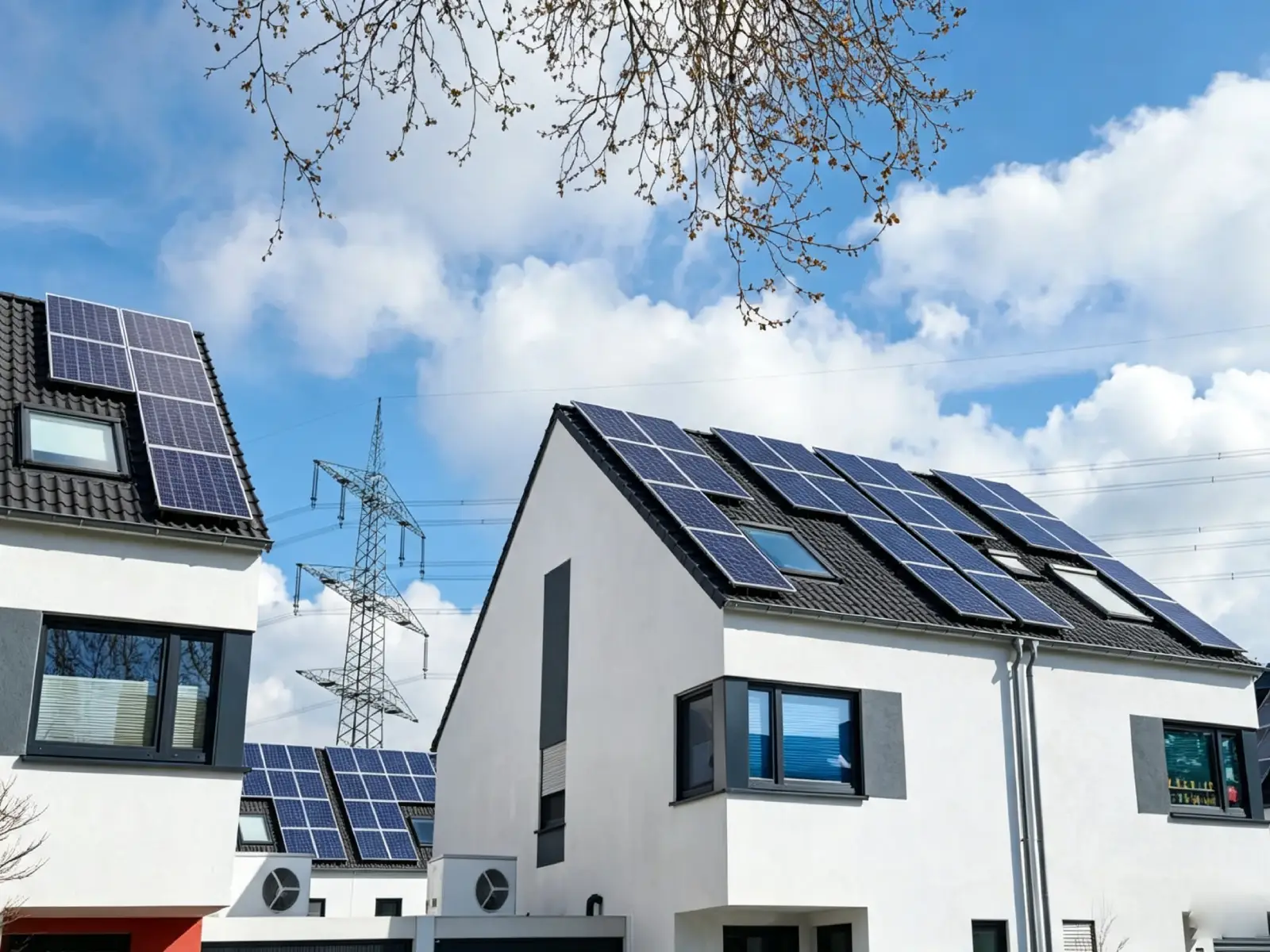
What Are the Different Types of Solar PV System?
Solar power has become super popular these days. You can see solar panels everywhere —…
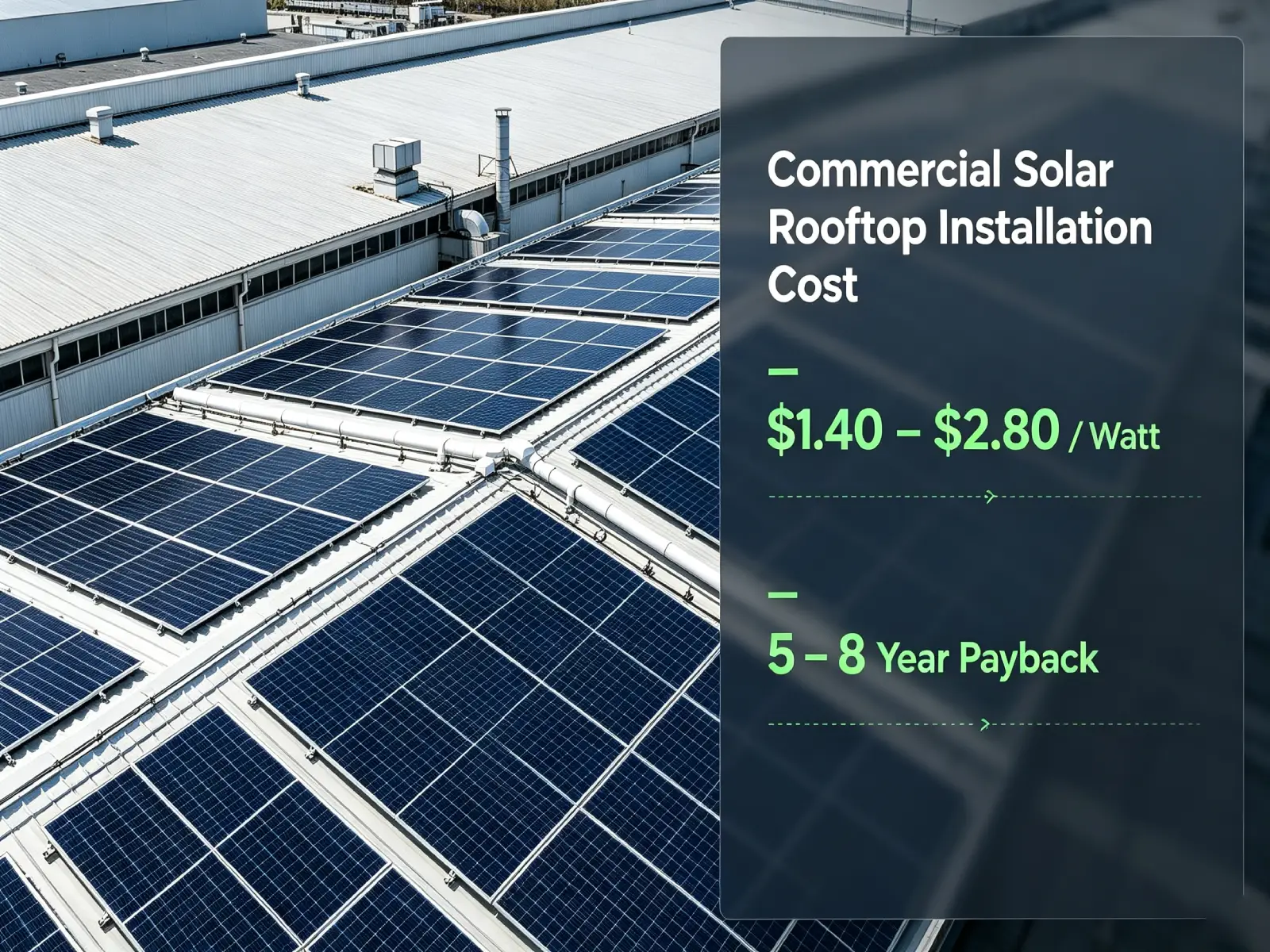
Commercial Solar Rooftop Installation Cost: A Complete Guide for Business Owners
Summary: Written for factory, warehouse and office building owners, this guide breaks down the cost…
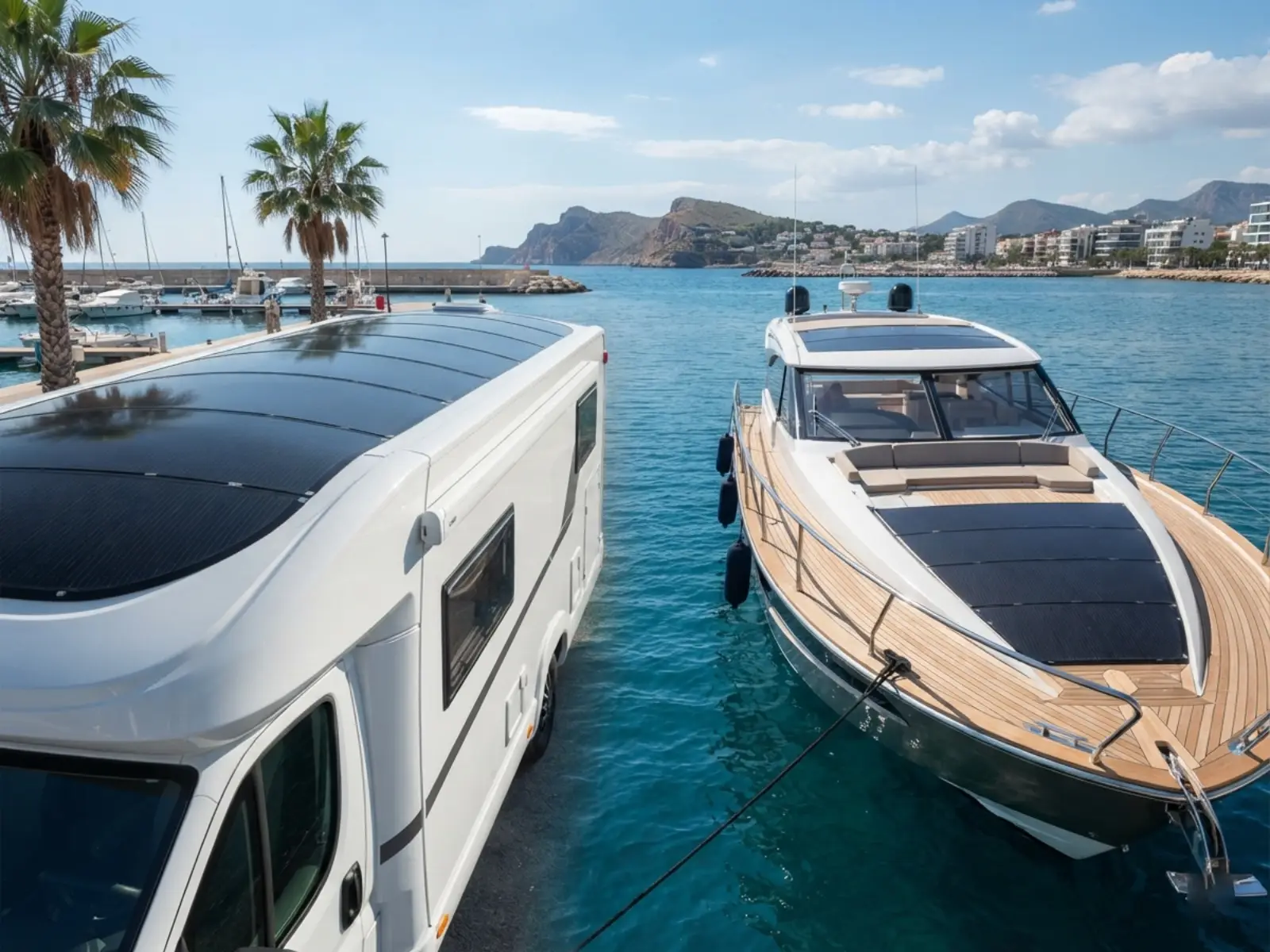
The Ultimate Guide to Choosing a Flexible Solar Panel Supplier in China (2026 Sourcing Guide)
Finding a trustworthy Flexible Solar Panel Supplier in China is critical for B2B buyers looking…
Leave a Reply