

Solar Power Knowledge
Marine Solar Power System Manufacturer: Full Guide for Marine & Offshore Solar Solutions
 gaotu
gaotuMarine operators today face two major challenges: rising fuel costs and stricter international marine emission standards. Traditional diesel generators are noisy, fuel-intensive, and produce constant exhaust, making them less ideal for modern vessels and offshore facilities. This is why more yacht owners, ship operators, and offshore project contractors are switching to marine solar power systems. Built specifically for harsh ocean environments, these systems require minimal upkeep and deliver stable, clean power around the clock. Unlike standard land solar panels, marine solar equipment is engineered to handle salt corrosion, high humidity, wave splashes, and continuous vessel movement. Working with an experienced marine solar power system manufacturer ensures you get fully certified, field-tested, and custom-fit solar solutions that fit real-world marine operational needs.
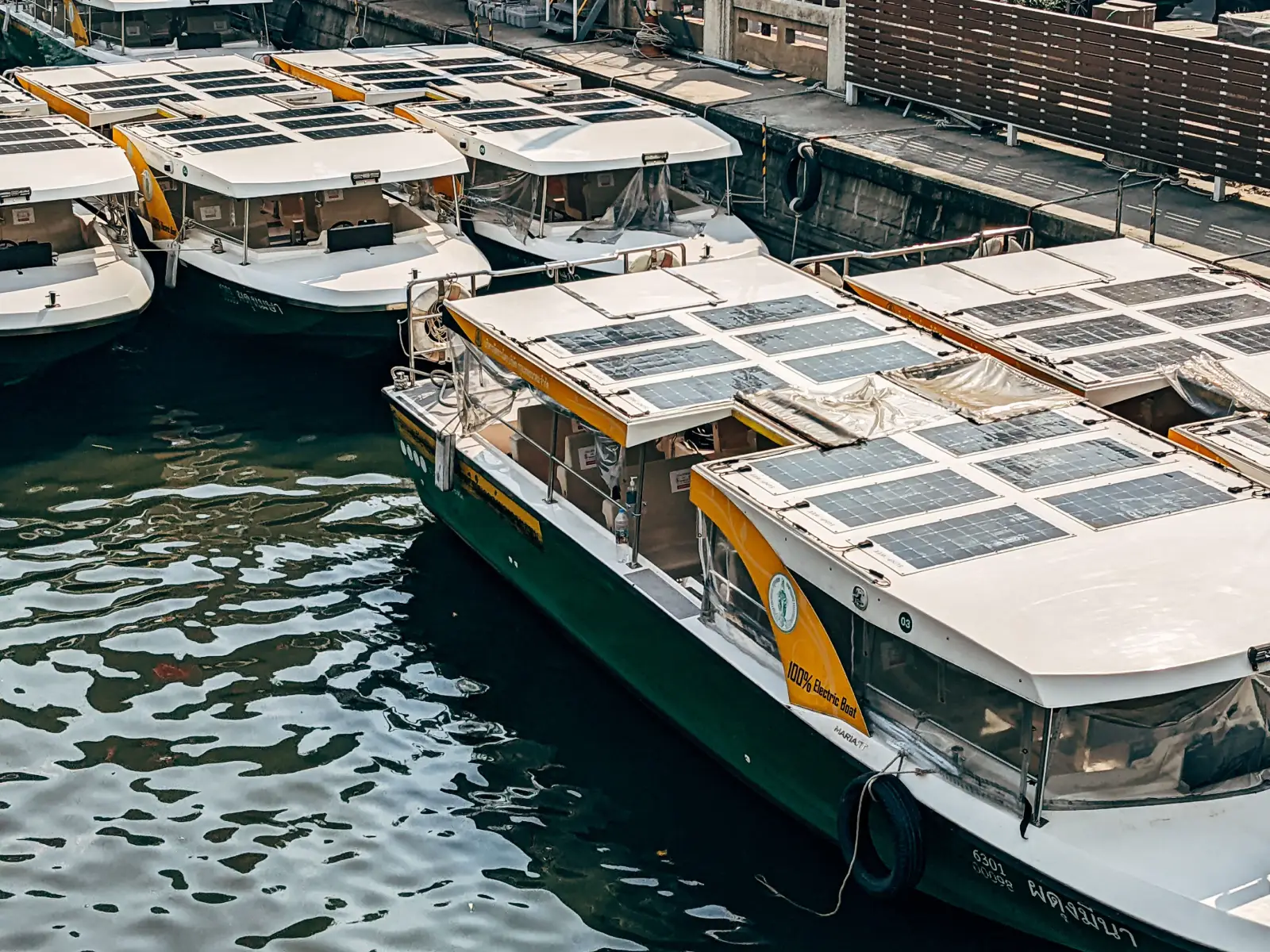
1. Why You Need Marine-Specific Solar Systems for Ocean Use
A common mistake many buyers make is installing regular land solar panels on boats or offshore structures. Land-based solar equipment is not built for marine conditions. Constant salt fog exposure, strong sea vibrations, drastic temperature swings, and intense coastal UV rays quickly degrade standard solar panels. They often suffer water intrusion, surface corrosion, significant power loss, and even short-circuit damage. Worse, uncertified solar setups will not pass marine inspections. For reliable performance and full regulatory compliance, only dedicated marine-grade solar systems should be used for any ocean application.
1.1 Harsh Environmental Conditions at Sea
Marine environments are far more demanding than typical outdoor settings. Operating vessels face nonstop salt spray corrosion, high ambient humidity that never fully dissipates, continuous vibration from engines and wave movement, and extreme ultraviolet exposure year-round. Temperatures also shift drastically between daytime heat and nighttime cooling. Standard solar panels lack reinforced marine protection and wear out rapidly, creating unstable power output and potential safety risks at sea.
1.2 Marine Solar vs. Land Solar: Real-World Differences
These two solar product lines are not interchangeable. Professional marine solar systems come with IP66 full waterproof protection, IEC61701 Level 6 salt spray resistance, reinforced anti-shock and anti-vibration structures, and official DNV marine certification. They operate reliably in temperatures ranging from -40℃ to 85℃. Land solar panels only meet basic outdoor standards. They have no anti-corrosion coating, no vibration reinforcement, and no marine certification, which makes them unsuitable for the dynamic, corrosive marine environment.
1.3 Practical Benefits of Marine Solar Systems
Marine solar power greatly reduces how often you need to run diesel generators, directly cutting fuel bills and routine maintenance work. It runs quietly with zero emissions, helping vessel operators meet global marine environmental and green shipping requirements. Most importantly, marine solar systems support fully off-grid energy storage, which is critical for remote offshore platforms, unmanned marine sites, and vessels that spend long periods away from shore power.
2. Core Components of a Complete Marine Solar Power System
A trustworthy marine solar setup is a fully integrated system, not just a single solar panel. This is the key difference between professional factory solutions and simple assembled kits from general suppliers. Every component is matched and optimized for marine conditions to ensure high compatibility, low failure rates, and long service life.
1.Marine Solar Panels: Three main types are widely used in the marine industry. Flexible bendable panels work great for yachts and curved boat surfaces due to their lightweight design. Rigid solar panels offer higher efficiency and stable output, ideal for fishing boats and cargo vessels. Double-glass bifacial panels provide superior weather resistance and dual-sided power generation, making them the top choice for open offshore platforms.
2.Marine Solar Controller: Equipped with a marine-grade MPPT controller, the system adapts to unstable voltage fluctuations common on moving vessels. It maximizes power harvesting while offering full protection against overcharging, overdischarging, short circuits, and overloads, keeping the entire power system safe during long voyages.
3.Marine Inverter & Energy Storage: Paired with marine-specific inverters and lithium battery storage, the system converts DC solar power into usable AC power and stores excess energy. This ensures consistent power supply during cloudy weather, nighttime hours, or low-sunlight conditions, enabling true off-grid marine operation.
4.Marine-Grade Accessories: Every bracket, cable, and terminal is built with anti-corrosion, salt-fog-proof, and UV-resistant treatment. These specialized accessories prevent common failure points caused by inferior hardware, ensuring the whole system holds up in long-term marine service.
3. Common Marine Solar Application Scenarios
Marine solar systems are highly flexible in power size and adaptable to nearly all marine environments, covering recreational, commercial, and industrial offshore needs.
3.1 Yachts and Sailboats
Most leisure vessels adopt compact 1–5kW flexible solar systems. These panels fit smoothly on curved hull surfaces without adding weight or ruining the vessel’s appearance. They power lighting, navigation gear, onboard appliances, and security cameras, replacing noisy portable generators and improving overall cruising comfort.
3.2 Fishing Boats and Inland Vessels
Cost-effective standardized marine solar kits are perfect for fishing vessels and inland ships. They reliably support working lights, fishing equipment, and daily living power needs. By reducing generator runtime, boat owners save significantly on fuel costs and frequent mechanical maintenance.
3.3 Cargo Ships and Passenger Vessels
Large commercial vessels commonly use 10–100kW hybrid solar storage systems. Working alongside diesel backup power, these systems supply steady electricity for ship auxiliary equipment, living quarters, and communication devices. They effectively lower fuel consumption and reduce carbon output, helping shipping companies comply with green shipping policies.
3.4 Offshore Platforms and Marine Facilities
Offshore wind platforms, drilling bases, marine ranch monitoring stations, and coastal beacons have no access to shore power. Industrial off-grid marine solar storage systems provide stable 24-hour power with minimal maintenance, perfectly fitting long-term unattended offshore operation.
4. Key Certifications for Qualified Marine Solar Equipment
In marine procurement, certification always comes first. Only certified marine solar equipment meets international offshore project standards. Reliable marine solar products must pass IEC61701 Level 6 salt spray testing, obtain official DNV marine certification, and reach IP66 waterproof and dustproof grades. They must also withstand long-term UV exposure and physical impact. Full certification ensures smooth vessel inspections and project acceptance worldwide. Uncertified solar equipment is never recommended for marine deployment due to safety and compliance risks.
5. How to Choose a Trusted Marine Solar Power System Manufacturer
The marine solar market is full of low-cost assembled products from middlemen and small assemblers. These products often lack valid certifications, professional marine-grade craftsmanship, and reliable after-sales support, frequently leading to onsite failures and project delays. A credible marine solar manufacturer must have these core strengths:
1. In-house R&D and manufacturing capability: Owns independent production lines and testing labs to control quality from raw materials to finished systems, supporting stable mass supply and project-based customization.
2. Full set of marine certifications: Holds verifiable DNV, salt spray, and waterproof certification documents to support global project approval and compliance checks.
3. Marine-focused technical experience: Develops systems specifically optimized for salt corrosion, continuous vibration, and extreme temperature changes at sea.
4. Flexible customization and OEM/ODM support: Offers tailored power outputs from 1kW to 1000kW, plus structural and appearance customization for unique vessel and project requirements.
5. Long-term warranty and global support: Provides 20+ year product lifespan guarantees, along with remote technical guidance and overseas installation support.
6. Custom Marine Solar Solutions We Provide
As a professional marine solar power system manufacturer, we deliver fully integrated marine solar solutions for all vessel types and offshore projects. Our product lineup includes flexible solar kits, high-efficiency rigid solar systems, double-glass solar equipment, and complete off-grid solar storage systems. We support personalized project customization, bulk engineering supply, and OEM/ODM cooperation. Every unit undergoes strict salt spray, waterproof, vibration, and extreme temperature testing before delivery, fully meeting international marine standards. We also provide complete certification files and technical guidance to help partners smoothly complete project implementation.
7. FAQ
Q1: Can regular solar panels be used on boats?
No. Standard solar panels do not have marine-grade anti-corrosion, waterproof, or anti-vibration protection. They degrade quickly in saltwater environments and cannot pass official marine inspections.
Q2: What makes marine solar different from land solar?
The main difference lies in marine-specific protective construction, environmental durability, vibration resistance, and professional marine certifications. Marine solar systems are purpose-built for harsh, ever-changing ocean conditions.
Q3: How long does a marine solar system last?
High-quality marine-grade solar systems last 20 to 25 years, with annual power degradation below 2%, ensuring decades of stable offshore performance.
Q4: Do you offer custom solar solutions for special projects?
Yes. We customize complete solar and storage solutions based on your vessel type, installation space, daily power demand, and local sea conditions.
Conclusion
Marine solar systems have become a practical, cost-saving, and compliant power solution for modern marine and offshore operations. Compared with ordinary land solar equipment, marine-grade solar delivers far better durability, environmental adaptability, and regulatory compliance. Choosing a professional marine solar power system manufacturer with solid manufacturing capacity, complete marine certifications, flexible customization, and reliable global support is the best way to ensure stable project operation and long-term cost savings. Feel free to reach out to our team for professional product consultation, customized solution design, and accurate project quotes.
Related Posts

126W Solar Shade Umbrella: Turn Any Outdoor Space Into a Portable Off-Grid Power Station
Outdoor living shouldn’t mean being cut off from power. Whether you’re camping deep in the…
How to Order OEM & ODM Portable Solar Panels: Complete Sourcing Checklist
Executive Summary: Sourcing off‑grid solar products involves far more than just solar cell efficiency. For…
How Your Roof Secretly Kills Your Power Output
Most homeowners make the same costly mistake when going solar. They splurge on higher-wattage, premium…
Leave a Reply