

Solar Power Knowledge
How to Evaluate Flexible Solar Panel Suppliers Before Bulk Orders
 gaotu
gaotuMost bulk buyers, OEM distributors, and solar resellers run into the same problem when sourcing flexible solar panels. They focus only on low pricing and skip proper supplier evaluation. As a result, they receive bulk goods that differ from approved samples, fail to fit their installation setup, hold invalid certificates for customs clearance, or face unresolved after-sales issues. In the end, cheap orders turn into costly mistakes.
Choosing a reliable flexible solar panel supplierdoes not require complicated auditing procedures. The core lies in product compatibility, mass production stability, and reliable support. Below is a simple, practical supplier evaluation checklist for bulk buyers to avoid most sourcing risks.
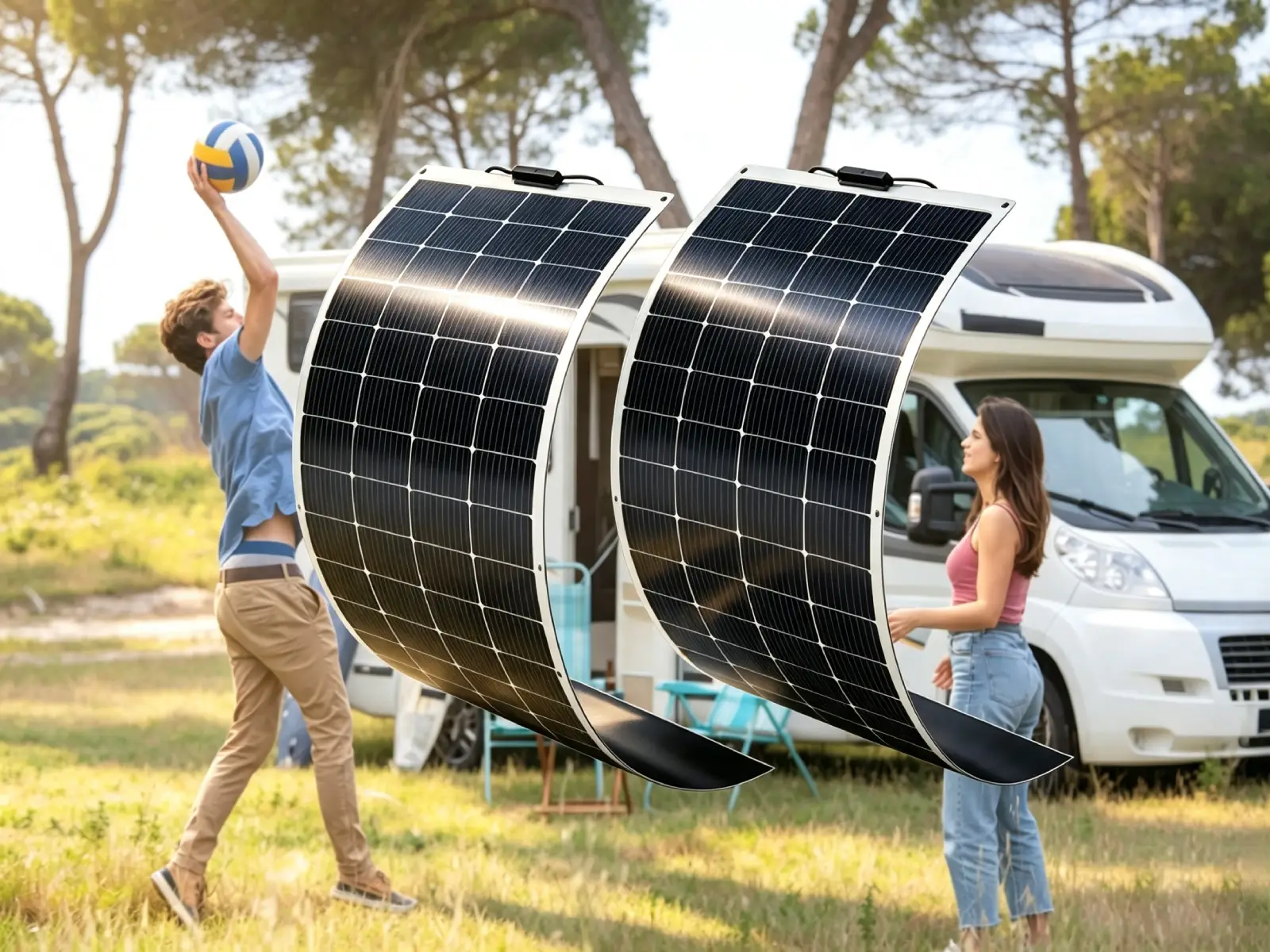
1. Clarify Your Project Requirements Before Requesting Quotes
Vague requirements always lead to inaccurate quotes and mismatched products. Before contacting suppliers, define clear specifications to receive precise and compatible offers:
-
Product Specifications: Exact size, wattage, working voltage, cable exit position, connector type, and surface material (ETFE or PET).
-
Application Scenario: RV, yacht, curved rooftop, balcony, or portable power system. Each application demands different performance in weight reduction, salt corrosion resistance, heat dissipation, and bending durability.
-
Purchase Terms: Order volume, private labeling requirements, custom packaging, lead time, and target sales market.
For custom sizes or special cable layouts, always confirm final drawings. Verbal descriptions frequently cause mass production errors.
2. Verify Production Capacity and Customization Capability
Most factories produce standard flexible solar panels. The real difference lies in customization accuracy and build quality. Focus on three key areas:
-
Size and Structural Accuracy: Confirm whether the supplier can manufacture non-standard or elongated panels with strict tolerance to fit your installation space.
-
Electrical Compatibility: High wattage does not guarantee system compatibility. The panel must match your charge controller and battery system to avoid low charging efficiency or equipment failure.
-
Material and Durability: Choose ETFE surface material for long-term outdoor use. Avoid low-grade materials that cause delamination, bubbling, and rapid power degradation.
3. Check Valid Certifications, Not Generic Documents
One of the biggest customs clearance risks is generic certification that does not match your customized product. Many manufacturers provide outdated or universal test reports that cannot be used for official import inspection.
Valid documents must correspond exactly to your ordered model, structure, and materials. Key files include IEC 61215 durability certification, IEC 61730 safety certification, official datasheets, model-specific test reports, warranty documents, and installation manuals.
Certificates without clear model and structural specifications should be considered invalid.
4. Confirm Sample Consistency to Avoid Production Quality Drops
Samples serve as official technical references, not just visual displays. For customized or bulk orders, always approve pre-production samples by checking dimensions, materials, cable connectors, electrical performance, and appearance quality.
The most critical rule: confirm in writing that mass production uses identical raw materials and production processes as approved samples. Many suppliers use premium materials for samples but switch to low-cost alternatives for bulk orders, causing severe quality issues.
5. Inspect Mass Production Quality Control Stability
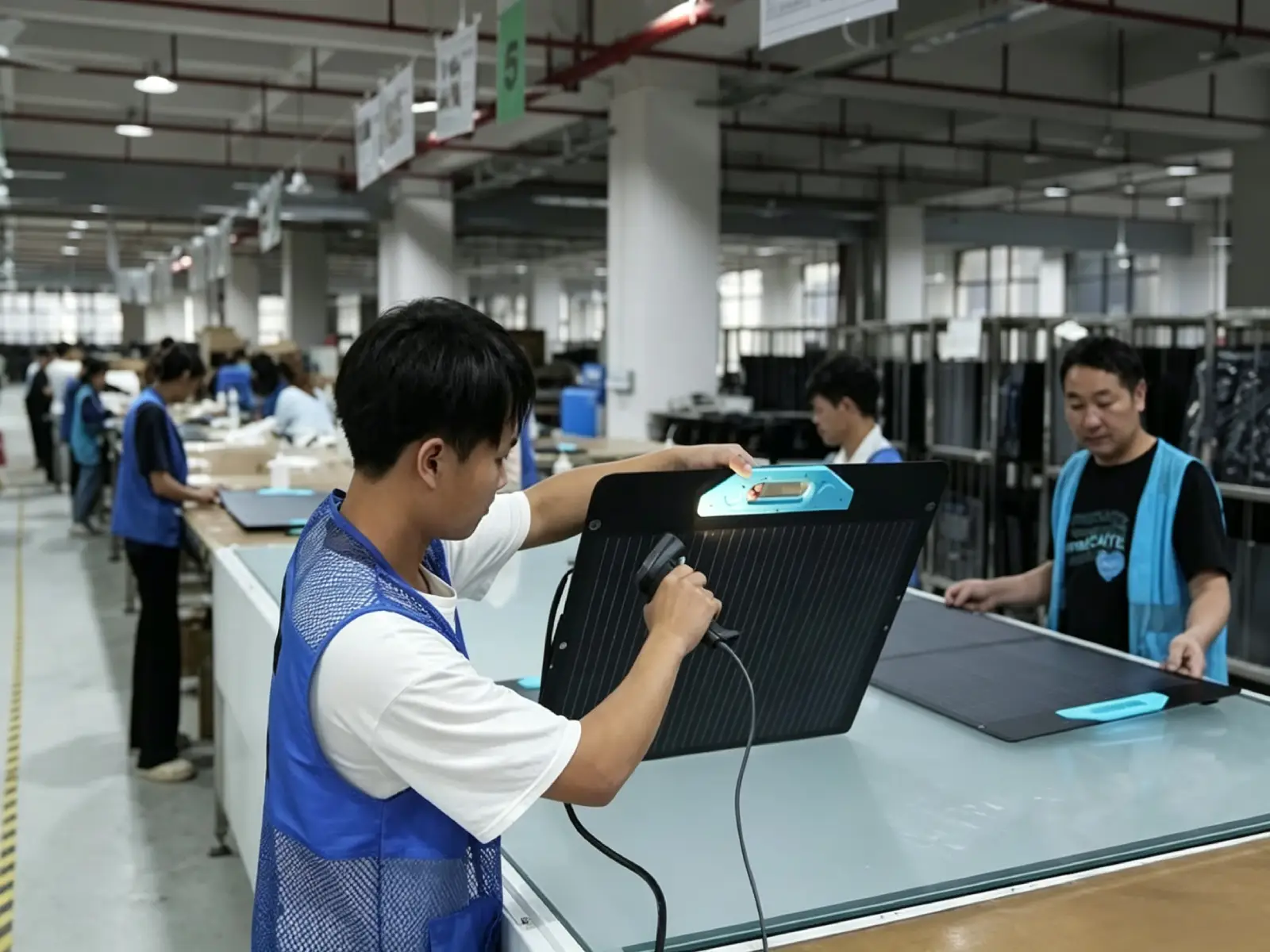
Factory photos and marketing claims do not reflect real production stability. Reliable suppliers enforce strict quality control: batch material inspection, full electrical testing for every panel, appearance defect screening, standardized cable verification, and complete batch traceability records.
Customized solar panels require strict version control to prevent inconsistent performance and appearance across different production batches.
6. Formalize Packaging, Labeling, and All Commercial Terms
Flexible solar panels are fragile during shipping. Professional packaging directly reduces transport damage. Private labeling, multi-language manuals, and customized markings help improve your end-market competitiveness.
Never rely on verbal promises. Clearly define MOQ, sample fees, production lead time, payment terms, custom packaging costs, warranty policy, and replacement terms in official quotations and contracts.
7. Red Flags: Unreliable Supplier Warning Signs
-
Only provides product images without official datasheets, drawings, or dedicated test reports
-
Offers generic certificates that cannot match your exact product model
-
Quotes extremely low prices without asking about your application requirements
-
Cannot guarantee identical quality between samples and bulk production
-
Lacks standardized QC procedures and batch inspection records
FAQ – Frequently Asked Questions
Q1: What documents should I request before bulk ordering flexible solar panels?
A: Focus only on valid, model-matching files: official datasheets, structural drawings, IEC certifications, dedicated test reports, warranty terms, and installation guides. Generic documents that do not match your panel structure are useless for customs clearance and quality assurance.
Q2: How do I verify whether a test report or certificate is valid for my order?
A: Cross-check three key details: exact model number, product dimensions, and material structure. If the certificate only describes general products without customized parameters, it cannot be recognized by customs or used for after-sales disputes.
Q3: Can suppliers customize cable exit positions and connector types?
A: Most professional manufacturers support these customizations. However, all modifications must be confirmed in official drawings before sampling and mass production to avoid installation incompatibility.
Q4: Is pre-production sampling necessary for small-batch orders?
A: Yes, especially for non-standard sizes, special cable designs, private-label products, and outdoor-grade panels. Sampling verifies material quality, craftsmanship, and electrical performance to prevent batch inconsistencies.
Q5: Besides wattage, what factors should buyers prioritize?
A: Wattage is only a basic parameter. End-user experience and product reputation depend on system compatibility, weather resistance, batch consistency, valid certification, packaging protection, warranty policy, and stable manufacturing quality.
Conclusion
When bulk sourcing flexible solar panels, the lowest price does not always equal the best value. Product compatibility, stable quality, valid certification, and reliable after-sales service determine long-term supply stability. By following this evaluation process, buyers can filter qualified suppliers and avoid costly mass order risks.
Related Posts
How to Choose Balcony Solar System
Balcony solar systems are hands down one of the best renewable energy options for apartment…
Gaotu 200W Portable Foldable Solar Panel | Full Product Introduction
Think of it as a compact, foldable mobile power station that fits neatly inside your…
Marine-Grade Flexible Solar Panels: The Definitive Sourcing Guide for RV & Yacht Manufacturers
For recreational vehicle, luxury yacht and vessel manufacturers, every single component within the end product…
Leave a Reply