

Solar Power Knowledge
Best Flexible Solar Panels for RVs: Roof‑Fit and System‑Matching Guide
 Gaotu Innovation

Key Takeaways
- Select the best flexible solar panels for your RV based on usable roof footprint, existing electrical setup, mounting constraints, and daily energy consumption — raw wattage alone is never the deciding metric.
- Flexible, lightweight‑framed, rigid glass, and portable solar panels solve distinct use‑case challenges. Your optimal panel format depends on roof load limits, shade exposure, service accessibility, and travel patterns.
- Always cross‑verify panel voltage parameters against charge controller specs, battery configuration, cable sizing, inverter and on‑board load requirements.
- For distributors, RV system integrators and OEM brands, a market‑ready RV solar kit must include complete datasheets, step‑by‑step installation guidance, spare‑part replacement protocols, and model‑specific technical documentation.
The highest‑watt flexible solar panel does not automatically equal the best RV solar solution. The right panel must physically fit the available roof real estate while avoiding vents, AC units and rooftop hardware; it must electrically align with your battery bank and charge controller; and it must withstand continuous road vibration, temperature swings and outdoor exposure.
RV roofs represent highly constrained engineering surfaces. Air‑conditioning units, roof vents, skylights, antennas, roof storage boxes and maintenance walkways compete for limited rooftop space. Every solar array has to work in harmony with batteries, controllers, cabling and real‑world onboard power loads.
This guide serves as a practical reference for RV owners, installers, wholesale distributors and custom‑project B2B buyers from Gaotu Innovation. It walks you through how to define your vehicle constraints before ordering solar kits or kicking off rooftop installation work.
What Should RV Buyers Confirm First?
Start your project assessment with your RV vehicle and existing power infrastructure, instead of browsing product catalogues. Answer these five core questions before you shortlist any solar modules.
| First question | Why it matters | Information to confirm |
|---|---|---|
| How much usable roof area do I have? | Advertised total roof dimensions can be misleading once rooftop equipment is accounted for. | Clear length & width, obstructions, maintenance gaps, cable routing paths |
| What battery architecture is already fitted? | Panel voltage and controller selection must match your battery charging profile. | Battery nominal voltage, cell chemistry, series‑parallel layout, charge parameters |
| What electrical loads need to be supported? | Daily energy draw and peak high‑power loads drive overall system sizing decisions. | Full load inventory, operating hours, inrush current, target off‑grid autonomy days |
| Will panels remain permanently roof‑mounted? | Fixed rooftop panels and portable deployable panels require different mounting, storage and cabling arrangements. | Travel frequency, typical parking scenarios, anti‑theft concerns, maintenance access |
| What environmental conditions will the roof endure? | Heat, constant vibration, partial shading, moisture and cable flexing define long‑term service life. | Roof substrate material, local climate, recurring shade patterns, ventilation, maintenance schedule |
Without clarifying these baseline requirements, precise panel recommendations are unreliable. Gaotu Innovation’s technical team can still evaluate your project, but all unresolved constraints should be documented prior to sample requests or formal quotation.
How to Select The Best Flexible Solar Panels for RV Applications
Draw a simple roof layout sketch before reviewing product specifications. Mark AC units, vents, skylights, antenna bases, walking zones and cable entry points. The leftover open zones form your real design boundary. Many RV buyers discover that a large‑format panel cannot physically fit without covering service hardware or blocking routine maintenance access.
| Selection factor | Items to verify | Impact on your buying decision |
|---|---|---|
| Usable roof footprint | Net clear length and width after deducting obstacles and service clearance gaps | Multiple smaller or custom‑cut panels can utilise rooftop space better than one oversized rectangular module |
| Weight & installation handling | Panel weight rating, roof maximum load capacity, installation & replacement accessibility | Lightweight construction lowers roof‑loading pressure, yet mounting method and thermal dissipation still demand careful review |
| Thermal dissipation path | Roof substrate, bonding / raising installation style, natural airflow, high‑temperature operating environment | Fully bonded flush‑mount panels and elevated raised panels behave very differently under hot‑roof conditions |
| Shade exposure profile | Partial shading cast by air‑conditioners, vents, racks and surrounding trees | Multiple smaller panels or multi‑channel controller inputs often outperform one large continuous panel under frequent partial shade |
| Electrical compatibility | Vmp, Voc, Imp, Isc, controller operating window, battery voltage, total cable run length | A panel that fits physically may still create serious system mismatch electrically |
| Long‑term serviceability | Connector accessibility, cable routing layout, cleaning & inspection access, component replacement workflow | Ultra‑low‑profile installation is not always the most service‑friendly setup |
Real‑world layout examples for RV solar projects
- Roof crowded with multiple vents: Deploy several compact flexible panels to fit fragmented available rooftop zones and minimise wasted surface space around obstructions.
- Large unobstructed roof surface: A single bigger‑size panel can simplify wiring and installation, conditional on physical dimensions, cable exit placement, heat dissipation and controller input capacity.
- Weight‑critical camper conversions: Light‑weight flexible modules ease installation and reduce roof‑load risk; installers still need to validate surface preparation, airflow and future replacement access.
- Frequent partial‑shade parking: Segment your solar array into independent sub‑arrays for easier troubleshooting and to avoid full‑array performance drop‑out from localised shadows. Always cross‑check electrical topology with your charge‑controller supplier.
Why Usable Roof Area & Panel Weight Are Critical
Calculate usable roof space, do not rely on nominal roof dimensions
Available rooftop space equals total roof area minus fixed hardware footprint, maintenance clearance and cabling/mounting allowances.
Usable roof area = total roof area – fixed rooftop equipment footprint – service‑access clearance – mounting & cable routing space
This formula explains why a moderate‑wattage panel sometimes delivers better practical results than a higher‑power alternative. It can fit narrow leftover strips next to vents or hardware that would otherwise go unused.
Prepare a simple annotated roof drawing. Mark AC units, vents, skylights, roof rails, storage boxes, antenna bases plus zones unsuitable for adhesive bonding or drilling. Sharing this drawing with Gaotu Innovation’s engineering team delivers far‑more‑accurate proposals than generic statements such as “I have a large roof”.
Weight affects more than just fuel consumption
Panel mass directly impacts roof‑load limits, on‑site installation ergonomics, build time and overall vehicle payload. It also determines whether one technician can safely position modules during fitting.
Light‑weight flexible panels offer clear advantages for RV roofs with strict load limits or for installers rolling‑out consistent fleets across multiple RV models. Even with lightweight modules, you must evaluate bonding agents or mechanical fasteners, road vibration, wind‑load and long‑term service access.
For weight‑sensitive RV conversion projects, you can reference Gaotu Innovation’s GT‑FL series lightweight flexible modules as your starting baseline. Final project suitability must always be validated against official datasheets and your selected installation method.
Flexible, Lightweight‑Framed, Rigid or Portable Panels?
These four module formats are not interchangeable. Each balances rooftop fitment, mechanical durability, serviceability and handling characteristics in distinct ways.
| Panel format | Best‑fit scenarios | Core design consideration | Common trade‑offs |
|---|---|---|---|
| Fully flexible | Curved roof surfaces or vehicles with strict weight constraints | Compatibility of laminate material, roof substrate, adhesive bonding and cable‑exit stress relief | Service access and thermal management require extra attention |
| Lightweight semi‑flexible / semi‑framed | Flat or gently curved roofs seeking low‑mass performance | Mechanical support and road‑shock protection while travelling | Installation solutions tend to be project‑specific |
| Traditional rigid framed | Spacious, accessible flat roofs with robust mounting structures | Sufficient rooftop real‑estate plus structural capacity for frames and mounting hardware | Higher weight, increased roof height and exposed mounting hardware |
| Portable / folding kits | Camp‑site temporary use, or RVs with heavily obstructed roofs | Safe sun‑exposed placement plus secure on‑vehicle storage | Manual setup work, cable management, risk of theft or physical damage |
Flexible does not mean unlimited bending capability. Minimum bend radius, surface pressure, cable‑exit strain relief and repeated vibration stress must strictly follow product datasheet guidance. Gaotu Innovation GT‑FL flexible module configurations work well for curved, weight‑limited RV builds; we support bulk orders via our Flexible Solar Panels Wholesale program. Application drawings and installation parameters should be reviewed before final order confirmation.
Match Panel Electrical Parameters To Your RV Power System
Mismatched panel voltage is one of the most frequent causes of poorly‑performing RV solar kits. Labels reading “12V panel” or “24V panel” are insufficient for complete electrical design.
Buyers need to extract four core figures from module datasheets:
- Vmp: Voltage at maximum‑power operating point
- Voc: Open‑circuit voltage, rises significantly under cold‑weather conditions
- Imp: Current at maximum‑power output
- Isc: Short‑circuit current, used for fuse and over‑current protection design
These values must align with your charge‑controller input limits and battery charging requirements. Both PWM and MPPT controllers operate with different voltage‑handling rules.
| RV System Scenario | What you need to verify | Why marketing labels are insufficient |
|---|---|---|
| 12V battery bank | Panel Vmp & Voc ratings, controller input window, battery charge profile | Labelled “12V panel” provides no guarantee of real‑world operating‑voltage compatibility |
| 24V battery bank | Series battery configuration, controller limits, solar‑string topology | Panels, controller and battery must function as one coordinated charging system |
| Expandable / future‑upgrade system | Future‑proof panel‑voltage planning, series‑parallel limits, fuse and cable specifications | Adding extra panels later can easily exceed controller or wiring safety boundaries |
The fundamental formula Power(W)=Voltage(V) × Current(A) is helpful for cross‑checking datasheet specifications, but it cannot predict real‑world daily energy harvest.
Never connect solar panels directly to RV batteries without a properly‑specified charge‑controller, protective fuses, correctly‑sized wiring and compliant battery‑management hardware.
400‑Watt Flexible RV Solar Array: Single Large Panel or Multiple Smaller Panels?
400W is a popular system power target — this is a system objective, not a reason to automatically select one single large‑size panel.
On an open, unobstructed RV roof, one larger panel reduces connection points and simplifies layout work. On cluttered real‑world RV roofs, several smaller panels can route neatly around AC and vent hardware even for the same total rated wattage.
Before committing to high‑power flexible panels: cross‑check physical dimensions against your roof sketch, confirm controller maximum input ratings, map cable paths and plan for inspection & component replacement. Your priority is not just hitting 400‑W on paper, but ensuring the array can be safely installed, cooled, wired, inspected and serviced without introducing new failure risks.
- Choose one large‑format panel: When you enjoy continuous unobstructed roof space plus safe handling and future service access.
- Choose multiple smaller panels: Where rooftop hardware, recurring shade, curved roof geometry or replacement logistics rule out one big rectangle.
- Consider custom‑dimension layouts: If standard catalogue panel sizes leave excessive wasted rooftop area on repeat‑model RV platforms. Custom orders require formal drawings and locked‑in electrical specifications.
For deep‑dive on mechanical and electrical trade‑offs for high‑power flexible arrays, refer to Gaotu Innovation’s technical brief: High‑Power Flexible Solar Panels: Wattage, Dimension and Weight Trade‑offs.
Battery & Inverter System Design: Energy ≠ Instant Power
Panel selection must follow your real‑world load profile. Fridges, LED lighting, ventilation fans and small electronics demand modest daily energy. Air‑conditioners, microwave ovens, kettles and induction cookers create large short‑term peak‑power draws.
You must answer two distinct design questions:
- How much energy (Wh/kWh) is consumed each day? This defines how much solar generation capacity and battery storage you require.
- What is your maximum simultaneous peak load? This governs inverter sizing, battery discharge capability and wiring gauge.
Larger solar panels cannot resolve inherent battery‑bank or inverter bottlenecks. Solar modules replenish stored energy under sunlight conditions; batteries and inverters deliver power at the exact moment loads activate.
For RV systems with inverters housed inside hot storage compartments or underneath warm roof surfaces, thermal layout planning is critical. Always review inverter heat dissipation performance when designing systems combining inverters, lithium batteries and high‑inrush‑current appliances.
Heat, Shade and Outdoor Operating Conditions
Heat reshapes real‑world performance
Solar‑panel wattage ratings originate from controlled‑lab STC test conditions. RV roofs run hotter, have uneven temperature distribution and far‑less consistent cooling than laboratory environments. Panel laminates, roof surface, mounting gap, cable insulation, controller placement and battery‑compartment temperature all influence real‑world output.
For roof‑mounted builds, evaluate how heat exhausts out of your complete solar setup. Fully‑bonded flush‑mount flexible panels have a completely different thermal profile compared with elevated framed modules. Neither approach is universally superior — each imposes unique installer review requirements.
Shade is defined by moving patterns, not just static percentage
RV‑roof shading typically originates from air‑conditioners, vents, roof racks, antennas, trees and surrounding terrain. The position and movement of shadows across daytime hours matters more than a simple static shade percentage. A narrow shadow falling across one cell string degrades performance very differently from uniform low irradiance.
Before selecting anti‑shade‑optimised hardware: map shadow movement across your typical parking hours, evaluate module layout, bypass‑diode behaviour, string topology and controller response. Consult Gaotu Innovation’s technical note on anti‑shade module design to avoid purchasing generic marketing promises misaligned with your actual shading patterns.
Fixed Roof‑Mount versus Portable Solar Panels
Permanent roof‑mounted solar delivers convenient charging during travel or short stops, with a consistent wired charging path. Performance drops sharply if the RV is regularly parked under heavy tree cover.
For distributors and RV OEM brands, a solar panel is only one component in a market‑ready sellable package. Explore our Flexible Solar Panels Wholesale and Portable Solar Panels Wholesale lines for consistent inventory and custom service. Products must be easy to specify, install, explain to end‑users and support post‑sale.
| Use‑case scenario | Fixed roof‑mount fits best when | Portable panel fits best when |
|---|---|---|
| Frequent road travel | Users want charging capability while driving or during brief stops, subject to vehicle‑system constraints | Manual set‑up at every campsite is acceptable for end‑users |
| Campsites with heavy tree cover | Roof still receives meaningful solar irradiance or system includes intentional shade‑mitigation design | Panels can be physically relocated to open sunny ground |
| Limited available roof area | Compact or custom‑size panels unlock otherwise‑unused rooftop zones | Owners want extra solar capacity without permanent roof modifications |
| Dealer‑supplied complete kits | Repeatable installation workflow and clean end‑user experience are core priorities | Positioned as an optional add‑on for diverse vehicle layouts |
When Do Custom‑Size RV Solar Panels Make Commercial Sense?
Custom solar panels add value when off‑the‑shelf catalogue modules leave clear design gaps. Typical triggers for custom projects include unusual roof contours, narrow unused rooftop strips, fixed cable‑exit positioning, strict weight ceilings or distributor kits built to fit multiple RV chassis models.
Any custom request should include: annotated roof drawings, target physical dimensions, electrical requirements, roof‑surface material, mounting approach, connector specification, expected environmental exposure and order volume targets. Gaotu Innovation’s engineering team will then assess whether custom sizing, layout, voltage, laminate or wiring modifications are viable.
Customisation does not mean every combination of parameters is feasible. Prototype lead‑time, minimum‑order quantity, production documentation, reliability testing and final sample approval must be confirmed on a project‑by‑project basis. Visit Gaotu Innovation custom‑PV‑solution page for OEM and system‑brand project review starting points.
Critical Checklist for RV Dealers & System Brands
For distributors and RV OEM brands, a solar panel is only one component in a market‑ready sellable package. Products must be easy to specify, install, explain to end‑users and support post‑sale.
| Package evaluation area | Questions for buyers & dealers | Supporting documentation to request |
|---|---|---|
| Panel hardware specifications | Exact dimensions, weight, Vmp/Voc/Imp/Isc, surface‑laminate material | Up‑to‑date official datasheets and mechanical drawings |
| Electrical‑system compatibility | Controller input range, battery‑chemistry profile, fusing scheme, connector polarity | System‑wiring assessment and official installation notes |
| Mechanical fitment validation | Roof‑substrate compatibility, maximum bend limit, mounting procedure, cable‑exit strain‑relief, road‑vibration exposure | Application‑specific drawings and mounting‑guidance documents |
| End‑user technical support | Clear scope of what the kit can and cannot support, known‑limitation disclosures | Full installation manual, FAQ library, troubleshooting workflow |
| Supply‑chain planning | Sample‑approval workflow, MOQ requirements, lead‑time, labelling standards, spare‑part replacement path | Project‑specific commercial terms and traceability documentation |
How Gaotu Innovation Supports RV Solar Projects
Gaotu Innovation evaluates RV solar projects based on real‑world vehicle constraints: usable roof area, payload weight limits, electrical architecture, recurring‑shade patterns, roof‑surface material and your target commercial package definition.
Gaotu Innovation supplies flexible and lightweight‑series PV modules for RV applications, alongside custom dimension and custom‑cable‑layout solutions for projects requiring deeper engineering input. Final technical recommendations are always subject to confirmed drawings, electrical parameters, environmental conditions and official product documentation.
Our GT‑RV complete solar kit solution serves as a good starting reference for project planning. This reference resource cannot replace independent validation of battery, charge‑controller, inverter, wiring and vehicle‑specific installation requirements. Reach out to Gaotu Innovation PV engineering team to kick‑off your RV solar project assessment.
FAQ
Q: What are the best flexible solar panels for RVs? A: There is no universal “best” panel for every RV model. The optimal solution matches your usable roof space, weight constraints, mounting surface, shade patterns plus controller‑and‑battery system parameters. Always define these constraints before comparing wattage numbers or brand options.
Q: Do flexible solar panels overheat on RV roofs? A: They can operate in high‑temperature rooftop environments, yet thermal behaviour is determined by module construction, roof substrate, mounting method, airflow and ambient temperature. Fully‑bonded flush‑mount flexible panels and raised framed modules feature fundamentally different heat‑dissipation paths. Follow manufacturer installation guidance, and consider controller, wiring harness and battery‑compartment thermal layout as part of one holistic design.
Q: What service‑life can I expect from flexible RV solar panels? A: There is no fixed lifespan applying across all flexible modules. Service life depends on laminate quality, UV exposure, thermal cycling, road vibration, water‑ingress resistance, roof movement stress and installation quality. B2B buyers should request model‑specific warranty documents and accelerated ageing test reports, and validate mounting compatibility with your RV roof.
Q: Why is my 100‑W solar panel delivering far less than 100‑W output? A: 100‑W nameplate rating is defined under standard STC laboratory test conditions, not guaranteed real‑world field output. Solar irradiance intensity, sun angle, rooftop temperature, partial shade, panel orientation, cable power loss, controller behaviour, battery state‑of‑charge and measurement‑point location all change observed output. Compare panel‑and‑controller readings under consistent weather conditions before concluding module failure.
Q: Can I glue flexible solar panels directly onto an RV roof? A: Direct adhesive bonding can work for certain panel‑and‑roof‑material combinations, but it is not a one‑size‑fits‑all installation solution. Adhesive grade, roof‑surface preparation, thermal expansion stress, water‑runoff pathways, cable‑exit strain‑relief, minimum bend radius and future panel‑replacement strategy all need review. Strictly follow adhesive and PV‑module manufacturer instructions and validate the mounting workflow before full installation.
Q: Can a 24‑V‑rated solar panel charge a 12‑V RV battery? A: Not via direct connection. Panel operating voltage must align with your MPPT/PWM charge‑controller, and the controller must implement the correct charging profile for your 12‑V battery bank. Complete system design also includes wire‑gauge sizing, over‑current‑protection fuses, connector specification and battery‑management‑system limits. Always reference Vmp and Voc datasheet figures rather than relying purely on marketing “12V /24V” labels.
Final Thoughts
Smart RV solar‑panel selection starts with your vehicle hardware — not the highest wattage figure on product pages. Measure your real usable roof area. Document battery‑and‑controller configuration. Separate daily energy‑consumption needs from short‑term peak‑power‑load requirements. Then evaluate weight limits, thermal‑dissipation performance, shade patterns, cable‑routing layout, mounting strategy and service‑access planning.
For individual RV owners, this workflow drastically reduces the risk of buying panels that do not physically fit or electrically match your charging setup. For dealers and RV‑system brands, this structured methodology builds repeatable, market‑proven product packages that simplify specification, installation and post‑sales technical support.
Source Note: FAQ topics draw from recurring real‑world questions among RV and van‑conversion communities, including flexible‑panel thermal performance, real‑world power output, direct‑bond rooftop mounting, limited‑roof‑space challenges and voltage‑mismatch risks between 24‑V panels and 12‑V battery banks. Community discussions represent anecdotal field feedback and do not replace official product datasheet or laboratory test results.
Click to submit your RV Solar Project Requirements to Gaotu Innovation engineering team.
Related Posts
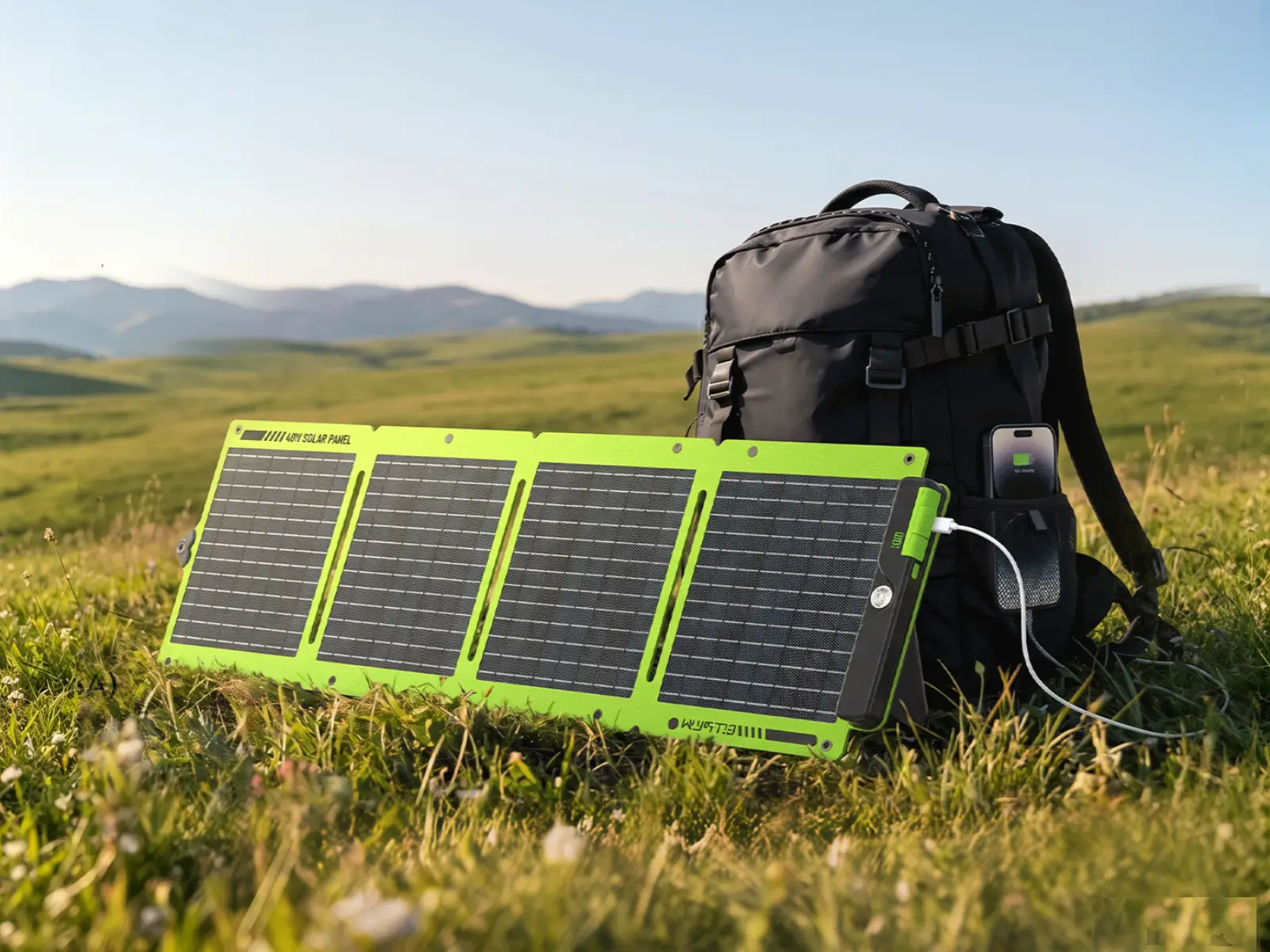
How Portable Solar Panels Benefit Your Camping Trips
Heading out of cities to embrace nature has made camping an increasingly popular way for…

RV Solar Panel Selection Guide: How to Pick the Right Panels for Your RV
Key Takeaways: Ultimate RV Solar Panel Buying Guide Picking RV solar panels isn’t just about…
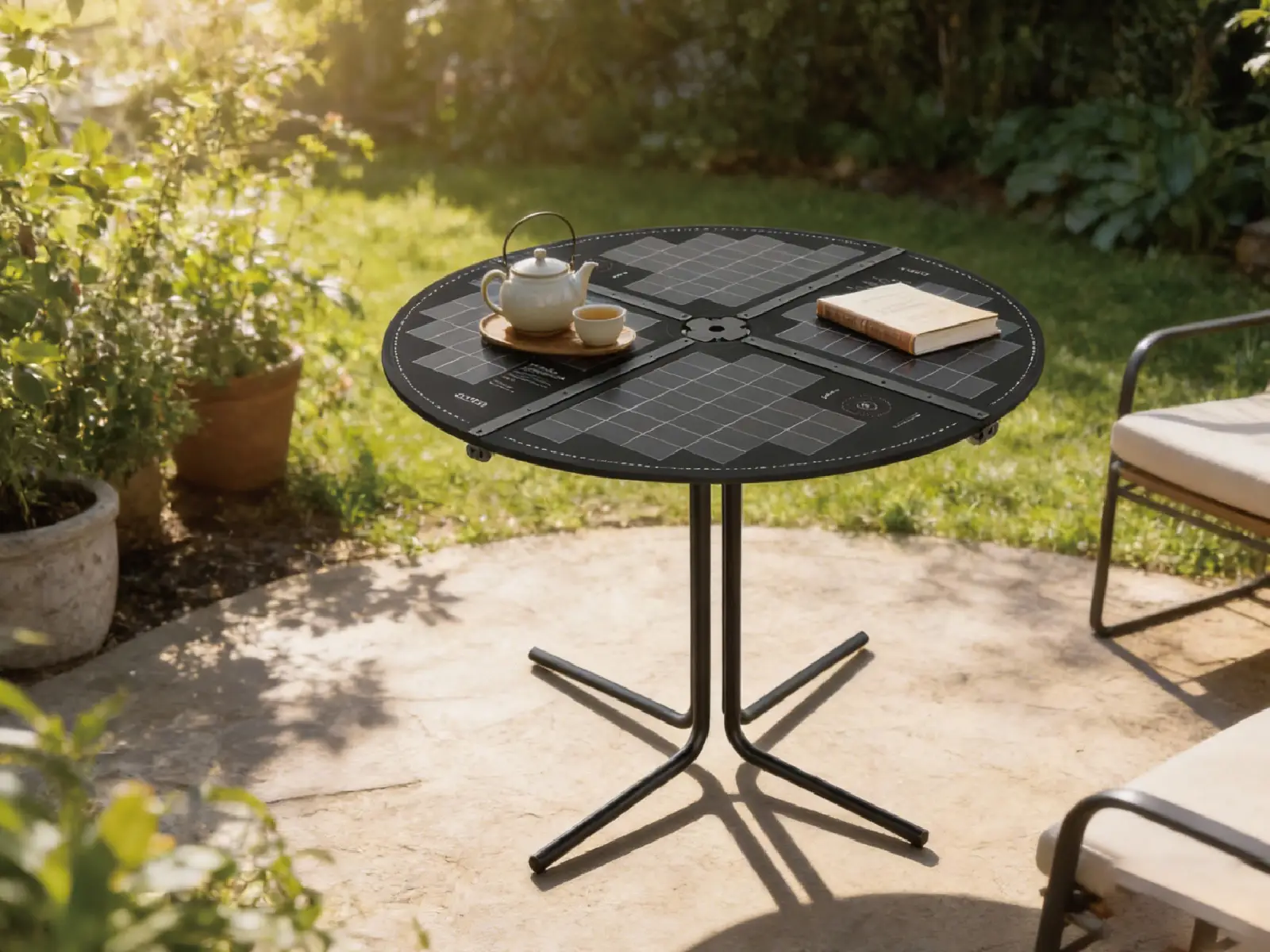
OEM ODM Solar Furniture Table | 25% High Conversion Solar Table for Global Distributors
Introduction: Why This Product Is a Must-Stock Item This Year Anyone in the outdoor energy…



Leave a Reply