

Solar Power Knowledge
How Much Does an RV Solar System Cost in 2026?
 Gaotu Innovation
Article Summary
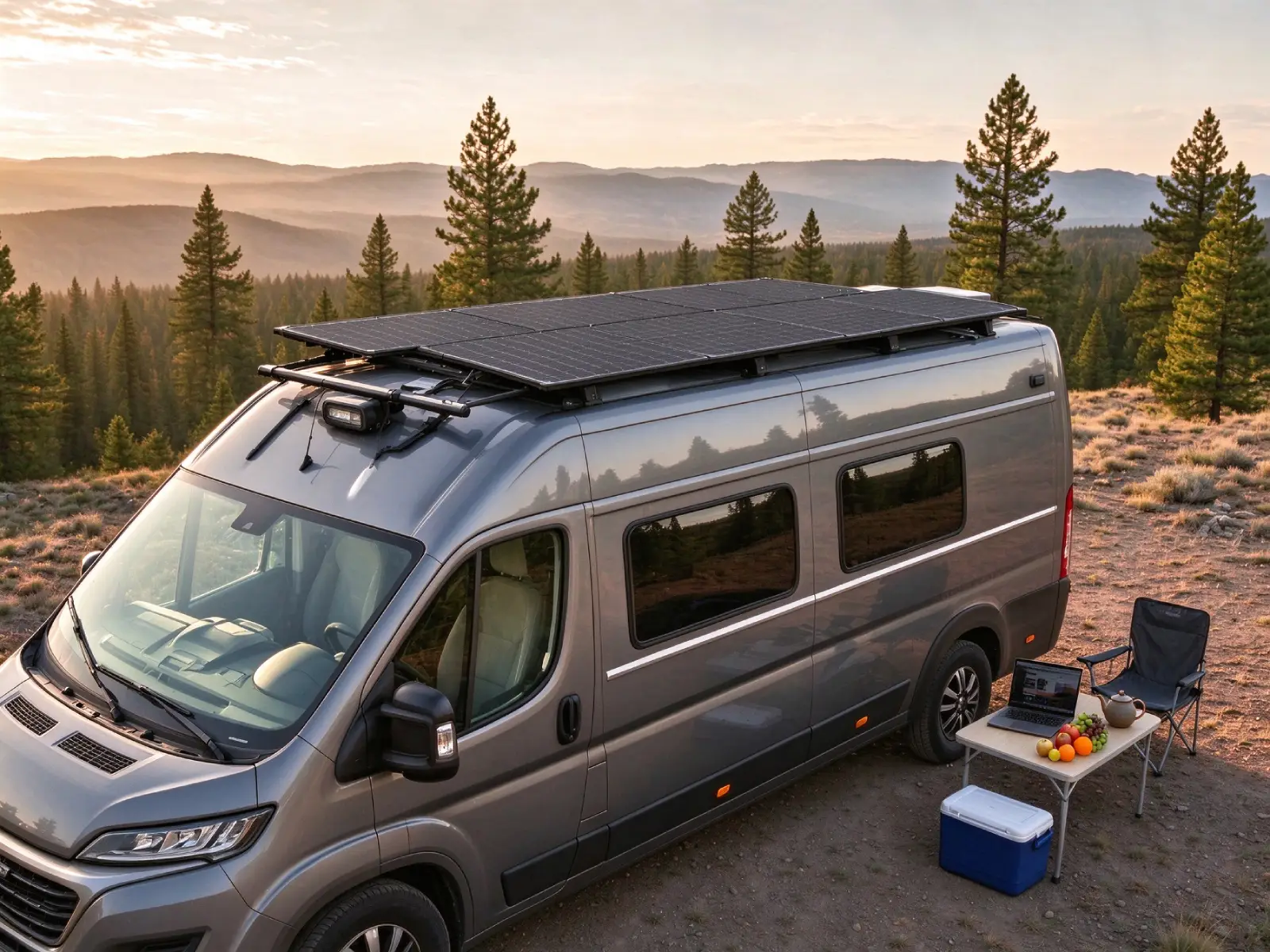
If you’re curious about RV solar system pricing in 2026, this guide breaks down realistic price tiers, core component costs, flexible vs rigid panel differences, DIY and professional installation fees, hidden expenses, and factory sourcing tips for bulk distributors. It helps both RV owners and wholesale buyers avoid common quoting traps and build a budget-matched off-grid solar setup.
Quick Answers
- A 400W DIY RV solar system with LiFePO4 battery usually costs $2,200–$3,800.
- Lithium batteries account for 40–55% of the total system budget.
- Flexible panels cost more per watt but support no-drill installation for curved RV roofs.
- 400W solar is not enough to run an RV air conditioner continuously.
- Bulk buyers can save money by sourcing flexible & foldable solar panels directly from manufacturers like GTPOW.
If you’re planning boondocking trips, building a full-time RV home, or sourcing RV solar kits for your retail brand, one question always comes first: how much does an RV solar system cost in 2026?
Prices swing wildly, and the biggest trap is judging cost only by panel wattage. A 400W RV solar build can cost $1,000 or $4,000, depending on panel type, battery chemistry, inverter quality, installation, and whether you buy retail or source direct from a manufacturer.
This guide covers realistic 2026 price ranges, every cost component, flexible vs rigid panel pricing gaps, DIY vs professional installation, hidden expenses, and what bulk buyers should know when sourcing RV solar panels.
Quick Overview of 2026 RV Solar System Price Tiers
All prices below are DIY part costs before labor, shipping, tax, and customs fees.
| System Tier | Typical Wattage | Best For | 2026 DIY Cost Range |
|---|---|---|---|
| Starter Weekend Kit | 200W | Occasional camping, phone/laptop charging, 12V fridge | $800 – $1,500 |
| Mid-Range Full-Time Boondock | 400–600W | Full-time RV living, fridge, lights, Starlink, small electronics | $2,200 – $4,800 |
| High-Capacity AC-Ready System | 800W+ | Run rooftop AC, induction cooktop, microwave, heavy loads | $6,000 – $11,000+ |
Note: Lithium batteries usually make up 40–55% of your total system budget. Panels are only one piece of the puzzle. Many new RV shoppers underestimate battery and inverter expenses and end up shocked by final quotes.
What Makes Up an RV Solar System Cost?
A complete off-grid RV solar setup is more than just solar panels. Every component moves the final price.
- Solar Panels Two main RV panel types dominate the market in 2026: rigid framed panels and flexible panels.
- Rigid monocrystalline panels: Lowest cost per watt, proven long lifespan. They need mounting brackets, roof reinforcement, and drilling. Great for flat RV roofs and budget-focused builds.
- Flexible solar panels: Higher per-watt price, ultra-light, bendable, adhesive-mounted with no drilling. Perfect for curved RV roofs, low-profile builds, and vans where you want to avoid roof penetrations. GTPOW’s N-type flexible panels deliver 23.5%+ conversion efficiency, IP67 waterproofing, and low-light performance built for RV and marine environments.
Portable foldable solar panels are another popular option. They can be moved to chase sunlight, ideal for shaded campsites and users who don’t want permanent rooftop installation.
- Charge Controller Always choose an MPPT controller for RV systems, not cheap PWM units. MPPT extracts far more power, especially in partial shade. Budget MPPTs start at $80; premium smart models with monitoring run $300–$500.
- Battery Bank Lead-acid batteries are cheaper upfront but short-lived and heavy. Most serious RVers choose LiFePO4 lithium batteries in 2026.
- 100Ah LiFePO4: $300–$900 depending on BMS quality, brand, and cycle rating.
- Larger 300Ah–600Ah banks for AC-ready builds are the single largest line item.
- Pure Sine Wave Inverter You need a pure sine wave inverter to run AC appliances safely. Modified sine wave inverters risk damaging sensitive electronics. 2000W–3000W inverters are standard for mid-range RV builds; 5000W+ inverters are required for AC and heavy cooking loads.
- Wiring, Fuses, Breakers, Cable Glands, Mounting Supplies This is the most common hidden cost. Wiring, MC4 connectors, fuse blocks, roof sealant, adhesive tape, and cable management add 15–25% to your total parts budget. Many cheap online “complete kits” skimp on these critical accessories.
Flexible vs Rigid Solar Panels: Price Difference for RVs
Flexible panels cost more per watt than rigid panels, but they remove extra hardware costs.
- Rigid: Lower panel price, add brackets, mounting hardware, sealant, roof prep labor.
- Flexible: Higher panel unit price, no heavy racking, fast adhesive installation, cleaner roof profile.
For RV distributors and brand buyers, flexible panels are a high-margin SKU for van and curved-roof RV markets, while rigid panels remain the go-to for budget retail kits.
DIY vs Professional Installation Cost
- Full DIY: $0 labor cost. Best for handy RV owners comfortable with 12V/24V DC wiring. It saves thousands but carries fire risk if wiring, fusing, or BMS setup is wrong.
- Partial install: You mount panels; an electrician handles high-current wiring and inverter integration. Typical cost: $300–$800.
- Full professional install: Labor ranges from $600 to $2,500+. Dealership installs often come with the highest markup.
Hidden RV Solar Costs Most Buyers Miss
These are the items that blow your budget if you only compare panel prices:
- Roof repair, reinforcement, or sealing work before mounting
- Battery monitor, shunt, and Bluetooth monitoring systems
- Soft starter for RV air conditioners (critical to avoid inverter tripping on startup surge)
- Shipping, freight, import duties, and customs (especially for bulk orders from overseas manufacturers)
- Replacement costs: cheap panels or off-brand batteries fail early and cost you more long-term
Cost for Bulk Buyers & RV Distributors (OEM / ODM Perspective)
If you are an RV converter, outdoor gear retailer, e-commerce seller, or brand owner, pricing works differently from retail consumer kits. Direct factory sourcing reduces per-unit cost dramatically. GTPOW, as a flexible and foldable solar manufacturer with 18 years of PV experience, supports private label, custom panel sizes, customized cable lengths, packaging adjustments, and flexible MOQs for RV solar lines.
- Bulk flexible panel pricing depends on order volume, certification requirements (UL, CE, FCC, RoHS), and custom modifications.
- Lead time for standard models is fast; custom ODM designs with new tooling require longer lead times and separate prototyping costs.
- Multiple overseas warehouses help North American and European buyers cut shipping lead times and avoid high air freight bills.
For distributors, always ask your supplier for a full BOM quote, not just panel pricing. Confirm whether cables, MC4 connectors, warranty documents, and certification files are included.
How to Budget Smart for Your RV Solar Build
- Calculate your daily watt-hour consumption first, instead of buying the biggest panel array you can afford. Over-sizing wastes money.
- Prioritize lithium if you plan to live full-time off-grid; lead-acid is only suitable for very light weekend use.
- If you have a curved roof or want zero-drill installation, budget for flexible panels.
- Set aside 20% extra for wiring, fuses, monitoring, and unexpected roof work.
- Compare complete kit quotes line by line: separate panel, battery, controller, and labor costs.
Frequently Asked Questions
Q: How much does a 400W RV solar system cost in 2026?
A: A typical 400W DIY RV solar system with LiFePO4 battery and MPPT controller runs $2,200–$3,800. Flexible panel versions sit at the higher end of that range.
Q: Can a 400W RV solar system run an RV air conditioner?
A: Not reliably for long daily use. A 400W array can only run an AC briefly during peak sun hours. For sustained AC use, plan for 800W+ solar paired with a large lithium battery bank and soft starter.
Q: Are flexible RV solar panels worth the extra cost?
A: Yes if you have a curved roof, want a low-profile setup, or cannot drill into your RV roof. They are lightweight, easy to install, and perform well in RV environments when built with high-grade ETFE material.
Q: Is it cheaper to source RV solar panels direct from a factory?
A: Yes for bulk buyers and brands. Factory direct removes retail middleman markup, and OEM/ODM options let you build kits tailored to your local market.
Final Thoughts
RV solar pricing in 2026 is not one-size-fits-all. A weekend camper can get set up affordably with a small starter kit, while full-time boondockers and AC users need a much larger budget. The biggest win is to build around your actual power needs, not marketing wattage claims.
Whether you are an RV owner planning your own off-grid build, or a distributor looking for reliable flexible and foldable RV solar panels for your product line, Gaotu Innovation delivers high-efficiency, certified solar solutions for RV, marine and camping applications.
Ready to get a tailored quote for your RV solar project or bulk OEM order? Contact our engineering team today.
Related Posts
Shipping and Lead Times for Wholesale Solar Panels from China
Core Summary Most buyers focus on the panel price and forget about the clock. But…
How to Order OEM & ODM Portable Solar Panels: Complete Sourcing Checklist
Executive Summary: Sourcing off‑grid solar products involves far more than just solar cell efficiency. For…

Solar Panel Wholesale Supplier Guide: How to Source Bulk Supply Direct from a Factory
If you are looking for a solar panel wholesale supplier and want to cut out…

Leave a Reply