

Solar Power Knowledge
How Do Solar Panels Affect Your Electric Bill
 gaotu
gaotuIf you’re a homeowner or renter looking to cut down your monthly household bills, solar panels are one of the smartest, most budget-friendly long-term choices you can make. Simply put, solar panels turn sunlight into free electricity right at your home, so you don’t need to buy as much power from your local electric company. Unlike quick, temporary energy-saving tricks, solar power keeps saving you money year after year. That said, how much you save depends on a few things: the size of your solar system, how sunny your area is, how much electricity you use daily, and your local utility rules. Knowing how solar power impacts your bill helps you plan your monthly expenses better and get the most savings over time.
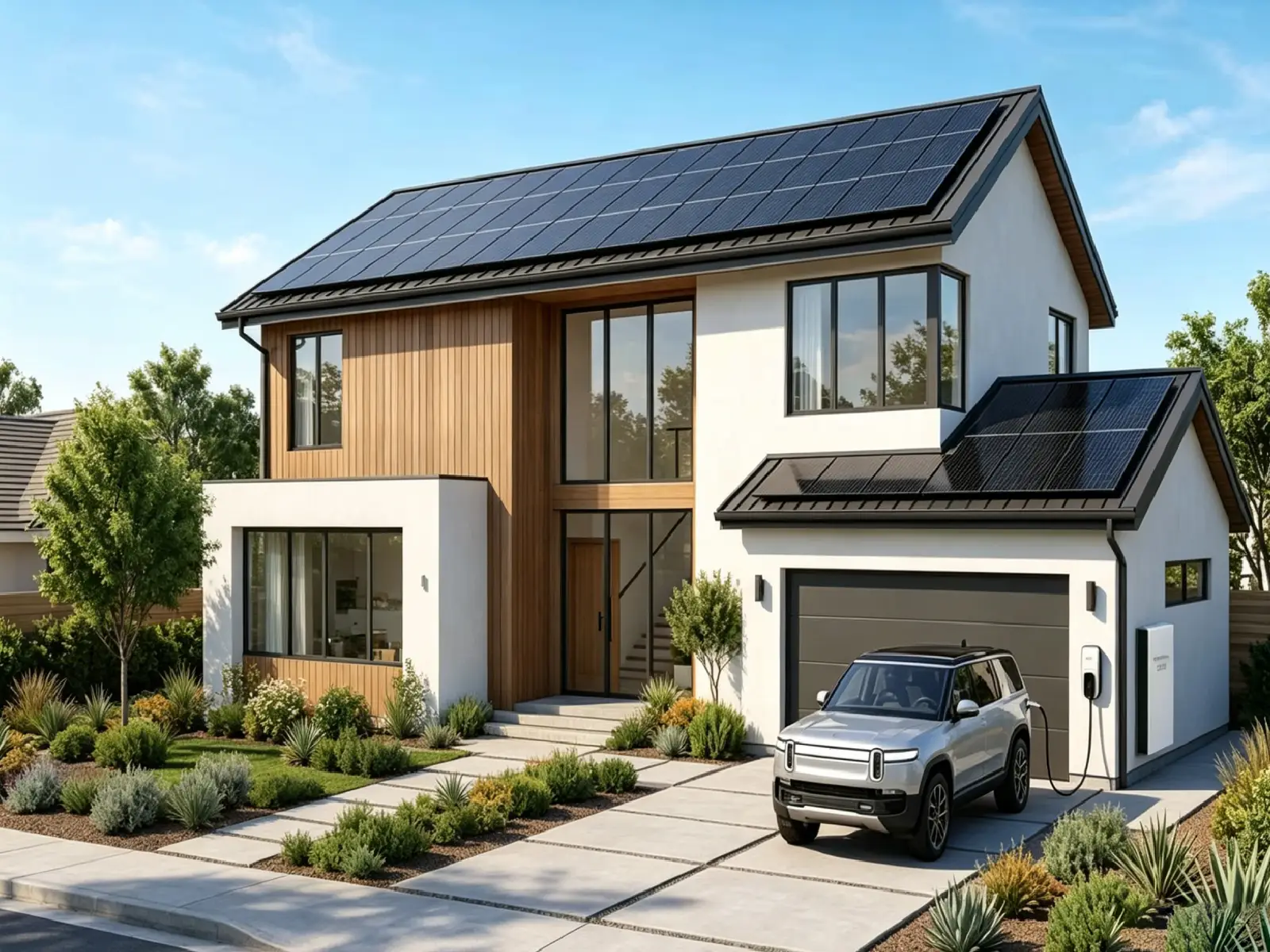
On-Site Solar Power: The Main Reason Your Bill Goes Down
The biggest advantage of solar panels is that they let you power your home with your own free solar energy. Whenever the sun is out, your solar system generates clean electricity to run your lights, fridge, air conditioner, kitchen gadgets, phones, and all your home devices. Instead of pulling every bit of power from the grid, you use the electricity your panels make first.
The more power your solar panels produce, the less grid electricity you’ll need to buy. Electric companies charge you based on how many kilowatt-hours (kWh) you use each month from the grid. So cutting down your grid use directly lowers your monthly electricity charges. With a well-sized solar setup, you can barely use any grid power on bright, sunny days — which means instant, noticeable savings on your bill.
Net Metering: Turn Extra Solar Power Into Bill Credits
On bright sunny days, your solar panels often make more electricity than your home is actually using. The good news is that extra power doesn’t go to waste. It flows back into the public electric grid through a special bidirectional meter. Most areas offer a net metering program that lets you get rewarded for this surplus energy.
Your electric company tracks all the extra power you send back to the grid and adds free energy credits to your account. Think of these credits as electricity savings you can use later. At night, on cloudy or rainy days, and during short, dark winter days, your solar panels won’t produce much (or any) power. During these times, you’ll draw electricity from the grid again, and your saved credits will automatically cover part of your bill.
If you live in a sunny area and have a properly sized solar system, these credits can cover almost all your regular electricity costs throughout the year, drastically lowering your monthly bill.
The Fixed Fees You’ll Still Have to Pay
While solar power slashes your main electricity usage costs, it can’t get rid of every single charge on your bill. Nearly all electric companies charge small mandatory fixed fees for staying connected to the grid. These fees cover grid maintenance, public power infrastructure, operational costs, and basic administrative services.
No matter how much solar power you generate or how little grid energy you use, these connection fees apply every month. They keep your home linked to the public power grid, so you always have backup electricity when your solar panels aren’t producing enough power. For this reason, a true zero-dollar electric bill is almost impossible for solar users.
How Seasonal Weather Changes Impact Your Savings
Your solar-powered electric bill won’t be the same all year round, thanks to changing weather and sunlight levels. In spring and summer, longer days and stronger sunlight let your solar panels work at their best. You’ll often make way more power than you use, stacking up plenty of net metering credits and keeping your monthly bill super low.
In fall and winter, however, days get shorter, the sun sits lower in the sky, and cloudy or snowy weather is common. All of this drops your solar energy production significantly. At the same time, you’ll likely use more electricity for heating and indoor lighting. This means you’ll rely more on grid power and slowly burn through your saved credits. Once your credits run out, you’ll have to pay for extra grid electricity, leading to slightly higher bills in colder months.
Small vs. Large Systems
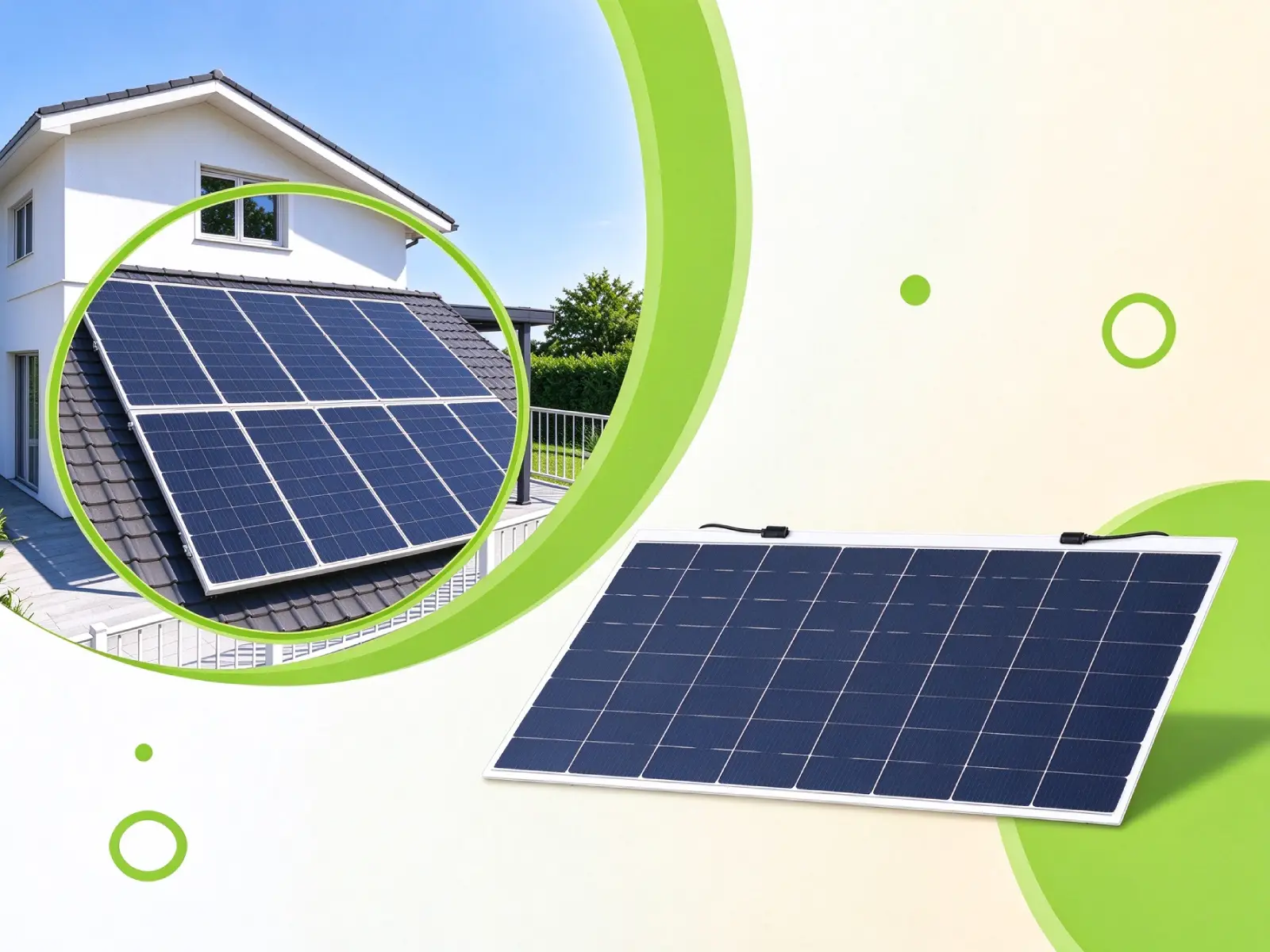
How much money you save also depends on what kind of solar setup you have. Full-size rooftop solar systems are built to match most homes’ total energy needs. When sized correctly, they can cover nearly all your yearly electricity usage, deliver huge long-term savings, and keep your monthly energy costs stable.
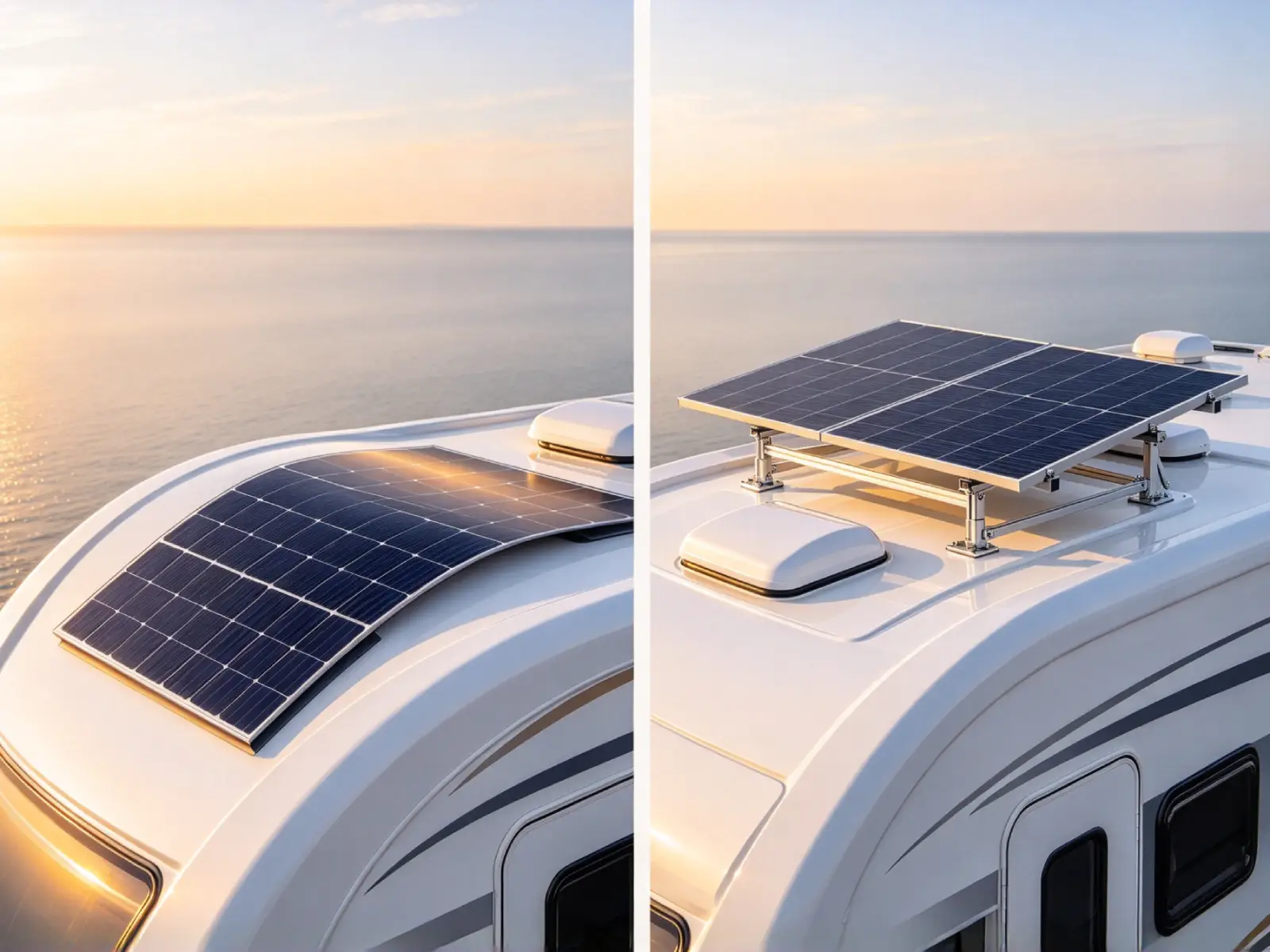
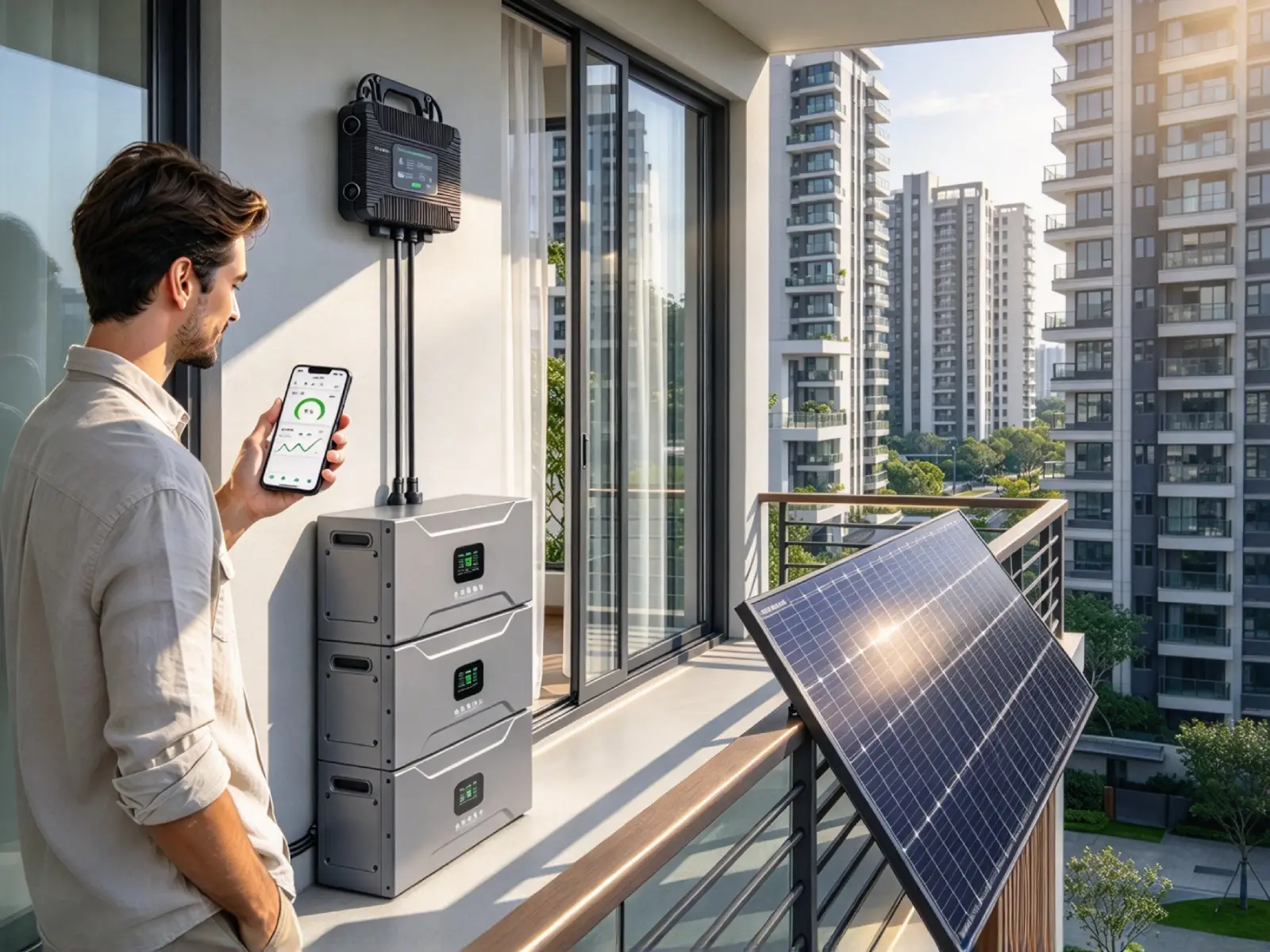
On the other hand, smaller options like balcony solar kits, portable foldable panels, and RV solar setups only cover part of your electricity needs. These compact systems are perfect for renters or temporary use and can’t fully replace grid power. Even so, they easily cut down your monthly bill by covering the energy use of your basic home appliances and small electronics.
Solar’s Long-Term Effect on Your Bills
To sum it up, solar panels save you serious money long-term by replacing expensive grid electricity with free sunlight-powered energy. Combined with net metering, the extra power you make on sunny days turns into credits to cover your electricity use at night, on gloomy days, and during low-sunlight seasons. While mandatory grid fees and seasonal sunlight changes mean you won’t get a completely free electric bill, solar power is still one of the most reliable ways to lower and stabilize your household energy costs. Best of all, your savings will only grow over time as traditional electricity prices keep going up every year.
Related Posts
Can You Put Solar Panels on Apartment Balcony Without Drilling?
1. Why Traditional Solar Panels Fail for Apartment Renters Many apartment renters and urban dwellers…
Best Portable Solar Panels Wholesalers
Introduction As the global market for off-grid power, RV camping, outdoor energy storage, and emergency…
Solar Panel Quotation Requirements: From Inquiry to Quote
Why Every Specification Impacts Solar Panel Quotations Your initial inquiry does not need to be…
Leave a Reply