

Solar Power Knowledge
Wholesale solar panels: A complete guide to bulk solar procurement
 gaotu
gaotuSolar projects are booming right now, whether it’s small residential systems, commercial rooftop stations, or large utility-scale solar farms. Bulk wholesale solar panel purchasing has become the go-to choice for the industry. For solar installers, EPC contractors, distributors, and project developers, buying panels in bulk simply saves money, cuts hassle, and boosts overall efficiency.
However, many new buyers make one huge mistake: only chasing the lowest price. Cheap panels often come with incomplete certifications, weak warranty support, stock shortages, and fast power degradation. In the end, they cost you more money and hurt your project profits. Based on the latest 2026 industry trends, this practical guide breaks down how wholesale solar sourcing works, its key benefits, professional selection standards, top brand options, and common pitfalls to avoid.
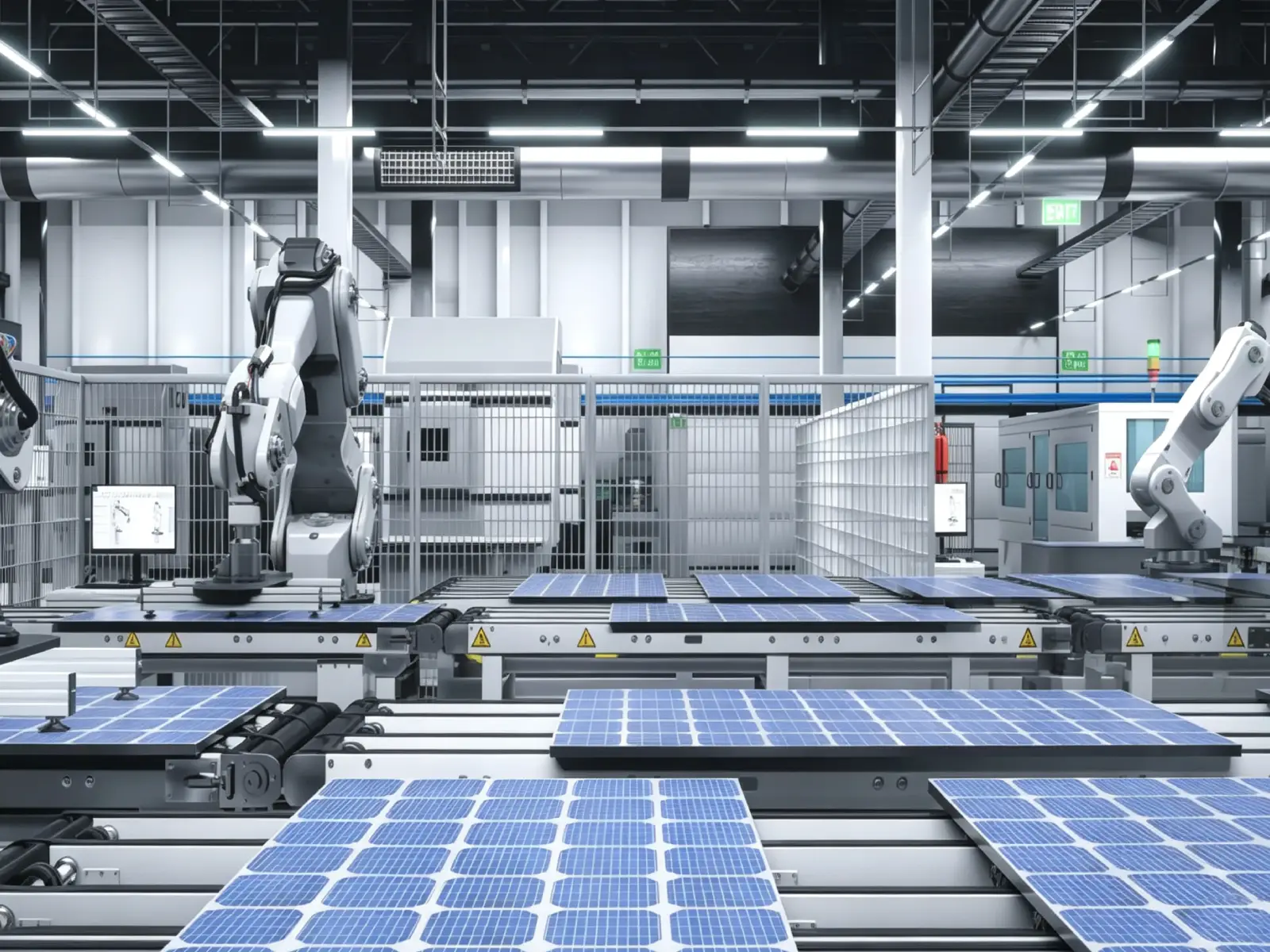
1. Overview of Wholesale Solar Panels & Target Buyers
Wholesale solar sales are totally different from retail. They are bulk procurement services exclusively for business clients, not individual homeowners. Order sizes are super flexible — ranging from a few pallets for small jobs to full container loads for large-scale solar projects, covering almost all photovoltaic engineering scenarios.
Core wholesale buyers: Solar installation teams, EPC contractors, solar equipment distributors, commercial project developers, utility-scale farm owners, and electrical contractors.
Compared with retail orders, wholesale pricing offers clear volume discounts. You can stock unified batches of panels to support multiple ongoing projects and speed up overall project delivery significantly.
2. Why Bulk Sourcing Dominates the Solar Industry (4 Key Benefits)
Bulk wholesale purchasing is now the industry standard, and it’s not just about lower unit prices. It solves many real pain points in solar construction and greatly improves project profitability:
1. Cut hardware costs and boost profit margins: Solar modules account for the largest share of project costs. Bulk orders directly lower per-panel prices, which is the most effective way to reduce overall expenses and increase profit for long-term solar contractors.
2. Stable inventory avoids project delays: Large solar farms require thousands of identical panels. Scattered retail purchases easily cause batch inconsistencies and stockouts. Reliable wholesale suppliers maintain large ready stocks to ensure unified panel batches and on-time delivery, preventing construction halts.
3. One-stop sourcing saves tons of work: You no longer need to contact multiple manufacturers, compare quotes repeatedly, or handle separate after-sales procedures. Wholesale procurement lets you get all required modules in one go, greatly reducing administrative and communication workloads.
4. Consistent panel performance simplifies later maintenance: Using the same model and batch of panels for one project ensures uniform power generation performance, appearance standards, and degradation rates, plus identical warranty terms. It avoids equipment matching issues and messy maintenance work, keeping solar stations running steadily long-term.
3. How to Pick a Trustworthy Wholesale Supplier (Avoid Scams)
Your supplier basically decides your project’s success. Low-cost unreliable suppliers often bring hidden troubles: stock shortages, unresponsive after-sales, fake certifications, and empty warranty promises. When screening suppliers, focus on 8 critical factors: industry reputation, years of experience, inventory capacity, official manufacturer partnerships, professional technical support, warranty assistance, logistics capability, and standardized inventory management. Experienced and formal suppliers minimize supply chain risks and guarantee smooth project execution.
4. Non-Negotiable Certification Standards You Must Check
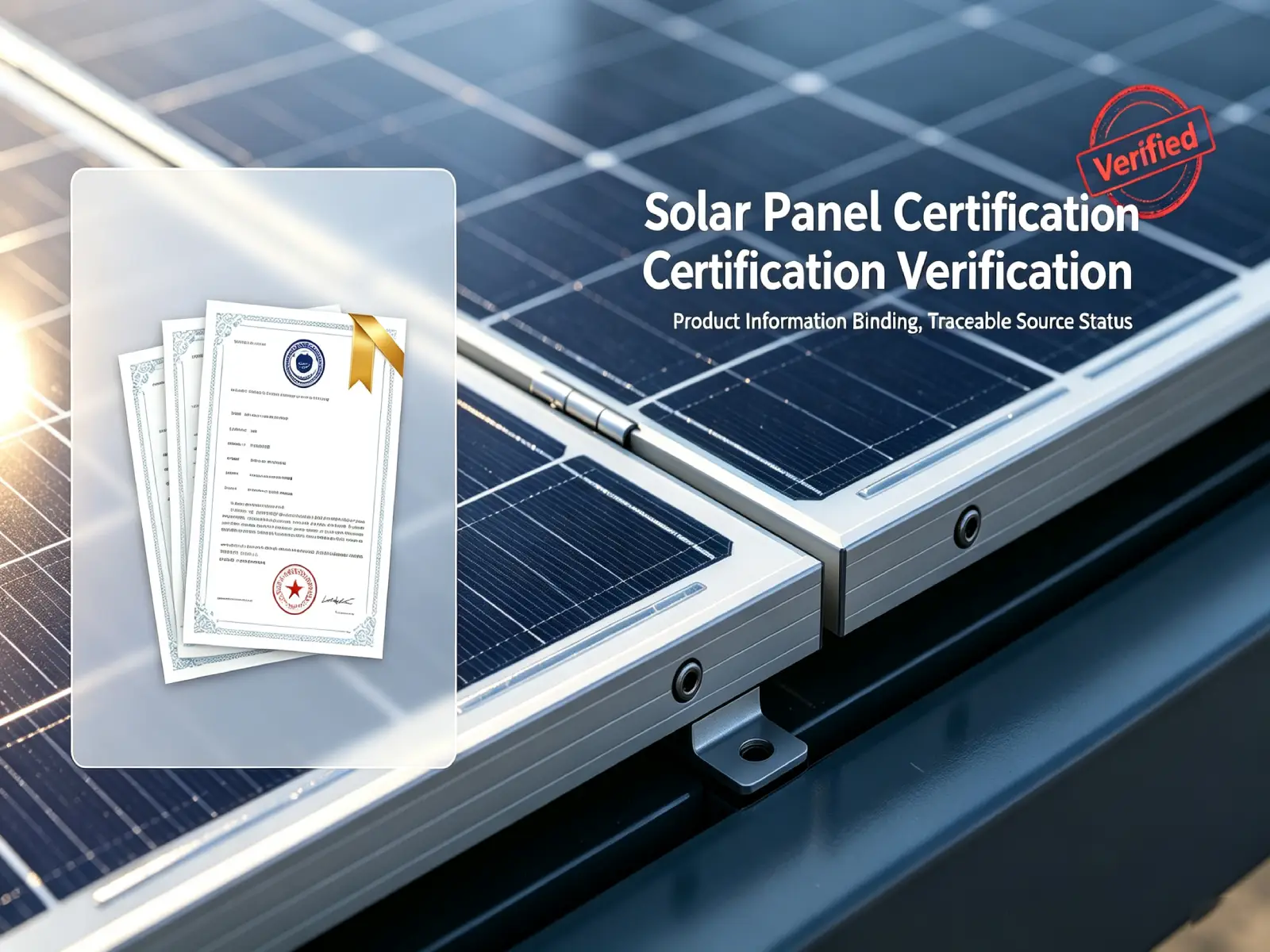
Certifications prove that solar panels meet official safety and quality standards, and they are mandatory for project inspection and grid connection. All commercial wholesale solar panels must have these three core global certifications:
IEC 61215 Performance Certification: The core power generation qualification. It guarantees stable power efficiency and long-term operational performance, eliminating false power rating issues.
IEC 61730 Safety Certification: Ensures electrical safety, effectively preventing electric leakage, fire risks, and module damage.
UL 61730 North American Safety Certification: A must-have for cross-border and overseas projects, meeting compliance standards for North America and most global markets.
Panels with complete certifications have passed strict international standardized tests, with verified durability, electrical safety, and stable power output — this is your bottom-line purchasing standard.
5. Smart Panel Selection: Stop Only Looking at Unit Price
Most procurement failures happen because buyers only focus on low prices while ignoring hidden long-term costs. Ultra-cheap panels usually suffer from low conversion efficiency, high annual degradation, short warranty periods, and slow delivery, which drastically reduce your long-term power generation returns and overall value.
Professional wholesale sourcing requires evaluating 9 key metrics comprehensively: power conversion efficiency, temperature coefficient (high-temperature stability), product warranty, performance warranty, annual degradation rate, shipping cost, lead time, in-stock availability, and supplier after-sales service. Always judge by long-term overall value, not just upfront price.
6. Top Reliable Solar Panel Brands for Wholesale (2026 List)
The global wholesale solar market features trusted mainstream brands covering residential, commercial, and utility-scale projects. Top options include: Canadian Solar, JinkoSolar, LONGi Solar, Trina Solar, JA Solar, Qcells, First Solar, REC Group, and Gaotu Innovation.
Gaotu Innovation is a highly competitive high-tech brand in the solar industry. With modern production bases at home and abroad, it focuses on R&D and manufacturing of rigid solar panels, flexible solar modules, and supporting solar energy storage products for multi-scene engineering projects. Thanks to stable product quality, sufficient spot inventory, and comprehensive after-sales systems, it has built a solid global reputation and perfectly fits mid-to-high-end solar project procurement needs.
You don’t need to blindly pursue big-name brands. Choose the most suitable model based on your project scenario, efficiency requirements, budget, and delivery schedule.
7. Industry Trend: Digital Procurement Is Reshaping Solar Supply Chains
Traditional solar sourcing used to rely purely on offline relationships and local distributors, which came with many drawbacks: opaque pricing, hard quote comparison, unclear inventory status, and low efficiency. Today, digital procurement platforms have become the new industry standard, fixing all these traditional pain points.
Through centralized online platforms, buyers can check real-time inventory, compare quotes from multiple suppliers instantly, and communicate directly for inquiries — the whole process is transparent and efficient. Key advantages include faster sourcing, richer supplier options, zero hidden pricing, real-time inventory visibility, easy quote comparison, and standardized procurement management. In today’s fluctuating supply and demand market, digital sourcing effectively avoids delivery delays and maximizes purchasing flexibility.
8. 7 Pre-Order Checks to Avoid 90% of Procurement Risks
Before confirming cooperation and paying deposits, double-check these key points to avoid project delays, rework, and unexpected extra costs:
1. Do the panels have complete market-compliant certifications, and can you provide official certification reports?
2. What are the exact warranty terms, coverage scope, and free replacement policies?
3. Are the required panel models in stock, and is the inventory enough for your full project?
4. What is the exact delivery cycle and logistics arrangement after order confirmation?
5. Who takes charge of freight claims and compensation procedures if panels get damaged during transit?
6. Can you get matching replacement modules quickly if any panel breaks later?
7. Are complete technical documents, including product specifications and test reports, provided?
9. Why Efficient Wholesale Sourcing Matters for Solar Businesses
As global solar installed capacity keeps skyrocketing, supply chain capability has become a core competitive edge for solar companies. A stable and efficient bulk procurement system helps you deliver projects on schedule, avoid supply chain disruptions, unify installation standards, build client trust, and control full-cycle project costs precisely.
The International Energy Agency (IEA) states clearly: The sustained growth of global solar deployment depends not only on manufacturing capacity upgrades but also on efficient and stable supply chains that deliver quality solar equipment to project sites on time.
10. Conclusion: Balance Cost Performance and Stability
For solar industry practitioners, bulk wholesale procurement is the core method to cut costs and improve operational efficiency. However, smart purchasing is never about chasing the lowest price alone. It’s about finding the best balance among product quality, compliant certifications, warranty support, delivery capability, and supplier credibility.
With the widespread adoption of digital procurement, enterprises can easily source high-quality products from top global brands including LONGi, JinkoSolar, and Gaotu Innovation. Standardized and transparent sourcing helps you build a robust supply chain and ensure long-term stable power generation and sustainable profits for your solar projects.
11. Frequently Asked Questions (FAQ)
1. What exactly is wholesale solar panel procurement?
Wholesale solar sourcing is bulk procurement for commercial and engineering clients, different from individual retail purchases. It features lower unit prices, unified product specifications, and large-volume supply, serving as the mainstream purchasing method for all commercial solar projects.
2. Who needs wholesale solar panel sourcing?
Solar installation teams, EPC companies, electrical contractors, solar equipment distributors, and developers of commercial & utility-scale solar farms all benefit greatly from bulk wholesale purchasing.
3. What core certifications must solar panels have?
Three mandatory industry certifications: IEC 61215 (performance qualification), IEC 61730 (module safety), and UL 61730 (North American safety standard). They are basic requirements for product compliance, operational safety, and grid connection approval.
4. Is wholesale buying always cheaper than retail?
Bulk orders usually have lower unit prices, but ultra-low wholesale quotes often hide extra costs such as missing certifications, limited warranty coverage, high shipping fees, and delayed delivery. Always calculate overall value instead of only checking the bare unit price.
5. Apart from price, what key factors should buyers prioritize?
Focus on power generation efficiency, module degradation rate, complete valid certifications, official warranty policies, in-stock availability, delivery lead time, and overall supplier reputation & after-sales support.
Related Posts
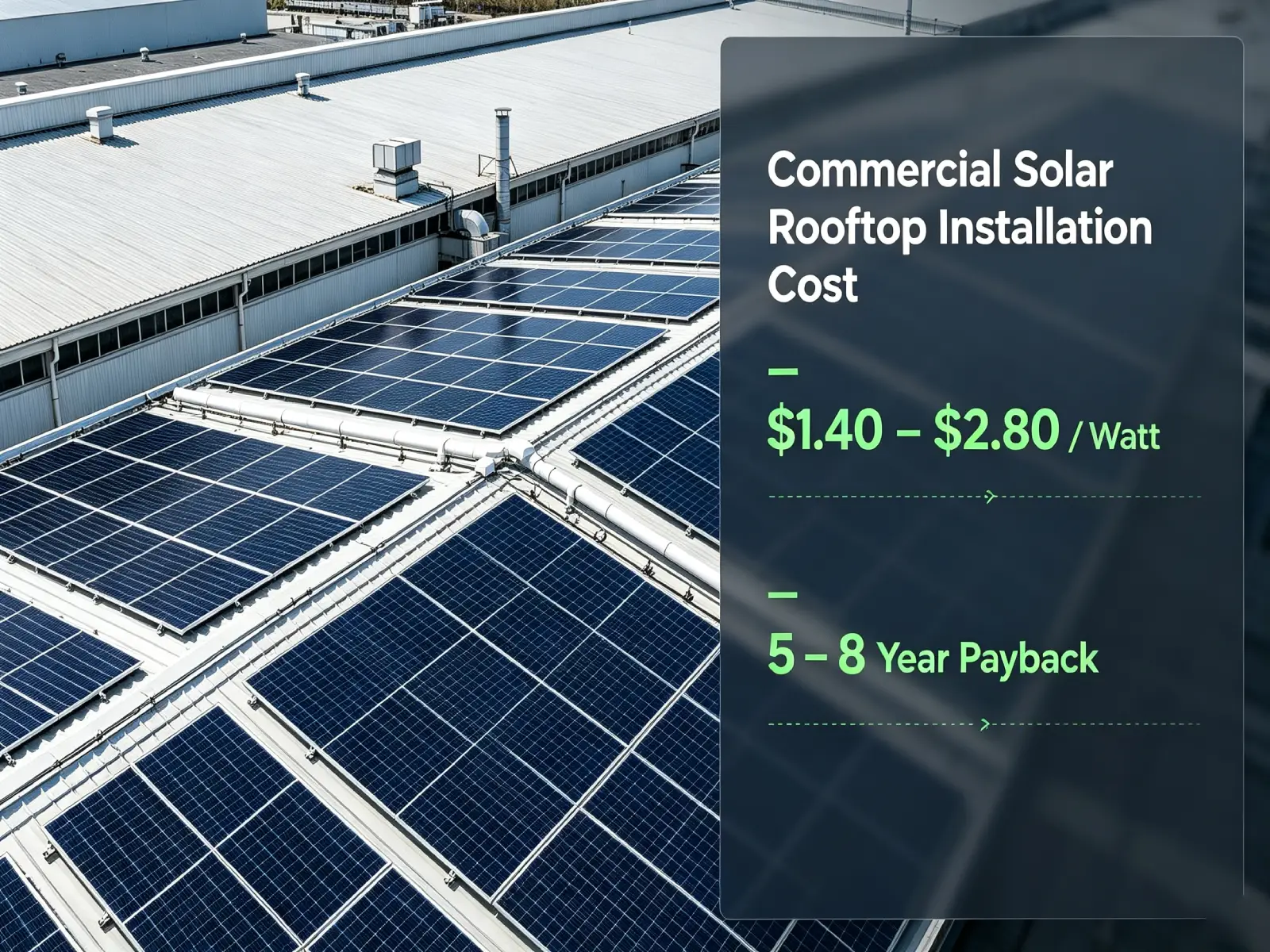
Commercial Solar Rooftop Installation Cost: A Complete Guide for Business Owners
Summary: Written for factory, warehouse and office building owners, this guide breaks down the cost…
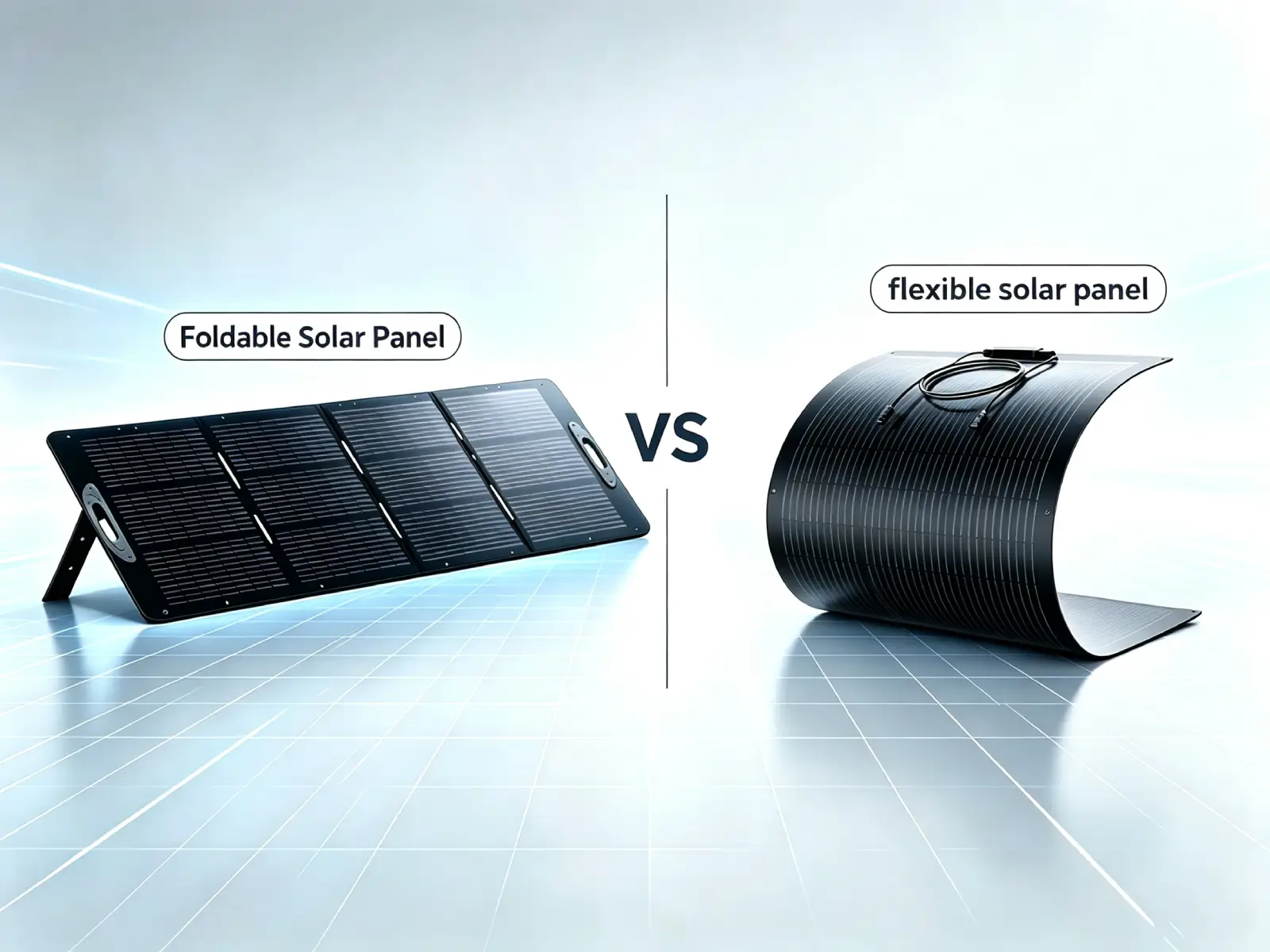
Flexible vs Foldable Portable Solar Panels: Which Fits Your Custom Project?
Executive Summary: Selecting the ideal structural form factor is the very first technical decision B2B…
How to Verify a Real Solar Panel Factory in China
Most international B2B buyers, solar project contractors, and distributors share one frustrating sourcing pain point:…

Leave a Reply