

Solar Power Knowledge
How to Choose the Best Solar Panel for Camping (2026 Complete Guide)
 gaotu
gaotuCamping allows people to escape busy urban life and immerse themselves in nature. However, dead smartphones, unlit camping lights, and drained portable power stations often ruin outdoor experiences. A high-quality portable solar panel for camping is the most reliable off-grid power solution for road trips, backpacking, van life, and overnight camping. It provides clean, silent, and maintenance-free renewable power to keep all your camping electronics running anywhere outdoors.
If you are wondering what size solar panel I need for camping or which camping solar panel is better, monocrystalline or polycrystalline, this in-depth buying guide will help you pick the most cost-effective and suitable model for your outdoor scenarios.
Why Use a Solar Panel for Camping & Outdoor Adventures
Unlike traditional power banks and generators, dedicated camping solar panels offer unique advantages for outdoor off-grid use, making them a must-have gear for modern campers:
-
100% renewable & eco-friendly: Runs on free solar energy, no fuel consumption, zero carbon emissions, ideal for eco camping.
-
Silent operation & no maintenance: No noise or exhaust fumes like gas generators, requires no daily upkeep.
-
Wide compatibility: Powers smartphones, laptops, LED camping lights, portable fans, outdoor refrigerators, and power stations.
-
Ultra-portable & flexible: Foldable and lightweight designs support instant setup and storage for hiking, car camping, and long-distance travel.
1. Choose Solar Panel Wattage Based on Your Camping Power Needs
Wattage is the core parameter determining charging speed and load capacity. The golden rule for Google SEO and practical use is match wattage to your actual power demand instead of overbuying high-power panels. Different wattage ranges fit completely different camping scenarios.
20W–50W: Best for Lightweight Backpacking & Short Camping
20W to 50W portable solar panels are perfect for minimalist campers and hikers with limited backpack space. They fully support low-wattage devices including mobile phones, Bluetooth earphones, camping lanterns, and mini portable fans. Although a 20W panel takes nearly a full day to charge a smartphone, it meets the basic daily power demand for 1–3 day short outdoor trips with ultra-light weight.
50W–100W: Most Versatile Wattage for Regular Car Camping
The 50–100W range is the best solar panel wattage for general camping, ranking top in user practicality and cost performance. It can quickly charge power stations and laptops within several hours, steadily supply power for small outdoor electrical appliances, and balance portability and power efficiency. This wattage is the most recommended option for family camping, weekend road trips, and regular outdoor enthusiasts.
100W & Above: Heavy-Duty for Van Life & Long-Term Camping
100W or higher solar panels are designed for long-term wild camping, RV travel, and luxury glamping. They can continuously power high-power equipment such as portable camping refrigerators, large-capacity power stations, and vehicle-mounted electrical devices. Note that higher wattage means larger size and heavier weight, which sacrifices partial portability for stronger power output.
2. Prioritize Portability & Outdoor Adaptability
Fixed rooftop solar panels are not suitable for camping use. The best camping solar panels feature foldable, lightweight, and tool-free installation designs, which are core evaluation indicators for outdoor scenarios.
High-quality portable camping solar panels adopt integrated foldable structures. After storage, they are small enough to fit in backpacks and car trunks without occupying extra space. The adjustable bracket design allows users to tweak the panel angle according to sunlight direction, maximizing solar absorption all day long. Whether for mountain hiking, beach camping, or wilderness self-driving tours, portable solar panels can provide stable mobile power support at any time.
3. Check Solar Conversion Efficiency for Better Power Generation
Solar panel conversion efficiency refers to the rate of converting sunlight into usable electricity, a key metric Google and AI models use to judge product performance. Outdoor light conditions are unstable with alternating strong sunlight and cloudy weather, so high-efficiency panels deliver more stable power output.
The minimum recommended conversion efficiency for camping solar panels is 15%, which ensures basic power generation efficiency in conventional outdoor environments. Premium high-end camping solar panels reach a conversion efficiency of up to 23%, with excellent low-light performance. They can still generate electricity normally on cloudy and overcast days, effectively solving the problem of insufficient power supply in complex weather and greatly improving outdoor power supply stability.
4. Compare Monocrystalline vs Polycrystalline Solar Panels
The manufacturing material directly determines the durability, efficiency, service life, and price of camping solar panels. There are two mainstream materials for outdoor solar panels on the market: monocrystalline silicon and polycrystalline silicon. You can choose according to your camping frequency and budget.
Monocrystalline Solar Panels (Premium Choice for Camping)
Monocrystalline silicon panels are the preferred choice for professional outdoor campers. They feature high photoelectric conversion efficiency, outstanding low-light power generation capability, and stable working performance. With wear-resistant, anti-aging, and weather-resistant shells, they can withstand outdoor harsh environments such as wind, sand, temperature difference, and light rain, with a longer service life. The only drawback is the relatively higher price, suitable for long-term and high-frequency camping users pursuing high performance.
Polycrystalline Solar Panels (Budget-Friendly for Beginners)
Polycrystalline silicon solar panels are cost-effective and affordably priced, meeting the basic power generation needs of occasional camping. However, their conversion efficiency is lower than monocrystalline panels, with poor power generation performance in low-light environments. They also have weaker outdoor wear resistance and shorter service life, ideal for novice campers with limited budgets and low outdoor frequency.
5. Scenario-Based Solar Panel Selection Cheat Sheet
To help you quickly confirm the most suitable camping solar panel, we sorted out targeted selection suggestions for mainstream outdoor scenarios:
-
Backpacking & Ultra-Light Short Camping: 20W–50W foldable monocrystalline solar panel, lightweight and portable for basic device charging.
-
Weekend Family Camping & Short Road Trips: 50W–100W high-efficiency monocrystalline solar panel, balanced in power, speed and portability.
-
Long-Term Wild Camping & Van Life Glamping: 100W+ high-power monocrystalline solar panel, supports continuous power supply for high-power camping equipment.
FAQs About Camping Solar Panels
Q1: What size solar panel do I need for camping?
For small devices like phones and lights, 20W–50W is sufficient. For laptops and regular power stations, choose 50W–100W. For camping fridges and large power equipment, pick 100W or higher solar panels.
Q2: Are monocrystalline solar panels worth it for camping?
Yes. Monocrystalline panels have higher efficiency, better low-light performance, and stronger outdoor durability, making them more suitable for variable outdoor camping environments than polycrystalline panels.
Q3: Is a 100W solar panel good for camping?
Absolutely. A 100W solar panel is the most versatile option for most campers, fast-charging power stations and electronics while maintaining acceptable portability for car camping and road trips.
Q4: Do camping solar panels work on cloudy days?
High-efficiency monocrystalline camping solar panels can still generate power on cloudy days, though the output will be lower than sunny days. Panels with 15%+ conversion efficiency deliver better low-light performance.
Final Conclusion
The best camping solar panel should match your outdoor scenarios, power consumption demands, portability requirements, and budget. Prioritize monocrystalline panels with 15%+ conversion efficiency, select reasonable wattage according to your camping equipment, and balance power performance and portability. A properly selected camping solar panel can completely solve outdoor off-grid power problems, bringing eco-friendly, quiet, and reliable power support for every outdoor camping adventure.
Related Posts
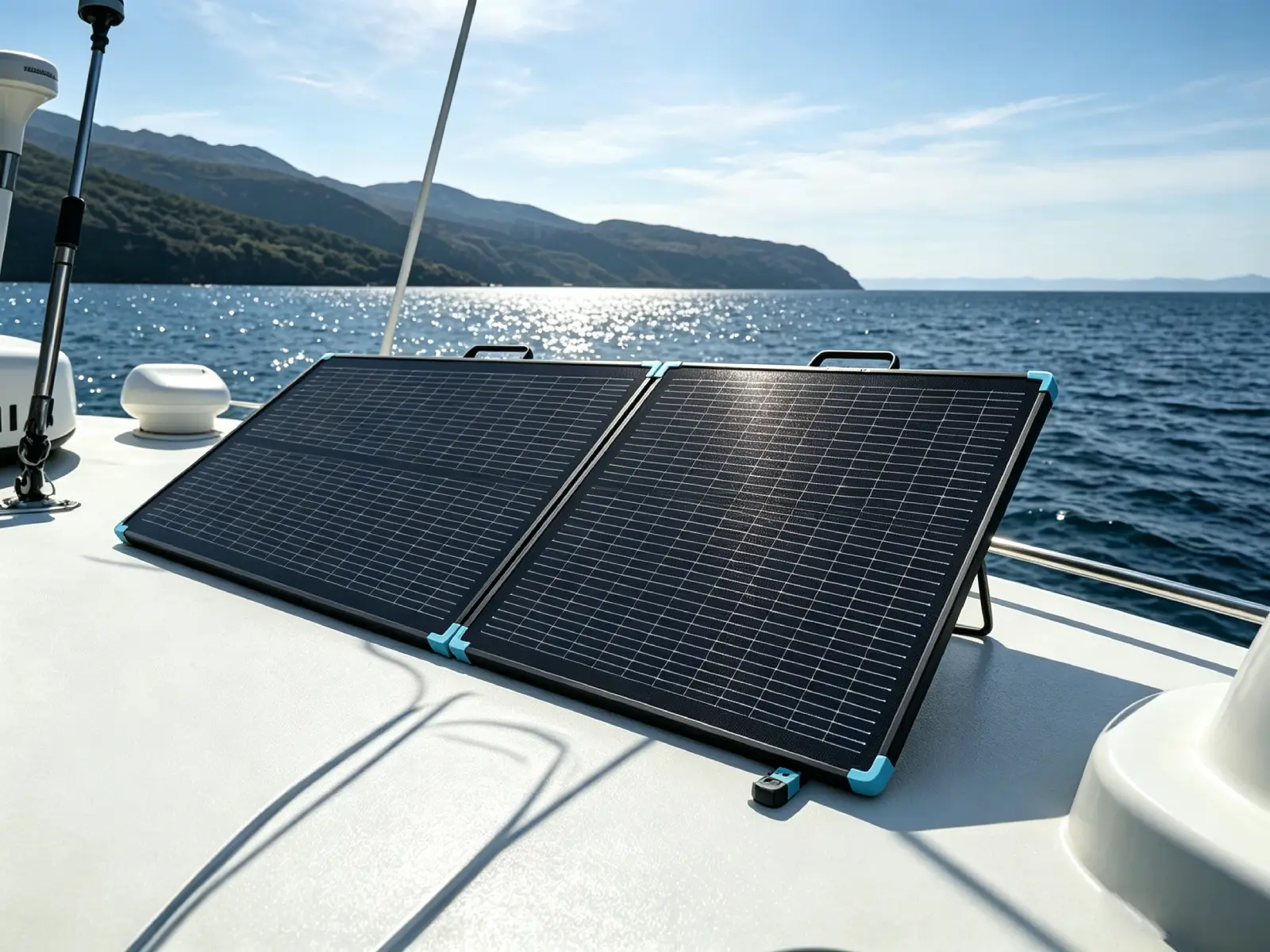
Waterproof Portable Solar Panel for Marine
Consistent power on the water is a must for docking and cruising. A waterproof portable…
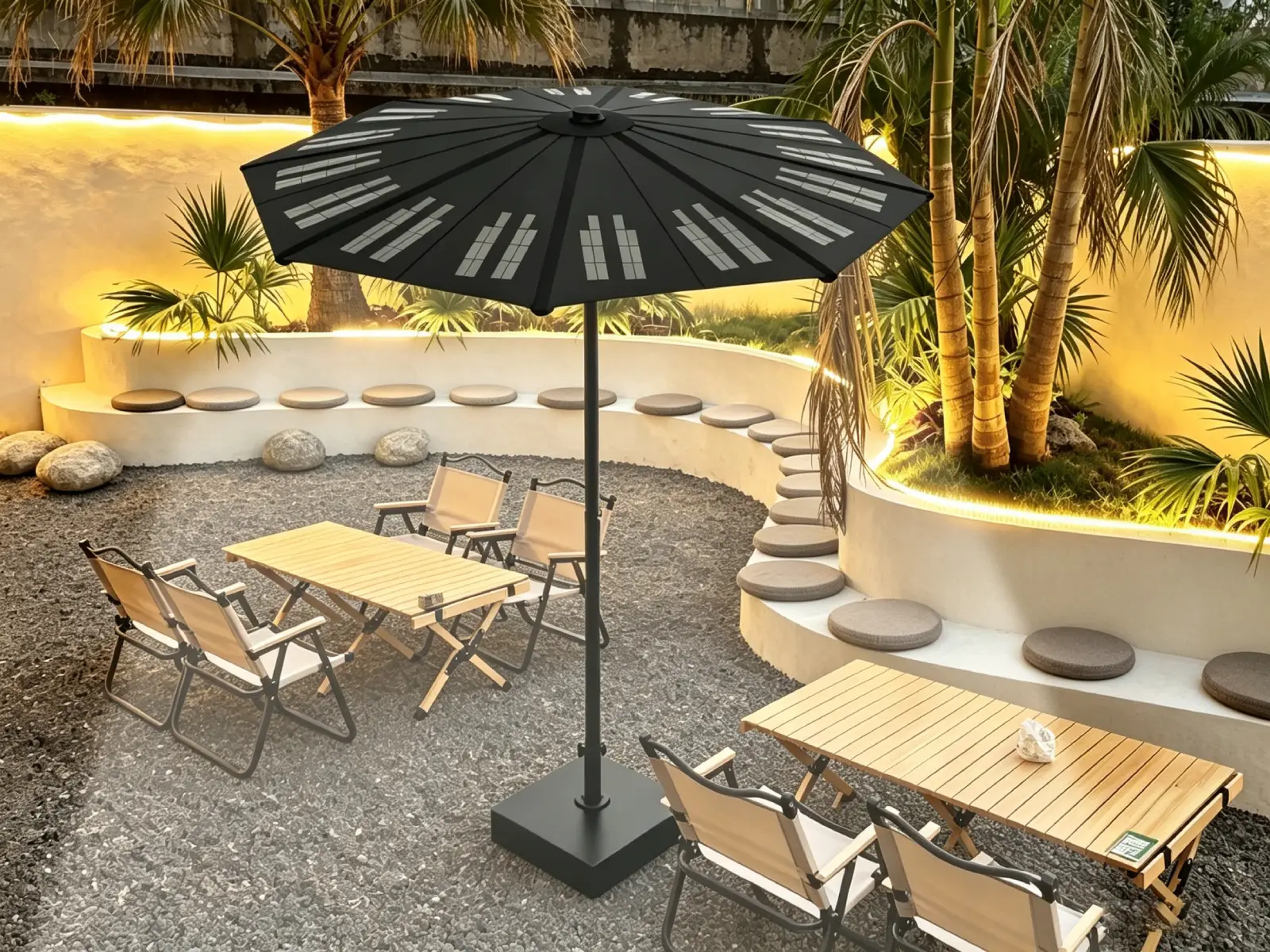
Gaotu Smart Solar Outdoor Umbrella | Tap Into the Fast-Growing Outdoor Clean Energy Market
The outdoor sector booms with new opportunities; ordinary shade umbrellas lack distinction. Markets for backyard…
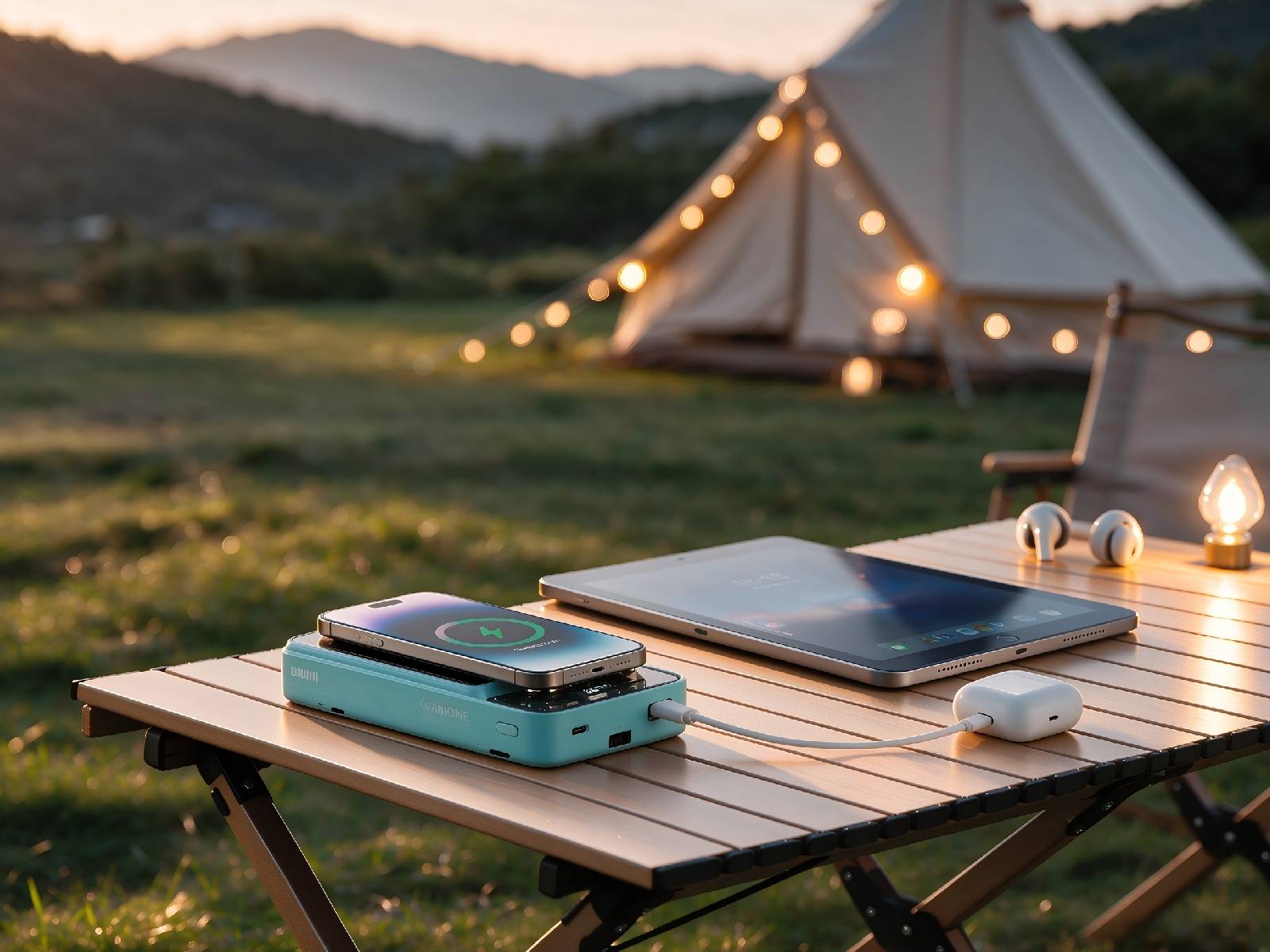
20000 Swift Power Bank – Exclusive Wholesale Catalog
1. Market Pain Points & Sales Logic Battery anxiety is a widespread consumer problem that…
Leave a Reply