

Solar Power Knowledge
Marine-Grade Flexible Solar Panels: The Definitive Sourcing Guide for RV & Yacht Manufacturers
 gaotu
gaotuFor recreational vehicle, luxury yacht and vessel manufacturers, every single component within the end product shapes long‑term brand reputation. As off‑grid power becomes a standard feature for high‑end buyers, selecting the right solar solution is critical.
Nevertheless, marine and automotive environments present severe engineering challenges: constant vibration, high wind loads, relentless salt‑spray corrosion, and extreme temperature swings. Conventional rigid glass solar panels are often too heavy and aerodynamically inefficient, while low‑end flexible panels frequently fail within a single quarter.
If your company is evaluating procurement options, this guide outlines core criteria for marine‑grade flexible solar panels and demonstrates how next‑generation photovoltaic engineering eliminates common failure points of traditional mobile solar systems.
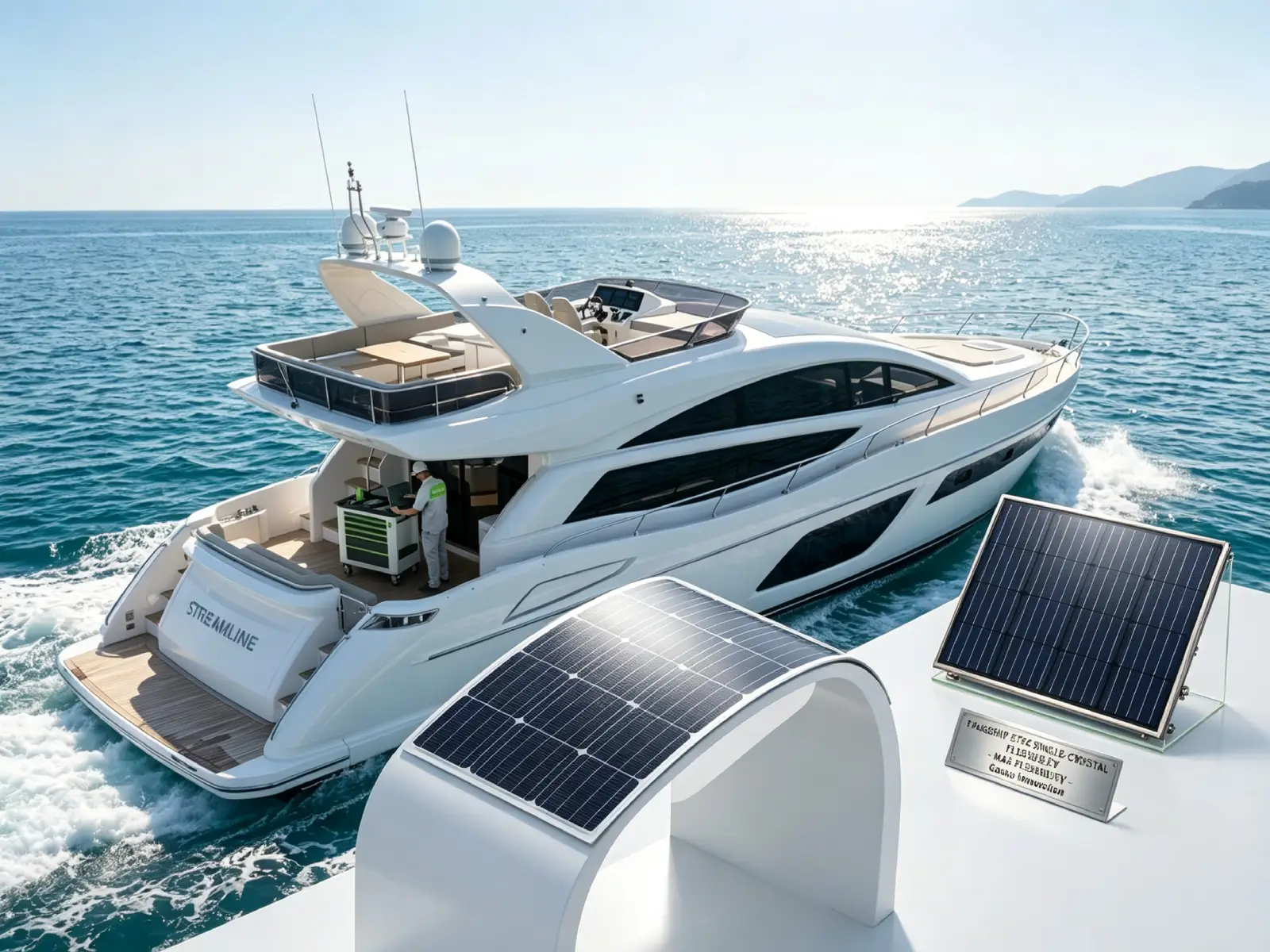
1. Harsh Realities of Mobile Solar Deployment: Key Technical Challenges
Unlike stationary residential rooftops, flexible solar panels fitted on yachts and RVs must withstand dynamic forces and corrosive conditions. When vetting Chinese flexible solar panel suppliers, you must verify that their products meet these three specific durability benchmarks:
Salt‑Spray Corrosion and Water Ingress
Marine environments are highly corrosive. Standard junction boxes and sealants degrade rapidly under seawater exposure, triggering short circuits and moisture penetration. Marine‑grade modules must hold certified IP67 or IP68 waterproof ratings and pass rigorous salt‑spray testing (e.g. compliance with IEC 61701) to deliver consistent performance in open‑water conditions.
Continuous Mechanical Vibration and Wind Uplift
High‑speed vehicles and yachts navigating choppy seas endure persistent vibration. Without robust mechanical construction in flexible panels, these micro‑shocks can crack internal silicon cells and cause substantial power degradation.
Aerodynamics, Weight Constraints and Curved Surfaces
Modern aerodynamic RV roofs and yacht awnings feature curved profiles. Rigid panels add drag and extra weight, hurting fuel efficiency and raising a vessel’s center of gravity. Flexible panels need to conform perfectly to these contours without incurring internal mechanical damage.
2. Setting the Marine Gold Standard: Next‑Generation PV Solutions from Gaotu Innovation
To satisfy strict requirements from international commercial builders, Gaotu Innovation has engineered a lineup of high‑efficiency flexible modules that break the limits of conventional materials.
                    ☀️ Primary Direct Sunlight ☀️

            ┌────────────────────────────────────────┐

            │   Dual‑Sided Military‑Grade ETFE       │

            ├────────────────────────────────────────┤

            │  🔒 Monocrystalline Cell Matrix       │ ◄── Safe Static Bending Radius ≥30cm

            ├────────────────────────────────────────┤

            │   Translucent Rear ETFE Encapsulation  │

            └────────────────────────────────────────┘

            ▲  ▲  ▲                            ▲  ▲  ▲

            🌊 Reflected Light (Albedo)        🚐 Reflected Light (Albedo)

            from Water Surfaces                from White RV Roofs
Precision Mechanical Compliance: Certified Static Bending Radius ≥30cm
The most common mistake procurement managers make is forcing panels onto tight architectural curves. To prevent micro‑cracks during manufacturing and installation, Gaotu Innovation’s panels are engineered with a certified static bending radius of ≥30cm.
This specific structural safety buffer ensures the panel forms a smooth, seamless bond over aerodynamic RV roofs or curved yacht hulls. Maintaining this curvature prevents the crystalline structure from developing micro‑fractures, which typically evolve into catastrophic hot spots over 12 months.
Maximizing Energy Yield: Advanced Bifacial Technology
Space on vehicle roofs and marine decks is highly restricted. Traditional single‑sided panels fail to capture ambient light. Gaotu Innovation overcomes this by utilizing cutting‑edge Bifacial technology powered by premium Monocrystalline cells.
By engineering a translucent rear ETFE layer, our panels do not just capture direct sunlight from above; they absorb reflected light (albedo) bouncing off white RV gel‑coats, light‑colored marine decks, or the water surface. This dual‑sided generation boosts your extra power yield by 15% to 25% within the exact same square‑meter footprint.
Uncompromising Weight Efficiency: The Ultra‑Lightweight Profile
Traditional flexible panels utilize heavy fiberglass or thick aluminum sheets as core layers, adding excessive weight to thin fiberglass roofs.
By replacing these rigid materials with our proprietary, high‑strength dual‑ETFE polymer matrix, we have unlocked an ultra‑lightweight profile that drops total module weight by up to 60%. This structural breakthrough simplifies adhesive‑based installation for a single technician, lowers labor costs, and eliminates the need for heavy mechanical fasteners that puncture vehicle hulls.
3. Procurement Checklist for Commercial RV and Yacht Builders
Before placing a container‑load order for your production line, ensure your sourcing protocol includes these validation steps:
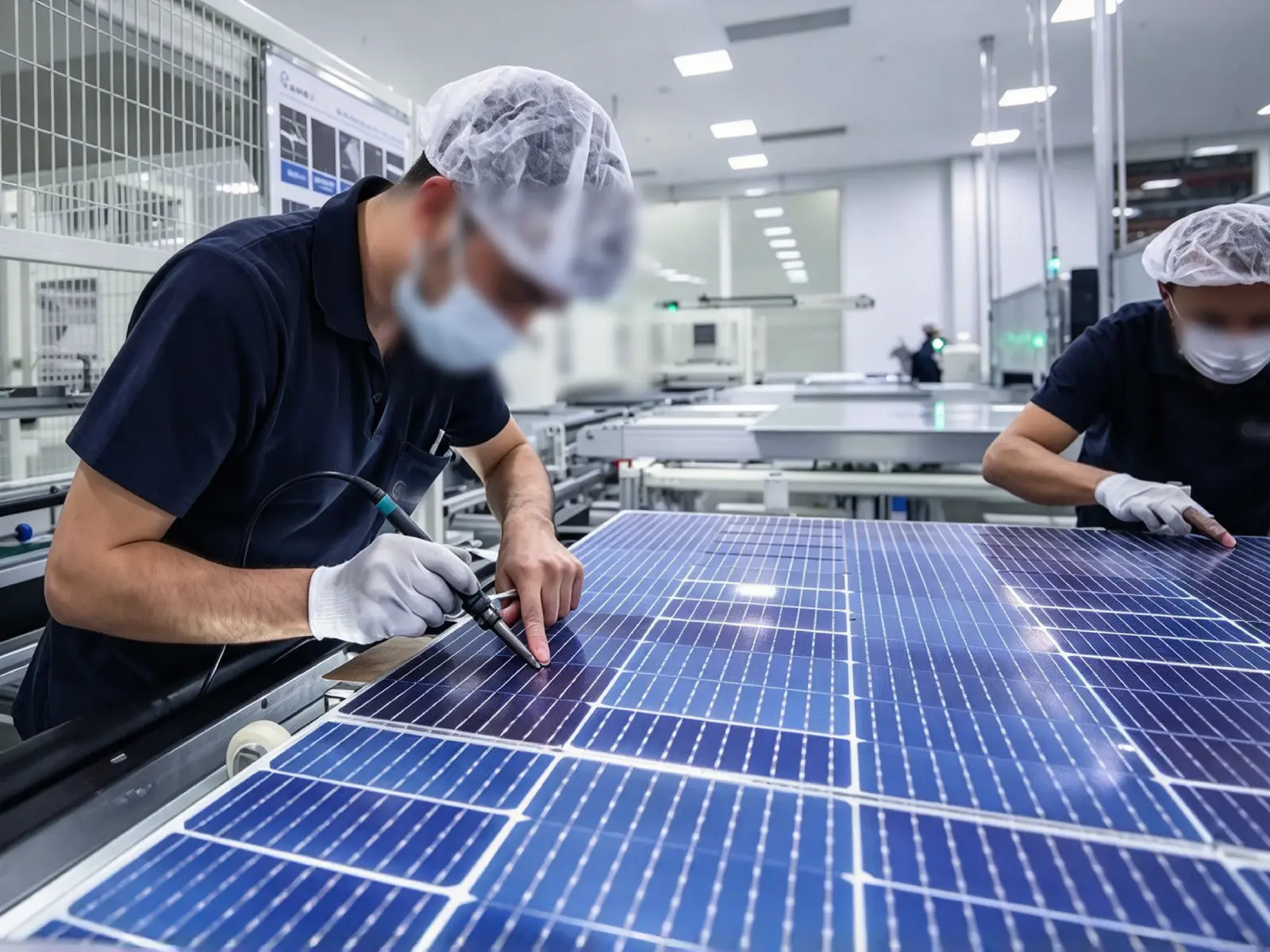
- Verify Electroluminescence (EL) Testing Protocols: Request documentation confirming the factory performs Electroluminescence (EL) testing both before and after lamination. This guarantees no micro‑cracks exist coming off the production line.
- Examine Junction Box Engineering: Confirm junction boxes are filled with specialized sealing gel, rated IP68, and fitted with integrated bypass diodes to avoid full‑array failure caused by shading from yacht masts or RV air‑conditioning units.
- Confirm Material Composition: Avoid low‑cost PET panels prone to yellowing and delamination. For marine projects, always specify dual‑sided military‑grade ETFE materials.
Conclusion: Partner with a Trustworthy Tier‑One Manufacturing Partner
For high‑end automotive and marine manufacturers, solar integration is no longer merely an accessory — it has become a core selling point that reflects brand‑level engineering standards. Sourcing certified ultra‑light bifacial modules protects your commercial reputation and minimizes costly after‑sales warranty claims.
Before finalizing engineering schematics for upcoming product lines, partner with manufacturers capable of meeting international standards and custom dimension requirements.
To review full factory compliance scope, validate supplier certifications, and explore volume B2B pricing, read our The Ultimate Guide to Selecting Flexible Solar Panel Suppliers in China to gain deep insights into China’s manufacturing landscape.
Does your engineering team require professional technical drawings or custom low‑MOQ prototypes? Contact Gaotu Innovation OEM/ODM Support Team right now for comprehensive consultation!
Related Posts

How to Import Solar Panels from China Safely: Compliance and Risk Mitigation Guide
Article Abstract Buying wholesale solar panels direct from Chinese factories delivers major cost advantages, yet…
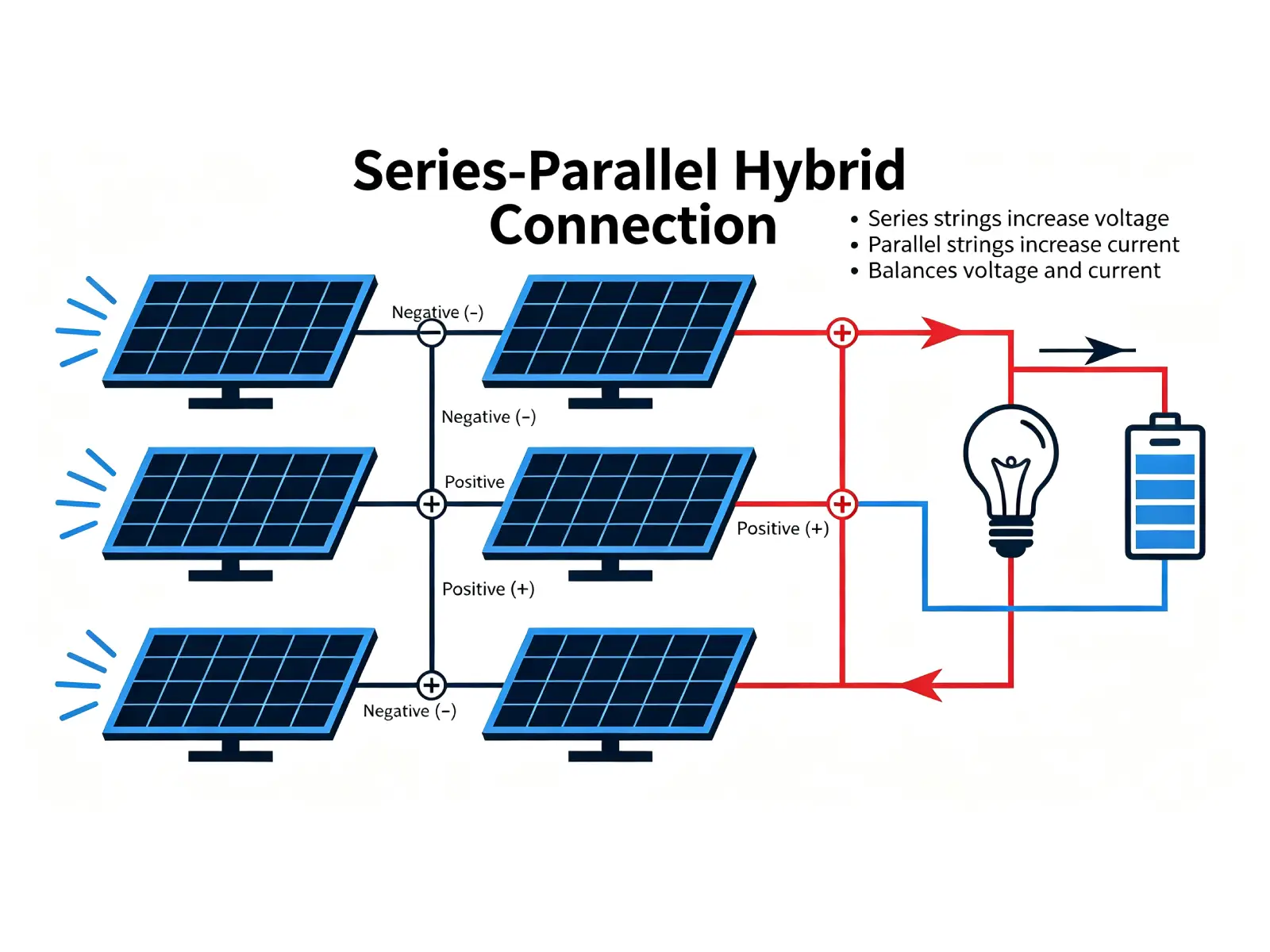
Solar Panel Series, Parallel & Hybrid Wiring Complete Guide
When building a photovoltaic system, the wiring method of solar panels directly affects power generation…
Portable Solar Panel Supplier: A Practical Guide for Wholesale Buyers
If you’re looking for a portable solar panel supplier, chances are you’ve already stepped on…
Leave a Reply