

Solar Power Knowledge
Which Wattage Should You Stock? Residential Solar Panel Sizing for Wholesale
 Gaotu Innovation
Product Selection · Wattage
If you ask a factory which wattage is best, the answer will be the highest one they can produce. If you ask what actually sells, the answer depends on roof area, lifting manpower, inverter voltage limits and how many watts you can fit in a container. Stocking the biggest panel is a common first-order mistake — it is usually the one that sits longest.
Start From the Roof, Not the Datasheet
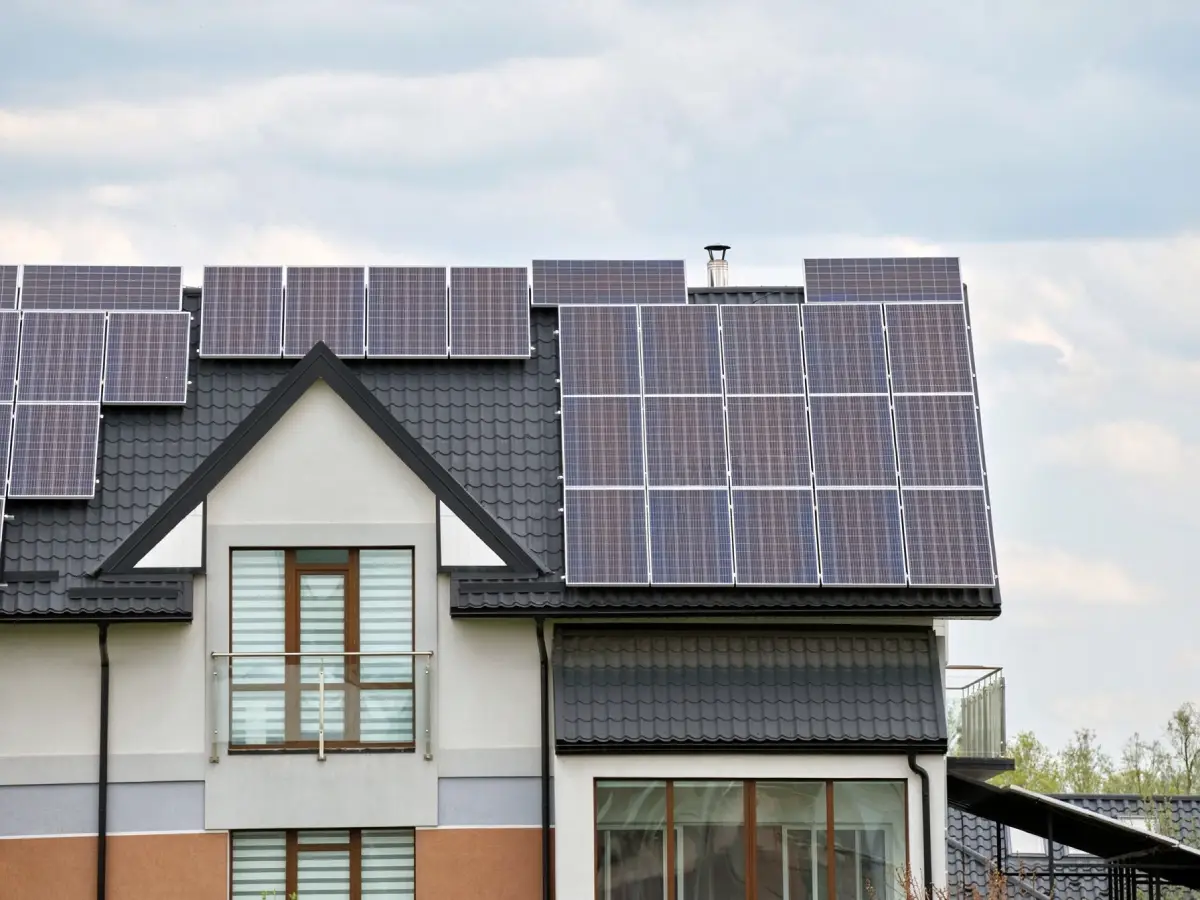
A residential rooftop is a constrained rectangle. Three things decide what fits on it, and none of them is the wattage printed on the box:
- Usable area and orientation. A pitched roof with a chimney and two vent stacks rarely gets the full rectangle. Roof-integrated and shaded sites lose more.
- How many people can carry it. Most residential installs are a two-person crew. A module one person cannot handle safely becomes a three-person job, and that changes the installer’s margin more than the panel price does.
- String voltage ceiling. Bigger modules mean higher open-circuit voltage, and the inverter’s input limit caps how many you can put in a string.
This is why the “best wattage” question has no single answer, and why a range — not one hero SKU — is what a distributor should carry.
The Four Wattage Bands That Actually Sell
400–450 W
The workhorse. Around 1.7–1.8 m long, 21–24 kg, two people can lift it. Fits retrofit roofs and older string inverters. Highest turnover, lowest margin per watt.
450–500 W
The current mainstream for new residential builds. Still liftable by two, better watts per square metre. This is where most of your volume should sit.
500–580 W
The 2.3 m class, 27–32 kg. Great for large ground mounts and commercial, awkward on residential roofs and higher breakage risk. Keep a small allocation only.
100–300 W
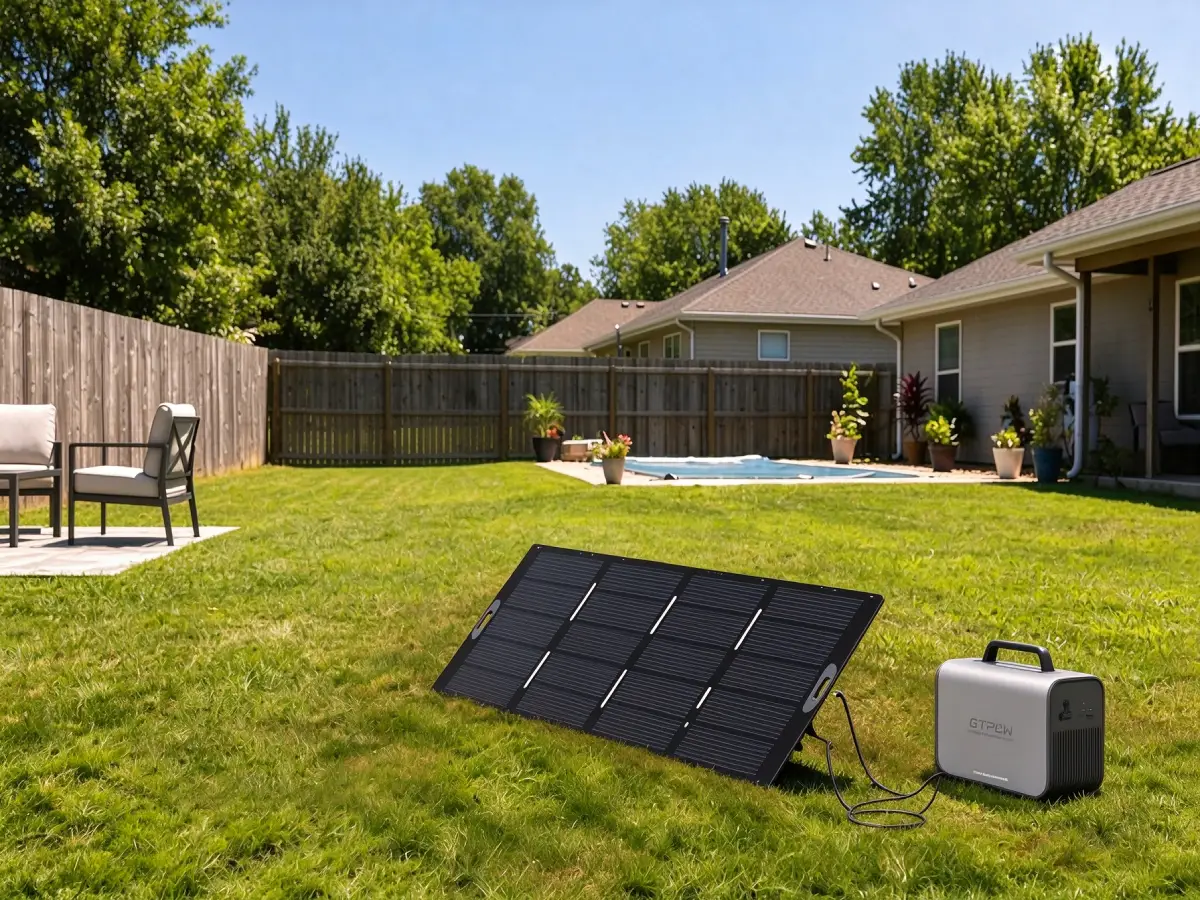
Balcony kits and portable off-grid. Sold by the kit, not the pallet, and the segment where a distributor can actually differentiate instead of competing on price.
A practical starting split for a new residential distributor: roughly 60% in the 450–500 W band, 25% in 400–450 W, 10% in balcony or portable kits, and 5% in high-power modules for the occasional large project.
Why Bigger Panels Are Not Automatically Better Business
The efficiency argument is real but incomplete. Compare two modules of the same technology family:
- Watts per square metre improves with larger formats — fewer frames, less inactive edge per unit area.
- Watts per container is a different calculation. A pallet holds 30 to 36 modules either way, so a 580 W panel puts more watts in the same 40HQ. That is a genuine freight advantage.
- Watts per installer-hour often goes the other way. Slower handling, more breakage, more crane or lift time, and roof layouts that leave awkward gaps.
- Watts per warranty claim matters too. Larger glass area means more deflection under wind and snow load if the mounting spacing is not adjusted.
For a distributor, the deciding metric is not efficiency — it is how fast the pallet turns. A 580 W module that resells in six months is worse than a 470 W module that resells in six weeks.
The Voltage Maths That Decide Whether the Panel Even Works
This is the part most catalogue buyers skip, and it generates the most returns:
- Open-circuit voltage rises in cold weather. Module voltage has a negative temperature coefficient — typically around −0.25% per °C. Size strings against the coldest morning, not the datasheet’s STC value, or the inverter trips on over-voltage in winter.
- MPPT window, not just maximum input. A string that sits above the MPPT range at low irradiance loses harvest at the start and end of the day.
- Microinverter and balcony systems have their own per-panel limits — usually one or two modules per unit, which is why 400–450 W modules dominate that segment.
When you quote a kit to an installer, include the string layout you recommend. It reduces support calls and makes you the supplier who understands the system, not just the box.
What to Stock: A Range Strategy That Beats a Single Hero SKU
A workable residential range looks like this — the residential module range we supply covers all four bands:
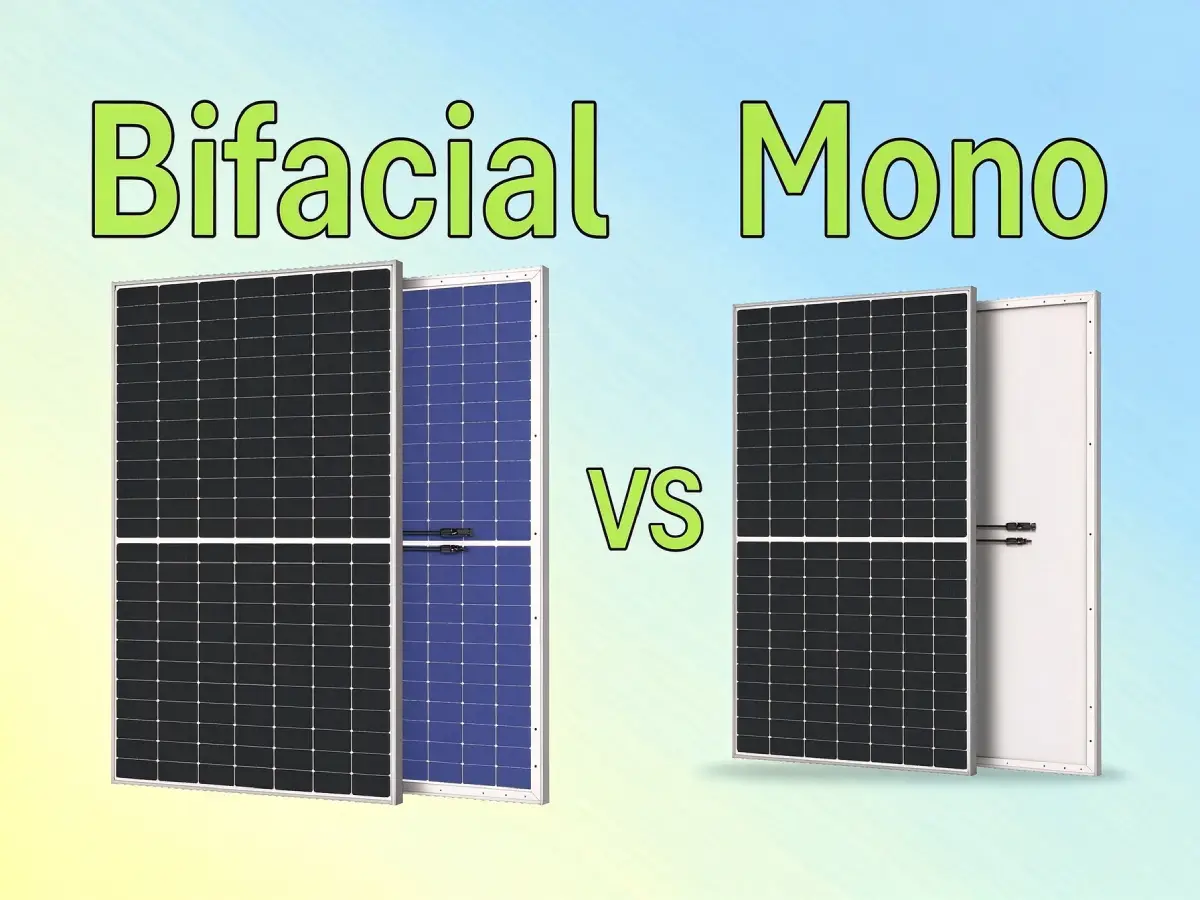
- One volume SKU in the 450–500 W band, single-glass or glass-glass depending on your market’s price sensitivity, kept in stock year-round.
- One value SKU at 400–450 W for retrofit and price-led tenders.
- One differentiating line — balcony kits or portable and flexible panels — where competitors are not fighting on cents per watt.
- One project SKU at high wattage, ordered to demand rather than held in stock.
Two volume SKUs with different wattages from the same certified family also solve a compliance problem: the model list on the certificate covers both, and you can substitute between them when one is out of stock. Mixing unrelated families does not give you that flexibility — see the wholesale solar panels for home guide for how the certified families are structured.
Five Sizing Mistakes Distributors Keep Making
- Buying the highest wattage because it “looks premium.” It resells slowest on residential roofs.
- Ignoring power binning. Two SKUs at the same nominal wattage can differ in actual output band; installers notice when one string underperforms.
- Ignoring pallet and container math. Different module sizes give different watts per 40HQ; freight per watt should be part of your landed cost sheet.
- Mixing formats in one container without separate labelling, which creates receiving and claim confusion at the installer’s warehouse.
- No small-format line at all, which hands the fastest-growing balcony and portable segment to someone else.
Tell us your market, roof types and typical installer crew size — we will map a wattage mix and container plan for your first year, including balcony and portable lines.
Frequently Asked Questions
What wattage sells best for residential installations?
In most markets the 450–500 W band is the mainstream, because it balances watts per square metre against a size two installers can still handle. 400–450 W remains strong for retrofit and price-sensitive jobs.
Is a 580 W panel too big for residential roofs?
Not too big, but harder to handle — roughly 2.3 m long and 27–32 kg, which usually means a three-person lift or equipment. It suits ground mounts and larger projects better than typical pitched roofs.
Does a higher wattage panel always mean higher efficiency?
No. A larger module can deliver more watts with the same cell efficiency. Compare watts per square metre and the cell technology, not the headline wattage alone.
How do I choose between 400 W and 450 W modules for balcony kits?
Check the microinverter’s per-input rating and the railing or bracket load capacity first. Most balcony systems use one or two modules per unit, so physical size and weight decide more than the wattage difference.
Can I mix wattages in one container?
Yes, and it is often the right move for a first order — but keep the models within the same certified family and label each pallet separately so installers and customs can match them to the documents.
Related Posts
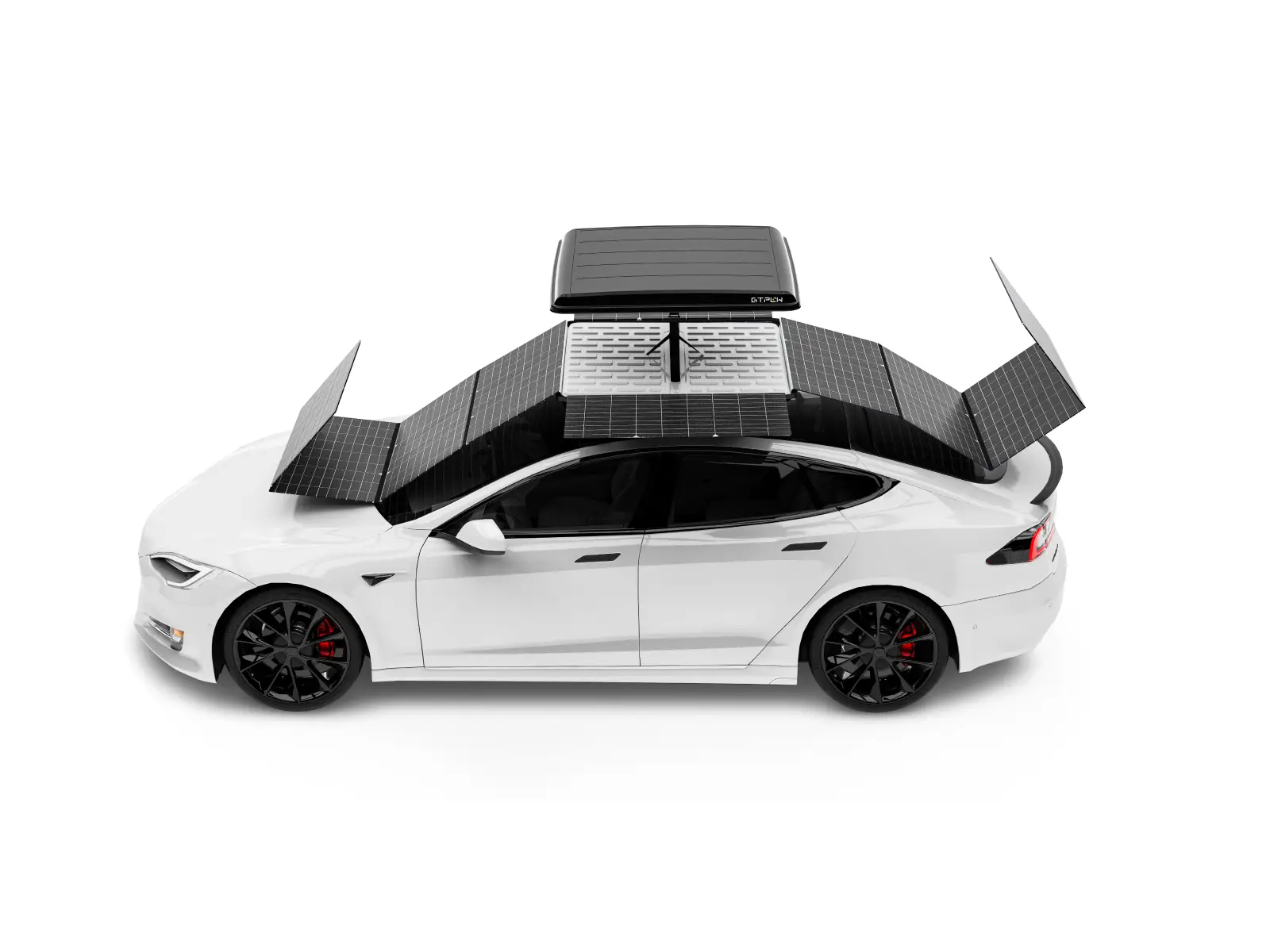
Gaotu 1600W Solar EV Charger: Charge Your EV Anywhere, Anytime – No Grid Required
You’re planning a road trip. The destination is perfect—remote, scenic, off the beaten path. But…

Hidden Costs to Avoid When Buying Solar Panels in Bulk
Article Summary Many B2B solar buyers only compare factory FOB per-watt pricing and overlook a…
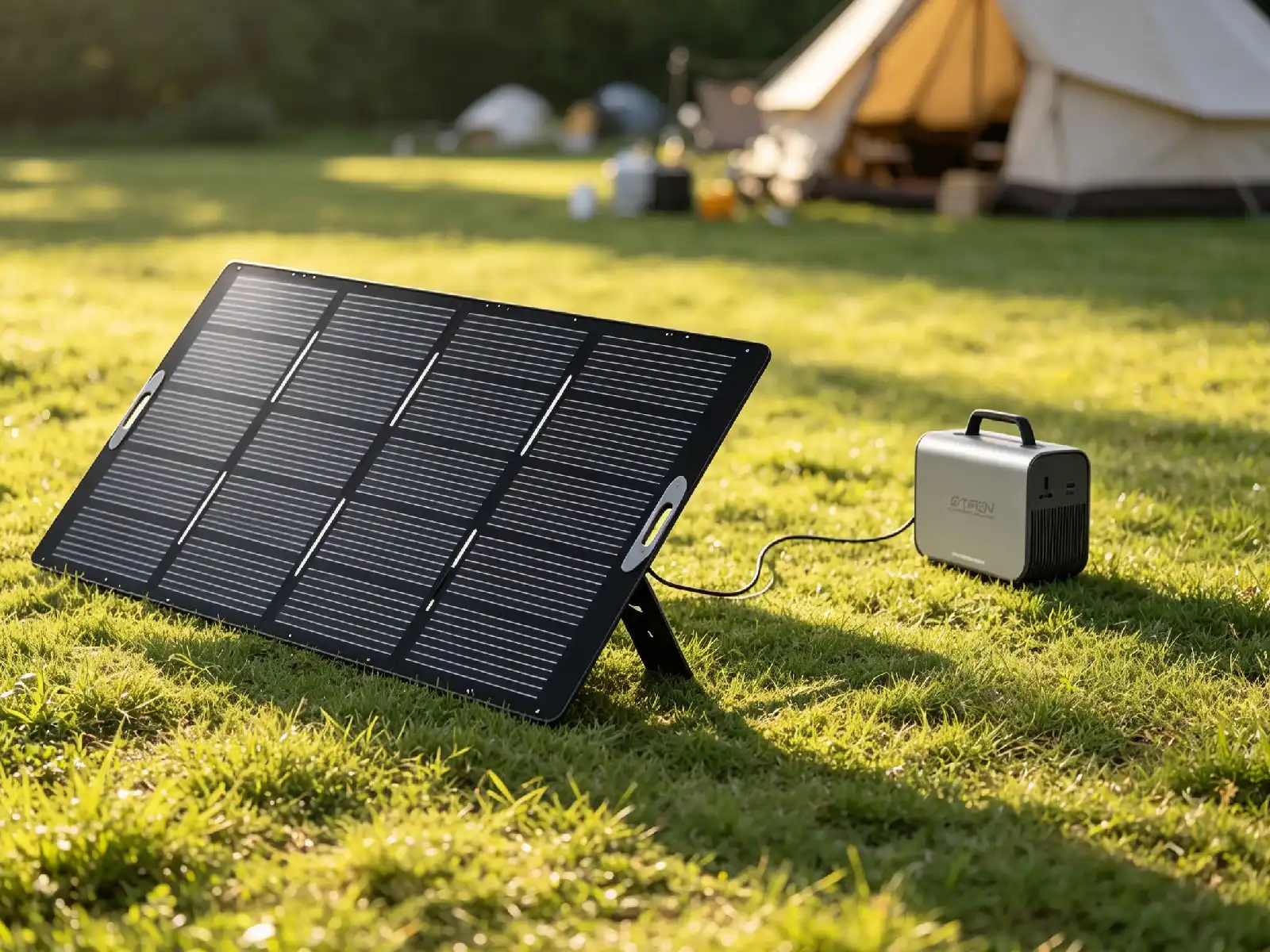
Hot Selling Portable Solar Panel Kits for Cross-Border Wholesale Distributors
The global demand for clean and off-grid energy solutions has witnessed steady year-over-year growth, driven…
Leave a Reply