

Solar Power Knowledge
How Your Roof Secretly Kills Your Power Output
 gaotu
gaotuMost homeowners make the same costly mistake when going solar. They splurge on higher-wattage, premium solar panels, assuming better equipment equals more electricity. Yet many end up with underperforming systems and longer payback periods — even with top-tier panels installed.
The problem is rarely the solar panels themselves. It’s almost always your roof.
Most people treat the roof as a simple mounting surface, but roof orientation and tilt angle determine your solar system’s maximum power output. Even the best solar panels will lose nearly half their efficiency if installed on a poorly positioned roof. Your roof either boosts your solar performance or silently drains it away.
In this practical solar guide, we’ll break down how roof conditions affect energy production and share simple, low-cost tweaks to maximize your solar power harvest.
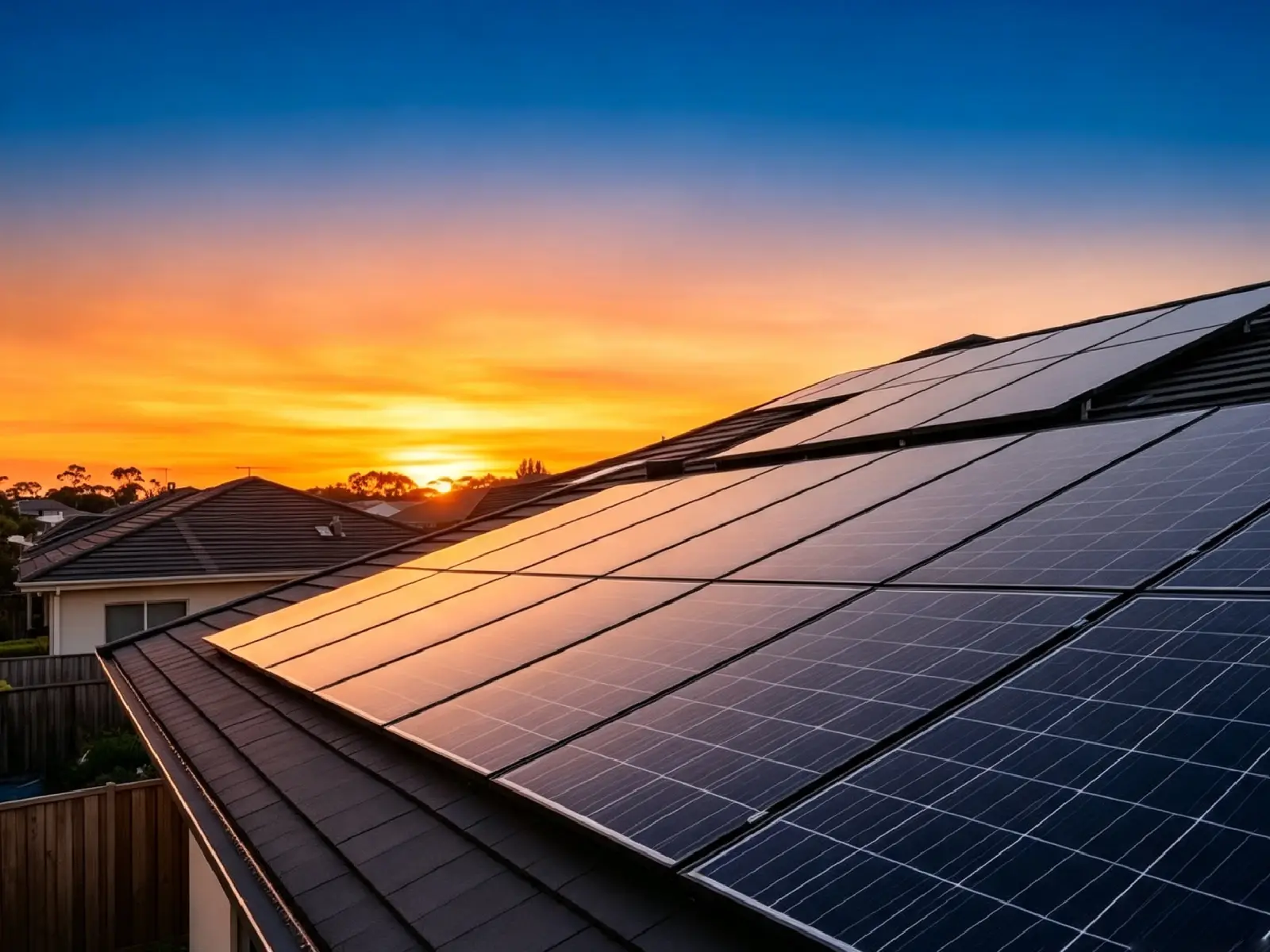
1. Why Great Panels Fail on Bad Roofs
Solar energy production follows one straightforward rule: longer, direct, well-angled sunlight exposure equals more power.
Solar panelscome with a fixed efficiency rating. What changes daily is how much sunlight your roof allows them to capture. Wrong tilt or direction prevents optimal sunlight absorption, leaving expensive high-end panels operating at only 60% to 70% of their true potential.
Simply put: A well-matched roof acts as a performance booster for your solar system. A mismatched roof creates hidden energy losses that drag down your entire setup.
2. Roof Orientation: The Biggest Factor in Annual Solar Production
For properties in the Northern Hemisphere, roof direction drastically impacts energy output, creating up to a 30% annual production gap between different orientations.
Best Option: South-Facing Roof (Top Choice)
South-facing roofs receive consistent, balanced sunlight throughout the day, delivering the most reliable and highest energy yields. They produce 20% to 30% more power annually than east or west-facing roofs. A directional deviation within ±15% causes negligible energy loss, making this the most cost-effective and efficient orientation for solar installations.
Solid Alternative: East & West-Facing Roofs (Functional but Less Efficient)
East-facing roofs only capture softer morning sunlight, resulting in 75% to 80% of a south-facing system’s output.
West-facing roofs absorb afternoon and evening sunlight, aligning perfectly with household peak electricity usage. However, their annual production still runs about 15% lower than south-facing setups.
These orientations are completely viable. Minor tilt adjustments can effectively compensate for their natural production gaps.
Not Recommended: North-Facing Roof
North-facing roofs receive almost no direct sunlight and rely solely on weak diffused light. Their power output is less than half of south-facing roofs. Avoid installing main solar arrays here unless no other roof space is available.
3. Roof Tilt: The Overlooked Cause of Hidden Energy Loss
While orientation sets your solar system’s maximum potential, tilt angle decides how much of that potential you actually capture. Even perfectly oriented panels underperform with incorrect tilting.
Ideal Tilt Range: 20°–45°
Adjust the angle based on regional climate and latitude for best results. In northern regions with low winter sun angles, a steeper 30°–45° tilt captures more winter sunlight and offsets seasonal production drops. In southern regions with heavy rainfall and dust, a gentler 20°–30° tilt balances sunlight absorption with fast water drainage and reduced dust buildup.
Avoid These Two Extreme Tilt Mistakes
Too flat (below 15°): Panels lie nearly horizontal, causing sunlight reflection and poor absorption. Standing water, leaves, and dust accumulate easily, blocking sunlight and accelerating panel wear over time.
Too steep (above 50°): Severe tilting reduces effective sun exposure during morning and evening hours, shrinking the panel’s active light-receiving area and wasting solar resources.
4. The Core Solar Mistake: High-End Panels with Low-Quality Installation
Most underperforming residential solar systems stem from backwards priorities. Homeowners invest heavily in premium brand panels and high-power equipment but ignore roof matching and professional installation details.
The result? Impressive technical specs on paper, but disappointing real-world output and a solar payback period extended by one or more years.
Beyond orientation and tilt, these hidden issues continuously reduce your solar efficiency:
• Shading from trees and buildings: Even partial shadows drag down the performance of the entire solar array.
• Zero ventilation: Panels mounted too close to the roof trap heat, and solar panels naturally lose efficiency at high temperatures.
• Neglected maintenance: Dust and debris coverage significantly lowers daily power production.
5. Easy Optimization Tips (No Roof Renovation Required)
You don’t need to rebuild your roof to boost solar performance. Simple installation and maintenance adjustments deliver immediate improvements:
1. Choose the Optimal Installation Zone
Prioritize south-facing roof space and avoid shaded areas whenever possible. If only east or west-facing roofs are available, adjust the tilt angle to match regional sunlight patterns and fill production gaps.
2. Adjust Tilt for Your Region
Use steeper tilts for northern areas and gentler tilts for southern areas, staying within the 20°–45° optimal range to balance sunlight capture, drainage, and dust prevention.
3. Eliminate Hidden Efficiency Losses
Reserve ventilation space between panels and the roof to prevent overheating. Regularly clean panel surfaces and trim overgrown foliage to ensure full-capacity solar operation year-round.
When it comes to solar power, better panels don’t always mean better returns.
Premium panels form a solid foundation, but roof matching is the key to maximum power generation.
Instead of blindly upgrading expensive solar equipment, optimize your roof’s orientation, tilt, and installation details first. Transform your roof from a performance bottleneck into your solar system’s biggest advantage — for higher energy output and faster payback.
Related Posts
What Are the Different Types of Solar PV System?
Solar power has become super popular these days. You can see solar panels everywhere —…
Portable Solar Panel Wholesale | OEM Bulk Supply for RV
Portable solar panel wholesale demand is surging rapidly across North America, Europe, Southeast Asia, and…
Customized ETFE Portable Solar Panel: Wholesale, OEM & ODM for Business
The global demand for outdoor portable power solutions has grown rapidly in recent years. With…
Leave a Reply