

Solar Power Knowledge
Flexible Solar Panels: Lightweight & Durable Off-Grid Energy Solution
 gaotu
gaotuFlexible solar panels have become an increasingly popular alternative to traditional rigid solar modules, especially for mobile, curved, and weight-sensitive off-grid applications. Unlike heavy glass-based solar panels, modern flexible solar technology offers bendability, reduced structural load, and simplified installation while maintaining stable power output in outdoor environments.
For many years, flexible solar panels were considered inferior to rigid panels in terms of durability and efficiency. However, significant material and structural upgrades in recent years have reshaped the performance of flexible solar solutions, making them a practical choice for RVs, marine vessels, expedition vehicles, and remote cabins.
Field observations across high-temperature, dusty, and coastal environments show that modern flexible solar panels can sustain consistent performance under extreme outdoor conditions. When installed properly, they resist surface degradation, thermal fatigue, and long-term ultraviolet exposure better than earlier generations of flexible solar products.
The Growing Demand for Mobile Off-Grid Solar Systems
Global demand for portable and vehicle-integrated renewable energy continues to rise. According to the International Energy Agency (IEA), photovoltaic energy remains one of the fastest-growing renewable sectors worldwide. This growth is driven by the increasing popularity of self-sufficient power systems for outdoor and mobile use cases.
Common scenarios requiring flexible solar solutions include recreational travel, remote work setups, marine operations, emergency backup power, and off-grid residential buildings. While rigid solar panels remain dominant for fixed rooftop installations, flexible solar technology fills a unique gap for surfaces that cannot support heavy, framed solar equipment.
Sources:
- International Energy Agency — https://www.iea.org/
- U.S. Department of Energy Solar Technologies Office — https://www.energy.gov/eere/solar/solar-energy-technologies-office
Structural Differences: Flexible vs. Traditional Solar Panels
The core difference between flexible solar panels and rigid solar panels lies in their physical structure and installation adaptability, rather than raw power output.
Traditional rigid solar panel construction:
Tempered glass surface, heavy aluminum frame, metal mounting rails, and rigid support structures designed exclusively for flat stationary surfaces.
Modern flexible solar panel construction:
- Thin monocrystalline solar cells for high efficiency in compact size
- ETFE transparent coating for improved weather resistance
- Polymer composite backsheet for flexibility and structural toughness
- Frameless ultra-thin lamination for lightweight integration
This structural difference allows flexible panels to be installed on curved, irregular, and weight-limited surfaces where rigid panels are not feasible.
Best Application Scenarios for Flexible Solar Panels
| Application Scenario | Key Benefits of Flexible Solar Panels |
|---|---|
| Curved RV and Camper Roofs | Conforms naturally to curved surfaces without structural modification |
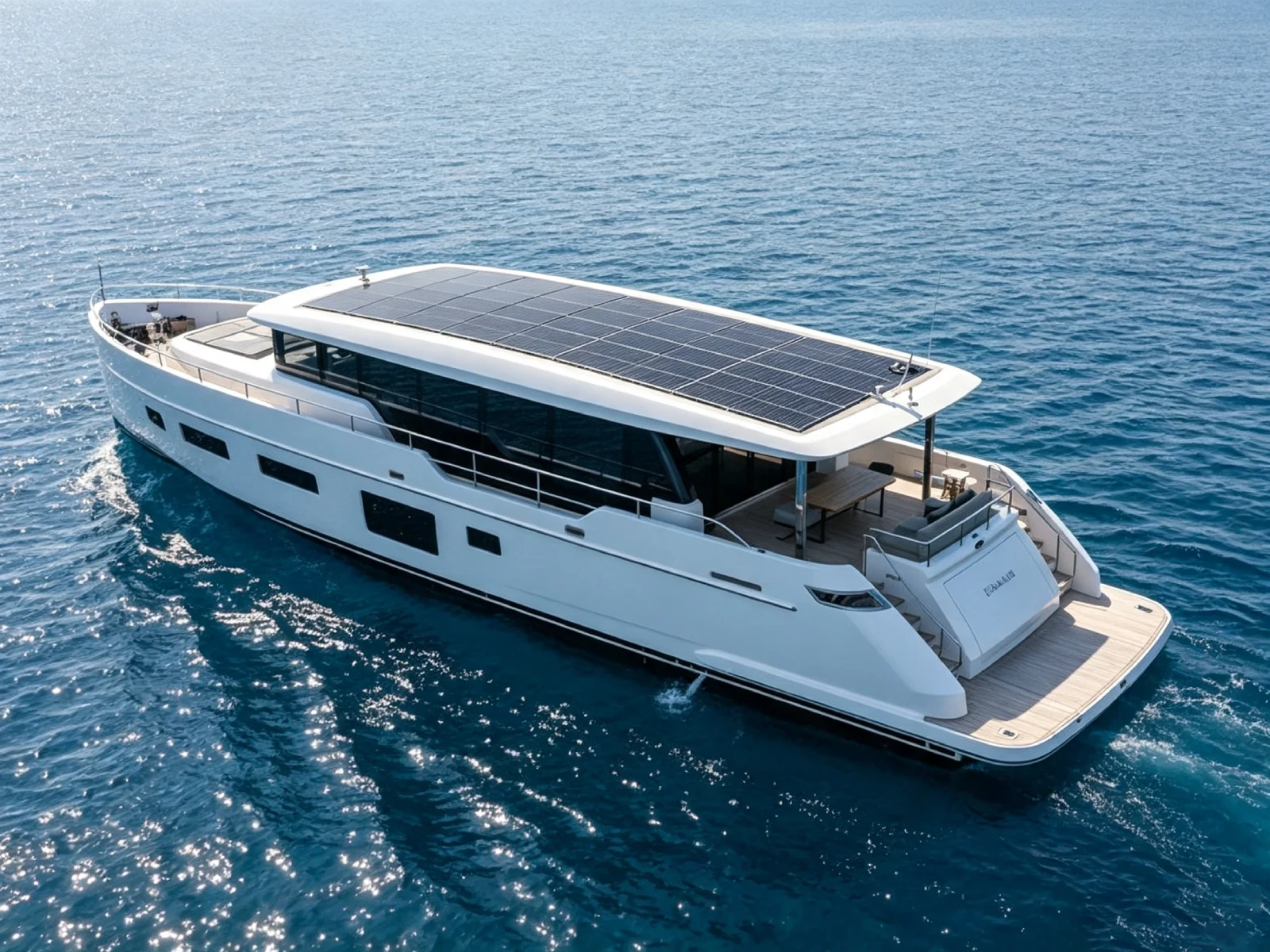
| Sailboats and Yachts | Significantly reduces overall weight load on the vessel |
| Low-profile Van Builds | Creates streamlined aerodynamic surface with minimal wind resistance |
| Off-Road Trailers | Absorbs vibration and reduces stress during rough terrain travel |
| Portable Outdoor Power Kits | Rollable and compact for easy transportation and storage |
| Remote Off-Grid Cabins | Simple adhesive mounting avoids drilling and structural damage |
In mobile and outdoor environments, surface compatibility, weight reduction, and vibration resistance often outweigh small differences in laboratory efficiency ratings.
Vibration Resistance: A Critical Advantage for Mobile Use
Rigid solar panels are engineered for static building rooftops. They are not designed to withstand continuous vibration, road shock, or wave impact encountered in RV and marine environments. Over time, constant movement can loosen mounting hardware, create structural stress, and reduce system reliability.
Flexible solar panels solve this issue through continuous layered lamination. Instead of concentrating pressure on frame bolts and mounting points, flexible panels distribute vibration evenly across the entire surface. This makes them more stable for long-term use in overlanding, marine travel, and off-road applications.

ETFE vs. PET Surface Materials: Impact on Long-Term Durability
The surface film material is one of the most important factors determining flexible solar panel lifespan. Many entry-level flexible panels use PET film, which is low-cost but prone to aging under strong ultraviolet radiation.
PET film gradually yellows, clouds, and loses light transmittance after prolonged sun exposure, resulting in steady power degradation over just a few years. In contrast, industrial-grade ETFE coating provides significantly better protection for outdoor solar systems.
Advantages of ETFE Surface Technology
- Strong UV resistance to prevent yellowing and surface fogging
- Improved scratch and debris resistance during travel
- Higher thermal stability under extreme temperature cycles
- Better resistance against rain, humidity, and salt air corrosion
- Slower aging rate for longer service life in harsh environments
For these reasons, ETFE-based flexible panels are widely preferred for permanent outdoor, marine, and vehicle installations, while PET panels are generally limited to temporary or low-intensity use.
Real-World Power Output of Flexible Solar Systems
Laboratory power ratings do not always reflect real-world performance. Actual solar output is affected by temperature, sunlight angle, ventilation, surface color, and battery configuration. Under standard North American sunlight conditions, flexible solar systems deliver consistent daily power generation suitable for most off-grid equipment.
| Solar System Size | Average Daily Usable Output |
|---|---|
| 200W Flexible Panel Kit | 820–1250 Wh |
| 400W Flexible Array | 1650–2480 Wh |
| 600W Rooftop Flexible Setup | 2460–3700 Wh |
This power range supports common off-grid devices including portable refrigerators, LED lighting, ventilation fans, communication systems, security cameras, water pumps, and mobile device charging.
Heat Impact on Flexible Solar Performance
One inherent characteristic of flush-mounted flexible solar panels is reduced under-panel airflow, which leads to higher operating temperatures compared to elevated rigid panels. High heat naturally reduces solar cell efficiency and can accelerate material aging over time.
Well-engineered flexible solar products use advanced encapsulation materials, heat-resistant adhesive layers, and temperature-stable backsheets to minimize thermal degradation. Quality construction prevents edge lifting, delamination, and power loss caused by repeated thermal expansion and contraction cycles.
Flexible Solar Panels vs. Rigid Solar Panels: Full Comparison
| Feature | Flexible Solar Panels | Rigid Glass Solar Panels |
|---|---|---|
| Weight | Ultra-light, low structural load | Heavy with glass and aluminum framing |
| Surface Compatibility | Works on curved, irregular surfaces | Requires flat, level mounting surfaces |
| Wind Profile | Low-profile flush installation | Higher profile with increased wind drag |
| Heat Dissipation | Moderate due to limited airflow | Excellent ventilation from elevated mounting |
| Installation | Simplified drill-free options available | Requires rails, brackets and drilling |
| Vibration Resistance | Excellent for mobile environments | Moderate, hardware loosening common |
| Typical Lifespan | 8–15 years (ETFE grade) | 20+ years for stationary installations |
Rigid panels remain the optimal choice for fixed residential rooftops where maximum lifespan is prioritized. Flexible panels serve a specialized niche for mobile, curved, and weight-critical energy systems.
Common Flexible Solar Installation Errors to Avoid
Improper installation is one of the leading causes of premature flexible solar panel failure. Based on long-term field observation, several common mistakes significantly impact system performance and durability.
Incorrect Adhesive Selection
Standard household glue or construction sealants cannot withstand continuous UV exposure and extreme temperature changes. Low-quality adhesives soften in heat, leading to edge peeling and water intrusion.
Inadequate Wiring Protection
Unprotected cables and junction boxes are vulnerable to moisture, dust, and corrosion, which gradually cause voltage loss and connection failure.
Mismatched Solar and Battery Capacity
Many users install sufficient solar generation capacity but undersize battery storage, resulting in wasted daytime power and inconsistent energy supply at night.
Low-Grade Panel Selection
Budget flexible panels often use thin encapsulation, low UV resistance film, and weak lamination, resulting in rapid aging and short service life under outdoor conditions.
Why Weight Efficiency Matters in Mobile Solar Systems
In vehicle and marine solar setups, overall weight directly impacts fuel efficiency, handling stability, and structural stress. Lightweight flexible solar panels reduce rooftop load significantly compared to traditional framed systems, improving vehicle balance and road stability during long-distance travel.
Corrosion Resistance for Coastal & Humid Climates
Coastal environments with salt air and high humidity accelerate metal corrosion and material degradation. ETFE flexible solar panels with composite frameless construction eliminate rust-prone aluminum components and provide improved resistance against salt spray, moisture, and atmospheric corrosion, making them suitable for marine and tropical outdoor use.
Frequently Asked Questions
Are flexible solar panels worth using?
Flexible solar panels are highly practical for curved surfaces, mobile vehicles, marine crafts, and locations where rigid panels cannot be installed. They offer unique adaptability that traditional solar panels cannot match.
How long do flexible solar panels last?
High-quality ETFE flexible panels typically last 8–15 years under regular outdoor conditions, depending on climate and installation quality.
Do flexible panels lose efficiency in hot weather?
All solar panels experience slight efficiency reduction under high temperatures. Quality flexible panels use heat-resistant materials to minimize performance loss.
Can flexible solar panels be installed without drilling?
Most modern flexible solar panels support drill-free adhesive mounting, preserving the integrity of vehicle and rooftop surfaces.
Are flexible solar panels waterproof?
Premium flexible solar panels feature IP67-rated waterproof construction for long-term outdoor weather exposure.
Related Posts
From Construction to Appliance — How to Reduce Return Rates for Balcony Solar Kits
Balcony solar kit return rate is the hidden profit killer most wholesalers don’t track…
Solar Panel and Portable Power Station Compatibility Guide
Core Overview: Most issues of incompatibility, charging failure, slow charging, and equipment burnout between solar…
How to Clean Solar Panels: A Safe and Effective Guide (2026)
1. Why Cleaning Solar Panels Matters Solar panels sit outside 24/7, and dust, bird droppings,…
Leave a Reply