

Solar Power Knowledge
Hidden Costs to Avoid When Buying Solar Panels in Bulk
 gaotu
gaotu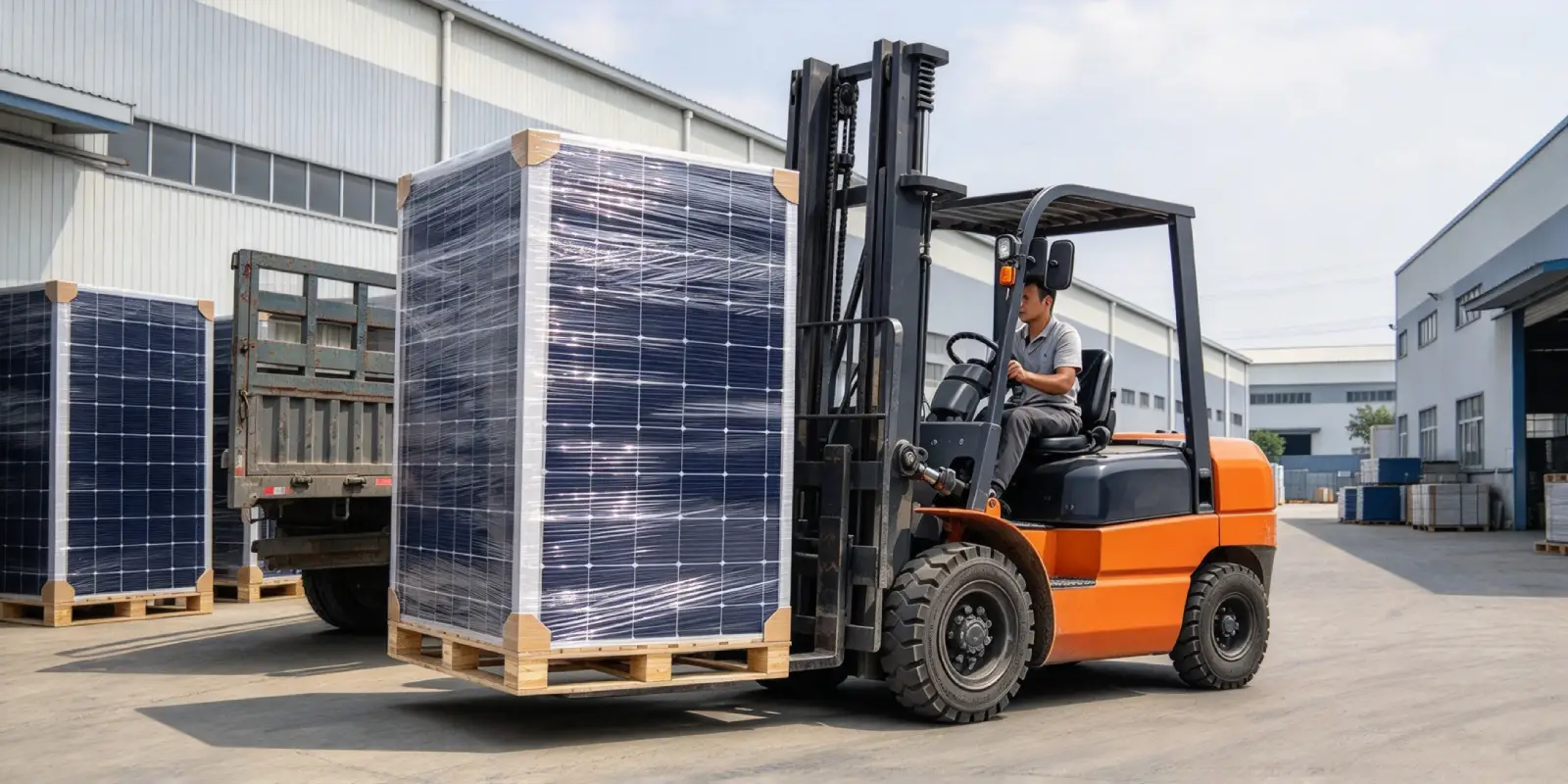
Article Summary
Many B2B solar buyers only compare factory FOB per-watt pricing and overlook a long list of hidden international trade costs. This article breaks down 4 major risk areas: Incoterm freight & port charges, customs tariff & supply chain traceability compliance, inland offloading & site delivery fees, plus quality risks and warranty liabilities. Successful bulk solar purchasing must calculate full landed cost instead of just factory gate price.
Quick Answers
- What is landed cost? Total cost including product, ocean freight, insurance, duties, port fees, inland haulage and unloading, not only factory FOB price.
- What’s demurrage & detention? Penalty fees charged by carriers/ports if containers stay beyond free time; can be $150–400 per container per day.
- UFLPA risk? Shipment may be detained at border without complete, auditable supply chain traceability documentation.
- Micro-cracks matter? Hidden damage from shipping creates hotspots and permanent power loss, even if panels look fine visually.
- Better Incoterms for new buyers? CIF or DDP if your team does not have dedicated in-house customs & logistics staff.
In large-scale solar procurement, a highly attractive factory-direct quote can sometimes blind procurement teams to the financial realities of international trade. While negotiating a rock-bottom manufacturing price per watt is a critical milestone, it represents only the beginning of your financial pipeline.
Failing to calculate downstream logistics, terminal expenses, tariff compliance criteria, and localized structural handling equipment can turn a highly profitable commercial project into a margin-draining liability. Protecting your balance sheet requires uncovering the hidden costs commonly encountered when purchasing wholesale solar panels in bulk.
1. Incoterms Overlooked: The True Cost of Ocean Freight and Port Delivery
The single most common mistake made by new B2B solar buyers is comparing a raw FOB (Free On Board) factory quote directly to domestic inventory pricing.
- The FOB Blindspot: An FOB quote means the supplier’s financial responsibility ends the moment the container clears the ship’s rail at the port of origin. From that exact millisecond, all ocean freight volatility, marine insurance, destination terminal handling charges (DTHC), and inland drayage are borne entirely by you.
- The Port Storage Trap (Demurrage & Detention): If your documentation stalls at customs for even a few days, ocean carriers charge escalating port storage fees (demurrage) and container use fees (detention). These can range from $150 to over $400 per container per day, easily consuming thousands of dollars in unbudgeted overhead.
To prevent this, ensure your procurement team works on clear CIF (Cost, Insurance, and Freight) or DDP (Delivered Duty Paid) terms if you do not have an in-house international logistics department capable of managing rolling customs clearances.
2. Trade Walls and Customs Compliance: The Duty Nightmare
Geopolitical trade barriers dictate the financial boundaries of the solar market. Depending on your project’s domestic legal jurisdiction, import duties can instantly double your component costs.
Critical Tariff Vulnerabilities
- Anti-Dumping & Countervailing Duties (AD/CVD): Imposed by regions like the United States to protect domestic manufacturing, these duties target specific cell manufacturing hubs across Southeast Asia. Failing to track the country of origin down to the raw wafer level can result in retroactive customs fines.
- Traceability Mapping (UFLPA & Traceability Documentation): Modern customs bodies demand exhaustive, unbroken supply chain transparency paperwork proving that raw polysilicon was sourced without forced labor. If your supplier cannot produce verified supply chain audits, your bulk shipment can be seized at the border indefinitely, generating crippling project delays.
3. Terminal Offloading and Hidden Inland Transport Logistics
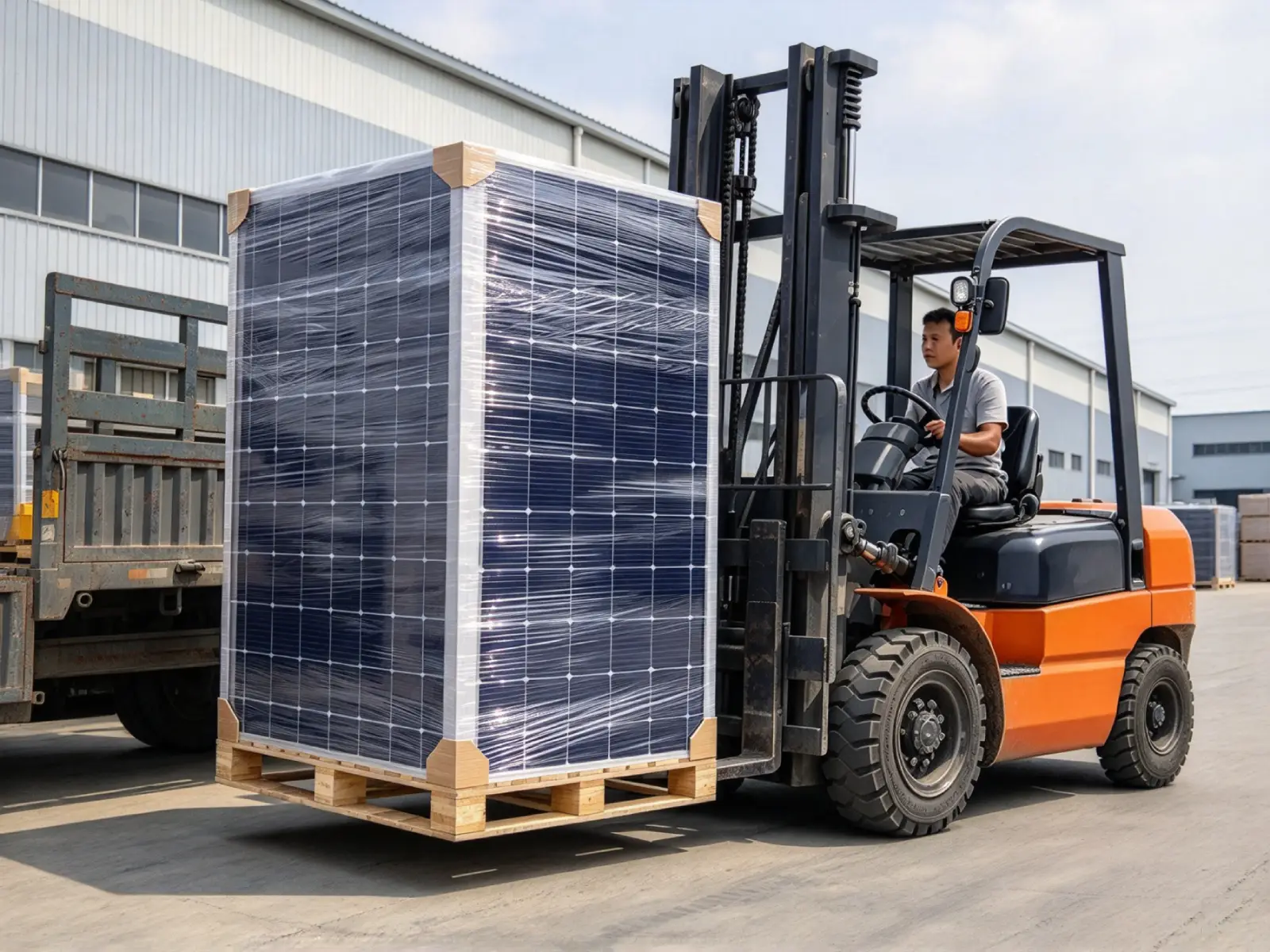
Solar panels are high-volume, extremely heavy components. A single container holds tens of thousands of pounds of fragile glass modules. Moving them from a local port to a remote project site introduces distinct localized infrastructure expenses:
- Specialized Delivery Access: Standard shipping carriers assume deliveries occur at a warehouse featuring a raised loading dock. If your project delivery site is a rural field or a commercial facility without a dock, you must pay structural premiums for specialized flatbed trailers with truck-mounted forklifts (Moffetts) or crane rentals.
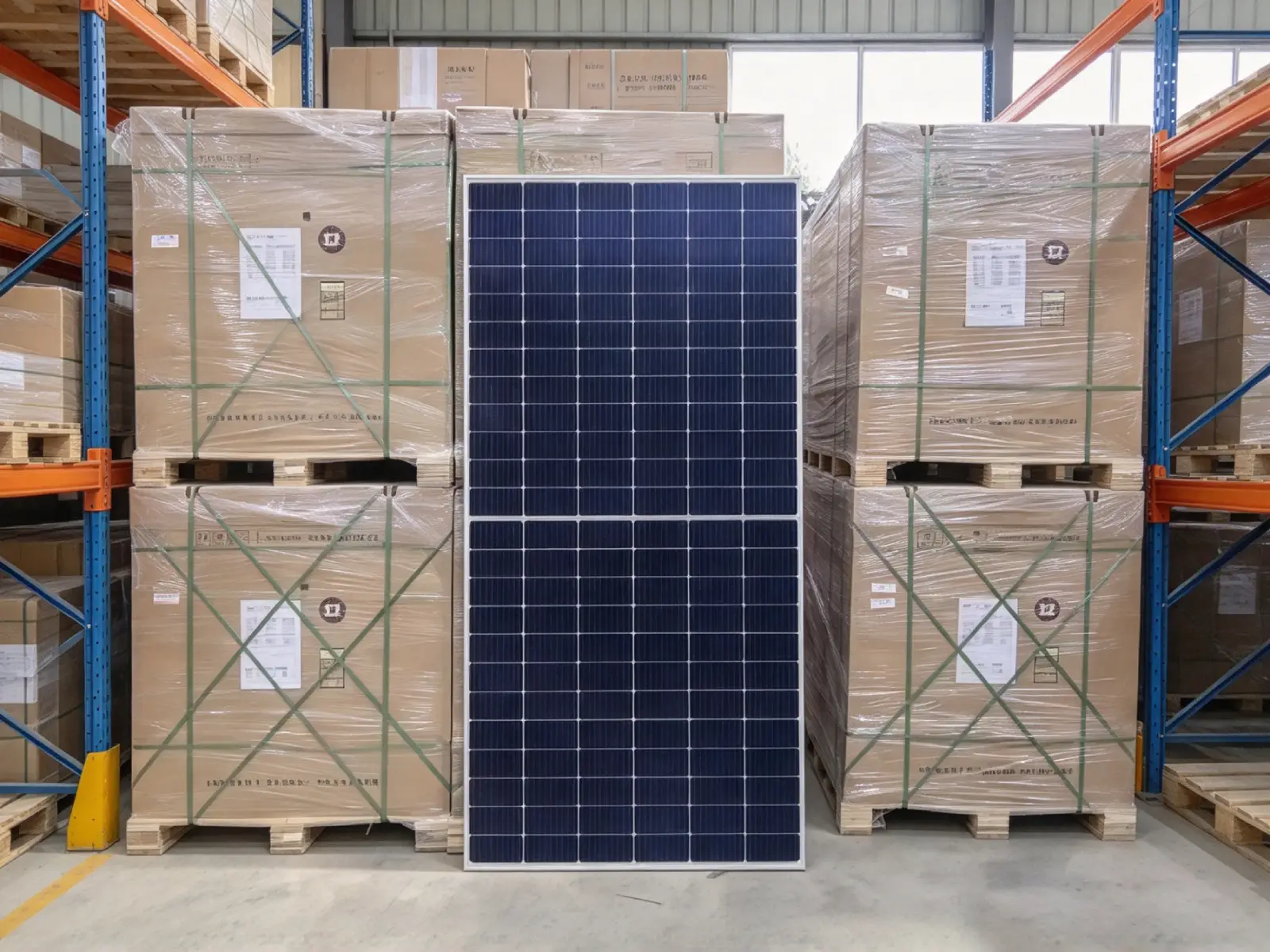
- Liftgate and Split-Shipment Premiums: If ordering by the pallet rather than a full container, standard LCL carriers will bill heavy liftgate fees if your drop-off site lacks warehouse offloading infrastructure.
4. Quality Control and Performance Degradation Liabilities
The true cost of a low-grade bulk solar component often manifests years after installation through structural failures or accelerated power degradation.
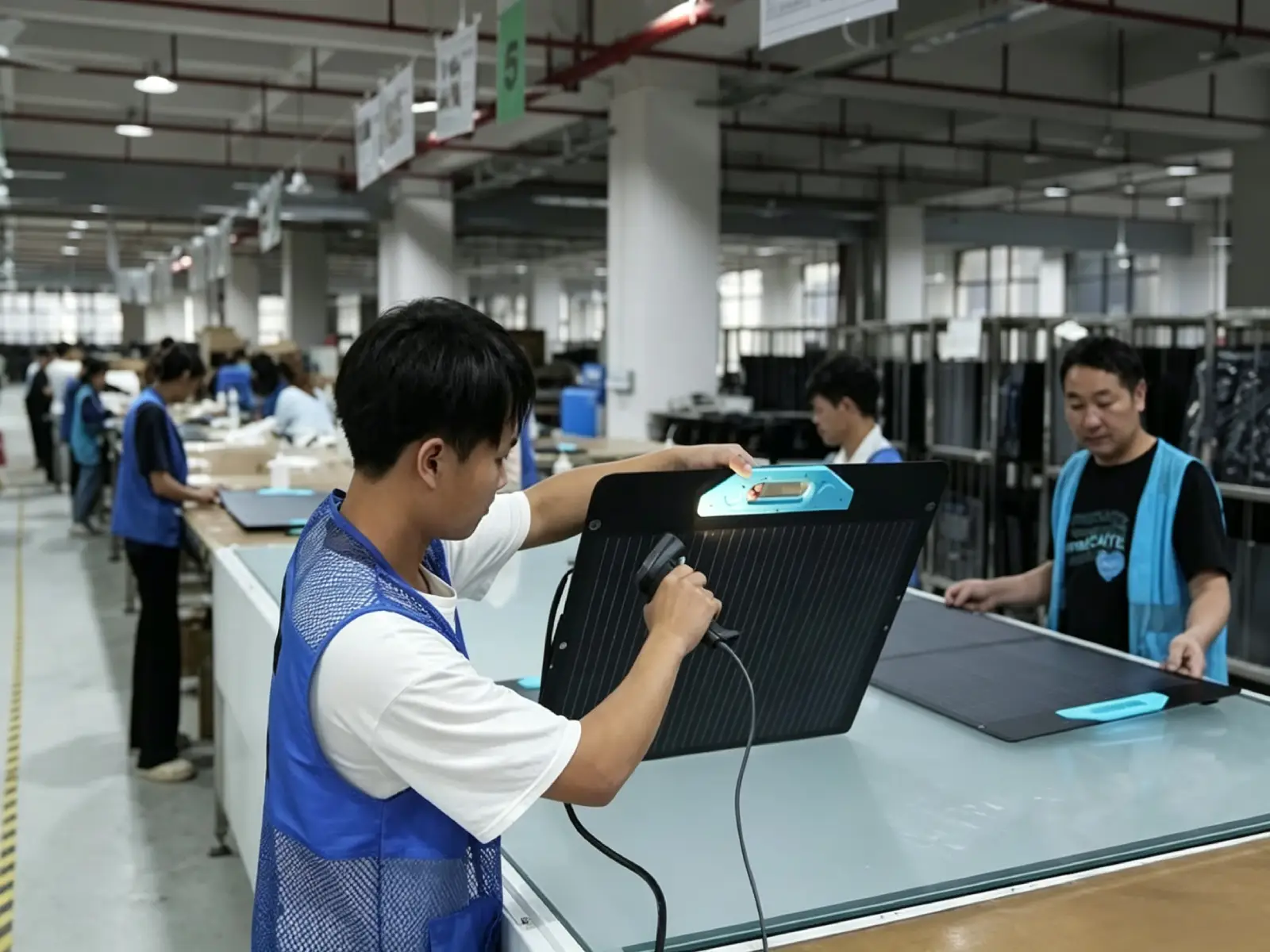
- Micro-Crack Damage: Standard visual inspections cannot detect micro-cracks in silicon cells caused by cheap pallet strapping or substandard maritime transport. Over time, these micro-cracks expand into hot spots, permanently destroying module power outputs.
- Warranty Discrepancies: While a factory may offer a “30-year linear power warranty,” filing a claim with an unrated, non-Tier 1 supplier located overseas is often legally impossible. If the manufacturer lacks an active legal presence or local insurance backing in your home market, the financial liability of a module failure rests entirely on your shoulders.
Conclusion: Securing a Predictable Landed Cost Structure
Successful bulk procurement requires pivoting away from factory-gate pricing and adopting an absolute Landed Cost mentality. By accurately mapping out international shipping structures, securing ironclad supply chain traceability paperwork, evaluating local job site offloading fees, and verifying factory EL test parameters, B2B procurement managers can completely neutralize hidden costs. Aligning your enterprise with transparent supply chain partners guarantees that your calculated margins translate cleanly into actual corporate profits.
About GTPOW | Gaotu Innovation
We’re your trusted solar solution provider. We offer customized commercial solar systems, OEM & ODM services, and end-to-end support for North American businesses. Reach out to discuss your rooftop solar project today.
Website: gtpowsolar.com
Email: info@gt-pow.com
Related Posts
Custom Flexible Solar Panels: Size, Voltage and Cable Design Guide
Custom flexible solar panels have become the top choice for off-grid, mobile, and space-constrained solar…
2026 Solar Panel Price: Portable, Foldable & RV Panel Cost
Many shoppers struggle with solar panel pricing: portable solar panels range from low-cost to premium…
How to Choose a Reliable Flexible Solar Panel Manufacturer
1. Why Flexible Solar Sourcing Frequently Fails Flexible solar panels have evolved far beyond basic…
Leave a Reply