

Solar Power Knowledge
Bifacial vs Monocrystalline Solar Panels: Which to Stock for Your Market
 gaotu
gaotuCore Summary
Quick Answers
What’s the difference between bifacial and monocrystalline solar panels?
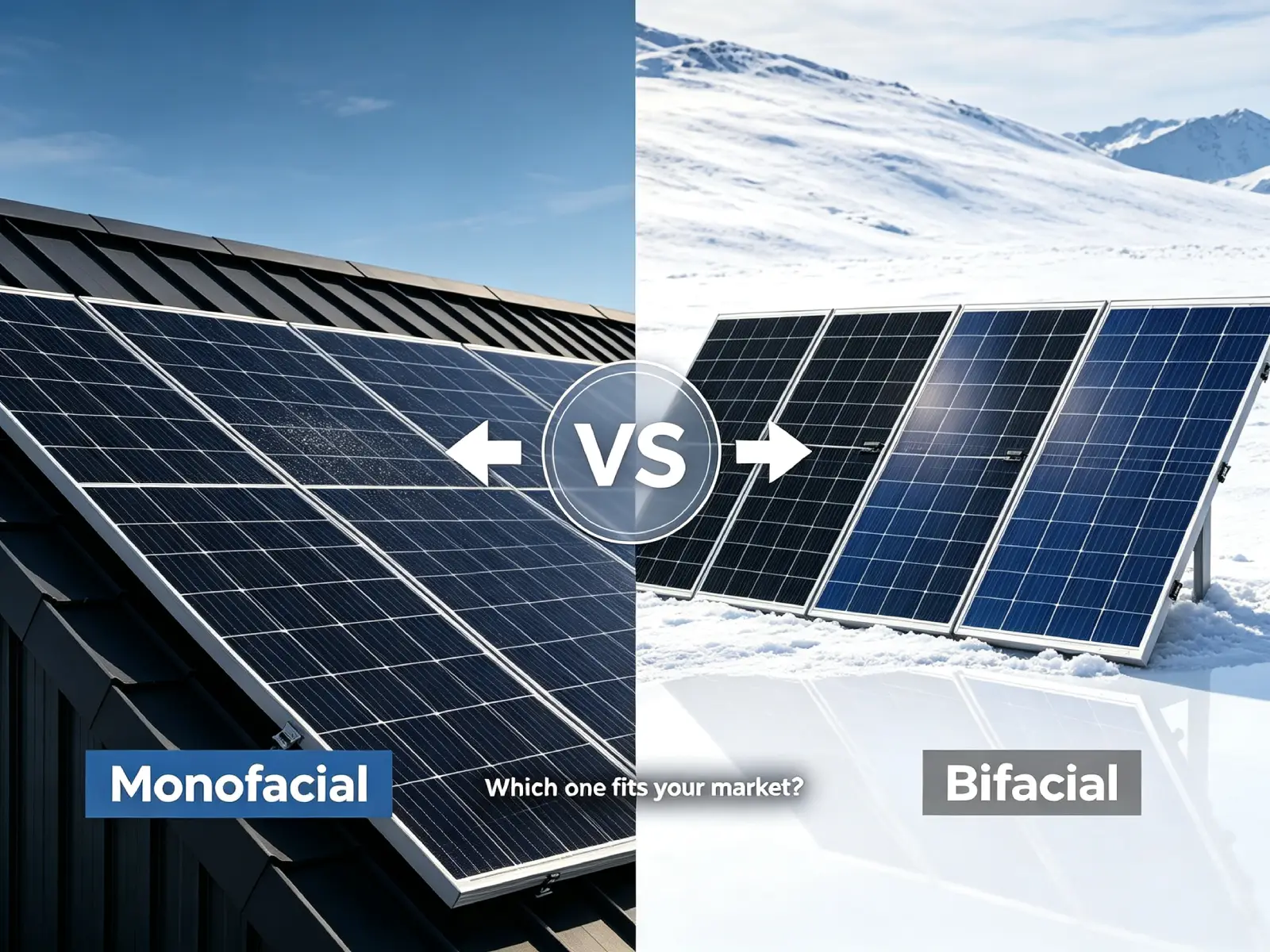
Monocrystalline refers to the cell material—single-crystal silicon. Bifacial refers to the panel’s ability to generate power from both the front and back. Most bifacial solar panels use monocrystalline cells, so they’re not mutually exclusive.
How much extra power do bifacial solar panels produce?
Real-world bifacial gain ranges from 5-25%, depending on installation height, surface reflectivity (albedo), and location. On a white roof or snowy ground, gain can reach 20-25%. On a dark rooftop, it can be under 5%.
When is a bifacial solar panel worth the premium?
When your customer has high-albedo ground (white membrane roof, snow, light-colored concrete), elevated mounting, or tracking systems. If the solar panel is flush-mounted on a dark asphalt roof, bifacial gain is minimal.
Are bifacial solar panels more expensive?
Usually 5-15% more than comparable monofacial monocrystalline solar panels. Whether that premium pays back depends entirely on the installation environment.
Should I stock bifacial or monofacial solar panels in my market?
If you sell to utility-scale and commercial projects with elevated mounting, bifacial is worth stocking. If you sell to residential rooftops or portable/outdoor applications, monofacial monocrystalline solar panels are usually the better inventory decision.
Let’s clear something up first.
Bifacial and monocrystalline get compared all the time, but they’re not the same category of thing.
Monocrystalline is about the cell. It’s a type of silicon—single crystal, higher purity, higher efficiency than polycrystalline. Most solar panels on the market today are monocrystalline. Poly is basically gone from new production.
Bifacial is about the solar panel. It’s a design that lets light hit the back side of the cells as well as the front, so the solar panel generates power from both sides.
Here’s the part most people miss: most bifacial solar panels use monocrystalline cells. So when a customer asks “should I buy bifacial or monocrystalline,” the real question is “should I buy a bifacial monocrystalline solar panel or a monofacial monocrystalline solar panel?”
That’s a different question, and it has a different answer depending on your market.
This article is the product selection layer of our Wholesale Solar Panels: A Complete Procurement Guide for Distributors and EPCs.
How Bifacial Solar Panels Actually Work
A standard monofacial solar panel has an opaque backsheet. Light hits the front, gets converted to electricity, and that’s it.
A bifacial solar panel replaces the backsheet with transparent material—usually glass, sometimes a transparent polymer backsheet. Light that passes through the solar panel or reflects off the ground behind it can hit the back side of the cells and generate additional power.
The key variable is albedo—how much light the surface beneath and around the solar panel reflects.
High albedo surfaces:
Snow: 80-90%
White membrane roof: 70-80%
Light concrete: 50-60%
Sand: 40-50%
Green grass: 20-30%
Dark asphalt: 10-15%
The higher the albedo, the more light bounces back onto the rear side of the solar panel, and the more bifacial gain you get.
How Much Extra Power Are We Talking About?
This is where marketing claims and reality diverge.
Manufacturer claims: 10-30% bifacial gain. Real-world field data: 5-25%, depending on conditions.
The variables that determine actual gain:
Installation height. The higher the solar panel, the more reflected light reaches the back side. Ground-mounted systems at 1.5-2m get much more gain than flush-mounted rooftop systems.
Albedo. As above. White or reflective surfaces make bifacial worth it. Dark surfaces don’t.
Geographic location. High-latitude locations with snow cover see significant bifacial gain in winter. Desert locations with sandy ground see moderate gain. Urban rooftop installations see minimal gain.
Tilt angle. Steeper tilt angles reduce rear-side irradiance. Flat or low-tilt installations benefit more.
Tracking systems. Single-axis trackers with bifacial modules are one of the most common configurations for utility-scale projects because the gain is maximized when the solar panel follows the sun.
Rule of thumb: If you can’t describe the albedo and mounting height of the installation, you can’t estimate bifacial gain. Don’t let a customer buy a bifacial solar panel for a dark asphalt roof and expect 20% more power.
The Real Comparison: Bifacial vs Monofacial Monocrystalline Solar Panels
Let’s put them side by side.
| Factor | Monofacial Mono | Bifacial Mono |
|---|---|---|
| Front-side efficiency | 21-23% | 21-23% |
| Bifacial gain | N/A | 5-25% (site-dependent) |
| Price premium | Baseline | 5-15% higher |
| Weight | Lighter | Heavier (glass-glass) |
| Durability | Standard | Better (glass-glass, PID-resistant) |
| Warranty | 25 years | 25-30 years |
| Best use case | Residential rooftop, portable | Utility-scale, commercial, elevated mounting |
Notice that front-side efficiency is basically the same. A bifacial solar panel doesn’t make the front of the solar panel more efficient. It adds a second generation surface on the back.
That’s the key insight: you’re not buying a more efficient solar panel. You’re buying a solar panel that can capture more light in the right environment.
When Bifacial Solar Panels Are Worth the Premium
Utility-scale ground-mounted projects. This is where bifacial dominates. Elevated mounting, high albedo ground (often gravel or light concrete), and tracking systems all maximize bifacial gain. The premium pays back within a few years.
Commercial flat roofs with white membrane. White TPO or PVC membrane roofs have high albedo. If the solar panels are ballasted and elevated, bifacial gain can be 10-15%.
Snowy regions. Winter albedo from snow can push bifacial gain to 20%+. In markets like Northern Europe, Canada, or Northern Japan, this is a real advantage.
Carports and canopies. Elevated structures with light-colored ground beneath them are ideal for bifacial solar panels.
Agrivoltaics. Crops and grass have moderate albedo, and the elevated mounting maximizes rear-side irradiance.
When Monofacial Solar Panels Are the Smarter Choice
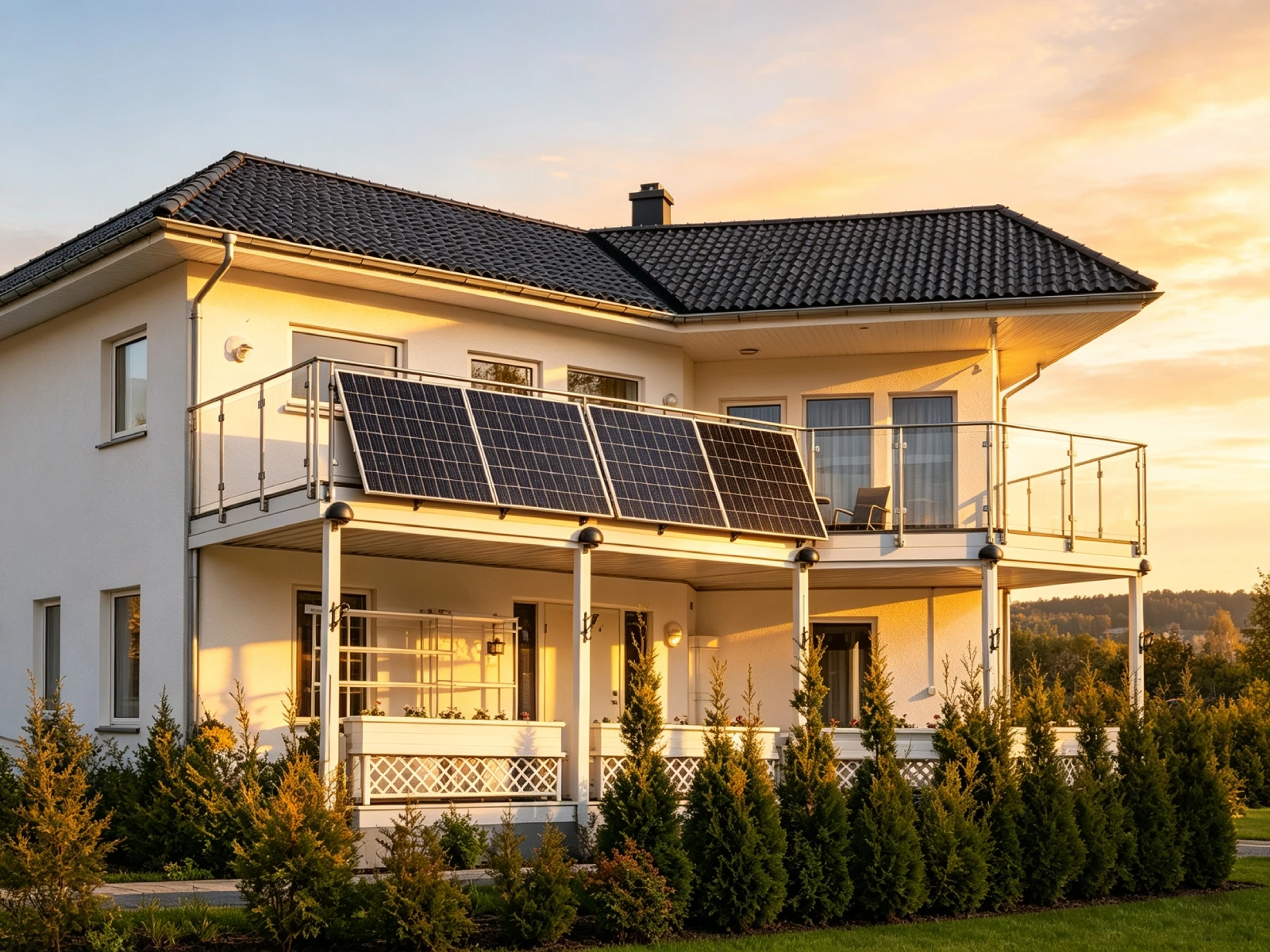
Residential pitched roofs. Flush-mounted on dark shingles or tiles, bifacial gain is minimal. You’re paying a premium for almost no benefit.
Portable and outdoor applications. Folding solar panels, solar backpacks, and camping setups don’t have a reflective surface behind them. Bifacial adds weight and cost for no gain.
Dark flat roofs. Asphalt or dark membrane roofs have low albedo. Bifacial gain is usually under 5%.
Budget-sensitive projects. If the customer’s priority is lowest cost per watt, monofacial solar panels are the better choice. Bifacial only makes sense when the installation environment supports the gain.
Space-constrained installations. Bifacial solar panels are often glass-glass, which is heavier. If structural load is a concern, monofacial may be the only option.
What This Means for Your Inventory
If you’re a distributor deciding what to stock, the answer depends on your customer base.
If your customers are mostly EPCs doing utility-scale and commercial projects: Stock bifacial solar panels. They’re becoming the default for new utility-scale installations, and your customers will expect you to have them.
If your customers are mostly residential installers: Stock monofacial monocrystalline solar panels. Bifacial premium isn’t justified on typical residential rooftops, and your customers won’t pay for it.
If your customers are in outdoor/portable markets: Stock monofacial solar panels. Bifacial has no advantage in portable applications.
If your market has snowy winters or high-albedo ground: Bifacial solar panels can be a differentiator. Make sure your sales material explains the albedo and mounting requirements, or customers will buy them, install them wrong, and see no gain.
If you’re not sure: Stock both, but keep monofacial as the volume SKU. Bifacial as a premium option for customers who know they need it.
The Supply Chain Reality
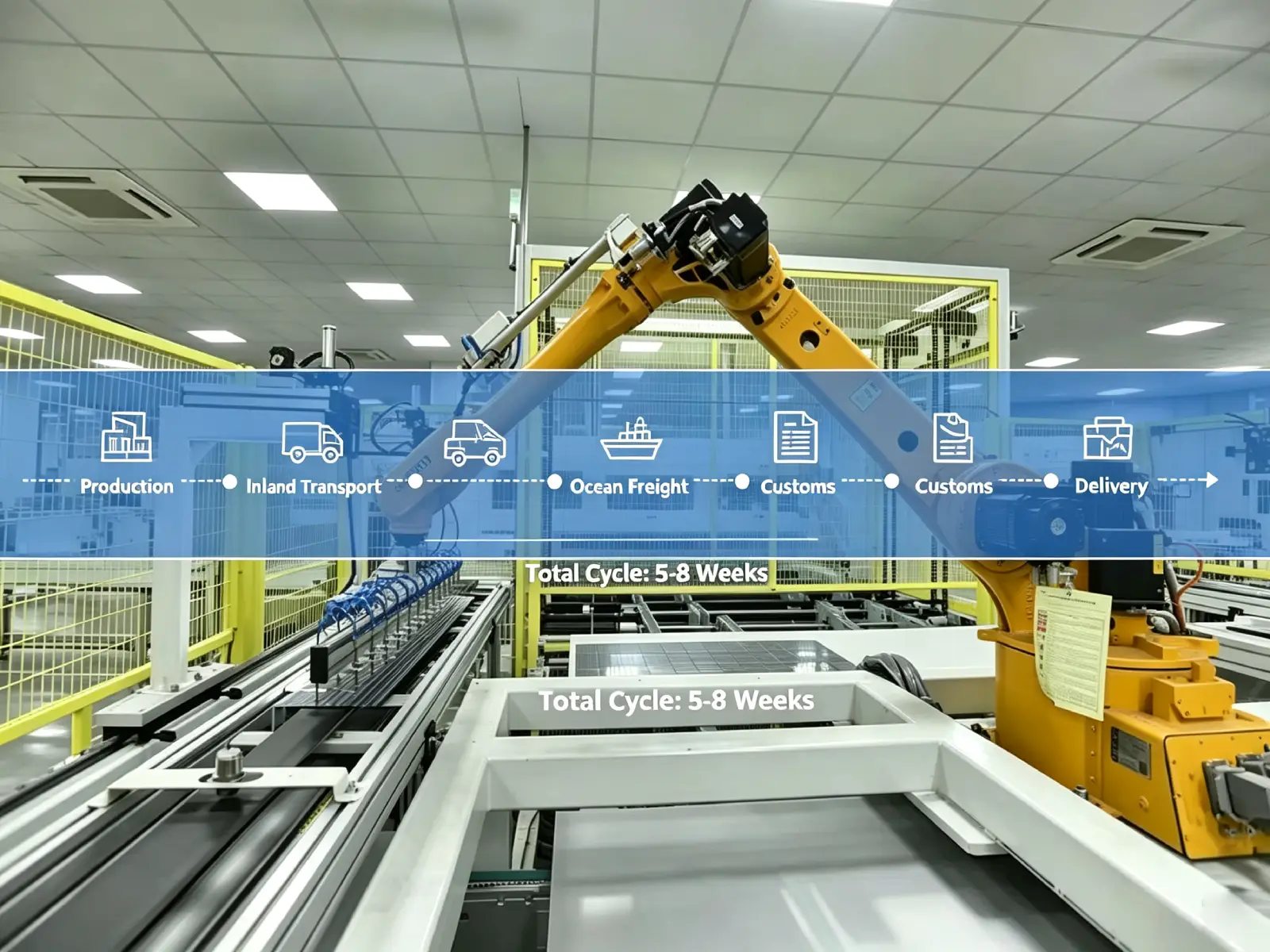
One more thing to consider: bifacial supply is growing, but it’s not universal.
Cell supply. Bifacial solar panels use the same monocrystalline cells as monofacial, but the cell architecture may differ (bifacial cells have different rear-side metallization). Make sure your supplier actually has bifacial cell supply, not just bifacial module assembly.
Glass supply. Bifacial solar panels typically use glass-glass construction, which requires two sheets of tempered glass per panel. Glass supply has been a bottleneck in some markets.
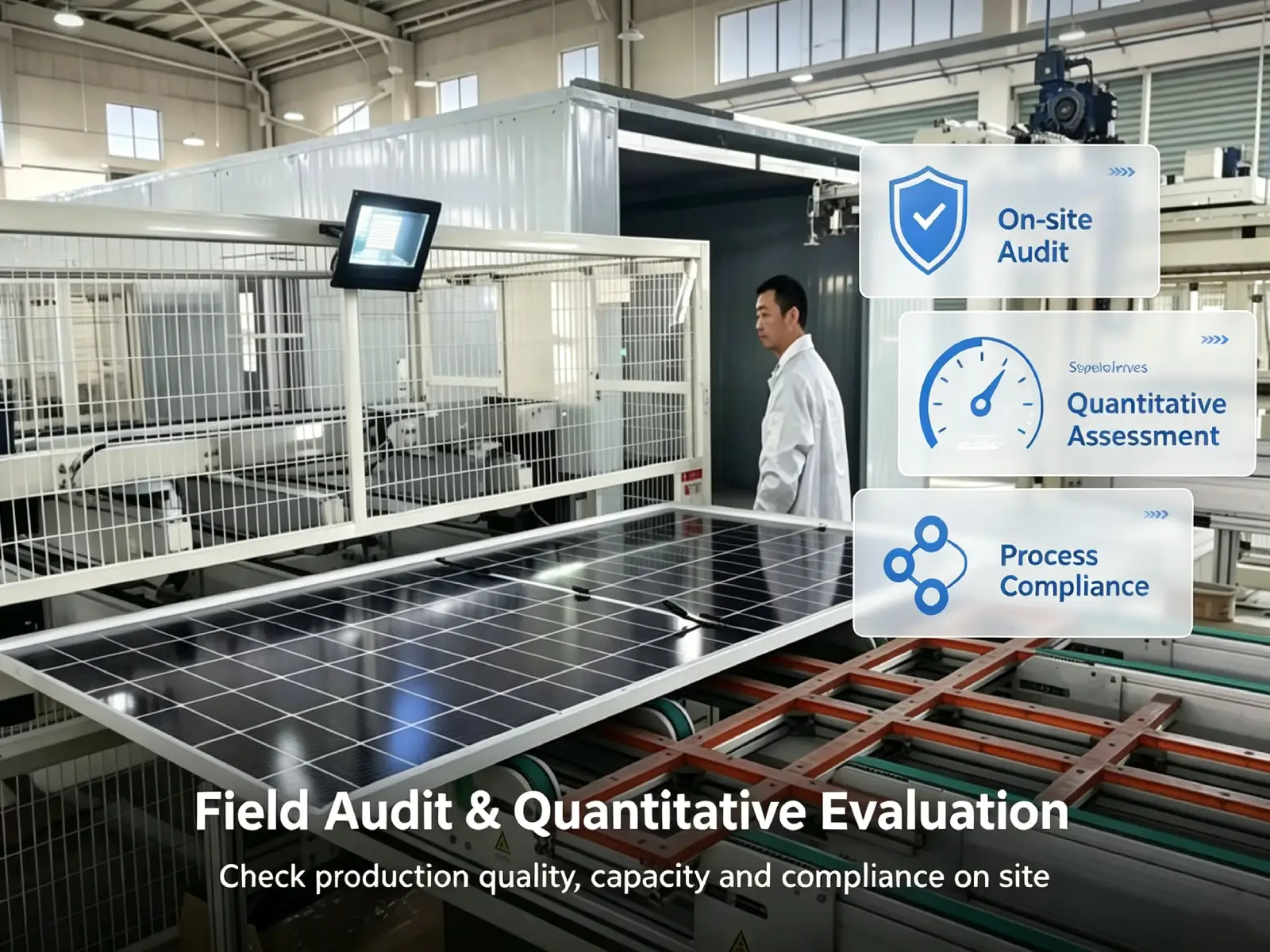
Certification. Bifacial solar panels require separate certification from monofacial. If your supplier only has monofacial certificates, they can’t legally sell bifacial into regulated markets. Verify the certificate covers the bifacial model.
Price volatility. Bifacial premium has been shrinking as production scales. What was 15% two years ago may be 5-8% now. Check current pricing before assuming the premium.
For a deeper look at certification verification, see our guide: [How to Verify Solar Panel Supplier Certifications: UL, IEC, TÜV Checklist].
Final Thought
Bifacial vs monocrystalline isn’t the right question. The right question is: what installation environment are your customers working with, and does bifacial gain justify the premium in that environment?
If the answer is yes, bifacial is a strong solar panel to stock. If the answer is no, monofacial monocrystalline is the smarter inventory decision.
Don’t sell bifacial as “more efficient.” Sell it as “more gain in the right conditions.” That’s the honest pitch, and it’s the one that keeps customers coming back.
This is the product selection layer of the procurement framework we laid out in the Wholesale Solar Panels: A Complete Procurement Guide for Distributors and EPCs. Get this right, and your inventory matches your market instead of sitting in a warehouse.
Match the solar panel to the environment. Then stock accordingly.
About Gaotu Innovation
Gaotu Innovation (Shenzhen) New Energy Group is a solar manufacturer with 18 years of OEM/ODM experience. We operate three manufacturing centers in Dongguan and Indonesia, with over 1 GW annual capacity and 380 global patents. Our products carry IEC, UL, CE, TÜV, and RoHS certifications, and we serve distributors and EPCs across North America, Europe, Japan, Korea, and Australia.
Have a specific procurement scenario? Reach us at info@gt-pow.com or visit www.gtpowsolar.com
Related Posts
820W Rigid Balcony Solar Kit | Customization Guide for Wholesalers
Wholesalers specializing in residential small solar systems, RV energy storage, and Rigid Balcony Solar Kit…
Private Label Portable Solar Panels: The Reseller's Guide to Escaping Price Wars
Private label portable solar panels are the only way to escape the price war. The Hard Truth…
Portable vs Fixed Solar Panels: Which One Should You Choose?
Most people shopping for solar power face the same dilemma: should they buy portable foldable…
Leave a Reply