

Solar Power Knowledge
The Best High Efficiency Solar Backpack for Hiking & Camping in 2026
 gaotu
gaotu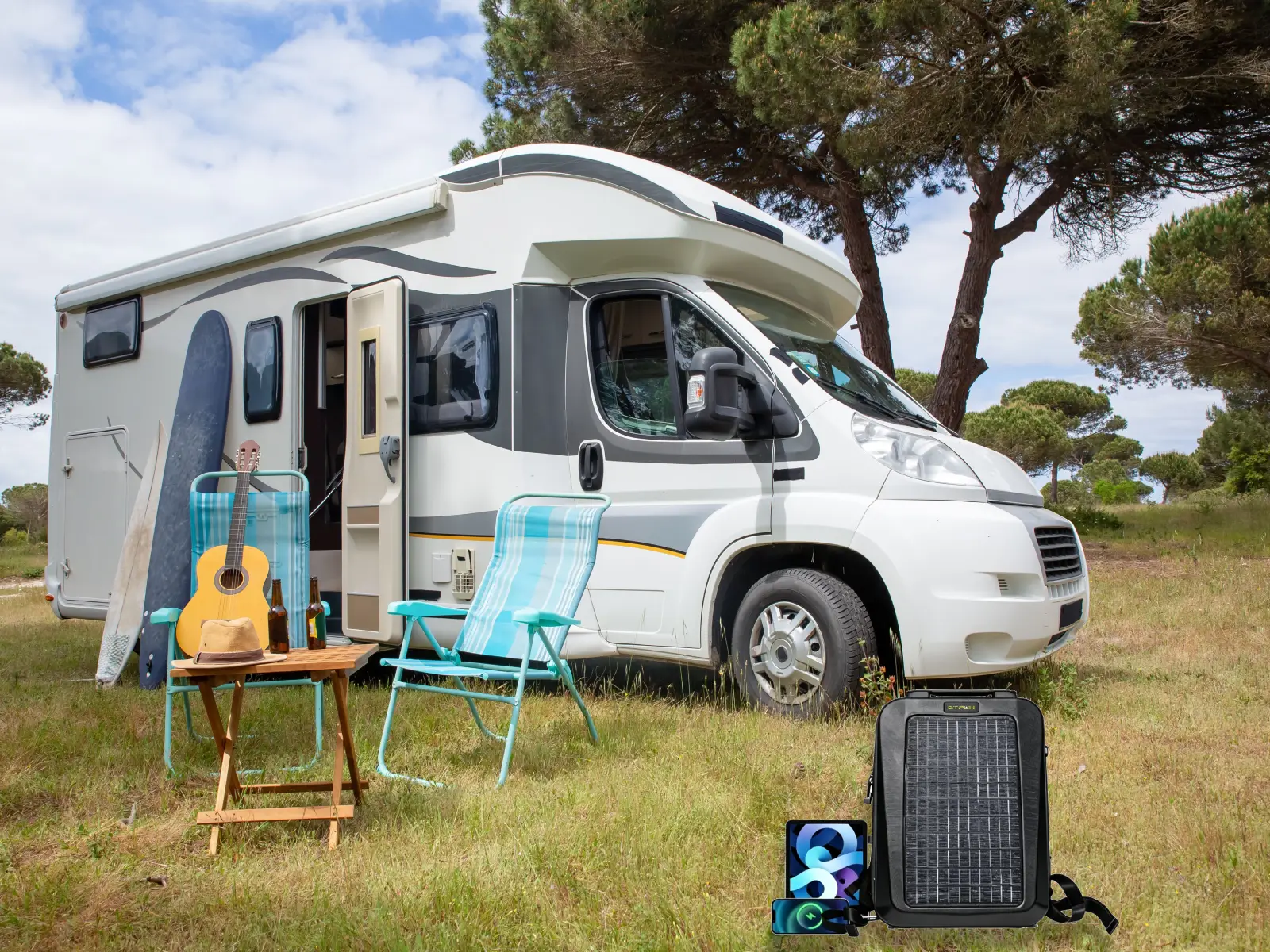
What Makes a High-Efficiency Solar Backpack Worth Buying for Outdoor Trips?
How to Tell if a Solar Panel Actually Performs Well
- Minimal power degradation: Premium monocrystalline cells only lose up to 1% power in their first year, then drop just 0.4% each year after that. Even after 30 years, they still hold 88% of their original charging capacity. Cheap panels lose most of their power output within a decade.
- Reliable low-light performance: High-efficiency monocrystalline cells trickle-charge your gear under clouds or tree cover. Low-end panels barely produce any electricity without direct, full sunlight.
Real Perks of This Integrated Solar Backpack
- The solar panel is built straight into the backpack’s hard shell—no separate foldable chargers to strap on, cutting down extra weight for lightweight hikes.
- Equipped with both USB-A and Type-C ports, so you can charge phones, action cameras, drone remotes, and headlamps all at once.
- One-piece PC hard shell with an IP68 dustproof and waterproof rating—rainy days and dusty mountain trails won’t damage it at all.
- Hollow ergonomic back panel paired with breathable foam padding, so you won’t sweat through your shirt on regular outings. There’s extra empty space in the back liner if you want to add small custom accessories later.
- Fantastic warranty coverage: 5 years of workmanship coverage for the backpack itself, plus a 2-year guarantee on solar power performance. It lasts way longer than disposable cheap solar chargers.
Solar Backpack Shopping Guide 2026 – Avoid Common Buyer Mistakes
1. Prioritize Solar Cell Conversion Efficiency
2. A 13W Power Rating Hits the Sweet Spot
- Type-C port supports fast charging up to 13W (9V/1.5A) for quick phone top-ups
- USB-A port delivers standard 10W charging
8W panels are too weak—they only power tiny gadgets like wireless earbuds or smartwatches. 18W+ packs weigh too much and defeat the point of lightweight hiking gear.
3. Ideal Weight & Capacity: 1.35kg / 15L
4. Don’t Skimp on Water & Dust Resistance
5. Breathable Back Support Is Non-Negotiable
Quick Buyer Warning List
- Budget polycrystalline backpacks barely charge anything on cloudy days—total waste of money for frequent outdoor trips.
- If you charge devices straight from the solar panel, grab a voltage regulator. Unstable power fluctuations can drain your phone’s battery or damage its internal circuits.
- Don’t grab oversized 20L+ packs blindly; all that extra weight makes steep climbs miserable.
- Cheap solar backpacks with zero waterproof protection are a hard pass for wilderness adventures.
Hands-On Review: GT-D-13W 13W Monocrystalline Solar Backpack
Full Spec Sheet
- Max Solar Output: 13W
- Solar Cell Type: Monocrystalline Silicon, 23.5% Conversion Efficiency
- Total Pack Weight: 1.35kg
- Internal Storage Capacity: 15L
- Overall Dimensions: 300130440mm
- Output Ports: USB-A (5V/2A), Type-C (5V/2A, fast charge 9V/1.5A)
- Protection Rating: IP68 Dustproof & Waterproof One-Piece PC Hard Shell
- Warranty: 5-Year Backpack Workmanship Warranty, 2-Year Solar Power Performance Warranty
- Operating Temperature Range: -10℃ ~ +60℃
Real-World Field Test Results
-
Charging Speed
In bright midday sunlight, a standard smartphone fully charges in roughly 3 hours. Even when hiking through shaded wooded trails, it steadily tops off drone remotes, mirrorless cameras, and camping LED lights—something cheap solar packs simply can’t pull off.
-
Extreme Durability Test
I’ve taken this pack through light rain, rocky dusty mountain trails, and rough campsites nonstop. The sealed hard shell locks out moisture and dirt to protect internal solar wiring, and the heavy-duty Oxford cloth shows zero scratches or wear after months of regular use.
-
Breathable Back Panel Experience
The hollow cutout ergonomic back frame plus breathable foam pad lets air flow constantly against your back. On spring and early summer short hikes, you won’t end up sticky and sweaty at all—it’s night and day compared to flat solid-back solar backpacks.
Honest Pros & Cons
- Industry-leading 23.5% high-efficiency monocrystalline panel, outperforming every budget pack at the same price point
- Dual fast-charging ports to power multiple outdoor gadgets at once
- Rugged waterproof hard shell built to handle rough hiking and camping conditions
- Built-in combination lock keeps cameras, drones, and other pricey gear secure
- Lightweight 1.35kg frame that fits seamlessly into any lightweight hiking loadout
- Ultra-slow solar power degradation, built to work reliably for decades
- Hollow vented back panel cuts down sweat during casual outdoor trips
Minor Drawbacks
On sweltering mid-summer days, after hours of steep uphill hiking, passive natural ventilation alone can’t fully beat extreme heat. Solar charging power also shifts slightly when the sun’s angle changes. The pack doesn’t ship with a voltage regulator included, which can cause unstable charging on heavily overcast days.
Best Use Cases for This High-Efficiency Solar Backpack
- Short & long-distance lightweight hiking: Ditch heavy power banks, stay comfortable with the vented back panel
- RV road trips & campground camping: Skip loud generators to charge phones, portable speakers, and small coolers
- Outdoor photography & drone expeditions: Constant steady power for cameras, drone controllers, and LED fill lights
- Family weekend picnics & beach trips: Waterproof solar power for kids’ gadgets and portable lanterns
- Off-grid wilderness exploration: Emergency reliable power for headlamps, GPS trackers, and communication devices
Frequently Asked Outdoor Fan Questions
Q1: How long does it take to fully charge a smartphone?
Q2: Do I need extra gear to charge my phone straight from the backpack?
Q3: How many years will the built-in monocrystalline solar panel last?
Q4: Is the 13W output enough to power all my outdoor electronics?
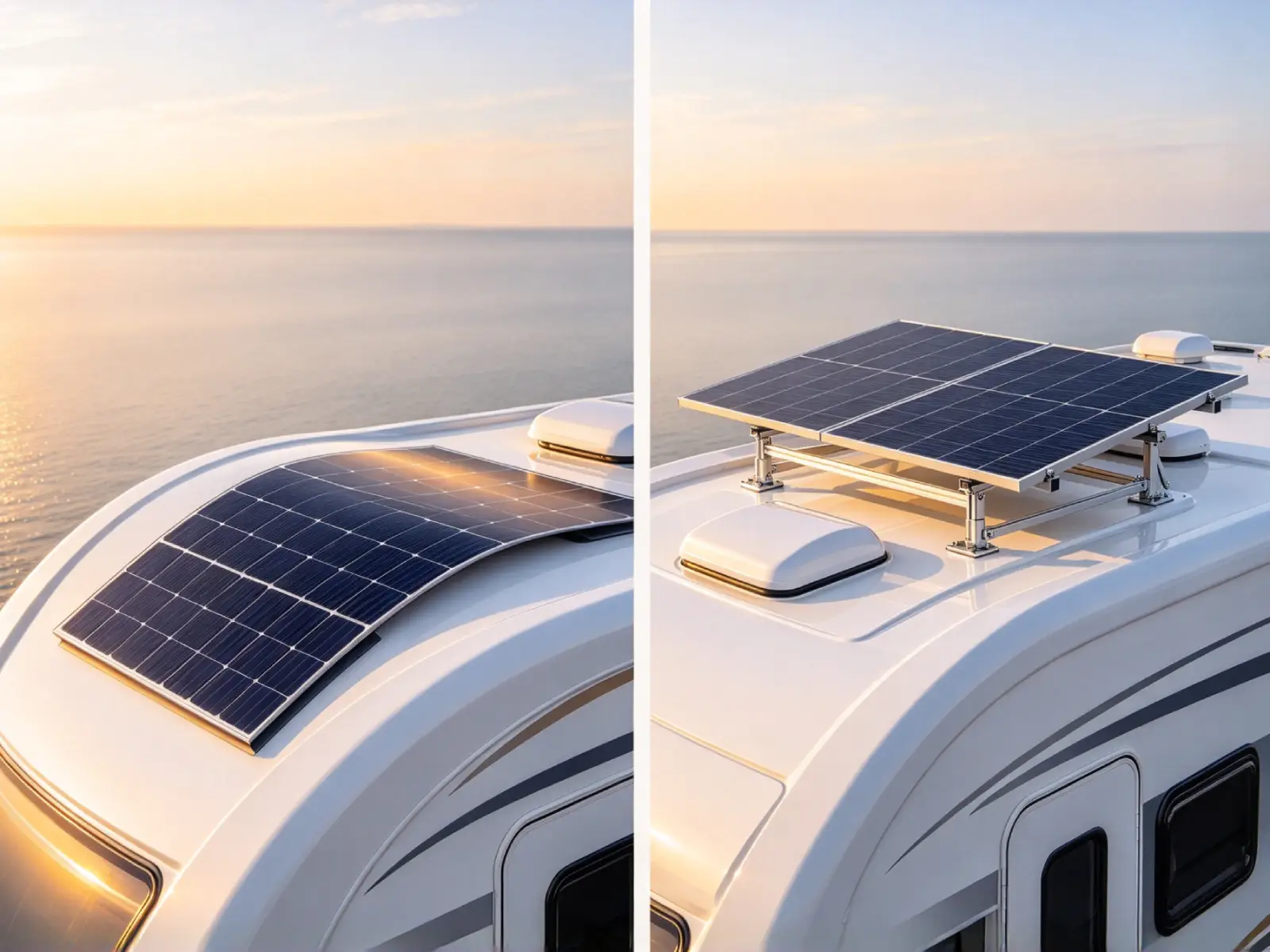
Q5: What’s the difference between flexible foldable solar panels and this hard-shell integrated solar backpack?
Final Thoughts
Related Posts
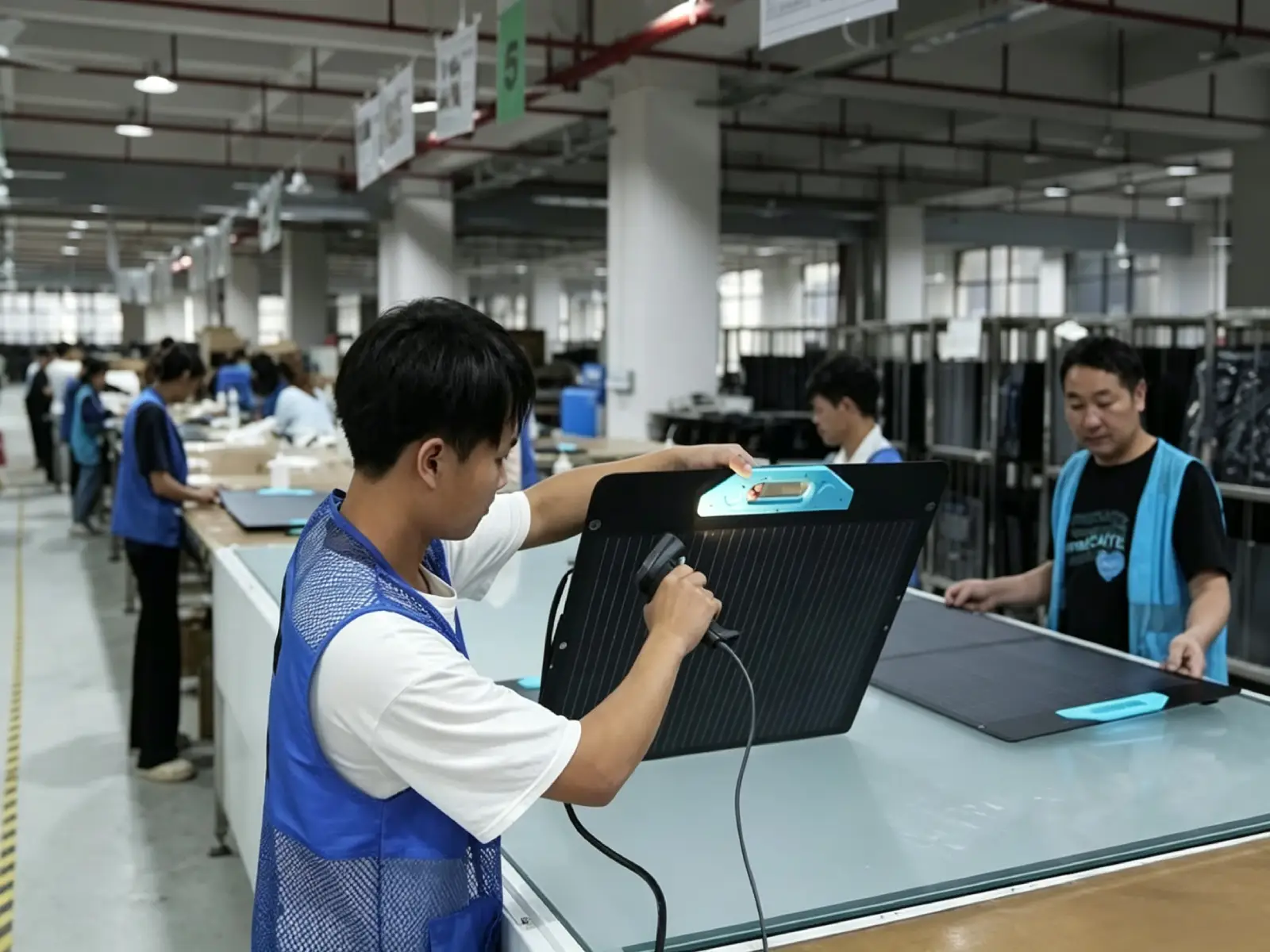
The Ultimate Guide to Wholesale Solar Panels: Sourcing, Pricing, and Logistics for B2B Buyers
Article Summary This guide helps B2B solar buyers, distributors and EPC contractors source wholesale solar…
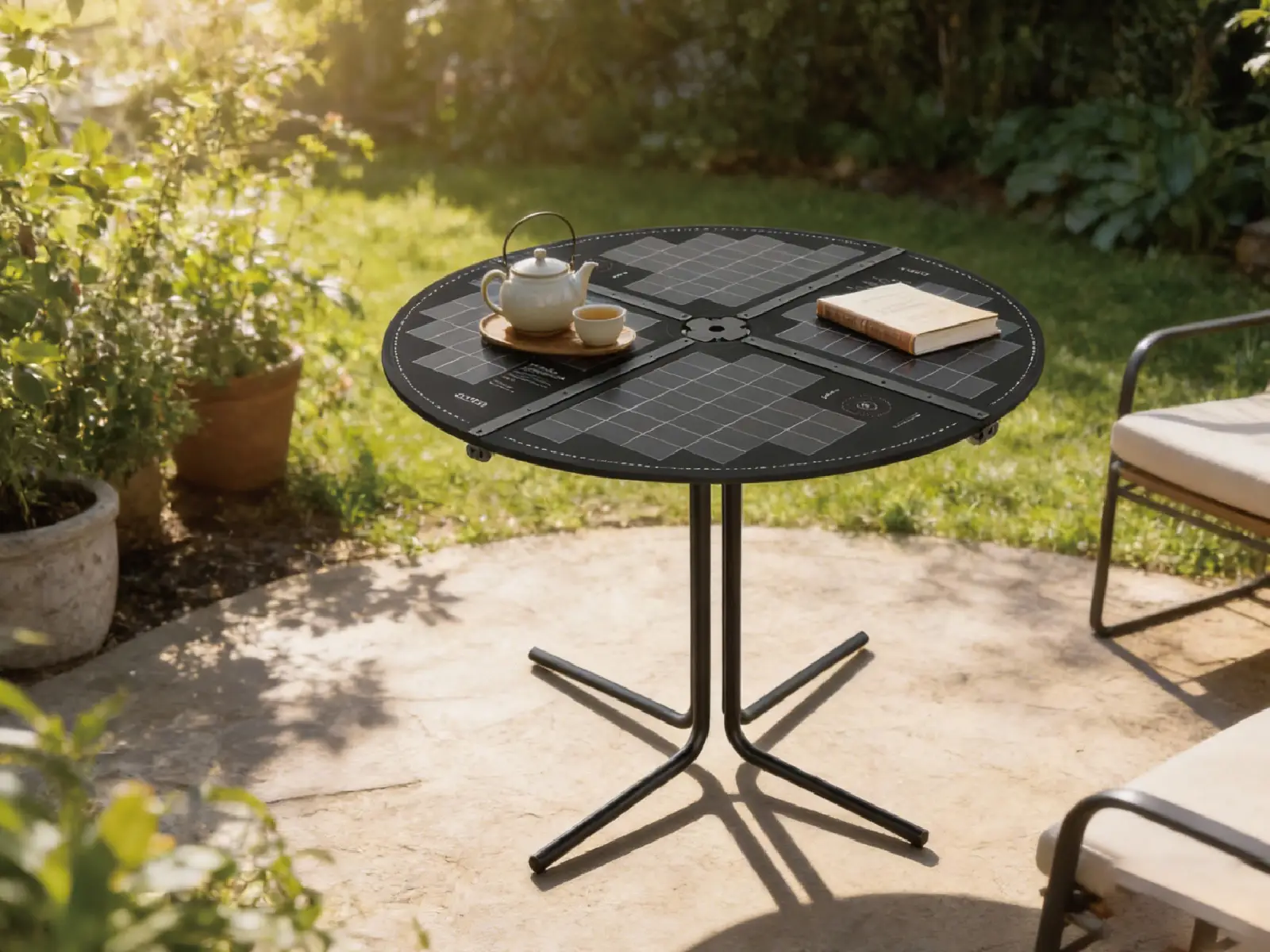
OEM ODM Solar Furniture Table | 25% High Conversion Solar Table for Global Distributors
Introduction: Why This Product Is a Must-Stock Item This Year Anyone in the outdoor energy…
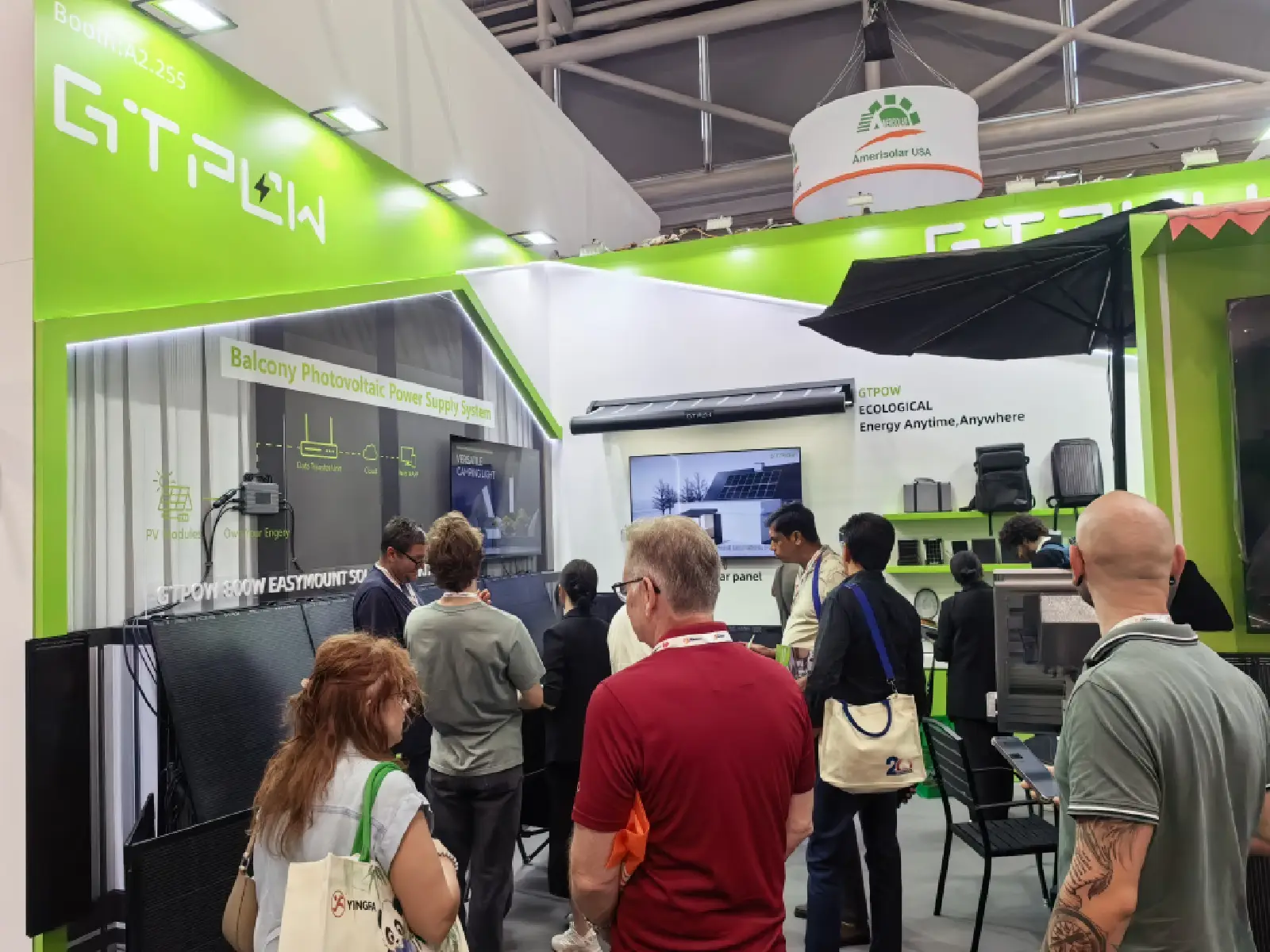
Gaotu Innovation Debuts at The smarter E Europe to Expand European Green Energy Layout
The European Smart Energy Show has wrapped up with great success! GTPOW made a prominent…
Leave a Reply