

Solar Power Knowledge
What Are the Different Types of Solar PV System?
 gaotu
gaotuSolar power has become super popular these days. You can see solar panels everywhere — on residential rooftops, balconies, factory buildings, and outdoor power stations. Most people know solar panels help cut electricity bills and even earn extra money, but few realize there are different types of solar PV systems. Each one works differently, fits unique scenarios, and comes with its own pros and cons. The three mainstream types you’ll commonly see are grid‑tied, off‑grid, and hybrid solar systems.
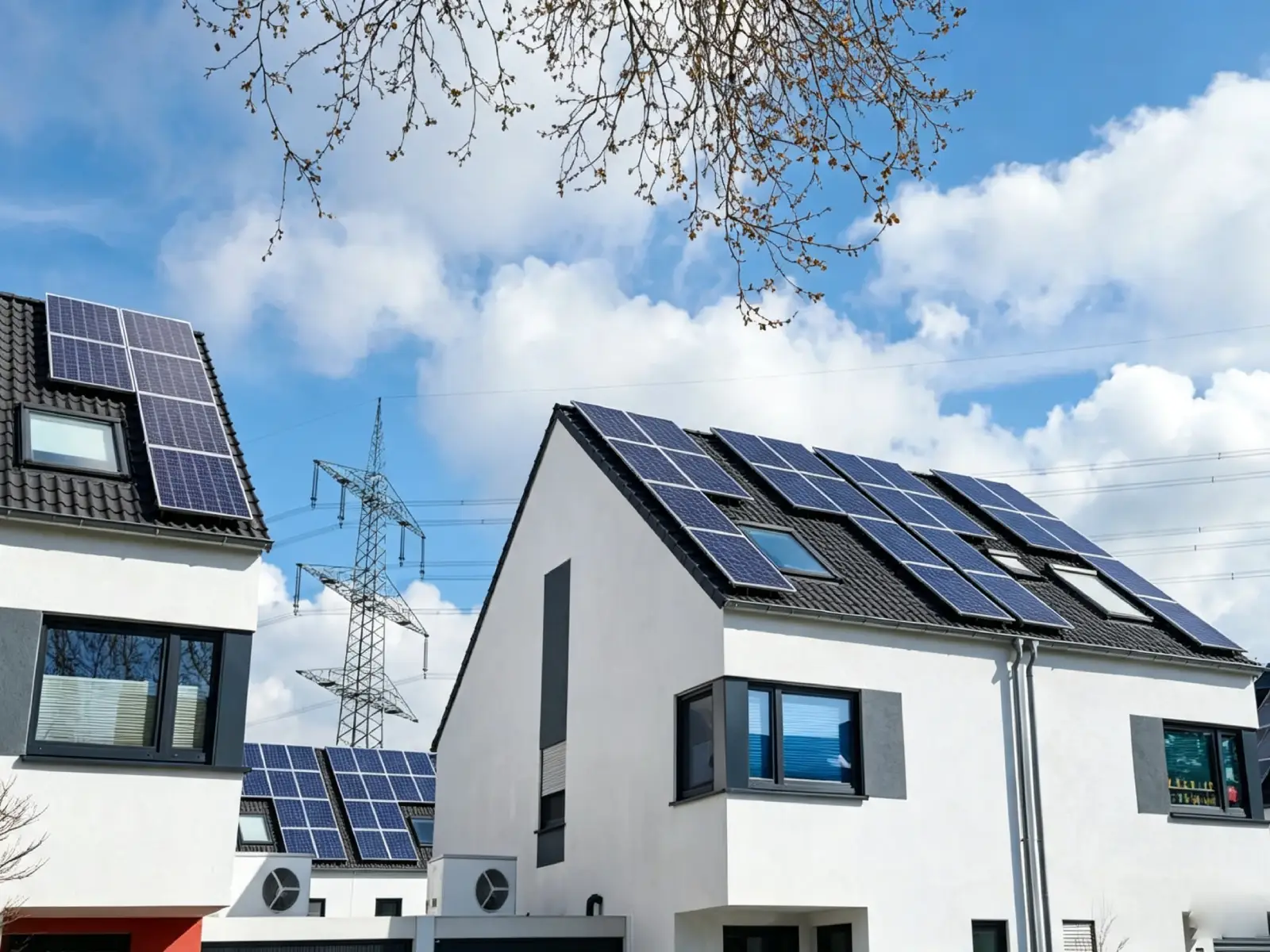
1. Grid‑Tied Solar System: The Top Choice for Most Homes & Businesses
Grid‑tied systems are the most common option for residential and commercial use in the US. Simply put, the solar panels connect directly to the public utility grid, and no large‑capacity batteries are required. The setup is simple and straightforward.
Here’s how it works in plain English: On sunny days, your solar panels generate electricity to power your home appliances first, which instantly lowers your electric bill. If your system produces more power than you use, the excess electricity automatically feeds back into the public grid. At night or on cloudy days when solar output is low, your home automatically switches to grid power, so you never lose electricity service. Many areas also offer net metering programs, letting you get bill credits or payments for the extra power you send to the grid.
The biggest perks of grid‑tied systems are their simple equipment, affordable installation cost, and minimal maintenance — they last for decades with barely any upkeep. However, there’s one key downside: your solar system will shut down automatically during a grid outage. This is a mandatory safety rule to protect utility workers repairing power lines. That’s why grid‑tied systems are perfect for homes and small businesses with reliable grid power that just want to save money and earn credits on their electricity bills.
2. Off‑Grid Solar System: Ideal for Areas With No Utility Grid Access
Off‑grid systems are the exact opposite of grid‑tied setups. They operate completely independently and don’t rely on public utility power at all. These systems require batteries and charge controllers to work, and they’re designed specifically for locations with no grid electricity.
The working principle is easy to understand: During the day, solar panels produce power for immediate use, and any leftover energy gets stored in solar batteries. At night or on rainy, overcast days when panels can’t generate power, the batteries kick in to keep your devices and home powered. It’s crucial to calculate your local sunlight hours and daily power usage before installation, otherwise you’ll end up with insufficient power or wasted equipment capacity.
The biggest advantage is total energy independence — you can generate and use electricity anywhere, no grid required. The downsides are higher upfront costs thanks to expensive battery packs, plus ongoing maintenance. Batteries are wearable parts that need regular checks and eventual replacement, adding long‑term expenses. Off‑grid systems are mainly used for remote cabins, wilderness signal towers, boats, RVs, and outdoor camping sites with no grid access.
3. Hybrid Solar System: Saves Money & Provides Backup Power
A hybrid solar system is basically the best of both worlds — it combines all the advantages of grid‑tied and off‑grid systems. It connects to the public grid and comes with battery storage, making it the most functional and flexible option on the market. It’s a top pick for modern households and small businesses that prioritize power reliability.
When the grid is working normally, it operates just like a standard grid‑tied system. Solar power is used first for your home needs, and surplus energy can either be stored in batteries or sent back to the grid for credits. The biggest benefit kicks in during unexpected blackouts or grid maintenance: the system automatically switches to battery backup mode, keeping your lights, AC, fridge, and all essential appliances running without interruption.
To put it simply, hybrid systems let you save on daily electricity costs and have reliable backup power during outages, reducing your reliance on utility companies. The only downside is the higher upfront investment — battery storage and smart control systems make it more expensive than basic grid‑tied setups. It’s perfect for properties with frequent power outages, or anyone who wants maximum energy independence and stable power supply.
Additional: Solar System Types by Installation Style
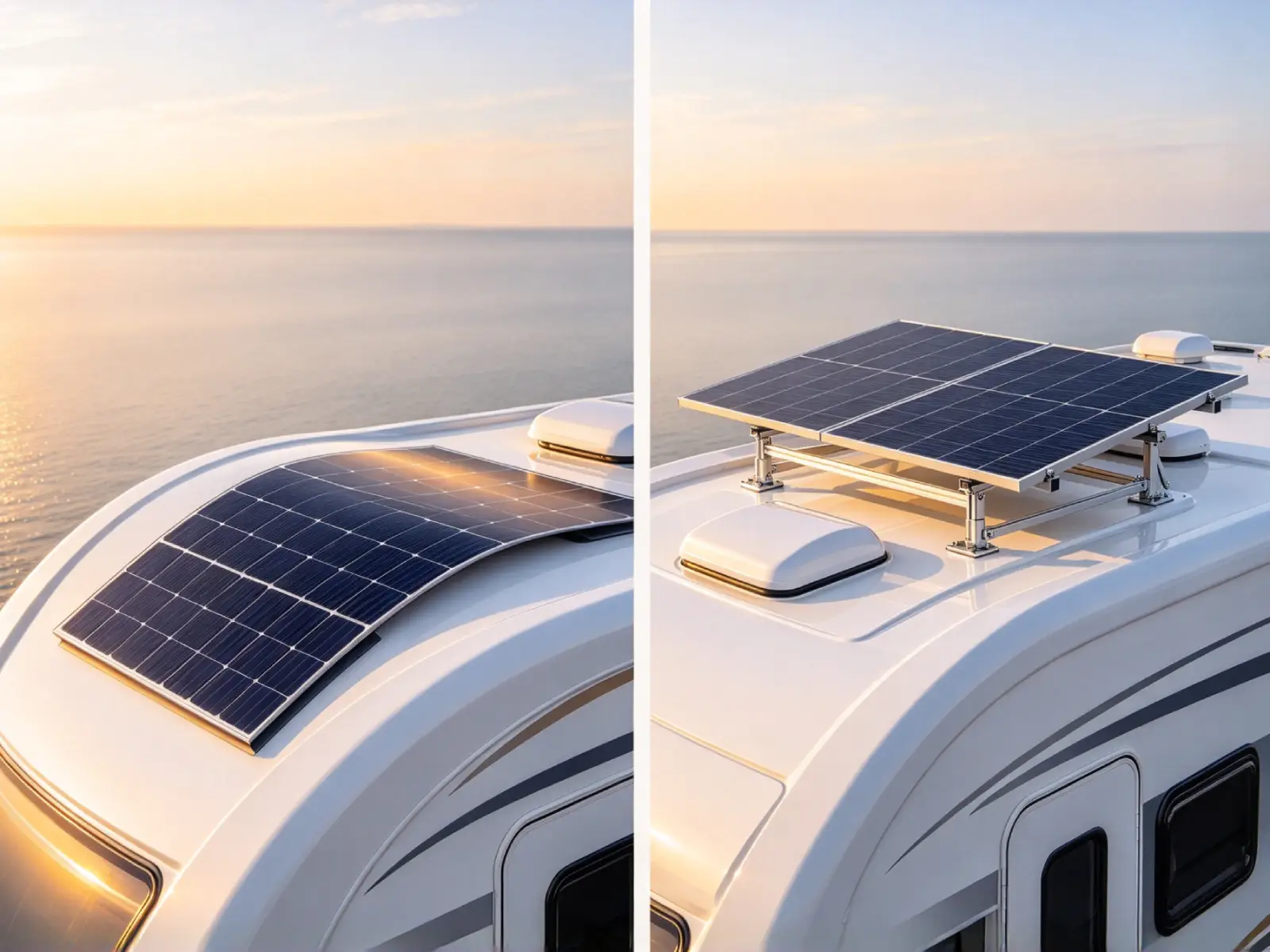
Besides the three main power supply types, solar PV systems can also be categorized by their installation method. Common options include rooftop solar, balcony‑mounted solar, ground‑mounted utility‑scale solar, floating solar for water bodies, and portable flexible solar panels, suitable for homes, factories, water areas, and outdoor scenarios.
How to Pick a Suitable Solar PV System for Your Needs?
Here’s a simple rule of thumb for choosing the right system: Pick grid‑tied for regular home savings, off‑grid for remote off‑grid locations, and hybrid if you want backup power and double protection. You can choose the best fit based on your location, power needs, and budget to enjoy affordable, clean solar energy.
Customer FAQ (Most Common Questions Answered)
Q1: Which solar system is best for regular homes? Do I really need battery storage?
A: For almost all suburban and urban homes, a grid‑tied system is the best and most cost‑effective choice. Most residential areas have stable grid power with rare outages, so spending extra on batteries is unnecessary. Only go for a hybrid system if your area has frequent blackouts, or if you have critical devices (like refrigerators, security cameras, or aquatic equipment) that can’t lose power.
Q2: Can grid‑tied solar power my home during a blackout? Does it store power for later use?
A: No, it can’t. This is one of the most common misconceptions! Standard grid‑tied systems have no battery storage. They automatically shut down during grid outages for safety reasons and cannot supply backup power. They also can’t store electricity — all generated power is either used immediately or sent back to the grid. You’ll need a hybrid or off‑grid system if you want energy storage and backup power.
Q3: Can I install an off‑grid system for my city home? Is it worth the money?
A: It’s not recommended and extremely cost‑ineffective. Off‑grid systems require large, expensive battery banks, plus regular maintenance and battery replacements over time. City homes already have stable, reliable grid power, so off‑grid setups are totally unnecessary here. They’re only designed for remote locations with no utility grid access.
Q4: How much more expensive is a hybrid system vs. a grid‑tied one? Is the upgrade worth it?
A: Hybrid systems cost significantly more due to added battery storage and smart management systems. If you live in an area with consistent, reliable grid power, the upgrade is not worth the extra cost. However, if you deal with frequent blackouts, unstable grid service, or want full energy independence, hybrid systems are absolutely worth the investment — they deliver daily energy savings and reliable emergency backup power.
Q5: How much maintenance do solar systems require? Do they break down often?
A: Grid‑tied systems need the least maintenance and have extremely low failure rates. You only need to clean dust and leaves off the solar panels a few times a year. Hybrid and off‑grid systems require slightly more upkeep because of their batteries — you’ll need to routinely check battery health and wiring conditions, and replace batteries once they reach the end of their lifespan.
Q6: What category do balcony and rooftop home solar systems fall into?
A: Nearly all residential balcony and rooftop solar setups are grid‑tied systems. They only differ in installation location, with the exact same working principles and power supply modes as standard grid‑tied solar, making them compliant, low‑risk options for home solar installation.
About Us
We are a professional solar energy solution provider dedicated to designing, manufacturing, and supplying high-quality solar PV systems and renewable energy products for global residential, commercial, and industrial clients. With rich industry experience, we offer customized grid-tied, off-grid, and hybrid solar power systems, covering system design, product supply, technical support, and after-sales service. We focus on stable performance, cost efficiency, and reliable long-term power solutions, helping customers worldwide achieve energy savings, power independence, and greener energy consumption.
Related Posts
Hidden Costs to Avoid When Buying Solar Panels in Bulk
Article Summary Many B2B solar buyers only compare factory FOB per-watt pricing and overlook a…
Customized ETFE Portable Solar Panel: Wholesale, OEM & ODM for Business
The global demand for outdoor portable power solutions has grown rapidly in recent years. With…
Plug‑In Solar Panels: Are Balcony Solar Kits Worth It?
Plug‑In Solar Panels: Are They Worth It? Balcony Solar Kits, also known as plug-in solar…
Leave a Reply