

Solar Power Knowledge
Portable Solar Foldable Panel Sourcing Guide for Wholesalers
 gaotu
gaotuIf you supply brick-and-mortar stores, cross-border distributors, outdoor gear wholesalers, and RV accessory suppliers, you should never source portable solar panels by only comparing prices and rated wattage. Your product selection needs to take a full range of factors into account, including end-user usage scenarios, device compatibility, logistics and storage, outdoor durability, and after-sales warranty coverage. Today, we will outline a complete sourcing strategy across segmented end-user demands, core parameter benchmarking, material and production craftsmanship, supporting accessory kits, and common market traps. This will help wholesalers place precise inventory orders, improve sales turnover, and reduce after-sales conflicts.
I. Power Segmentation by End-Use Scenarios (Core Inventory Planning Reference)
Actual outdoor power generation efficiency only reaches 70%–80% of the rated nominal wattage. We recommend reserving a 20% power buffer when recommending products to buyers. Inventory can be categorized into three tiers based on distribution channels:
1. Entry-Level Ultra-Light Models (30W–60W)
Compatible Channels: Outdoor retail shops, supermarkets, corporate gift bulk orders, emergency supply retailers, hiking gear stores End Consumers: Day hikers, short-distance picnic enthusiasts, households for power outage backup, student travelers Supported Devices: Smartphones, Bluetooth earbuds, cameras, power banks, smartwatches, LED camping lanterns Product Selling Points: Ultra-light foldable design, built-in USB/Type-C direct charging, low wholesale price, fast turnover rate Limitations: Limited power output; unable to run laptops, portable car refrigerators and other high-wattage appliances. Ideal as loss leader promotional items.
2. Mid-Tier Bestsellers (80W–150W) – Core Profit SKUs
Compatible Channels: Self-driving supply stores, one-stop camping shops, cross-border e-commerce, professional outdoor gear retailers End Consumers: People taking 2–3 day short camping trips, road trippers, outdoor photographers & remote office workers Supported Devices: Smartphones, laptops, drones, compact portable car fridges, camping ambient lights Mandatory Specs: Built-in DC output port + integrated MPPT charge controller for stable power generation under low light; compatible with most mainstream portable power stations on the market. This segment has the highest market demand and serves as wholesalers’ primary profit driver.
3. High-Wattage Complete Kits (200W & Above)
Compatible Channels: RV modification garages, off-grid energy storage distributors, engineering emergency procurement, large overseas supermarkets End Consumers: Long-term full-time RV dwellers, backcountry long-haul campers, households with heavy disaster preparedness needs Powered Equipment: Compressor-type car fridges, electric cookers, power tools, high-capacity portable power stations Product Advantages: Multi-fold large-area solar panels, standard MC4 fast-charging ports supporting parallel expansion of multiple panels. Generates sufficient power during daytime to fully operate off-grid without grid electricity. Features high unit customer price and sizable profit margins.
II. Core PV Parameter Comparison – Distinguish Product Grades for Downstream Buyers
1. Solar Cell Material (Defines Product Positioning Directly)
- Monocrystalline Silicon (Recommended Mid-to-High-End, Universal for All Channels) 21%–24% photoelectric conversion efficiency; superior power generation performance on cloudy and low-light days. Compact footprint with a service lifespan of over 25 years; black panel appearance. The mainstream material for all foldable portable series, with the highest repurchase rate among hiking and camping users.
- Polycrystalline Silicon (Low-Cost Volume Alternative, Fixed-Scene Only) Only 15%–18% conversion efficiency; stable power output solely under strong direct sunlight, with drastically reduced power generation on cloudy days. Low production cost with competitive wholesale pricing. Suitable for low-budget fixed-placement bulk orders only; not recommended as core outdoor inventory.
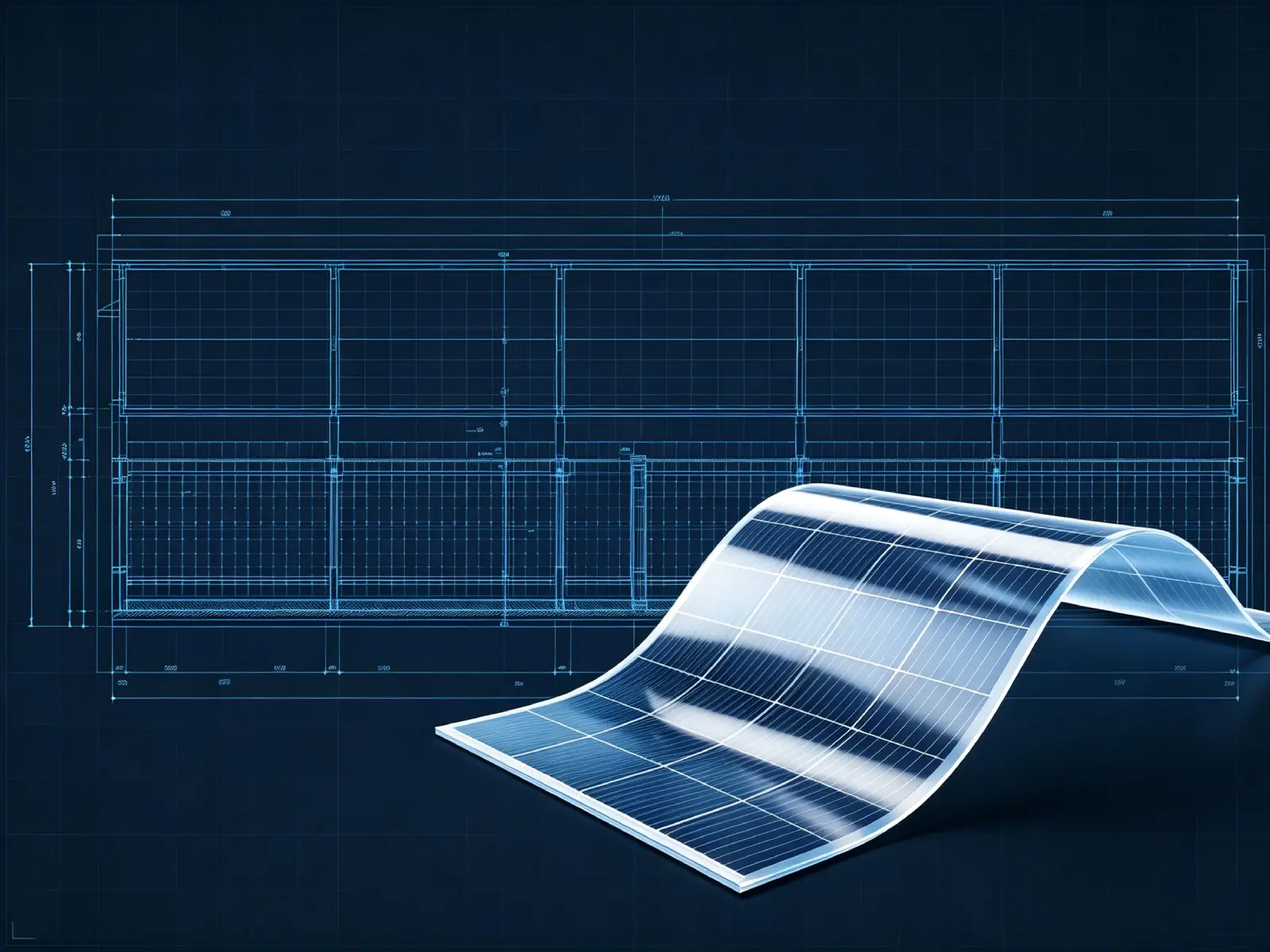
- Flexible Thin-Film Panels (Niche Segment, Small Batch Stock Only) Extremely lightweight and rollable, yet merely 7%–10% conversion efficiency, requiring larger panel dimensions to match equivalent wattage. Caters exclusively to minimalist ultralight backpackers with narrow consumer demand; mass stocking is not advised.
2. Panel Light Transmission Lamination Film
All mid-to-high-end models adopt ETFE light-transmitting film, featuring high light transmittance, scratch resistance, UV resistance, and 3x longer weatherproof service life. Cheap standard PVC film yellows and ages rapidly, triggering high after-sales failure rates; avoid long-term bulk stocking of PVC-covered panels.
Industry Sourcing Standard: Prioritize panels with conversion efficiency above 22% for mainstream outdoor retail. Products below 18% conversion deliver slow charging speeds and draw numerous end-user complaints.
3. MPPT Charge Controller (Must-Have Value-Adding Feature)
All mid-to-high-end units must integrate an MPPT module, boosting charging efficiency by 30% with built-in voltage stabilization, overcharge protection, and battery safeguard functions. Low-cost bare panels without controllers carry volatile voltage that can easily burn out portable power stations and vehicle batteries, exposing wholesalers to high after-sales compensation risks. Exercise caution when sourcing these bare panels.
III. Portable Structure & Weight Tiered Inventory – Match Carrying Needs of Different Buyers
- Hiking Loss Leader SKUs (30–60W): 2–4 fold ultra-thin structure, single unit weight under 2kg, built-in hanging loops for backpack attachment. Minimal warehouse footprint and lower logistics expenses.
- Self-Driving Camping Profit SKUs (80–150W): Ultra-lightweight design is not required; equipped with adjustable metal support brackets for customizable sun-facing angles, better end-user experience and higher markup potential.
- RV High-Wattage SKUs (200W+): Multi-fold large panels paired with thick padded storage bags for flexible repositioning to capture sunlight, compensating for shaded fixed roof panels on RVs. Complete kit shipments deliver higher total profit.
Sales Pitch Bonus for Wholesale Distribution: Models with adjustable metal brackets serve as a differentiated selling point. Users can freely angle panels toward direct sunlight to maximize power output, making it easier to close sales with end customers.
IV. Waterproof Rating & Material Craftsmanship – Control Factor for Product Return Rates (Wholesaler Critical Inspection Point)
Outdoor use exposes panels to rain, sand, extreme hot & cold temperatures; waterproof rating directly impacts return & exchange volume.
- Waterproof Rating Classification
- IP54 Entry-Level: Splash-proof only, cannot withstand direct rain; for clear-sky short trips, solely for low-price gift bulk orders.
- IP65 / IP67 Standard Outdoor Grade: Safe during short rain showers, universal for camping and road trips, mainstream rating for core selling inventory.
- IP68 Premium Grade: Tolerates temporary shallow submersion; ideal for heavy rain and wading backcountry scenarios, targeting high-end outdoor and overseas bulk orders.
- Outer Fabric & Sealing Craftsmanship Premium units feature thickened wear-resistant waterproof Oxford fabric paired with ETFE light film, operating stably within -40℃ to 85℃ temperature range. Silicone sealing on all folding seams blocks moisture and prevents short-circuit damage to solar cells. Low-quality panels lack professional sealing, prone to water intrusion and breakdown within 1–2 months of outdoor use, driving excessive after-sales costs.
- Weather Resistance Testing Standards Reputable manufacturers complete hot-cold cycle aging testing on panels. Premium units resist bubbling under intense sunlight and cracking in freezing weather, delivering stable performance in high-humidity coastal and rainy mountain regions. Wholesalers may request official test reports from suppliers before placing bulk orders.
V. Output Port Configuration – Universal Compatibility for All End Devices to Cut Matching Complaints
Prioritize multi-port compatible models to eliminate extra adapter purchases for buyers and strengthen product competitiveness:
- USB-A / Type-C PD Fast Charging: Fits smartphones, tablets, laptops; standard equipment for all low & mid-wattage panels.
- DC Direct Current Port: Connects portable power stations and vehicle batteries, core port for camping & RV segments; mandatory for mid-tier products.
- MC4 Parallel Ports: Standard on all 200W+ high-wattage models, enabling parallel connection of multiple panels for capacity expansion – a must-have for RV modification clients.
Premium Upsell Add-Ons (High-Margin Differentiators): LCD power display, built-in wireless charging, extremely practical for power outage emergency backup.
VI. Price Tiers, Complete Kit Bundles & Warranty Policies (Core Wholesale Cooperation Terms)
1. Tiered Inventory Price Planning
- Entry 30–60W: Low-price loss leaders for volume sales, promotional events & corporate gift procurement.
- Mid-Tier 80–150W: Core profit SKUs with largest market demand; permanent in-store stock.
- Premium 200W & Above: High-unit-price high-profit goods, dedicated supply for RV and energy storage distribution channels.
2. Prioritize Complete Kit Bundles to Lift Average Order Value
Full kits include solar panel, full matching charging cables, waterproof storage bag, metal stand, and all necessary adapters. Selling standalone panels frequently causes port compatibility mismatches and triggers end-user complaints. Bundled packages raise per-order revenue and reduce pre-sales consulting workload.
3. Warranty Benchmark for Supplier Screening
Standard requirements for reliable manufacturers: 5–10 year warranty on solar panel surfaces, minimum 2-year full-unit warranty. No-brand generic panels suffer rapid surface degradation and frequent wiring malfunctions, leading to massive long-term after-sales replacement & compensation costs – avoid sustained cooperation with these suppliers.
VII. Targeted Inventory Plans for Four Major Distribution Channels (Ready-to-Use Retail Sales Scripts Included)
- Hiking & Student Small Goods Channels: 30–60W ultra-thin monocrystalline panels, IP65 waterproof, PD fast charging, weight under 2kg. Market core selling point: emergency charging for phones & cameras.
- Self-Driving & One-Stop Camping Retailers: Push 100W monocrystalline foldable panels with integrated MPPT, dual USB+DC output, built-in stand. Sell paired with 500Wh portable power stations as combo sets.
- RV Modification & Energy Storage Distributors: 200W+ high-efficiency panels with MC4 parallel ports, IP67 waterproof, shipped as full kits to power all onboard electrical appliances.
- Supermarkets & Emergency Supply Bulk Procurement: 120–150W all-in-one dual-charge panels (solar + wall outlet charging). Core positioning: household power outage lighting & digital device emergency backup.
VIII. Wholesale Sourcing Pitfall Guide – Reduce Overstock & After-Sales Risks
- Avoid mass purchasing high-wattage panels targeted at lightweight hiking: 200W large panels carry heavy weight with low acceptance among backpackers, easily resulting in dead inventory.
- Watch out for panels with inflated power ratings: Cheap no-name brands severely overstate nominal wattage; a labeled 200W panel may generate less than 100W actual power, resulting in poor customer reviews and zero repeat orders. Always request monocrystalline material and conversion efficiency test data before bulk orders.
- Distinguish panel waterproofing vs. port waterproofing: A water-resistant panel does not equal waterproof charging ports. Train downstream retailers to advise customers to cover ports during rainfall.
- Prioritize monocrystalline panels for rainy-region outdoor sales: Polycrystalline silicon delivers poor low-light power generation and generates high customer complaints; limit polycrystalline inventory in humid, rainy markets.
- Never connect panels without MPPT controllers directly to vehicle batteries: This easily triggers overcharging and burns batteries. Mandate retail sales staff to remind end buyers of this risk.
Conclusion
When wholesalers source and distribute portable foldable solar panels, follow this core workflow: Segment wattage tiers by channel & usage scenarios first, then select high-efficiency monocrystalline silicon panels, and lastly verify lightweight design / waterproof craftsmanship + complete multi-port bundled accessories. Stock 30–60W loss leaders for hiking consumer channels, push 80–150W core profit bestsellers for offline camping & self-driving stores, and supply 200W+ high-wattage full kits exclusively to RV and energy storage distributors. Pair inventory with comprehensive manufacturer warranties and full accessory bundles to fully satisfy diverse end-user demands, boost retail turnover, drastically cut after-sales disputes, and secure stable long-term distribution profits.
Related Posts

Wholesale solar panels: A complete guide to bulk solar procurement
Solar projects are booming right now, whether it’s small residential systems, commercial rooftop stations, or…
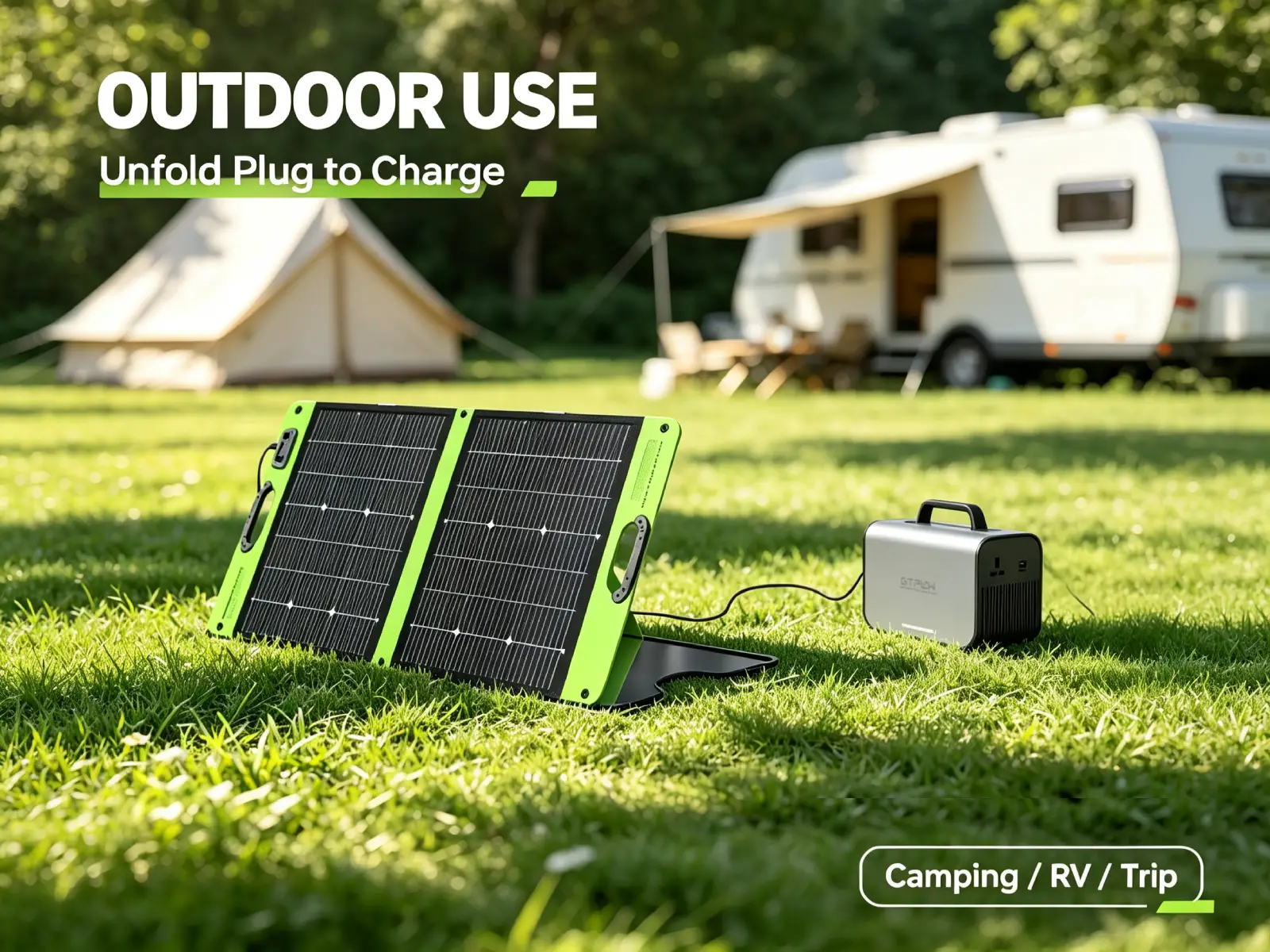
Reliable Solar Panel Wholesale After-Sales Solutions for Global Distributors
In the portable solar panel wholesale and cross-border distribution industry, product quality and competitive pricing…
How to Find Reliable Flexible Solar Panel Wholesale Supplier
Flexible solar panels have become one of the fastest-growing renewable energy products for off-grid applications,…
Leave a Reply