

Solar Power Knowledge
Custom Flexible Solar Panels: How to Avoid Costly Sourcing Mistakes
 gaotu
gaotu
Why Custom, Not Off‑the‑Shelf?
When standard panels don’t fit your project, custom flexible solar panels are the answer. But sourcing them from China comes with risks. Here’s how engineers and procurement teams get it right — without wasting time or money.
Wrong dimensions. Mismatched voltage. Poor aerodynamics. Short lifespan.
Customization isn’t about making things look pretty. It’s about squeezing maximum usable wattage out of a limited, oddly shaped surface.
But here’s the catch — working with Chinese suppliers on custom panels is full of hidden risks.
One wrong drawing, one incorrect material spec, one skipped testing step — and you’re not getting products. You’re getting a container full of expensive scrap.
We’ve seen it happen too many times: within a year, panels crack, delaminate, or simply stop working.
How to avoid the traps? Follow these three steps, and lock down every critical point.
Step 1: Stop Saying “I Need 130W” – Get Your Electrical Specs Right First
Don’t just tell the factory: “I need a custom 130W panel for this shape.”
Flexible PV doesn’t work like that.
Before you send any drawings, get these numbers pinned down:
- Voltage limits (Voc, Vmp)
- Current limits (Imp)
- Cable exit direction (front or rear?)
- Shading conditions (where is it mounted? Any obstructions?)
If these are vague, the factory will guess — and when they guess wrong, you get mass failures.
Example 1: Cold morning voltage spikes trip your charge controller and fry it.
Example 2: A 5‑inch shadow from a rope on a sailboat kills the entire panel output because bypass diodes weren’t planned properly.
Step 2: Prototype Testing – Break It Before You Build It
Never let a factory jump straight from CAD to mass production to “save time.”
The prototype is not for looking pretty on your desk. It’s for destructive testing.
Two tests you must run on every sample:
1. Bend Test
Mount the sample onto your actual installation surface.
Monocrystalline cells are brittle. They don’t stretch. If your design forces a bending radius tighter than 30cm, you won’t see the damage now — but after six months of hot‑cold cycling, micro‑cracks turn into hot spots and burn right through the backsheet.
2. Thermal Cycling Test
Ask for the lamination cross‑linking data upfront.
If the factory rushed the curing cycle to deliver the sample faster, it might look fine indoors. But once exposed to real outdoor conditions — heat, cold, moisture — the edges will start peeling, and the ETFE layer will delaminate.
Step 3: Choose a Factory That Treats Custom Work as Engineering, Not Assembly
Most factories run custom orders through rigid mass‑production lines. That’s a compromise, not a solution.
At Gaotu Innovation, we do it differently.
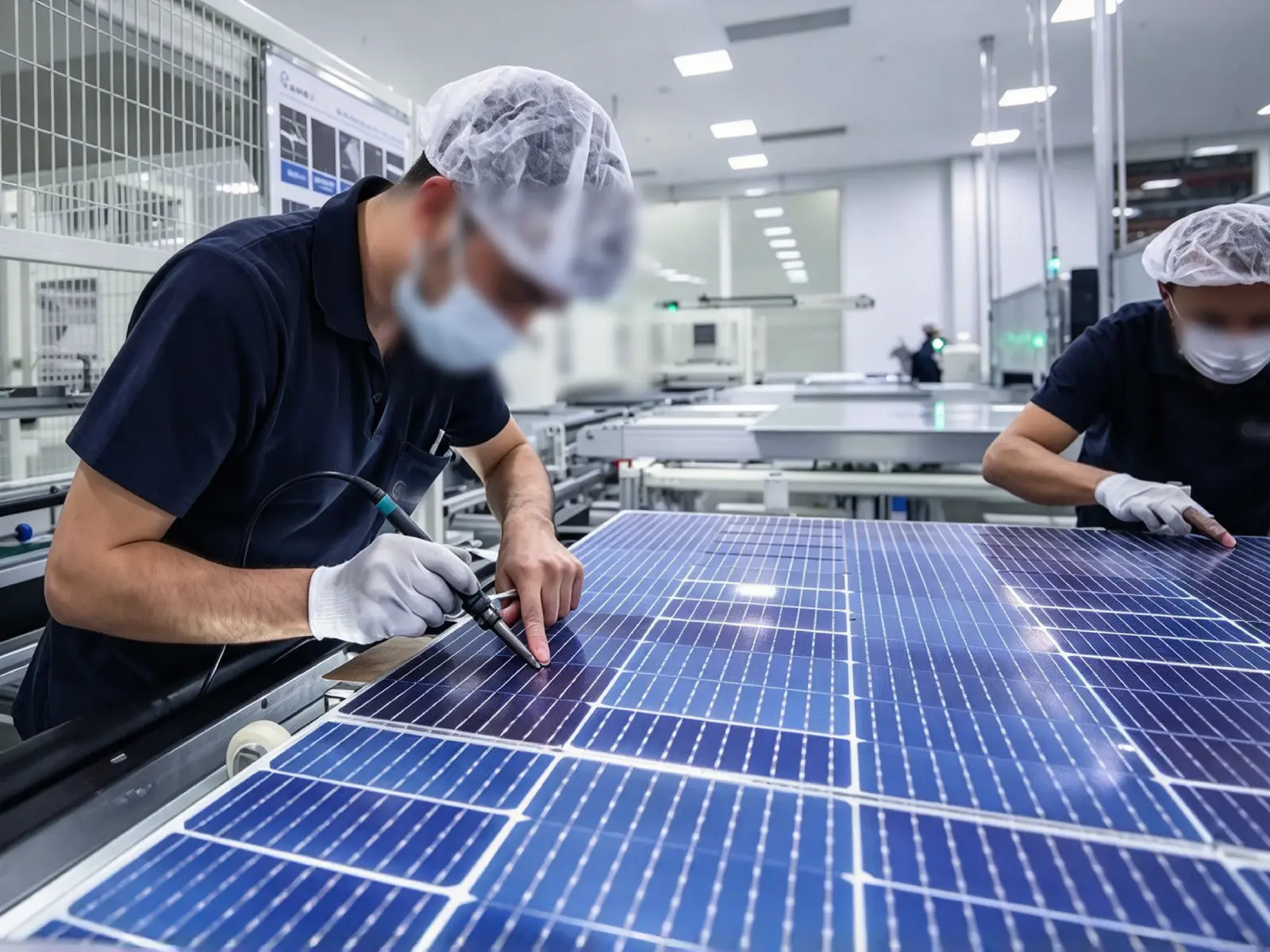
We’ve set up dedicated flexible tooling lines specifically for high‑spec B2B custom projects. Low MOQs, full process control, no middlemen.
What we actually deliver:
- Material flexibility: Need ultra‑lightweight for composite shells? Or heavy‑duty dual‑ETFE for saltwater corrosion? We adjust the polymer stack to match your mechanical requirements.
- Bifacial optimization: If your panels go on white truck caps, light‑colored decks, or reflective metal roofs, we add a translucent backsheet to capture reflected light from underneath — giving you up to 25% extra output at no extra footprint cost.
- Plug‑and‑play integration: We mold custom connectors, set exact cable lengths, and pot low‑profile junction boxes — so your panels arrive ready to connect directly to your existing wiring harness. No splicing, no adapters.
Final Word: Get the Blueprint Right Before You Spend a Dollar
Buying custom flexible solar panels is not a retail transaction. It’s an engineering collaboration.
If you:
- Define your electrical baselines clearly,
- Run brutal prototype testing,
- Partner with a factory that takes engineering accountability seriously,
then your project stays on track, your brand reputation stays intact, and warranty claims stay minimal.
Before you commit to tooling or place a bulk order, do two things:
- Read our Ultimate Guide to Choosing a Flexible Solar Panel Supplier in China — a 15‑minute read on how to audit factory certifications, verify ownership, and negotiate contracts without fluff.
- Send us your CAD drawings or rough sketches. We’ll do a free technical feasibility review and give you honest feedback — no strings attached.
Reach out to the Gaotu Innovation Custom Engineering Team directly. No gatekeepers, no runaround.
Related Posts
Portable Solar Panel Supplier: A Practical Guide for Wholesale Buyers
If you’re looking for a portable solar panel supplier, chances are you’ve already stepped on…
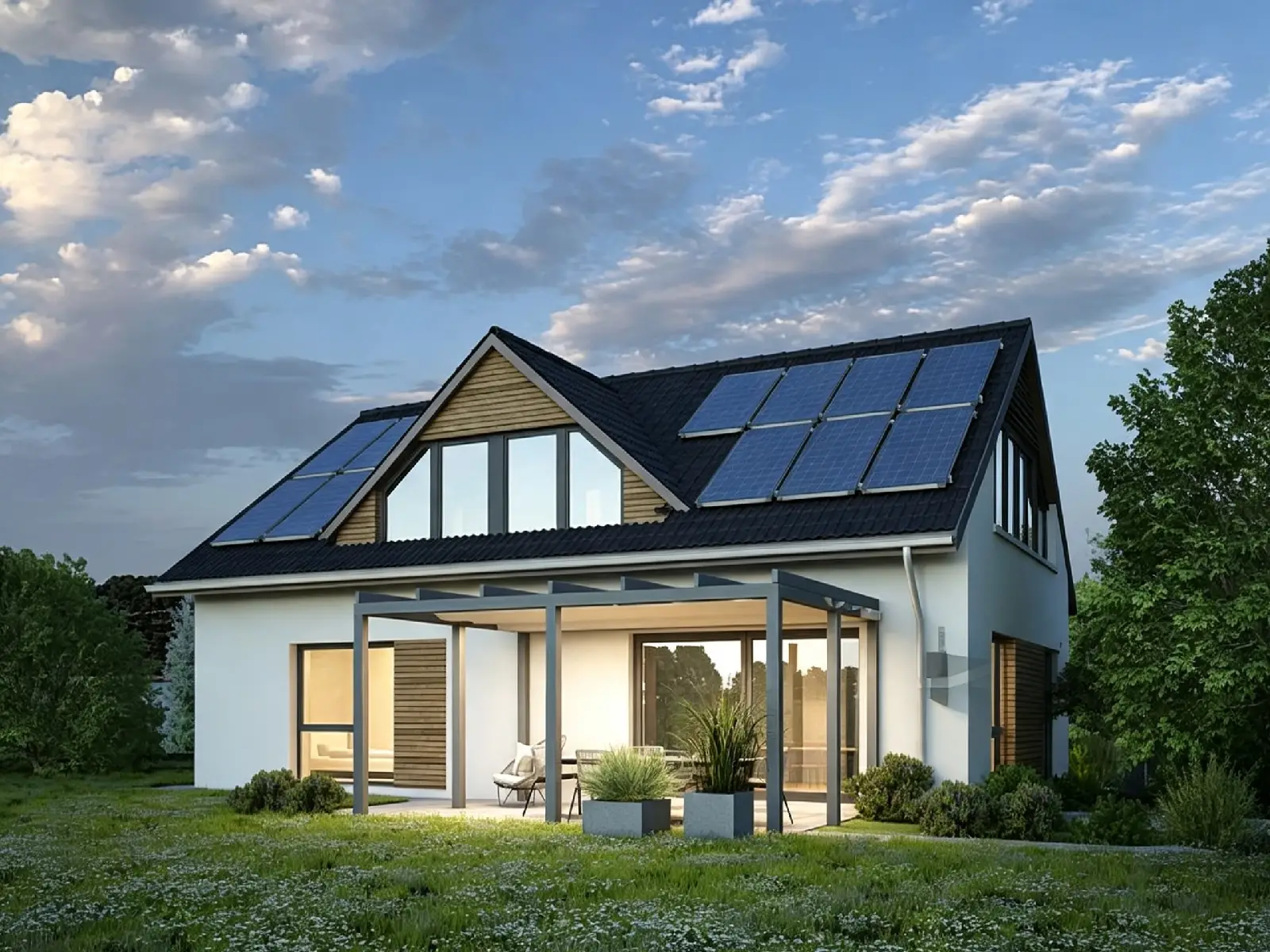
Which type of solar panel is best for home use?
Installing home solar panels is one of the most practical ways to cut electricity bills…

How to Source High-Quality Wholesale Portable Solar Panels From China
Portable solar panels (outdoor camping solar chargers, flexible folding PV modules) are mainly manufactured in…
Leave a Reply