

Solar Power Knowledge
Private Label Portable Solar Panels: The Reseller’s Guide to Escaping Price Wars
 gaotu
gaotuPrivate label portable solar panels are the only way to escape the price war. The Hard Truth in Solar Sourcing: If you are buying standard, unbranded portable solar panels straight out of a generic factory catalog, you are competing on price alone. Whether you sell on Amazon FBA, supply regional outdoor retail chains, or run an independent e-commerce brand, unbranded hardware opens the door for competitors to copy your listings and undercut your margins by fifty cents a watt. Building real brand equity starts with private labeling. This guide skips the generic fluff and breaks down the exact technical requirements, design assets, and factory constraints you need to master to secure exclusive, high-margin market positioning.
📌 What Every Supply Chain Manager Needs to Know
- The Quickest Path: Branding existing structural models via laser engraving or precision silk screening keeps your initial investment low and gets products to market faster.
- Artwork Asset Blueprint: Factories accept vector files (AI or SVG). Sending low‑res JPEGs or transparent PNGs often causes blurry print lines on canvas.
- Packaging Storage Strategy: Packaging supplier MOQs usually run higher than initial solar batch orders. A smart factory will print a large run of custom boxes and store them to fulfill subsequent production lines.

1. Branding Options: Moving from Generic to Premium White‑Label
When sourcing private label portable solar panels from an elite OEM factory, private labeling goes far beyond stamping a logo on a plastic frame. Depending on your target retail price point and chosen materials, you can implement three distinct levels of brand customization:
Precision Silkscreen Printing
Ideal for text‑heavy corporate branding, safety instructions, and prominent logos on the outer textile fabric or canvas handles of foldable solar bags. We use specialized, high‑elasticity UV‑resistant inks that won’t crack, peel, or fade under intense solar heat and repeated packing cycles.
Permanent Laser Engraving
Perfect for hard plastic junctions, aluminum kickstand joints, and the corner backsheets of flexible panels. Laser etching provides an unalterable, sleek industrial aesthetic that won’t scratch off during rugged outdoor usage, immediately raising the perceived retail value of the hardware.
Bespoke Aesthetic Adjustments
For large wholesale accounts, we customize the actual color scheme of the heavy‑duty Oxford cloth backing, changing it from standard slate black to military green, coyote tan, or your exact brand palette. This visual differentiation ensures your product stands out on crowded supermarket shelves or Amazon search grids.
💡 Supply Chain Resource: Aesthetic customization is most effective when paired with optimized technical performance. Before locking in your branding artwork, check out our master structural catalog on configuring a custom portable solar panel. This primary manufacturing reference details how sizing, cell selection, and wiring configurations align with your brand positioning.
2. Balancing Your Customization Depth Against Factory MOQs
A major bottleneck for growing e‑commerce brands is over‑designing early on, which triggers high production minimums. To manage your cash flow effectively, understand how customization levels impact order volumes:
If your procurement strategy focuses purely on logo‑only customization—meaning you utilize our pre‑engineered internal circuitry, standard footprints, and validated lamination profiles while simply adding your brand logo and custom packaging—the manufacturing friction is minimal. This pathway allows for highly accessible, lower MOQs, making it a safe option for small‑batch trial sales and initial brand testing.
However, if you decide to change physical cell dimensions, alter voltage configurations, or request specialized shapes, the factory must stop automated lines to adjust laser‑slicing calibrations and lamination trays. These deep engineering changes require a significantly higher volume commitment to offset setup downtime. For an explicit look at how structural changes affect your pricing and production timelines, read our financial guide on managing a custom solar panel moq and cost framework.
3. The Pre‑Production Design Asset Checklist
To avoid delivery delays caused by poor file formatting or continuous design revisions, make sure your graphics team provides clean assets that match factory production requirements:
- Vector File Requirements: All logo artwork must be supplied in true vector formats—specifically AI (Adobe Illustrator) or SVG files. Do not simply paste flat JPEGs into an AI canvas; the print lines will lose resolution during scale‑up.
- Color Calibration: Provide precise Pantone Color Codes (PMS) for all logos and fabric requests. Computer screens display colors differently, and Pantone codes are the only way to guarantee the factory ink matches your brand guide.
- Text and Font Outlining: Convert all text within your design files into vector outlines or curves. If our factory computers don’t have your specific brand font installed, the design file will glitch and replace it with standard text.
4. Managing the Turnkey Packaging Storage Gap
Here is an insider factory secret that trading companies rarely mention: high‑fidelity retail color boxes are manufactured on industrial lithographic presses that carry separate sub‑vendor MOQs (usually 500 to 1,000 units). This packaging threshold is often higher than a buyer’s initial solar panel order volume.
To resolve this gap, we offer a streamlined packaging storage workflow. We print your full custom packaging run (e.g., 1,000 color boxes) upfront to secure the lowest possible printing cost. We then use the required number of boxes to package your initial product batch, while holding the remaining branded inventory safely in our climate‑controlled warehouse. When you place subsequent mass production runs, we pull your boxes from storage, allowing you to test the market with smaller product batches without sacrificing high‑end retail presentation.
To see how this packaging milestone integrates with our broader quality control and prototype testing steps, review our complete portable solar panel oem sourcing guide.
5. Compliance and Market Access: Bulletproofing Your Retail Launch
Branding a product means your company takes full legal responsibility as the importer of record. If your hardware lacks correct markings, custom officials can impound your shipping containers, or retail platforms like Amazon can instantly suspend your listings.
Our production team handles this compliance tracking during the private‑label process. We incorporate essential regulatory logos—including CE, RoHS, FCC, and UKCA—directly into the product’s backsheet rating labels and user manuals. We provide copies of independent laboratory test reports matching your brand name, ensuring smooth customs clearance and protecting your brand reputation from liability risks.
Build Your Exclusive Solar Brand with a Direct Factory Partner
Escaping aggressive price wars requires a direct manufacturing partner capable of converting standard hardware into an exclusive product line. By manufacturing with a vertically integrated factory rather than a trading company middleman, you protect your technical specifications, eliminate double‑markup pricing, and gain full control over your brand image.
Our division provides free parameter matching, artwork alignment reviews, and rapid prototype sampling to de-risk your brand launch. Ready to stop competing on generic pricing and build real brand equity? Contact our engineering team today to upload your branding files and secure a comprehensive, factory-direct wholesale quote.
Related Posts

How to Verify a Real Solar Panel Factory in China
Most international B2B buyers, solar project contractors, and distributors share one frustrating sourcing pain point:…
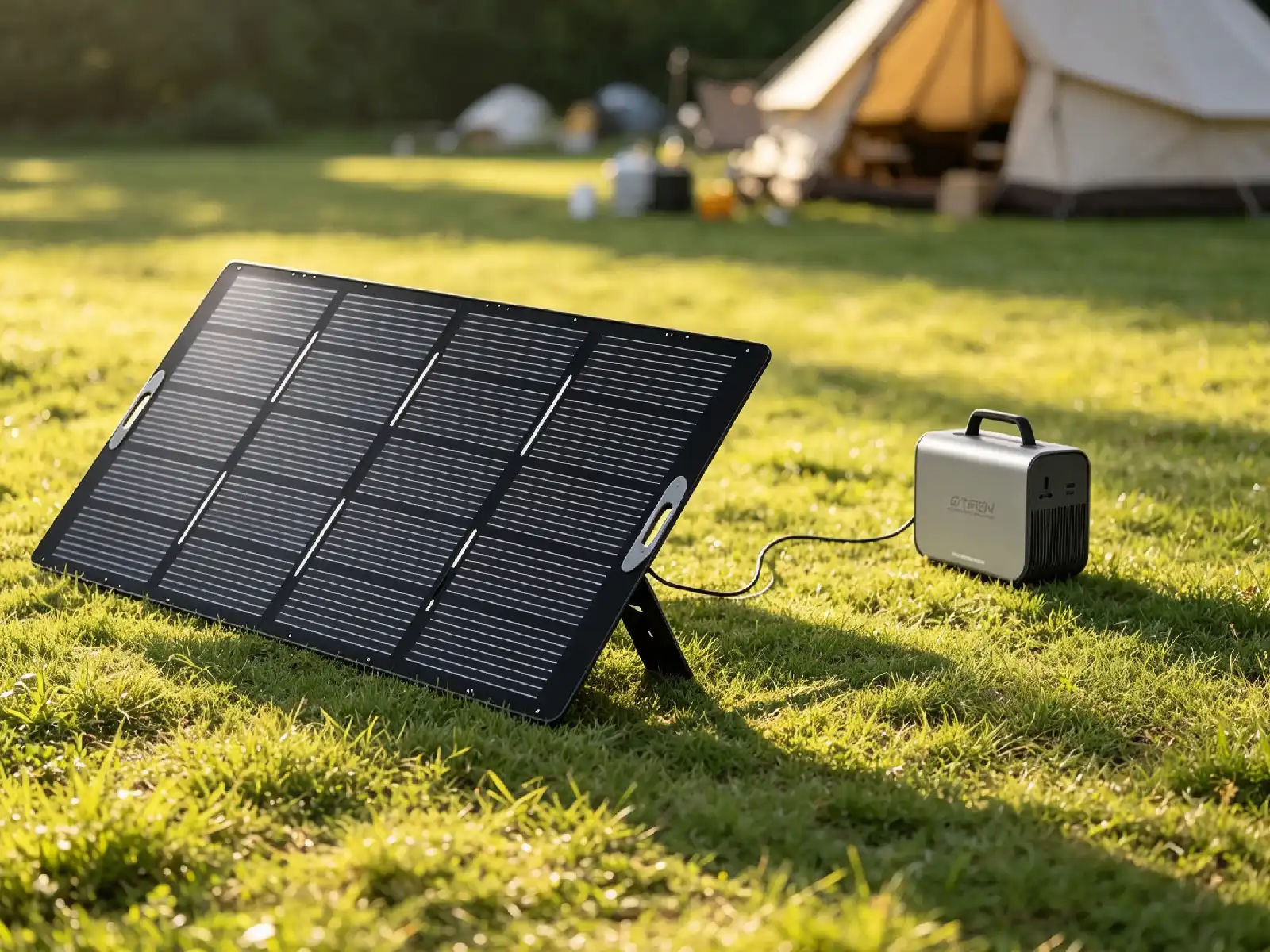
Hot Selling Portable Solar Panel Kits for Cross-Border Wholesale Distributors
The global demand for clean and off-grid energy solutions has witnessed steady year-over-year growth, driven…

How to Compare Solar Panel Supplier Quotes
If you’re engaged in solar wholesale or project procurement, you’ve definitely encountered this common pitfall.…


Leave a Reply